



After confidently rebounding in 2025, Hot Docs continues to climb upward little by little. This year’s festival mostly proves that the audience is back and here to stay. Of the 32 screenings I attended—up from recent years, but way down from my record 60 at Hot Docs 2019, and 61 at TIFF last year—nearly all were well attended. Most of them, particularly the daytime screenings with free access for students and seniors and then the 7:00pm events, played to full houses.
At a time when documentaries struggle to find screens in Toronto, often playing only once theatrically before being annexed to broadcasters’ steaming platforms with an army of publicists pleading for the media refrain from commenting upon the films during their theatrical runs, Hot Docs again proves that people actually like to get out and see a movie in theatres. One can only hope the solid festival attendance translate to a return to form for theatrical film culture in Toronto’s doc scene. Don’t underestimate this audience, and Hot Docs shows that these films play best when they’re part of a conversation.
Motivated Crowds
In numbers, Hot Docs has the receipts for a successful event. The festival reports attendance of 40,000 people across the 11-day event with 35% of screenings going rush, meaning that attendees queued with hopes of nabbing any unclaimed tickets/seats. The festival reports an average audience growth of three percent per screening–which isn’t huge, but an increase nevertheless with roughly half the line-up as per recent years.
Add the stats to anecdotal observations of the turnout, and they yield an important point in Hot Docs’ strength in numbers. The festival had relatively few “name” draws in terms of high-profile subjects, outside of opening night honouree Carole Pope and mid-fest headliner Kenny Loggins, and only a handful of directors with whom general audiences might be familiar. Hot Docs 2026 selections seem “smaller,” but they’re rewarding films that one likely won’t see elsewhere. This fact means that audiences were coming out to experience these stories and learn about the world. Put another way, people were motivated to attend simply due to their interest in docs and the titles that the programming team whipped up for their enjoyment.

The “big” titles have staying power too. At Hot Docs, these docs generally tend to be the Sundance favourites, which carry strong word of mouth from the circuit. The Sundance-Hot Docs crossover remains reliable with Poh Si Teng’s American Doctor winning this year’s Audience Award. The doc about volunteer doctors in Gaza played through the roof at its Canadian premiere, and the audience vote offers a strong sign of confidence that docs fans really do want tough and urgent stories about news unfolding as we speak.
Other festival circuit hits that showed their staying power include Amy Goodman doc Steal this Story Please!, Sundance winner To Hold a Mountain, and one of my personal favourite discoveries of Hot Docs, IDFA winner A Fox Under a Pink Moon, which offers a moving migration saga through the perspective of its young Afghan participant/co-director. Expect to hear a lot about these titles throughout the year.
Canadian Highlights
On the Canadian front, Hot Docs might be smart to entice more Canadian docs to premiere on the spring circuit if they can.
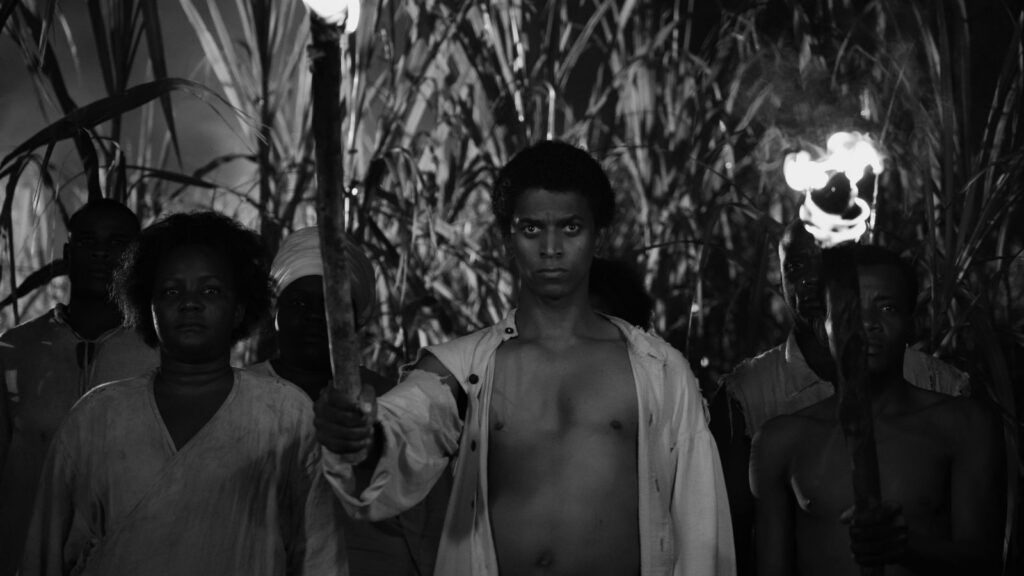
One Canadian title also emerges from Hot Docs’ as a word of mouth hit: Black Zombie. The doc by Maya Annik Bedward leads my tally of mentions critics and industry folks I traded notes with throughout the festival. Everyone loves it and appreciates the way it provides context and history for beloved horror movies while conveying the information in a way that still allows fans to love flicks like Night of the Living Dead in their own right. Of all the Canadian films at Hot Docs, Black Zombie should have strong legs.
So too should Antidiva: The Carole Pope Confessions, Michelle Mama’s portrait of the Canadian rock icon. One of my personal favourites at the festival, Antidiva shows what makes a good kickoff as Hot Docs rebuilds: high energy, positive vibes, and a swell of community goodwill. The film also proves that music docs still have lots of gas. Filmmakers just need the right angle to escape formula and keep the story fresh, which Mama does tremendously well by tapping into Pope’s reluctance for self-congratulation, but also the vulnerability that allows for an unexpectedly naked portrait of what “stardom” looks like in the Canadian context.
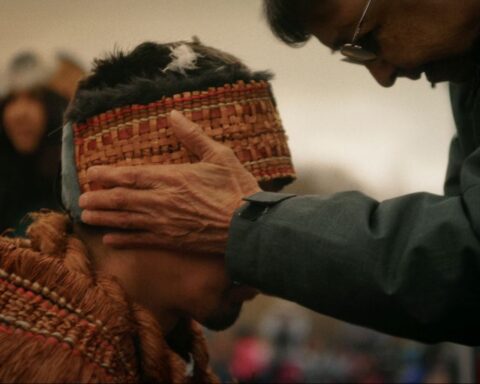
While many of the Canadian titles from Hot Docs 2026 reflect the influence of broadcast house style, some homegrown works of art truly show singular vision. Take, for example, Ceremony, directed and produced by Banchi Hanuse. On paper, the film resembles a doc that many audiences have seen before: concern for B.C.’s waters connect with the history of colonialism embedded in the landscape. However, the film strikes the right note between micro and macro level surveys as it explores the Nuxalk Nation’s efforts to restore the dwindling population of ooligan fish. Hanuse finds some very compelling characters who smartly connect the lore of the land with the Nuxalk’s resilience, but she also harnesses the landscape as part of the film’s design to give it sweeping scope and awesome emotional power.
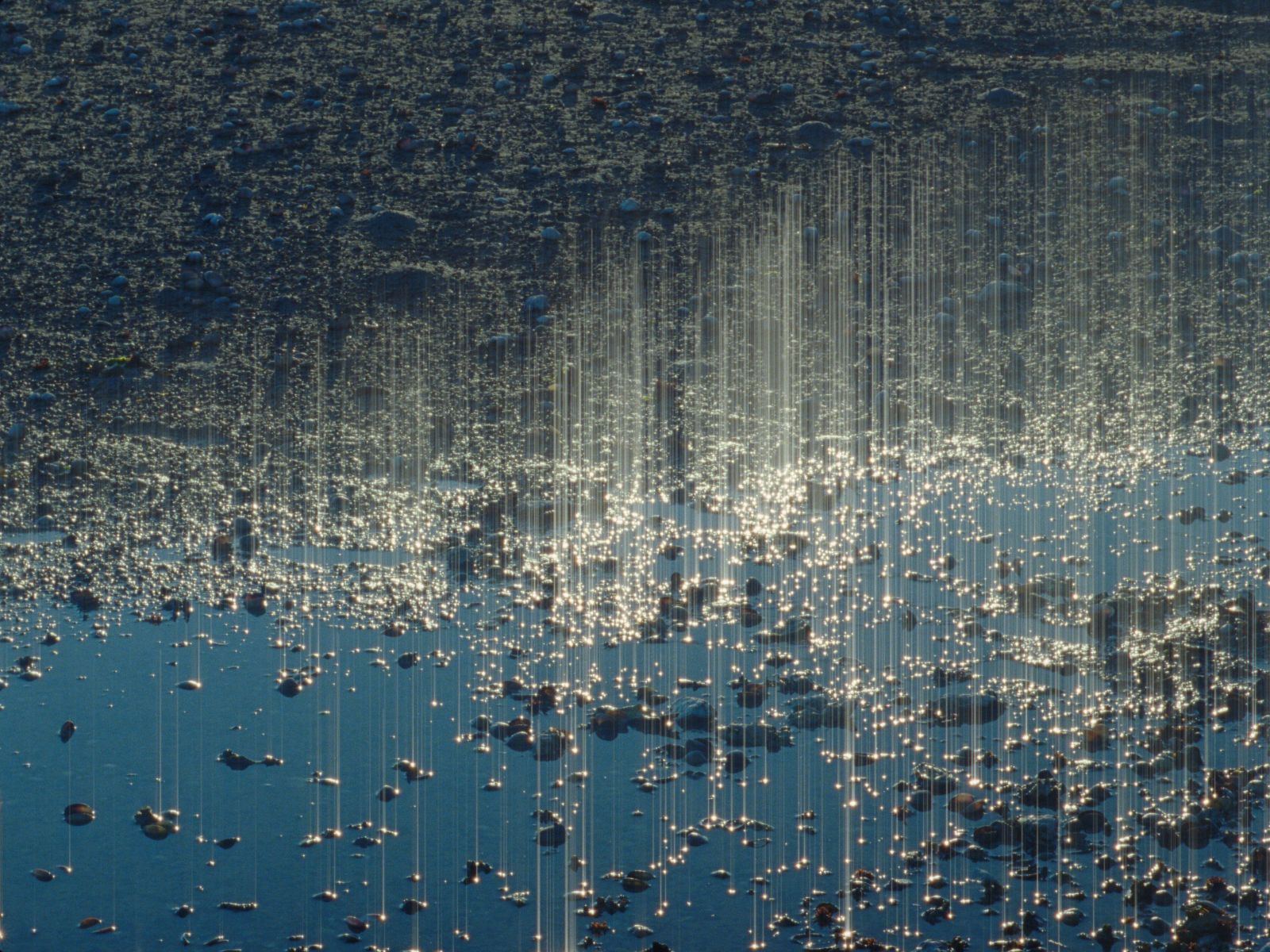
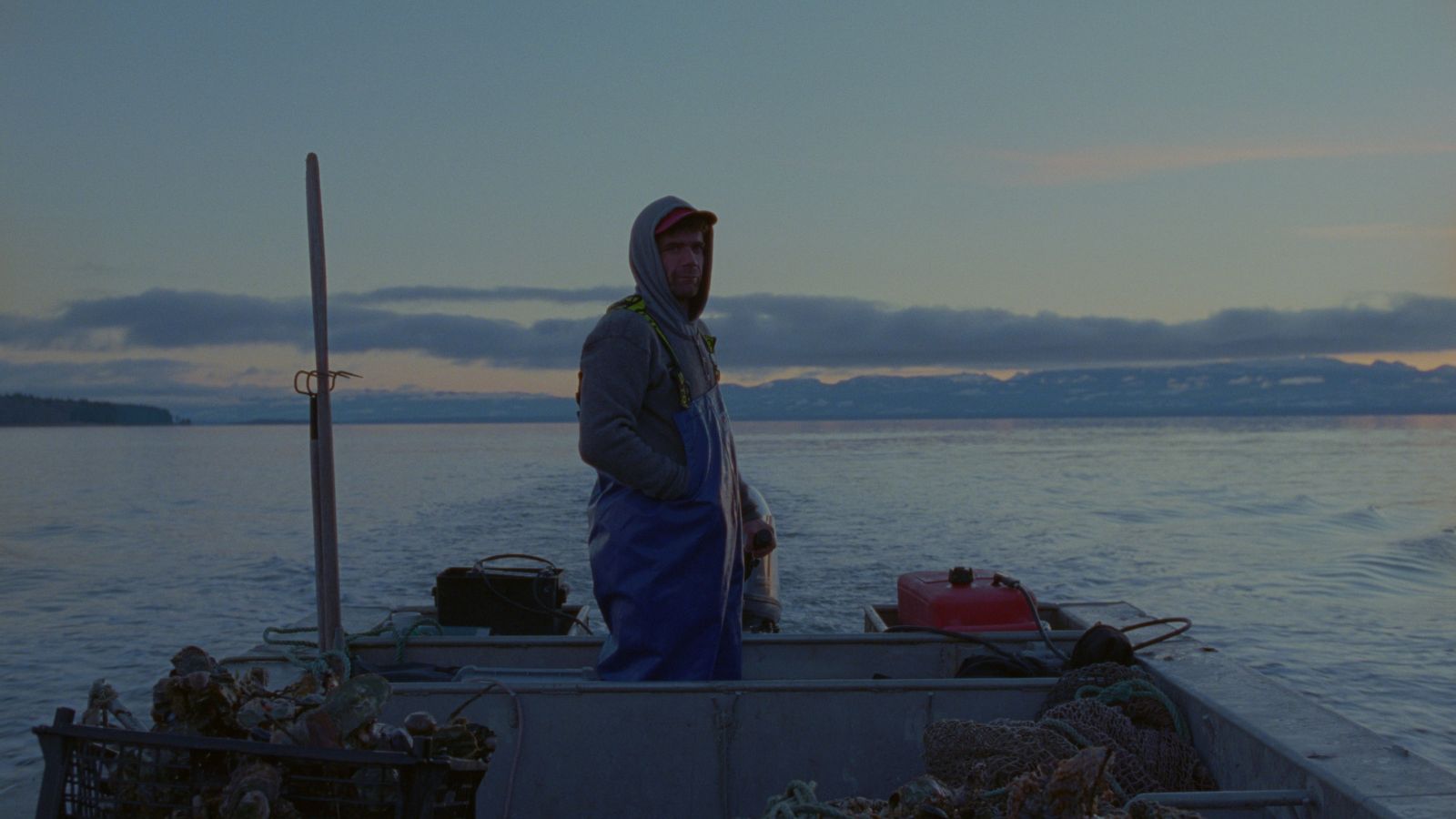
Perhaps the overall Canadian highlight, however, is Jessica Johnson and Ryan Ermacora’s hypnotic Concrete Turned to Sand. For me, this experimental portrait of oyster farmers around Cortes Island, B.C. blows the other Canadian Spectrum titles out of the water. Johnson and Ermacora’s elevated aesthetic honours the farmers, while also heightening the power of the landscape with visually striking long takes and a layered sound design that immerses audiences in the squeaks of intertidal life. It’s an extraordinary feat of durational cinema that uses cinematic space and time to recognize the duty of care entailed in the farmers’ labour. These filmmakers were way overdue for a berth at one of Toronto’s top festivals and there’s probably no better screen to do their work justice than Cinema 2 at TIFF Lightbox.
Cross-Border Conversations and International Standouts
Also strong is Marlene Edoyan’s A Fire There, a poetic slice of life about Armenian farmers in Georgia. The film dextrously straddles hybrid and docufiction aesthetics to create a distinctly cinematic slice of vérité. Moreover, as one of several Canadian titles looking beyond the national borders, A Fire There actually sits nicely in conversation with international competition title Vanishing Tracks, another portrait of sheep farmers facing a crossroads. Hot Docs’ line-up boasts a discerning eye for curation that allows the films to speak to the strengths of their fellow selections.
Hot Docs also has a strong line-up of contenders in its International Spectrum Competition that other festivals should consider. Unfortunately, the winner, House of Hope, was the only doc on the slate that I missed. However, the section features some of the festival’s best discoveries. Chief among them are Baby Jackfruit Baby Guava and Vegapolis, both of which offer visually intoxicating personal works that announce new talents with distinct vision. Both films deserve strong festival play and attention from distributors.
So too does Stories for Sandro, Giacomo Boeri’s touching and playful study of his father, Sandro, as he faces memory loss due to Alzheimer’s. The film marks one of Hot Docs’ most formally ambitious selections as Boeri invites his father to commit his memories to film and relive them on the big screen. Boeri’sfilm features offbeat recreations of Sandro’s memories with the father narrating his stories while actors interpret versions of his younger self.
The film carries a distinct visual style with some of the dramatic interludes evoking the likes of Wes Anderson as Sandro drolly recalls an episode from military training in which a superior inadvertently ordered his trainees to blow up his work station. It’s a wonderful testament to love as the family uses the remaining days of Sandro’s lucidity for a shared experience that inspires emotional beats with which he can retain these memories longer. It’s moving enough to find a place in any viewer’s memory bank.
Keep an Eye Out For
Outside the competitive streams, Hot Docs has lots for audiences of all tastes to seek out. The ever reliable Artscapes programme, for example, delivers two solid crowd-pleasers to watch for: Maintenance Artist and Gealtra. The former provides a terrific study of Mierle Laderman Ukeles, who spent 40 years as the artist in residence for New York’s Department of Sanitation, and the latter serves an energetic glimpse into a rap studio in Cork. Gealtra offers a must-see for anyone charmed by the Irish hybrid film Kneecap. This glimpse into the lives of young people who find strength in rapping about their experiences in their native tongue speaks to the importance of cultural expression that asserts its specificity. Their brogue helps them drop some sick beats, and director Brendan Canty matches their youthful enthusiasm with an equally fresh eye for the stories that inform their music.
On the flip side, Hot Docs shows strength with an unlikely crowd-pleaser in A War on Women, Raha Shirazi’s compelling study of the “Woman, Life, Freedom” movement in Iran. The film develops the historical context for the protests by chronicling decades of resistance. It draws upon the voices of women who fight for change at levels both personal and institutional. The film builds to a forceful rallying cry for women’s rights as it culminates with images from contemporary protests. However, for a doc that partly adopts the talking heads approach, A War on Women ends with a gut-punch as it introduces countless young women who are no longer here to tell their tales.
Playing to a packed house at the cavernous Hot Docs Ted Rogers Cinema, it’s one of several events that show the festival in top form: By engaging a full theatre eager for a challenge. One hopes the crowd takes a cue from Sandro and finds strength in the positive memories sparked under the big screen.
Get all of POV‘s coverage from the festival here.
Update: This post was updated to include Hot Docs’ festival attendance numbers.