



To Hold a Mountain
(Serbia/France/Montenegro/Slovenia/Croatia, 105 min.)
Dir. Biljana Tutorov, Petar Glomazić
Prod. Biljana Tutorov, Petar Glomazić, Quentin Laurent, Rok Biček
Programme: World Cinema Documentary Competition (World premiere)
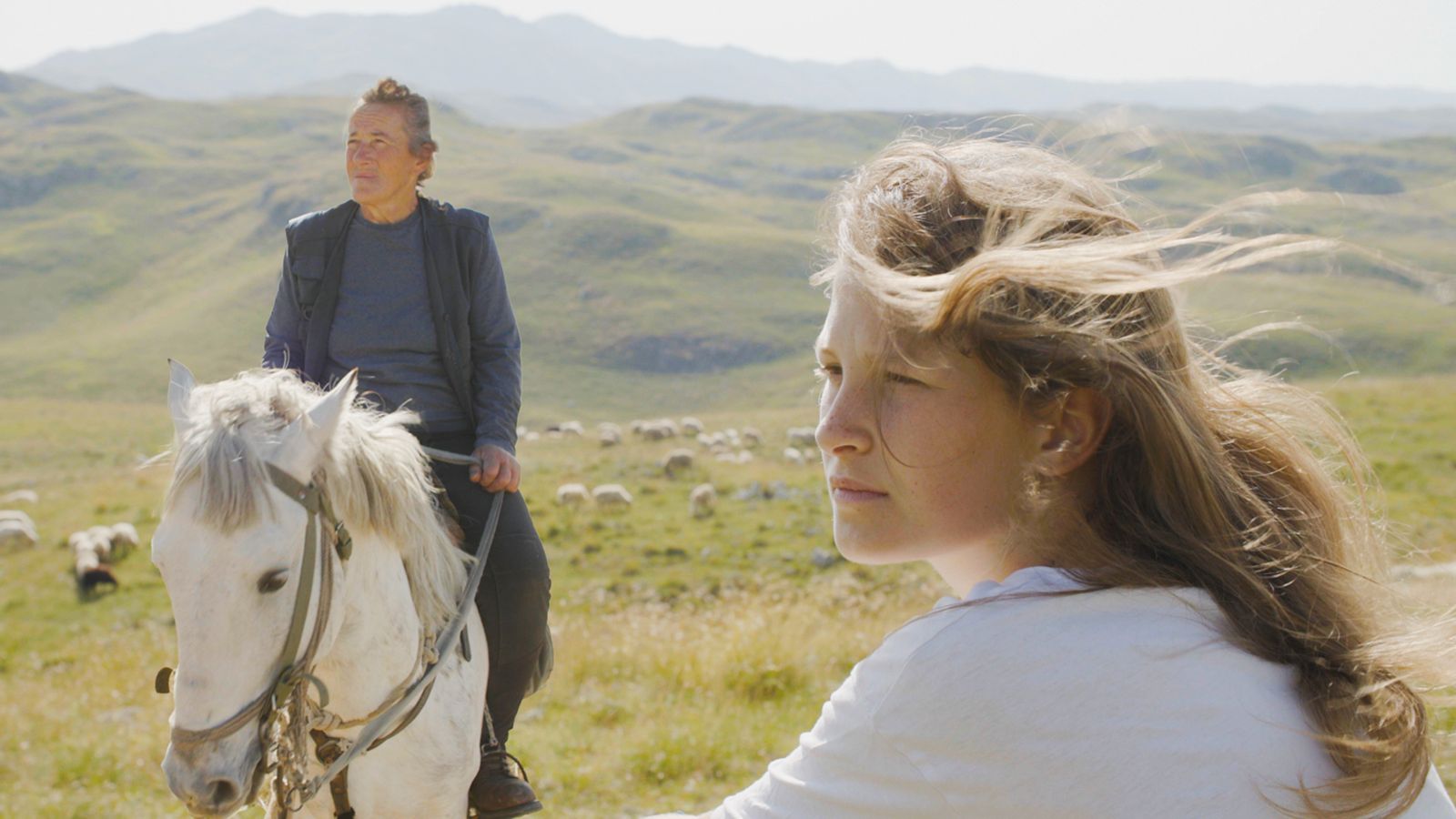
Soak up the stunning vistas of Montenegro’s Sinjajevina plateau. The picturesque pastureland sits 2,000 meters above sea level and offers an oasis of rolling hillsides as the second highest pastureland in Europe. But the green acres might no longer be a place where goats roam and cows graze happily.
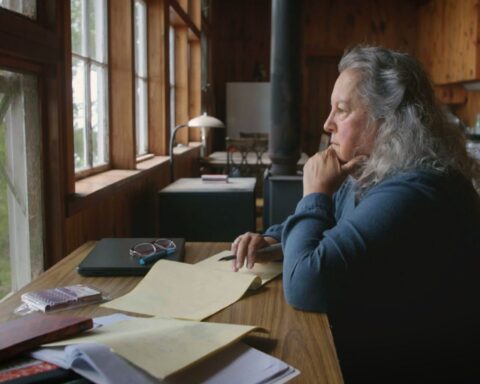
For Gara and her 13-year-old daughter Nada, their return to the green pastureland each summer serves as both an annual pilgrimage and a homecoming. However, news that the mountain will become a NATO-backed military training ground threatens their way of life. With so much at stake, Gara becomes a leader for the farmers, who have enough to worry about with the wolves creeping around their fields preying on their herds. (What a metaphor!) As the idyll pastureland becomes a hot-button battleground, To Hold a Mountain unfolds a stirring fable about what it means to protect the land and those you love at all costs.
Filmmakers Biljana Tutorov and Petar Glomazić find a touching story in these two women and the land that fuels them. To Hold a Mountain offers a slice of life cinéma vérité portrait as mother and daughter go about their daily chores. They milk cows, feed the animals, repair the homestead, and make some cheese. A really exciting day calls for Gara to deliver a calf, which ensures that the cycle of life continues on the farm. In one bravura sequence, mother and daughter make a white-knuckle trek to rescue a calf that’s been trampled by its frightened mother. They guide the wounded calf on a wheelbarrow over the undulating land while the mother cow trails behind. Her rickety legs slip on the uneven ground, making clear that this landscape hides its challenges under a coat of grassy romanticism.
The work seems strenuous, but one hears few complaints while observing what some people may call a hard way of life. This is old-school farming and Gara embodies the best of that salt-of-the-earth personality. She and Nada huddle up and playfully fight over blankets to stay warm during the night. Meanwhile, their bountiful litter of cats cuddles up, paralleling the human action and using their intimate connection to share warmth. It’s a way of life.
To Hold a Mountain keeps the encroaching threat of military presence in the background as the occasional helicopter interrupts the tranquil silence. Evidence of development eventually becomes too gradual to ignore, and Gara makes the journey into town where farmers and other residents protest to preserve not only their backyards and livelihoods, but a landscape that symbolizes the natural environment that’s worth protecting. Sinjajevina embodies peace pure and simple with its serene hillsides that roll into the horizon as far as one can see. To make this landscape a site of violence offers at best an insult to everything it represents.
However, a private war beckons even closer to home. Nada asks one day about the woman whose portrait Gara takes special care to dust. She often becomes overwhelmed with emotion while doing so. Nada wonders if she resembles the woman in the photo. Gara proudly says she does.
Although Nada calls Gara “mother” and they both refer endearingly to the mountain by the same name, it turns out that Gara is not her biological mother. She’s her aunt. The film reveals that Gara’s sister, Nada’s biological mother, was murdered by her husband when Nada was just a small child and that Gara’s been her guardian ever since—but far more than just a legal caregiver.
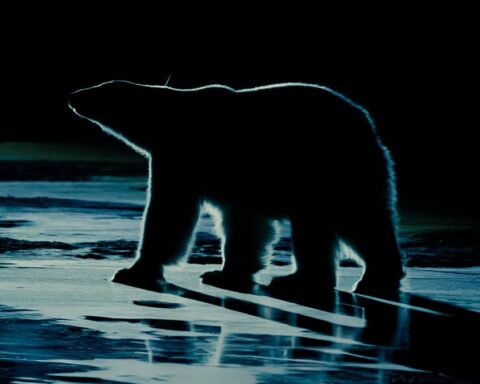
Their peaceful life becomes threatened with news that Nada’s father will soon be out of prison. Gara expects he’ll try to make contact with Nada. She vows to protect her family even more fiercely than she does the mountain. Again, more wolves.
To Hold a Mountain finds an understated portrait of resilience and strength in these two women. Although the threat of violent men looms in the background, Tutorov and Glomazić keep their focus on the connection between the women, their animals, and their harmony with the land. There’s a soulfully moving portrait of transhumance as the film soaks up the pastoral lifestyle and the rhythms of the landscape that forge a deep connection between the women and their animals. Beautiful cinematography by Eva Kraljević captures the grandeur of the pastures and the intimacy of the relationships with equal measure.
The film also peppers maternal relationships lovingly throughout the frame. Gara’s unwavering love for Nada, and her daughter’s mutual affection, finds striking parallels in the animals with whom they share the land. To Hold a Mountain finds an effective motif in the mother-daughter relationships throughout the farm. From the mother who anxiously follows her wounded calf to the barn, to the many, many cats that cuddle with their mother—or the hungry kitten that waits for wayward squirts from the udder while Gara milks a cow—there’s a wonderful tapestry of maternal care built into every frame. To Hold a Mountain is a quietly powerful feminist fable about our duty to protect each other and the land that sustains us.