



Big Chicken: A Fast Food Conspiracy
(UK, 98 min.)
Dir. Liana Stewart
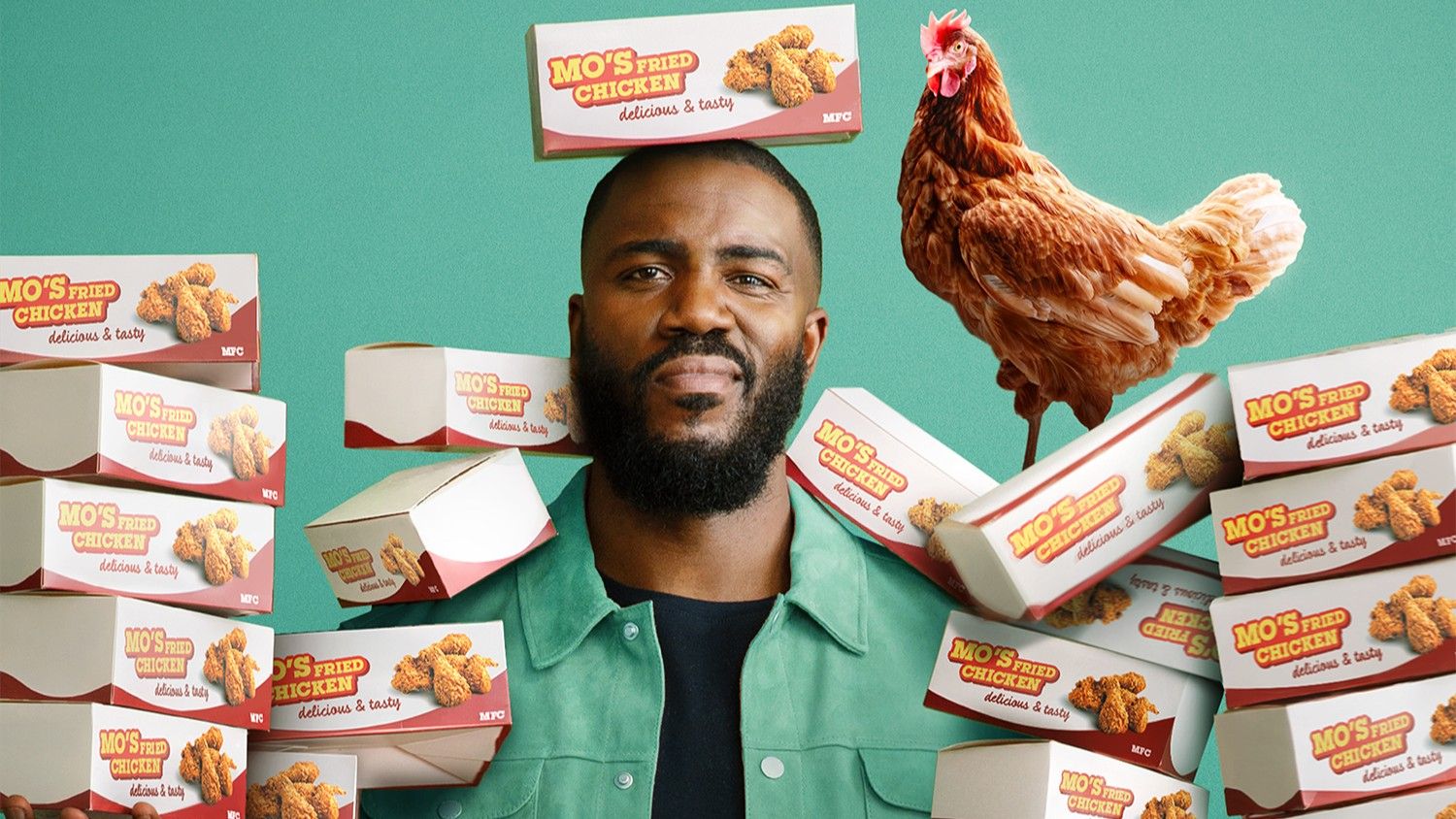
Back in the 1990s, Ragu released a line of sauces served with an instantly iconic jingle. The words “I feel like chicken tonight” line caught on about as quickly as a dinner whipped together with the handy sauces. Better education about processed foods, however, leaves a diminished appetite for ready-made slop. BAFTA winning comedian Mo Gilligan finds himself birds of a feather with contemporary tastes as he looks into the world of fried chicken in an era when more people than ever feel like chicken tonight. He pledges to eat nothing but greasy and crispy bird for an entire month to test the effects that a diet of fast-food and, in turn, processed grub, has on a person’s body. Nobody who binges this Netflix doc will feel like chicken afterwards.
It’s a novel premise, also one that’s been done before and quite famously so. Back in 2004, between the popularity of Ragu sauce and introduction of KFC’s Double Down, Morgan Spurlock put his mental and physical health on the line with Super Size Me. The hugely popular, influential, and Oscar-nominated documentary saw Spurlock test the consequences of fast food by eating nothing but McDonald’s for three square (happy) meals per day. With a dose of self-experimentation, gonzo ill-regard for nutrition, and a healthy dose of humour alongside his documentary nutrients, Super Size Me stood tall in a documentary revolution in which filmmakers put themselves front and centre while playing fast and loose with non-fiction conventions and emerging lifestyle entertainment.
Sound familiar?
Not only that, but in Spurlock’s inferior and largely forgotten sequel, Super Size Me 2: Holy Chicken!, the documentary funnyman explored the impenetrable world of fried chicken by trying to open his own bird joint and serving finger-licking good poultry to customers. You get the idea.
Big Chicken: A Fast Food Conspiracy can’t quite shake the sense that Gilligan serves a reheated meal, especially since it follows the reality/lifestyle doc approach that Super Size Me helped popularize. Gilligan nevertheless has a terrific screen presence and he provides an amiable and quick witted guide. He enjoys good puns (“ruffled feathers,” etc.) and the doc raises many issues about the extremely lucrative chicken industry after Spurlock’s doc. Or one of them, anyway.
As Gilligan checks in with a doctor before embarking on his 28-day flight of lunacy, he can’t help but worry about leaving the project with a sour taste for a food he likes. As with many people, Gilligan loves the crunchy, salty, and spicy thrill entailed in munching on a golden wing. However, he learns that there’s a nefarious science behind this highly processed and ostensibly healthier alternative to burgers and shakes. Big Chicken reminds audiences that any spin about the white meat served in fast food joints is merely whitewashing. It’s nasty stuff, tasty though it may be.
Big Chicken lays out its conceit clearly as Gilligan explains that his quest isn’t too farfetched. Many people in the U.K. eat processed food daily. That reality sadly finds itself reflected in the breakfasts, lunches, and dinners of people worldwide. As one talking head notes, the world’s population has officially tipped the scales: there are more obese kids than hungry ones, largely owing to the collision of circumstances that make it much easier and cheaper to eat poorly than healthily.
However, the ghost of Super Size Me looms large in Big Chicken as Gilligan embarks upon the journey and jets from the U.K. to the U.S.A. to chow down on greasy drumsticks whilst super-sizing his thighs. Even before Spurlock undertook his own cheap-n-greasy diet, however, the consequences of eating fast food were largely known. Big Chicken adds little to the conversation in that regard, but the doc also twists the circumstances somewhat. In Super Size Me, Spurlock commits himself to getting his 10,000 steps in so that his study reflects the recommendation for minimum physical activity. Gilligan drives everywhere and frequently orders calorie-logged wings and fries from his hotel room. Results may vary, but the doc doesn’t quite address the increasingly sedentary nature of the eating game in a food-app economy.
Big Chicken finds its strongest material when Gilligan speaks with experts who explain why these health problems are more a reality of circumstance than choice. Gilligan traverses the poultry industry on both sides of the pond, and learns a variety of factors that make fried chicken taste less succulent than it does upon first bite. The conditions of factory farms are eye-opening. They’re gross and brutal. Moreover, he learns about the science that supersizes chicken breasts to the point that hens’ drumsticks can’t sustain them. In the U.S.A., he looks at racial stereotypes associated with fried chicken. He takes this point to heart as a Black man who likes his wings. He plays up the image to re-appropriate it, all the while reconsidering his own role in promoting fast food.
Particularly compelling are arguments about the systemic inequity that forces hungry people to gorge on processed meals. “Food deserts” pinpoint hot zones where people can only get vegetables as condiments. Life expectancy varies with economic gaps taking years off one’s life depending upon where one lives. Add to this problem a science that hooks people on the high of a crunchy bird, and fried chicken hardly offers side effects worth the bite.
Gilligan illustrates this point with his confessionals that mark the fast food diet. Like Spurlock, he crashes mentally as well as physically. He can’t sleep at night because his body finds itself in caloric overdrive. However, he leans into his chops as a comic to make the interviews light offering a healthy balance with the super-sized outrage. Maybe it’s the hypertension caused by fried chicken or the disbelief with the industry that farms it, or both. Big Chicken may serve a familiar meal, but it has enough bite for a helping that’s finger-wagging good.