

Making Marie Antoinette
(USA/Italy, 86 min.)
Dir. Eleanor Coppola
Prod. Sofia Coppola, Rachel Dengiz, Mario Gianani, Youree Henley, Lorenzo Mieli
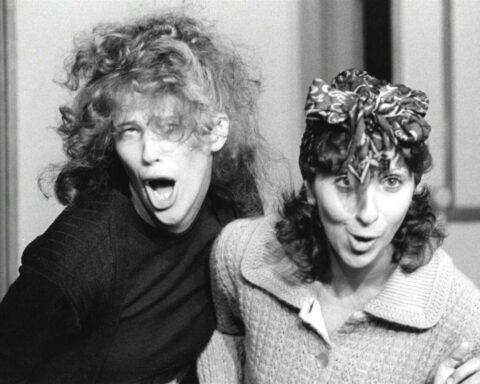
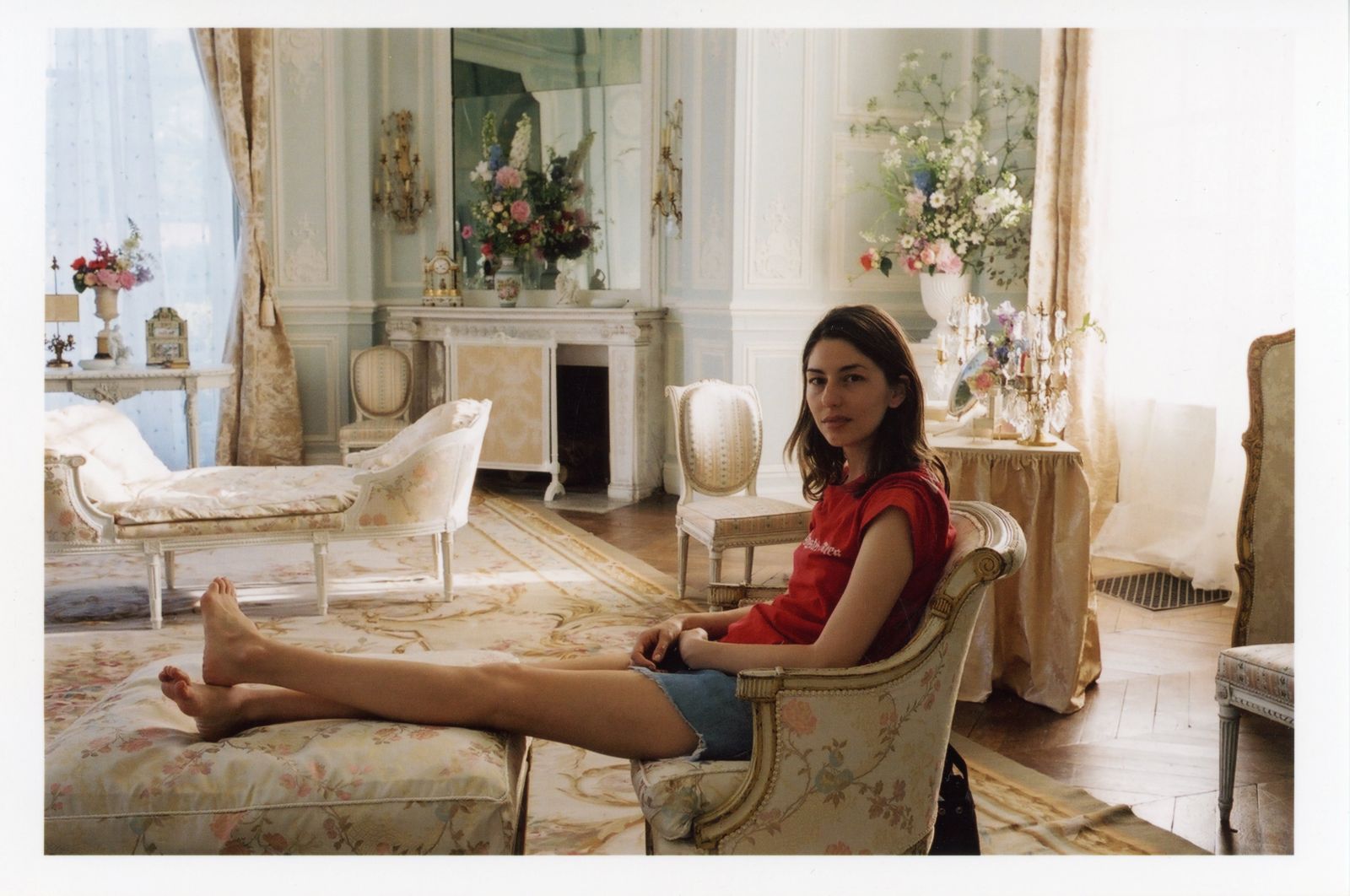
Thank goodness for the wigs. The extravagant, magnificent hairpieces slow everyone down during the making of Sofia Coppola’s Marie Antoinette. What ails the production of the opulent historical(ish) drama, however, provides great fodder for a making-of documentary. Sofia’s mother, Eleanor Coppola, captures the wig-induced malaise of the unwieldy production. There’s something deliciously poetic about watching young Kirsten Dunst fall asleep in full regalia while waiting between takes at Versailles. Playing that disillusioned young woman among many kindred characters in Sofia’s filmography, Marie Antoinette comes through a little clearer in this loving portrait. Eleanor Coppola keeps her camera rolling while her daughter and company wait for actors’ wigs to be washed, dried, and styled between takes. In doing so, she gains access to intimate and candid moments from Hollywood royalty. Talk about having your cake and eating it too.
Making Marie Antoinette comes to screen two years after Eleanor Coppola’s passing and over 20 years since she shot on the location of Marie Antoinette. Finished by Sofia after her mother resurrected the footage from its long winter’s nap during COVID lockdowns, the project joins the rare canon of movies about movies in which the documentary proves far better than the film it examines. There’s a high bar to meet, as the highlight of Eleanor’s unsung filmography is Hearts of Darkness about the notorious production of Francis Ford Coppola’s Apocalypse Now, but Making Marie Antoinette suggests that the matriarch may be the Coppola dynasty’s secret weapon. This affectionate film offers a love letter to filmmaking seen through the lens of a mother watching her daughter achieve heights in their profession rarely afforded to women.
The documentary, which Sofia completed using her mother’s journals, draws from 80 hours of material that Eleanor shot during the 2005 production of Marie Antoinette. The massive independent production carries a $40 million dollar price tag and 57 day shoot. That’s a lot for a director whose prior works were intimate films that played out suburban homes and hotel rooms. And yet gaining unprecedented access to the Palace of Versailles illustrates the Marie Antoinette-ish pop icon that Sofia Coppola was circa 2005. Fresh off an Oscar win for Lost in Translation and arguably the top name for women in film at the time, she represented a new generation. The pressure’s on and Eleanor’s behind-the-scenes observation captures the tension that entails.
The wigs add lots of weight and not simply to the actors’ shoulders. These hairy delays make keeping the pace of the production nearly impossible. And yet the delays between takes, which can account for nearly 75-minutes with an agreeable wig, allow Eleanor to observe so much behind the scenes magic. She observes her daughter developing a rich sense of the material and sharing her vision with actors and crew members. Sofia fastidiously directs the hair dressers as they style Marie Antoinette’s vertical ’do, finding the right hint of contemporary je ne sais quoi that bounces off Dunst’s forehead with a wayward curl while the rest of her immaculately coiffed hair rests like a crown. Elsewhere, Coppola holds her ground with the many men on the shoot. The elder Coppola captures the reality of Sofia as director. She often finds herself the lone woman running the technical side of the operation. She remains confident amid second guesses and occasional mansplaining.
Eleanor gives significant space to the women of the production, too. Costume designer Milena Canonero works magic in the wardrobe department. The film shows her truly herculean effort to dress so many key players and extras with period-specific threads that evoke the Sofia’s contemporary sensibility. The wigs especially come into play here, too, because the hairdos need to be coordinated with Canonero’s vision. Sometimes her idea of red for a character’s hair doesn’t match the delivery. That means the wigs department needs to do it all over again. Cue another waiting game.
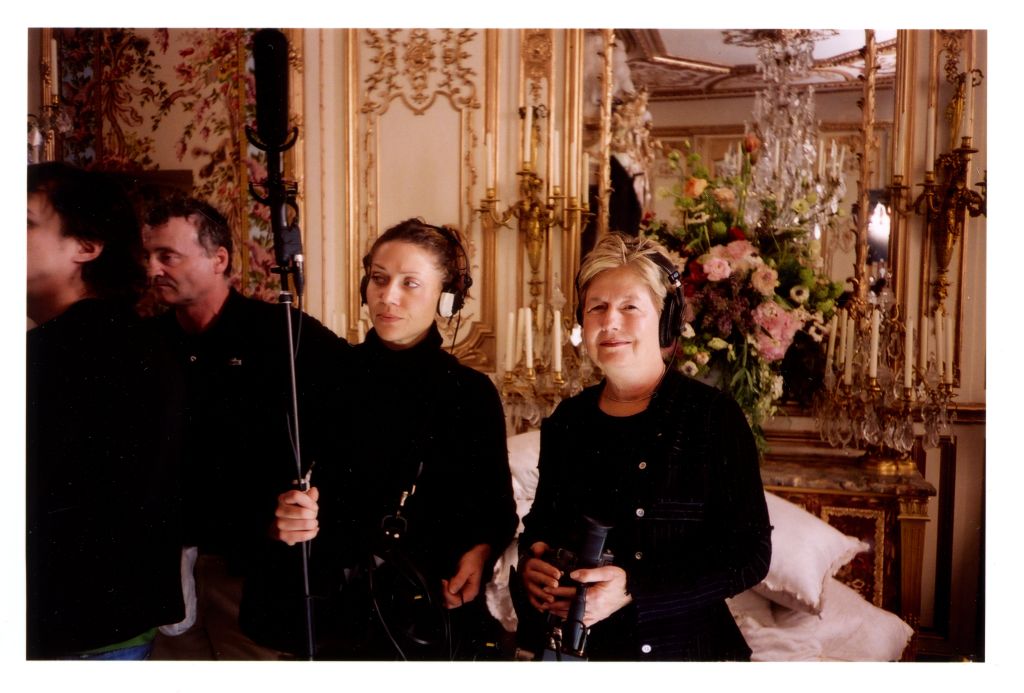
Then there’s the food. Coppola’s digital camera captures the bountiful spreads on the sets of Marie Antoinette. The fine French delicacies—quails, prawns, wobbly aspics, and a seemingly endless supply of cakes, cakes, and more cakes—embody the excess of Sofia’s production. The food’s all real as the culinary hands on the set explain. The actors can eat the props, but it’s a wonder that all the wig delays and seafood didn’t account for an epidemic of food poisoning amid the production.
But within Eleanor’s own filmography, the appreciative eye for French cuisine resonates. Her own love letter to French food comes years after this behind-the-scenes shoot in her 2016 feature dramatic debut Paris Can Wait, starring Diane Lane as a woman who goes on a whirlwind road trip/eating adventure in the French countryside with her husband’s colleague. One can’t help but intuit that the spreads of Versailles offer crumbs of inspiration. But it’s only with Marie Making Antoinette finally gracing the screen that the full arc of Eleanor Coppola’s filmography really comes together.
The elder Coppola’s voice resonates throughout the film, too, as Lane performs Eleanor’s thoughts as narration. These words convey a mother’s love and admiration, but also reveal Eleanor’s intuition as a filmmaker. She wonders why Sofia chose to make such a big movie about a woman, period, and country she knows nothing about. Eleanor worries about the health consequences that the pace and workload have on Sofia. Having seen what a huge epic can do to a person, as she did while observing Apocalypse Now, Eleanor keeps her daughter’s health top of mind. She doesn’t intrude or undermine Sofia, though. Knowing what’s at stake for a woman whose dad made The Godfather, Eleanor remains in the background. She allows Sofia to make her own choices and mistakes.
The reflections voiced by Lane ultimately reveal Eleanor’s ingenuity as a filmmaker in her own right. She seems to understand Marie Antoinette better than her daughter does—or she’s at least two steps ahead and taking pleasure in watching Sofia come to realisations on her own about how to mount such a lavish production that such a jump from her body of work. Sofia Coppola might have a great body of work about restless young women, yet without knowing it, she played one too.