



Il Paese: The Village
(Canada, 75 min.)
Dir/Prod. Shelley Tepperman
The Italians have a word that holds significance for the diaspora: la spartenza. It translates literally to “the parting.” The expression, on one hand, conveys the act of leaving one’s homeland for a life elsewhere. But for the salt-of-the-earth residents of Joppolo, la spartenza conveys a greater fracture of their personal and shared histories. The term resonates on both side of the globe as ex-pat Italians and their children feel strong disconnect between the land they live in and the place they call home.
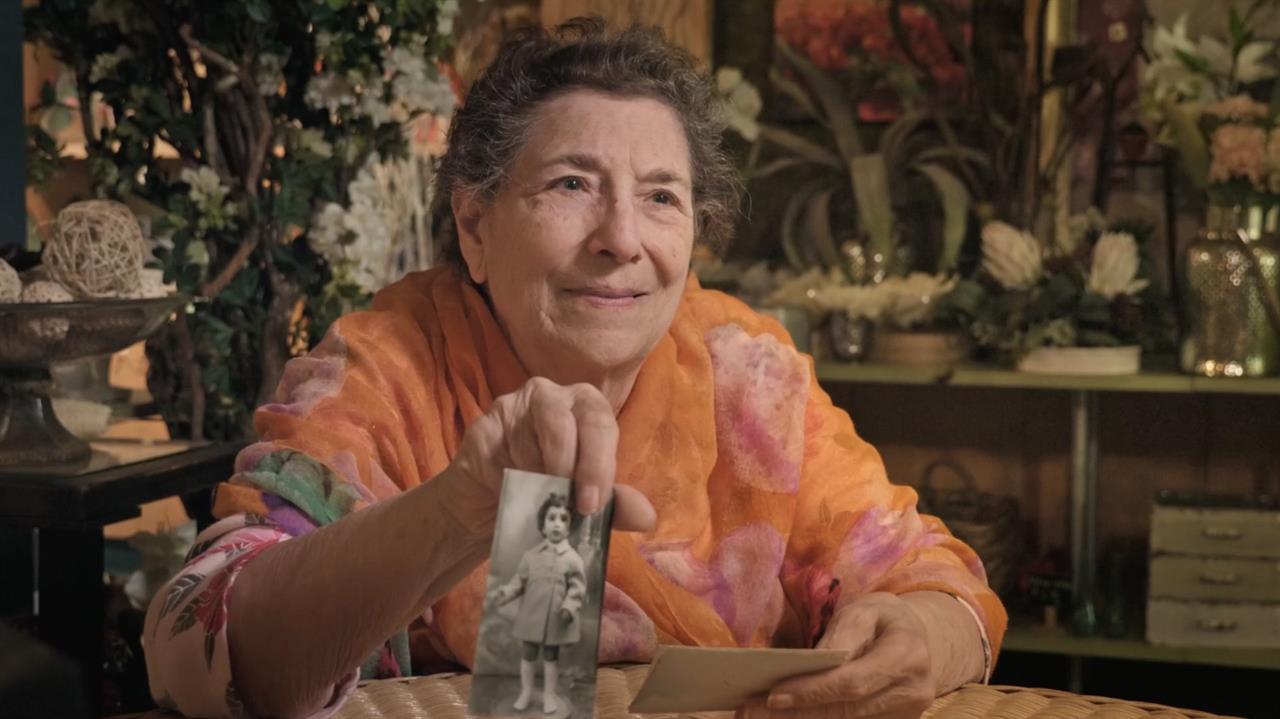
The amiable paisanos of Shelley Tepperman’s moving documentary Il Paese share how emigration effects people who leave and those who stay. The film offers a personal journey “home” for Montrealer Francesca Lo Dico. She shares how her parents left Joppolo amid a time of great migration. Her parents, seeking better work opportunities in a changing landscape, moved to Canada.
Even though Francesca was born in Canada after the family settled there in the early 1960s, she feels like an Italian at heart. This deep connection to a land she barely knows somewhat vexes her mother, Angela. The Sicilian-Canadian worries that her daughter can’t forgive the family’s decision to leave decades ago. Even though Francesca has been to Italy to trace her roots and meet some surviving relatives, she can’t shake the rift in her identity. Francesca lives daily with la spartenza, although putting a word to this divide doesn’t arrive until she’s overseas. The mother and daughter agree to make a long overdue pilgrimage to Joppolo with hopes of bridging the divide. They’ve never been there together, and their Italian-ness is an experience they’ve never truly shared.
Once the duo arrives in Italy with some family members and friends from Montreal’s Italian community, they positively glow. Il Paese evokes the sun-kissed radiance that the Lo Dicos exude by basking in the warmth of their homeland. The film asks what it means to feel a tug of nostalgia to a place one only knows through the imagination. Francesca finds herself buoyed by the sense of home. So too does her mother, as she encounters old friends while traversing streets she walked as a girl. Although the roads are much steeper than Angela remembered, the grass seems greener on this side of the ocean.
Residents and visitors alike pick fruits from the trees, pluck grapes that hang above the porch, and savour tomatoes that taste a little fresher with their proximity to Roma. As the ex-pats and second-generation Canadians tour the village, which experiences another population downturn due to middling job opportunities for young folks, their desire to (re)connect with the land strikes a chord with their Italian relatives and local residents. The villagers, too, feel la spartenza. Angela’s in-laws explain how people who leave inevitably take something with them. Pretty much everyone in the village has siblings and children who’ve moved, either to another city in Italy or a different continent altogether. Seeing family depart invites its own kind of loss for folks who remain.
Both sides of the family heal these gaps by reconnecting through their heritage. Angela explains the sensation well to the villagers she knew long ago. She says, “If you come to Canada, you’ll discover many things, but not your roots. You’ll see we’re doing well, but when we come here, it’s to reconnect with our roots.”
Every meeting carries a touch of heartfelt humour. Residents can’t help but note Joppolo’s greying population and worry that the garden they planted risks drying up. They adapt, though, and know there’s no sense miring in nostalgia. Interviews explain how Joppolo endeavours to revive the population by attracting migrants, ironically seeking to thrive by reversing the dynamic that caused the upheaval.
The film finds a great visual metaphor for this story of roots that Angela raises partway through the story. Il Paese frequently picks up on the many flowers, fruits, and vegetables that delight the Italians and Canadians with equal measure. The film delights the senses with fruit one can nearly taste and smell, as one feels Francesca and Angela’s presence in the region.
The recipe of Il Paese boasts a distinctly Italian flavour, but it extends a universal sentiment. This intimate story examines what it means to grow up in a multicultural society like Canada and to understand one’s place as a citizen of the world. Many Canadians watching the film can likely relate to that pull from elsewhere. The wonderful characters we meet in Italy evoke the family members that many of us only know through stories and photographs, yet we share a special affinity with the part of us they represent.
As Francesca translates that relationship from imagined to real, the picturesque journey illustrates how going out and engaging with the world, learning its customs, its flavours, its languages, and, most importantly, its histories, gives a person something to take back home and experience life anew. It’s all a matter of understanding ones roots in order to grow.
Il Paese: The Village screens at the Windsor International Film Festival on Nov. 8.
It also screens at Hot Docs Ted Rogers Cinema on Nov. 13.
Please check your local listings for additional festivals, event screenings, or broadcast runs.