


New films from Barbara Kopple, Alex Gibney, Mila Aung-Thwin, and Sophie Fiennes headline a diverse slate of non-fiction titles in this year’s TIFF Docs programme. The festival announced its documentary stream today with 21 features joining the 2026 line-up. 18 of the titles are world premieres. This year’s TIFF Docs programme boasts a healthy crop of Canadian titles, with seven homegrown titles adding to Run Terry Run and Man in Motion: The Rick Hansen Story, which were previously announced in the Gala slate. On the Canadian side, the programmers note they received well over 100 homegrown doc submissions. “We are seeing very, very strong numbers submission wise,” says TIFF’s Canadian lead programmer Jason Anderson. The wide range of docs also means that more titles are to be announced elsewhere within the programming.
The selections add to a notably wide scope of international representation in this year’s line-up. The line-up represents 20 countries. “One of the things that distinguishes TIFF as a festival is the backdrop of Toronto, that we have these audiences who know these stories from the inside,” TIFF Docs lead programmer Thom Powers tells POV by Zoom, noting that the diverse make-up of the city caters well to ready-made audiences. “That’s a very different experience than some film festivals that are taking place in communities that are much more homogeneous.”
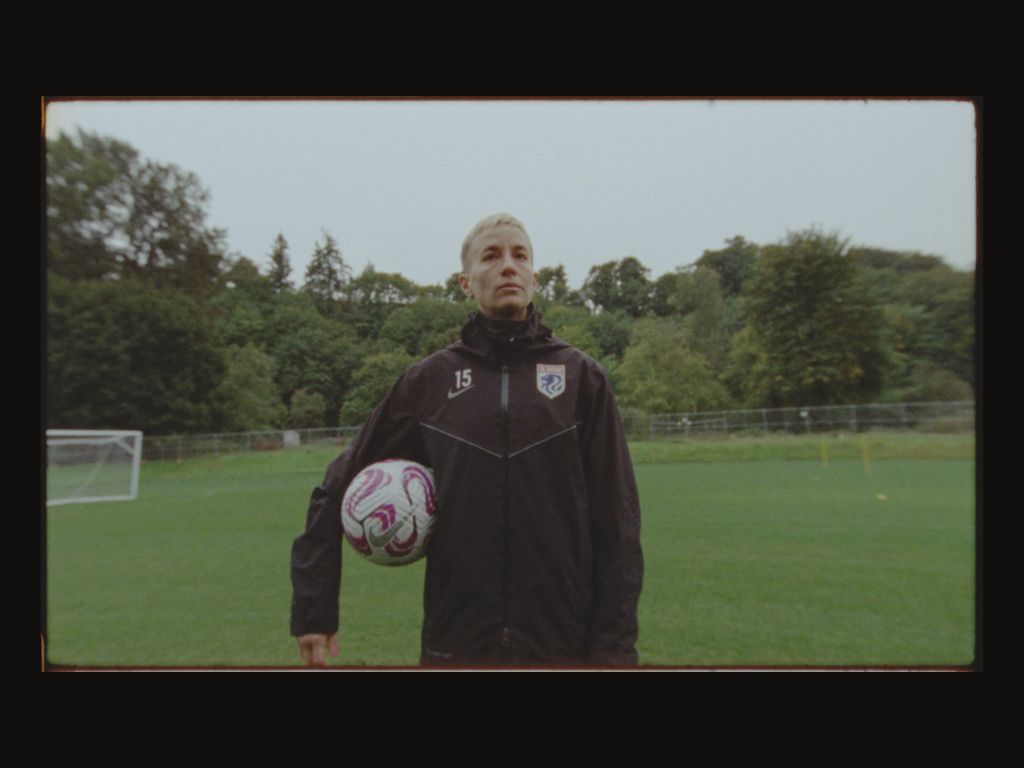
This year’s TIFF Docs slate kicks off with Rapinoe to continue the international spirit the city enjoyed while hosting the World Cup this summer. The documentary covers the life and career of soccer star and activist Megan Rapinoe who retired following the 2023 FIFA Women’s World Cup. Rapinoe marks a return to TIFF Docs for Rebeca Huntt, whose feature debut and self-portrait Beba was a breakout hit of the 2021 festival.
“If you remember Beba, you’ll remember what a strong filmmaker Rebeca is and particularly her attention to family dynamics and shaping character,” says Powers. “That is a focus that she really brings to this portrait of Megan Rapinoe that is very different than the average sports documentary that we see. A lot of it is shot on 16mm and the grain of that imagery is reflective of the grain of nuance that we get in this portrait.”
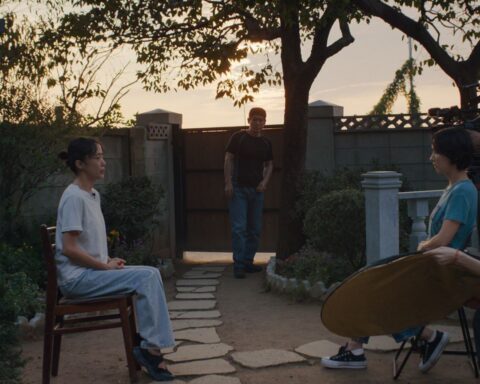
The opening berth for Huntt’s film reflects the strong presence for emerging talents in the TIFF Docs line-up. Among them is Ba’s Book from Ashley Duong, which sees the Montreal filmmaker turn the lens towards her Vietnamese-Canadian family while producing dramatic adaptations of her father’s memoir. “This one examines a personal history, but using the element of filmmaking as a device to draw out more and make the story very unique,” explains TIFF Canadian programmer Kelly Boutsalis, who also notes how Ba’s Book represents a strong presence for women directors in this year’s slate.
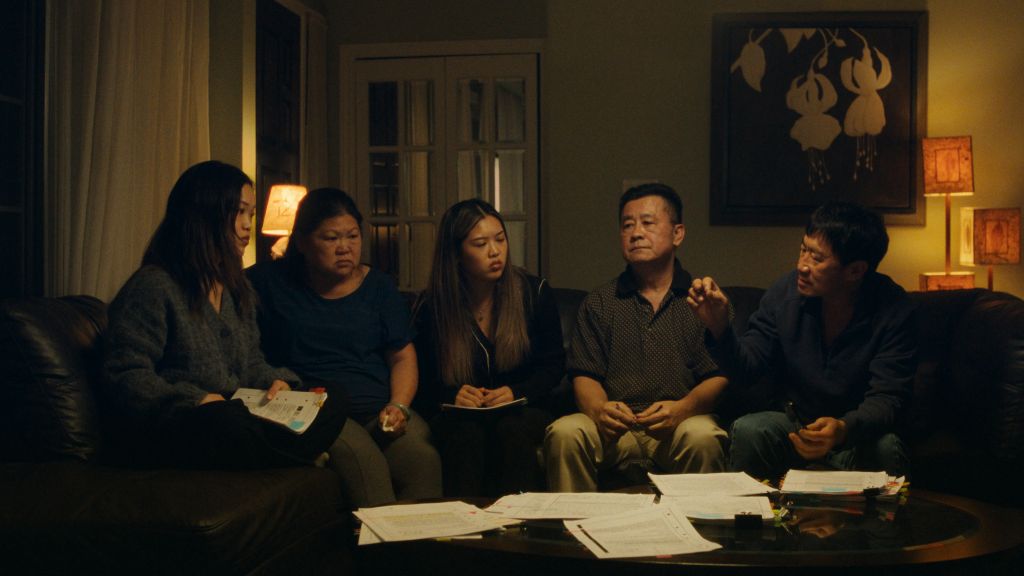
Ba’s Book is one of two TIFF Docs titles by Vietnamese-Canadian filmmakers tracing their family stories, with Carol Nguyễn’s Still Night, Burning House interrogating the history of silence that followed a family tragedy. Although the docs might sound similar superficially, they reflect the radical diversity among the titles.
“That does speak to how you can examine your own personal story in a million different ways, and I feel like that’s what Ashley and Carol did,” adds Boutsalis. “Carol’s film is very heartfelt, melancholy, has a strong mental health element, and examines how moving to a different country and having these issues and language barriers is really difficult. They’re both heart wrenching in different ways, but I really do hope audiences see both of them.” (Subscribe to read more about Ba’s Book and Still Night, Burning House in our upcoming issue.)
Other emerging filmmakers at the festival include Èlia Gasull Balada and Matteo Norzi, making their feature debut and sophomore feature, respectively, as the directors of the terrifically titled The Hummingbird Paints Fragrant Songs. The doc offers a portrait of artist Sara Flores, a member of the Shipibo people of the Peruvian Amazon. Powers notes that the documentary draws upon a decade of collaboration. “Now in her 70s, [Flores’] art has suddenly broken through to an international market, so we see this world of stark differences that she lives in,” explains Powers.
“Back in the Amazon, she and her community are facing this existential battle of illegal logging, and she’ll join members of her community going out to defend that territory. And then the next week she’s being whisked to Paris for a gallery opening of her work where champagne is being served and Dior sought her out to design an exclusive handbag for them. The approach of these filmmakers is very immersive.”
Powers also taps Bleeding Hearts from director Andrew Morgan as another chance to encounter new artists. The film offers a love song of sorts with its portrait of musicians and real-life couple Zella Day and Jesse Woods who form the country act Chaparelle with bandmate/producer Beau Bedford. The band made a splash with their 2025 debut album Western Pleasure. “There’s enough great country music and behind the scenes drama to fill up a story arc of the Nashville TV series in this film,” says Powers. “It’s beautifully shot in black and white. Andrew Morgan uses vintage lenses to create a timeless style. This band was definitely a discovery for me and I’m looking forward to other audiences discovering it.”
Bleeding Hearts reps a strand of music docs in the line-up. Among them is Alexandra Lazarowich’s feature debut Turtle Island Rap, which comes on the heels of her acclaimed shorts Fast Horse and Winding Path. The doc observes Indigenous rappers A$h Da Hunter, Travis Thompson, and Wiidaaseh. “The access that Alex got in Fast Horse is incredible. You felt like you were in those scenes,” observes Boutsalis. “In that same respect, she brings that vérité approach to these young rappers who are trying to make it on the scene.” Boutsalis says the real drama comes in their stories that unfold behind the scenes of the music biz.
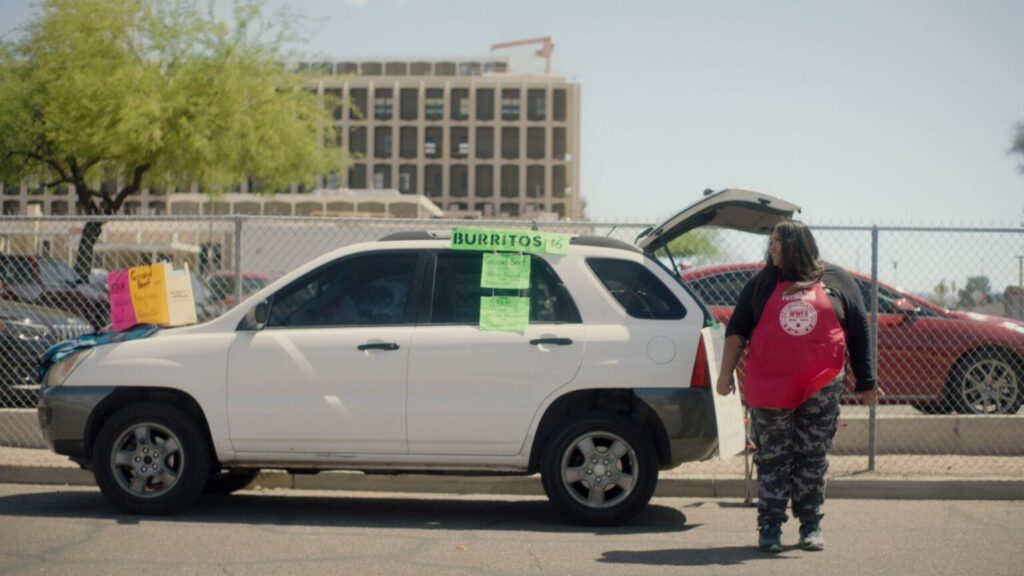
“You’re seeing their anxiety and one of the opening scenes with another rapper is as she’s going with her mother to pick up her father from jail,” explains Boutsalis. “He’s being released from prison. That same respect and sensitivity that [Lazarowich] gave to those subjects in past work is seen here.”
Meanwhile, Gail from Michael Maxxis, who has made many music videos for acts including City and Colour, The Sheepdogs, and Orville Peck, gives audiences a portrait of Our Lady Peace through the eyes of a super fan. “You follow her journey across their Canadian leg of their 30th anniversary tour,” notes Boutsalis. “She’s from New York, so we’re experiencing the band in Canada through her point of view.”
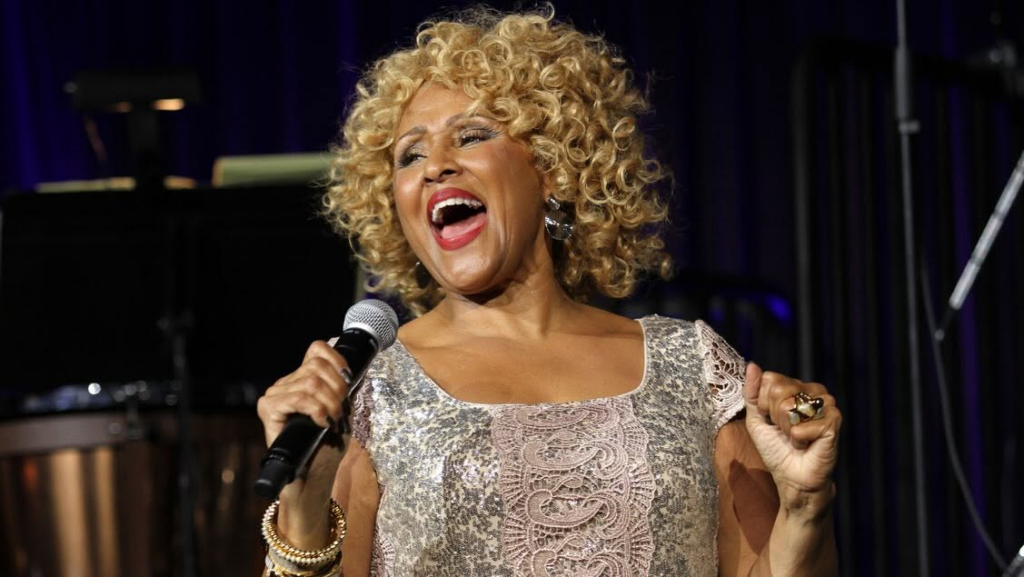
Also on the ticket for music docs is Darlene Love: I Know Where I’ve Been. The film captures the story of the artist who enjoyed a second wind as one of the back-up singers featured in Morgan Neville’s Oscar winner 20 Feet from Stardom. This take from director Barry Avrich (Oscar Peterson: Black + White) covers the scope of Love’s career working with names like Bruce Springsteen, Dionne Warwick, and Cher.
“This is one in a series of music documentaries that we presented by Barry at the festival. This is a very energetic and celebratory and, I think, very crowd-pleasing example of that work he does,” says Anderson. “It highlights his skills when it comes to digging deep with a music subject and finding all the different ways to bring that story to life and celebrate all that music.”
The programmers declined to comment about last year’s controversy with Avrich’s The Road Between Us, which overwhelmed the festival with news of its cancellation and subsequent reinstatement. However, TIFF Docs isn’t shying away from hot topics.
“You can’t predict what an audience response is going to be to a film,” says Powers. “We take a lot of time internally to discuss what we’re doing and the reasons that we’re getting behind films. Ultimately, a film has to stand on its own.”
Controversial subjects, for example, can be found in The Final Act from Quebecois filmmaker Sophie Deraspe. The doc offers a compelling portrait of the controversial end of life debate as Canada undergoes the first years of Medical Assistance in Dying. The Final Act brings Deraspe back to non-fiction after her doc The Amina Profile was followed by the multi-award winning dramas Antigone and Shepherds.
“There’s really such a core intelligence and core humanism about her work regardless of which mode it is,” says Anderson. “The film does a great job of showing how we can have these frameworks for looking at something as fundamental as dying in ways that really serve the subject. It’s not about softening it, but it really is about figuring out a way to look at it as clearly and sensitively as possible.”
The programmers agree that there’s lots for audiences to discuss with docs covering migration (Sine Plambech’s Rescue) and cosmetic surgery (Afsaneh Salari’s Tehran, Under the Skin), among other conversation starters. “I would point to Edward Said: Between Worlds as a film that brings a historical context to contemporary events that are continually making headlines. Or a film like Black Sunflowers, which looks at young people in Ukraine,” says Powers. The docs could cater to fans who connected with past provocative selections like Orwell: 2+2=5 or A Simple Soldier. Black Sunflowers and its portrait of the rave scene adds diverse wartime perspectives to an unfolding story as life in Ukraine finds a way amid Russia’s ongoing invasion.
“It’s not strictly on the front lines, although it sometimes drifts there, but it’s more looking at a youth culture in Ukraine and the way they’re growing up against the backdrop of war,” says Powers.
Meanwhile, docs like Re/Pair from Lacey Schwartz Delgado speak directly to the need for dialogue in divisive times. The film brings notable speakers like W. Kamal Bell and Adam Mansbach to engage with the connections and fractures between Black and Jewish communities. “Re/Pair is exploring how we can talk about hard things and how those dialogues are best managed in face-to-face conversations as opposed to the silos of our social media,” notes Powers. “A film festival is a marvellous way for people to come together and sit in community watching stories that can sometimes be challenging. Sometimes they’re going to be points of view that you never thought of before, or points of view that challenge your own. And to me, that is the vitality of a documentary program: that it’s going to bring you a multiplicity of viewpoints.”
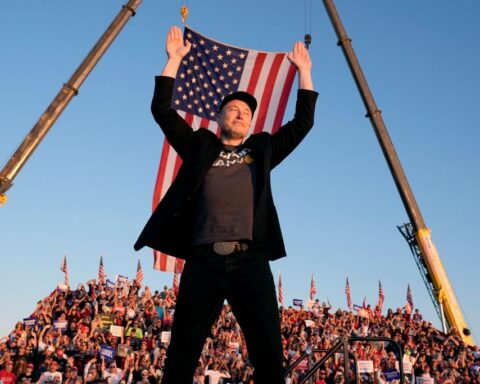
Re/Pair offers an alternative to the echo chamber of social media and audiences can see the inner workings of online chatter in Alex Gibney’s four-hour epic about Twitter tool Elon Musk, who turned a social haven into a cesspool of vitriolic chaos. Musk may easily be the hot doc of the festival circuit and will have its North American premiere at TIFF after touching down in Venice.
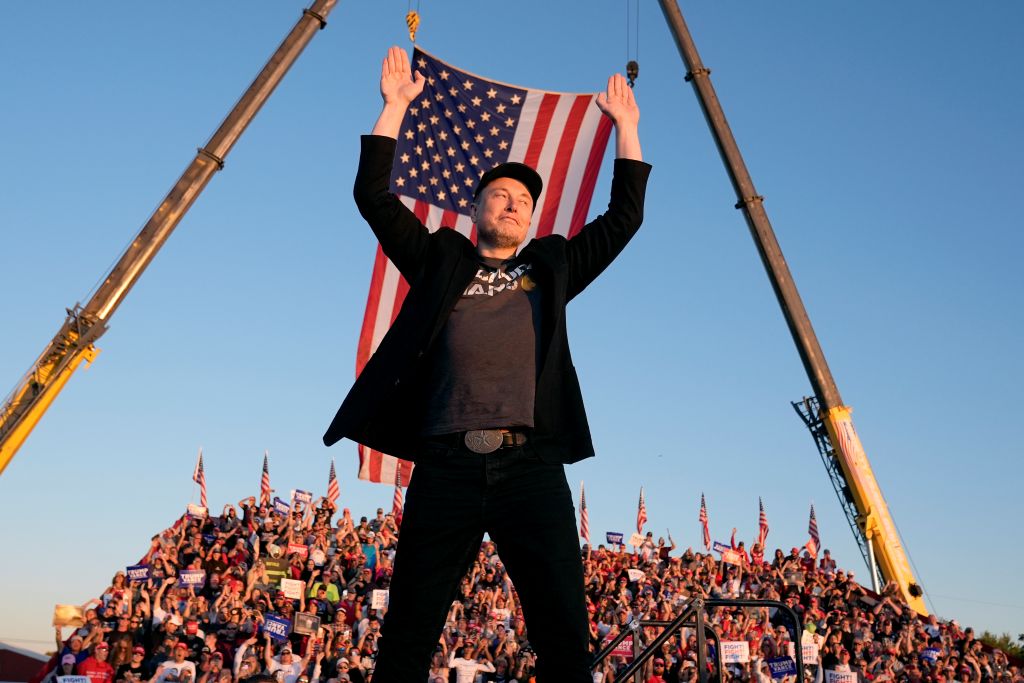
“Alex Gibney is one of our greatest investigative documentary filmmakers taking on subjects over the years, like Scientology in Going Clear or Theranos in the Elizabeth Holmes film [The Inventor: Out for Blood in Silicon Valley]. In Musk, which he’s been working on for nearly four years, against a backdrop of constantly evolving headlines about his main subject, this is arguably his most ambitious work about a figure whose reach extends everywhere these days,” observes Powers. “If there’s any subject that cries out for greater scrutiny today, I would say it’s Elon Musk and that Alex Gibney is the right person for that job.”
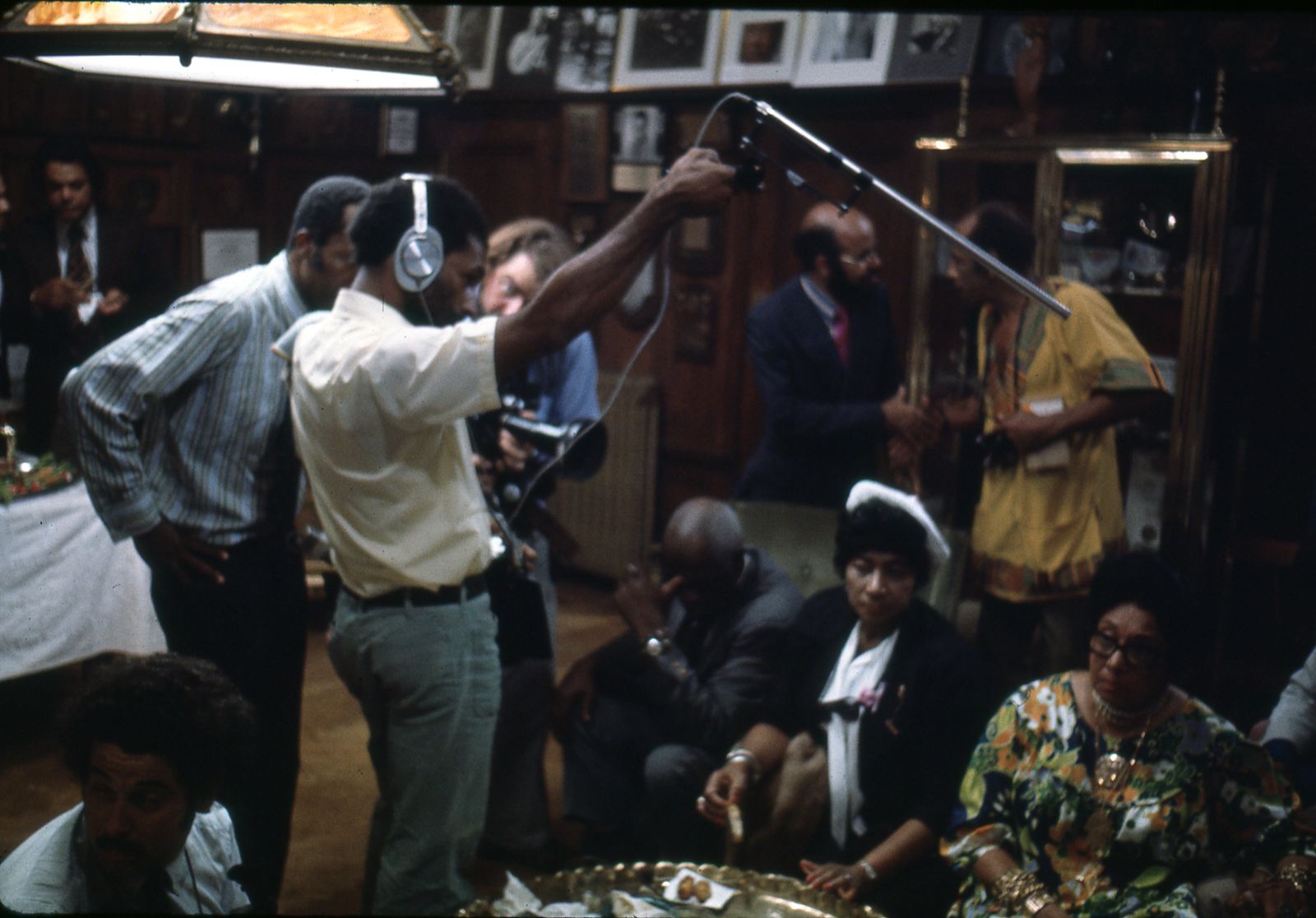
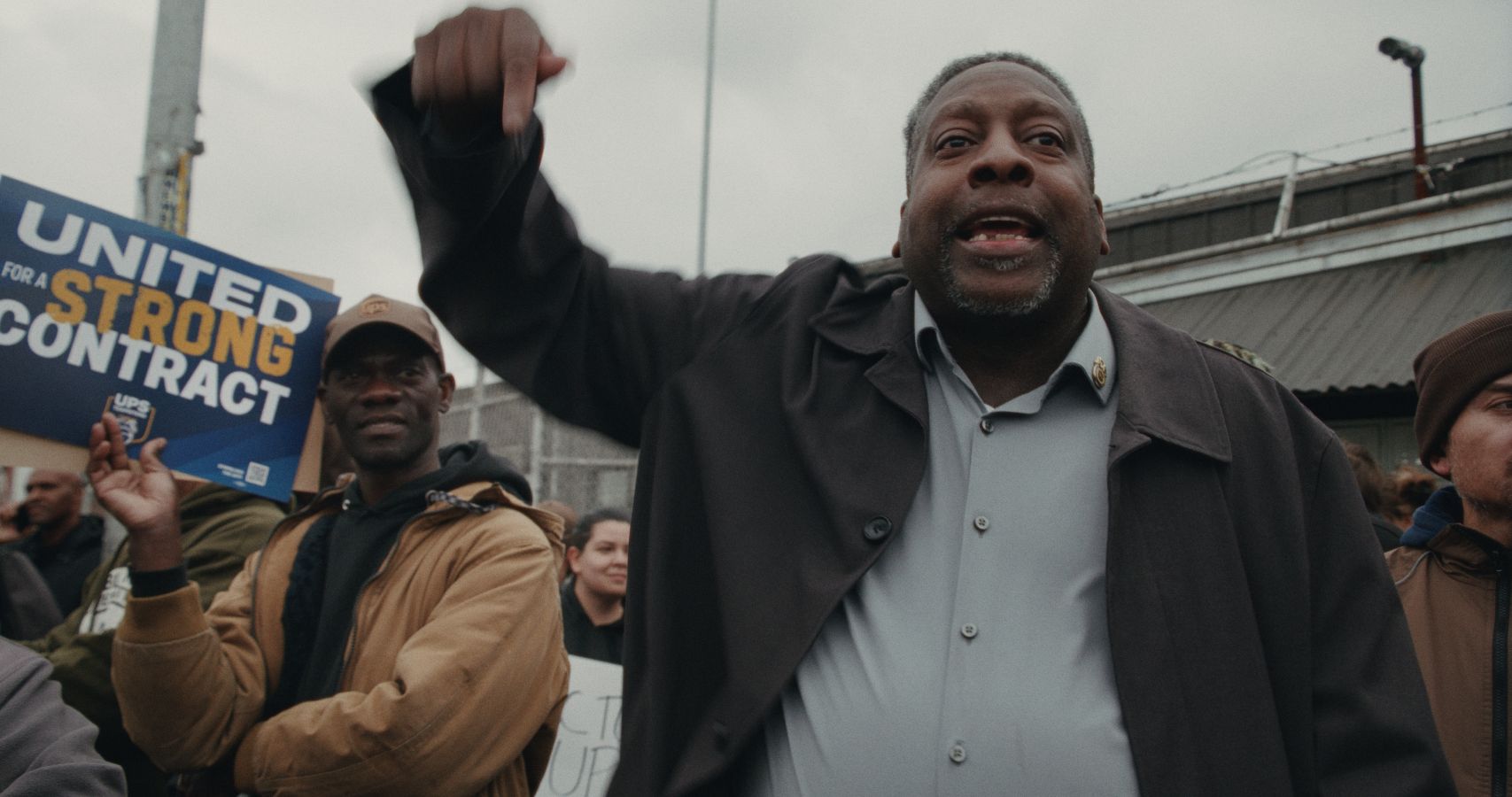
Another titan of documentary joining Gibney in the TIFF Docs line-up is Barbara Kopple, whose Union Town also has its North American premiere in Toronto. The film marks a true event in the documentary slate as Kopple returns to the field of organized labour after her docs Harlan County, USA, which screened at the inaugural Festival of Festivals in 1976, and American Dream (1990). Both films won the Academy Award for Best Documentary. After looking at the fight for labour in Kentucky and Minnesota, Union Town completes a thematic trilogy by observing workers in New York City.
“She’s looking at three efforts at labour organizing in the city. One involving UPS workers, one involving Amazon workers, and one involving the deliveristas who do food delivery for apps like Grubhub and DoorDash,” says Powers. “One of the hallmarks of these three films is the way Barbara evokes the invisible labour that most of us never think about. In Harlan County, it was mine workers, and in American Dream, it was meat packers. And today, it is the delivery people who make up such an important part of our economy.”
Also completing a thematic trilogy is Sophie Fiennes with The Pervert’s Guide to Utopias. (Another great title.) The doc continues her consideration of the wonderful musings of philosopher Slavoj Zizek following The Pervert’s Guide to Cinema (2006) and The Pervert’s Guide to Ideology (2012), both of which screened at the Festival. Powers says that TIFF audiences can enjoy Zizek’s wisdom whether they’re doing a hat trick with the trilogy or beginning it.
“These films are playing off of Zizek’s incredible knowledge of cinema and his lively engagement of thinking about cinema, bringing his own theories and ideas to what’s on screen,” notes Powers. “In this one, some of the films that he’s engaging with include Apocalypse Now, V for Vendetta, the TV series The Handmaid’s Tale. And if you’ve seen the other instalments, you’ll remember that one of the highly entertaining aspects of these films that Sophie finds will recreate a tableau from those films and place Zizek inside it. That’s a facet of this film as well.”
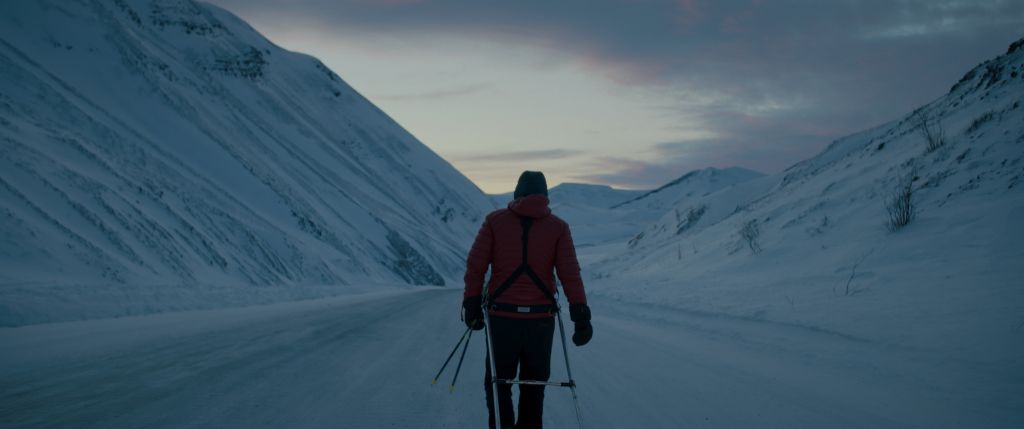
Other vets at the festival displaying a creative twist include Mila Aung-Thwin of Montreal’s EyeSteelFilm. After fostering numerous careers as a producer, he’s back in the director’s seat with The Ultra Runner, a visually awesome portrait of a Romanian marathoner Tiberiu Ușeriu and his epic journey from running in the small yard of a high security prison to the most extreme gauntlets. Anderson points out that the film seamlessly combines conventional documentary elements with dramatic re-enactments as Aung-Thwin recreates Useriu’s days as a youth in the criminal underworld. “This one is pretty staggering. It’s an outstanding work dramatizing key moments in the subject’s history in ways that are just as dramatic and startling as anything you’re going to see in the raw footage of him on the run,” says Anderson.
Moreover, as the festival expands the industry side with the TIFF Market, Anderson cites The Ultra Runner as one of the Canadian titles that could draw particular interest for wider reach. “It is certainly a good example of a Canadian team taking on an international subject,” says Anderson says of the Romanian runner’s quest amid the Yukon roads and northern elements. “It plays to the things that always been about great Canadian cinema—the level of craft and polish and intelligence applied to a project like this one.”
Other docs that should appeal to attendees on either side of the festival include Low Lies the Land from Italian director Emanuele Gerosa and Danish producers Sigrid Dyekjær and Harry Vaughan. The film drinks in the wine economy of Piedmont, Italy as the trade passes between generations. “On the surface, it is like an escapist travel fantasy to the Northern Italy’s wine-making region, but there’s also a slow burn suspense to the story as they follow three families over the course of a year from one pruning season to the next, asking, ‘What exactly is the future of this land?’” says Powers.
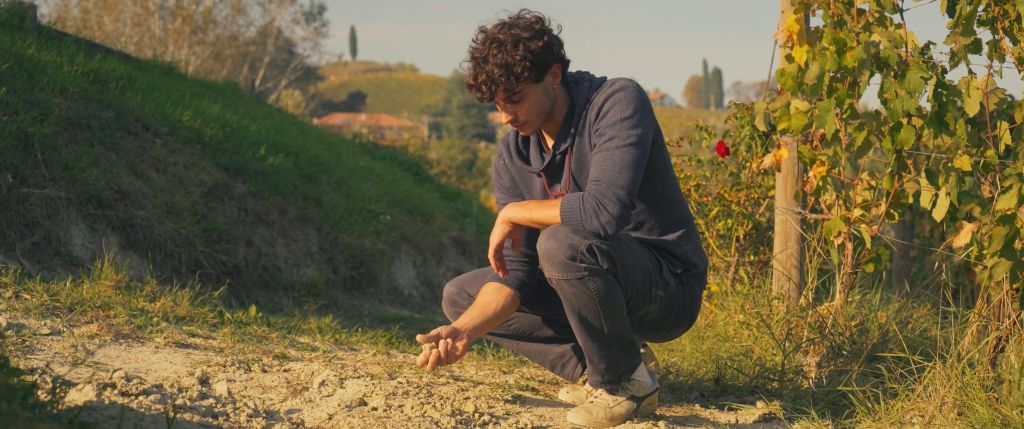
“It shares a lot of qualities both thematically and cinematically with The Tale of Silyan from last year that was also looking at a pivotal moment for a farming landscape or The Truffle Hunters from 2020 that was exploring what is the future of this practice passed down from generation to generation.” Powers also notes the lush widescreen format and evocative score as extra selling points, both of which made The Tale of Silyan a hot acquisition by National Geographic out of last year’s festival. “As you sink into it, you kind of feel your life slowing down. It’s not a world of people checking their phones every five minutes.”
Finally, changes across generations can be seen in Cheyenne, Taimi Arvidson’s portrait of women rodeo riders as they excel in a sport from which they were prohibited for over a century. “We’re following four women who are competing in a sport that teaches you how to take a fall and get back up again,” says Powers. “It also steeps us in a milieu of wide open spaces and these majestic animals that the women are riding. It might share a quality with Low Lies the Land in that it does one of those things that documentary does quite uniquely, which is transport us to a place we might not otherwise experience.”
The full list of films announced for TIFF Docs today is as follows:
Ba’s Book | Ashley Duong | Canada
World Premiere
Black Sunflowers | James Marcus Haney | Ukraine, USA
World Premiere
Bleeding Hearts | Andrew Morgan | USA
World Premiere
Cheyenne | Taimi Arvidson | USA
World Premiere
Darlene Love: I Know Where I’ve Been | Barry Avrich | Canada
World Premiere
Edward Said: Between Worlds | Maiken Baird | USA
World Premiere
Gail | Michael Maxxis | Canada
World Premiere
Like Magic | Melissa Saavedra Gil | Colombia, Argentina, Uruguay
World Premiere
Low Lies The Land | Emanuele Gerosa | Denmark, Italy
World Premiere
Musk | Alex Gibney | USA
North American Premiere
Rapinoe | Rebeca Huntt | United Kingdom, USA
World Premiere
Re/Pair | Lacey Schwartz Delgado | USA
World Premiere
Rescue | Sine Plambech | Denmark, Italy, Germany, Sweden, Iceland
World Premiere
Still Night, Burning House | Carol Nguyen | Canada
World Premiere
Tehran, Under the Skin | Afsaneh Salari | France, Iran, Sweden
World Premiere
The Final Act | Sophie Deraspe | Canada
World Premiere
The Hummingbird Paints Fragrant Songs | Èlia Gasull Balada, Matteo Norzi | Peru, USA, Qatar
World Premiere
The Pervert’s Guide to Utopias | Sophie Fiennes | Ireland, United Kingdom, Slovenia, Netherlands, Norway
North American Premiere
The Ultra Runner | Mila Aung-Thwin | Canada
World Premiere
Turtle Island Rap | Alexandra Lazarowich | Canada
World Premiere
Union Town | Barbara Kopple | USA
North American Premiere