



Tomson Highway: Permanent Astonishment
(Canada, 83 min.)
Dir. Barbara Hager
Prod. Barbara Hager, Peter Raymont
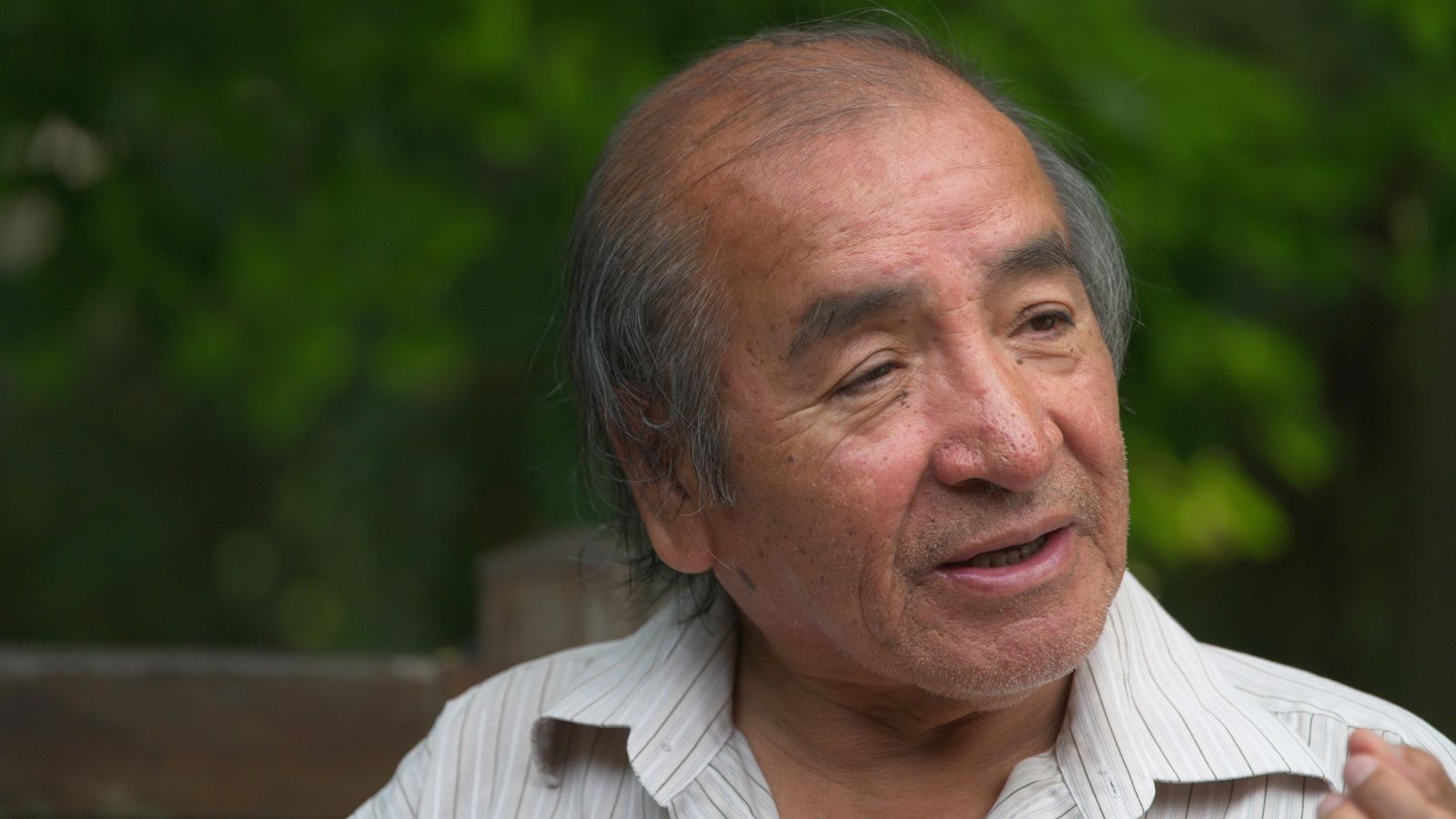
“Every syllable in Cree is a kick in the pants,” laughs playwright Tomson Highway in Permanent Astonishment. The acclaimed writer imparts his way with words that have broken significant terrain for Indigenous arts and literature. Highway gives filmmaker Barbara Hager a tour through his biography, and every yarn in his arsenal carries his signature humour. This easygoing documentary latches onto Highway’s laid-back character for an enjoyable ride.
There’s a leisurely cadence to the account of Highway’s life growing up around Reindeer Lake on the Manitoba/Saskatchewan border. His memories fall more on the Manitoba side near Brochet, but his story evokes an experience of straddling two worlds. He likens it more to a victory celebration, though, as he notes that he was conceived one night following a big win. (Two wins, perhaps.)
On the flipside, Highway speaks at 100 miles per hour and the film doesn’t quite match his pace. Many of his recollections in the vérité sequences are hard to follow, even for a fast-talker like myself. Highway does, however, note that Cree is the swiftest language of them all. Other interviewees cite his characterization of Cree as the sexiest and funniest language, too. Although Highway mostly speaks English in the film, his expressions are frequently funny, sometimes sexy, and consistently speedy. His vernacular converts across tongues, although one best gets a chance to absorb his words when he offers measured readings of his plays and prose in voiceover, or in cases where subtitles translate his spoken Cree and the words linger a little longer.
Perhaps it’s just a nature of Highway’s storytelling, too, that one yearns to hang upon his every word. Highway has a way of personifying things he discusses. Lakes can easily be mistaken for human characters in his stories. He affords elements of the natural world vivid characterizations that connote deep respect.
This way of speaking lends the lengthy first act about his upbringing an effective preamble to the discussions of his literary works. The film simmers like a good moose stew to communicate the flavours of his community that inform plays like The Rez Sisters (1986) and Dry Lips Oughta Move to Kapuskasing (1989). He gives captivating and engaging characterizations of growing up around Reindeer Lake where his parents might sit side by side, yet be provinces apart. There are warm and affectionate memories about fishing and living on the peaceful lake. Beautiful animation offers visual counterparts to Highway’s vivid descriptions. The film frequently pauses as participants take in their surroundings, echoing Highway’s own effort to marvel at the world around him, although the shots sometimes linger a little awkwardly as if participants are caught in a daze while the camera pans around them.
Just as crystal clear as the image he paints of the lake are his memories of growing up with his late brother, René. Like Tomson, René had electric creative impulses and went on to become a dancer and performer. Highway speaks fondly of his father, Joe, a hunter and “manly man” who nurtured his artistic sons when their passions leaned towards the more supposedly feminine side. These currents of masculine/feminine, and the powers of breaking free from the norm, echo in Highway’s dramatic works. His gender-swapping of the Trickster figures in The Rez Sisters and Dry Lips, for example, speak to the ways in which a Two-Spirit lens informs his drama, but also opens it up to new creative possibilities.
Permanent Astonishment conveys Highway’s enduring awe with the world as it settles its focus on three of his plays. Hager looks at Highway’s breakthrough drama The Rez Sisters and Dry Lips Oughta Move to Kapuskasing, both of which drew swift acclaim and continue to be stages decades later. Many of the players from those plays appear in the documentary, including Gloria Miguel and Gary Farmer. Both actors give insightful interviews. They reflect upon working with Highway and Indigenous ensembles to bring stories of First Nations experiences and histories to stage. Farmer captures the longevity of Highway’s work and his impact in Canada, as the playwright’s signature humour injected audiences with the medicine they needed to hear.
Most of the dramatic focus, however, favours Highway’s obscure musical Rose, which he wrote in 1992 and first staged in 1999. But film tells how Rose only received its first professional staging in 2026 at the National Arts Centre in Ottawa. Permanent Astonishment explores the factors that account for the huge gap between scripting and staging. Highway and company illuminate the complexity of bringing such an ambitious musical to the theatre when his own work generally marks the genesis of Indigenous drama in Canada.
Behind the scenes shots show workshops in Banff as Highway invites an all-Indigenous cast to test out and taste the words of his script. Archival snippets share musical performances of Rose songs as years go by. But the gestation period largely underscores the long road to nurturing, building, and developing the Indigenous theatre scene. Highway’s story speaks to the importance of inviting people along for the journey, rather than hitting the milestones and destinations alone. He proves that Cree may be the fastest language, but knowing when to hit the brakes can give the words a little more weight.
Tomson Highway: Permanent Astonishment screens at TIFF Lightbox on Nov. 11.
Please check your local listings for additional festivals, event screenings, and broadcast dates.