


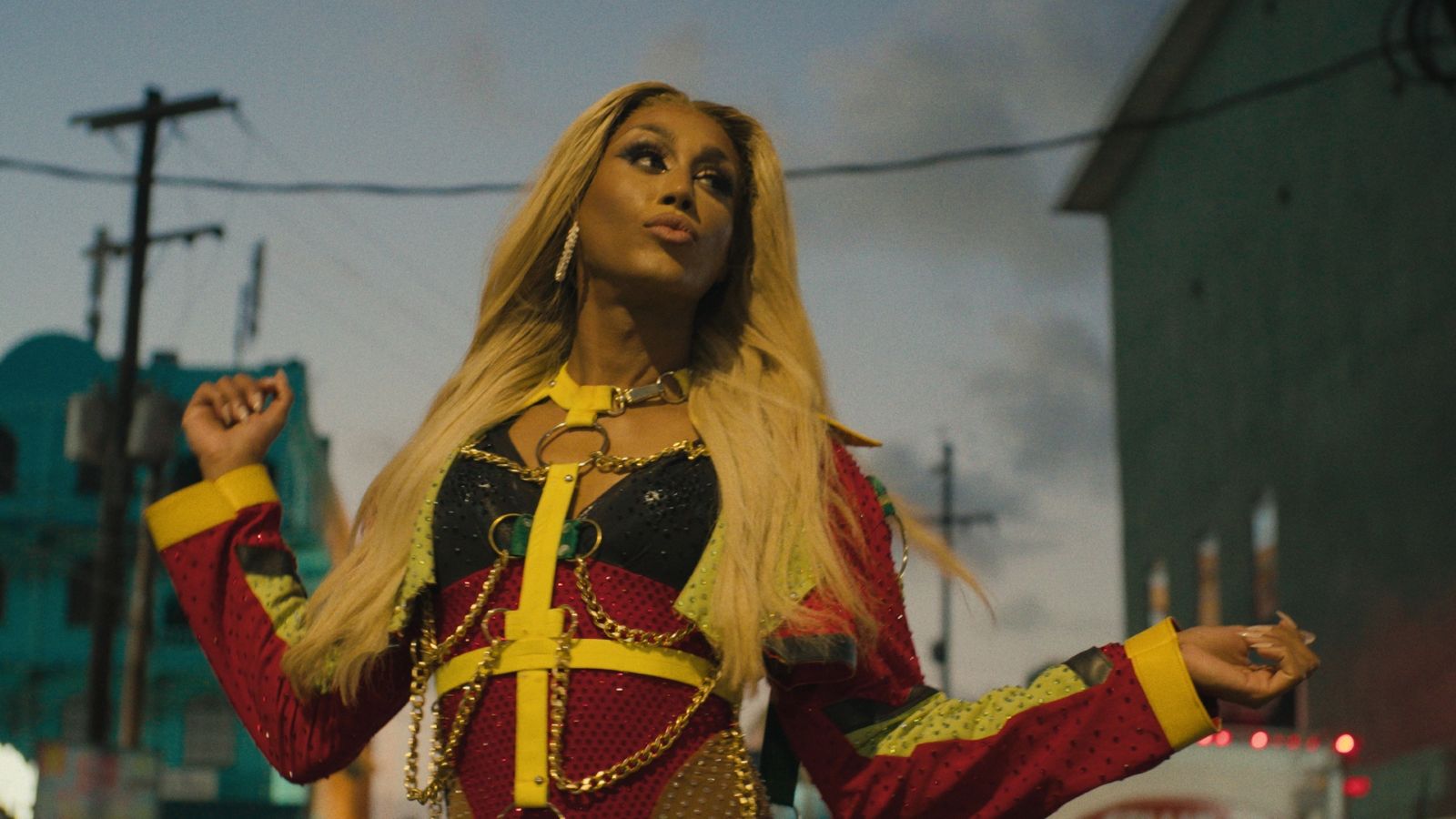

Many audiences worldwide first met Priyanka as she answered her now-iconic catchphrase, “What’s my name?” However, the first winner of Canada’s Drag Race has flipped that line from a playful query to a fun and feisty exclamation.
Priyanka! What’s My Name? invites Canada’s drag superstar to get serious for a moment. The documentary, directed by Simon Paluck, follows Priyanka as she embarks on a whirlwind rise to global stardom after being crowned Canada’s Drag Race’s inaugural winner. She’s doing shows, releasing albums, and cutting music videos, but also landing huge gigs, like a season with HBO’s acclaimed unscripted series We’re Here, which follows a trio of drag performers as they visit small towns across the U.S.A. and champion queer visibility in the face of vitriolic backlash.
That pace and responsibility weighs on a person. Priyanka wipes off the makeup and sits before the camera anew as Mark Suknanan, the Whitby native who got his start as a high-energy kids’ television host on YTV. Suknanan reflects upon growing up as the child of immigrant parents and finding outlets to express queer joy as a kid growing up in the GTA. But he also considers a confusing rise to fame, as YTV gave him a chance to let loose as his screen personality Suki before embarking upon a journey as a drag queen and famously giving up his position at YTV to make a gamble with Canada’s Drag Race. With all the success of discovering himself as Suki and then as Priyanka, the documentary explores how Mark needed a chance to surface.
“I like showing duality,” Priyanka tells POV, speaking in full drag at the CBC. “Drag is something we’re doing, but I’m not in drag all the time.”
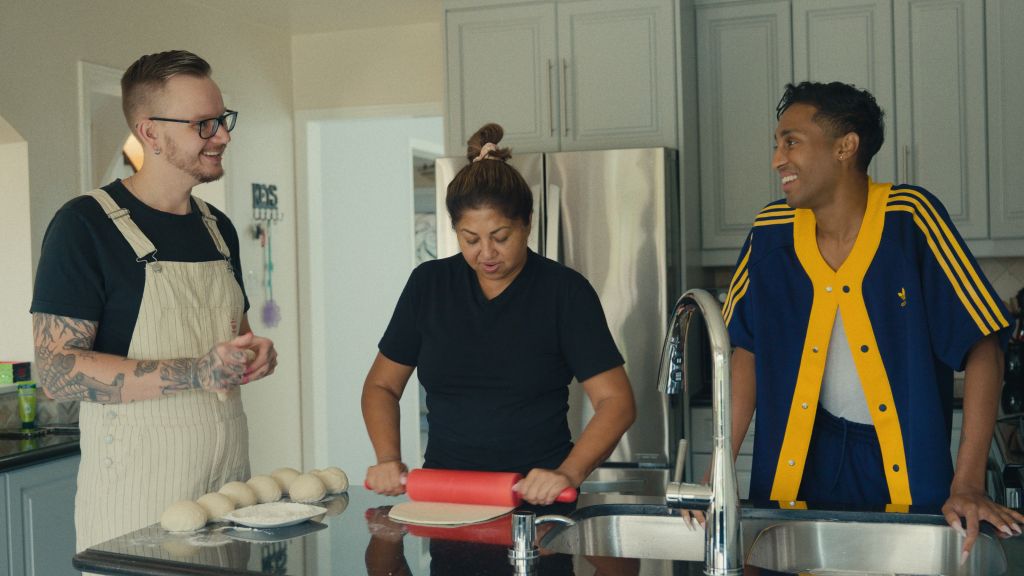
What’s My Name? observes Priyanka as she invites her family into her drag world, particularly her father, who has long been reluctant to engage with Mark’s other half. The documentary takes a cue from We’re Here and follows Priyanka to her parents’ native Guyana. This time, however, Priyanka’s family is the makeover subject, so to speak. Mrs. Suknanan cautions Mark and his husband to refrain from holding hands and visibly expressing themselves as a queer couple in Guyana. However, Priyanka proves that she isn’t one to back down from such a challenge. She dons full drag and struts confidently, if cautiously, through the crowded markets to invite folks to the show. There are obvious double-takes and side-eyes, but the reception overall surprises, especially when it comes to the family’s perspective.
The film hits home when Paluck shows how the increasingly polarized climate affects the lives and relationships of LGBTQ+ people. Suknanan reflects upon past friendships in a confessional interview, particularly looking back at his relationship with former YTV co-host Meisha Watson, who proved an early ally when he came out and then started doing drag. , but she then declined an invitation to his wedding citing religious beliefs. That revelation leads to a cold moment where the dynamics of documentary filmmaking, participants’ consent, and contemporary candour collide. Walter’s honesty gives a frank reality check about the challenges that queer people navigate daily. But that’s just another day in the life of Mark and Priyanka alike. It’s a personal illustration of why pushing for visibility matters.
POV spoke with Priyanka ahead of the release of What’s My Name? on CBC Gem and as the queen embarks on her Small Town Girl drag tour across Canadian towns.
POV: We’ve seen you on TV before in Canada’s Drag Race, We’re Here, and other shows. What was something that you wanted to say through the documentary that you haven’t been able to explore or confront through your different iterations as a TV personality?
Priyanka: I think talking to people on a lower vibration was my favourite part about doing the documentary—how I would talk to my friends and how I would talk to my partner. It wasn’t this big master plan of me being like, “They’re going to see the real me.” I just thought, “Okay, great, documentary—have fun!” But I wasn’t realizing the vulnerability and the more chill version of me that they can see. When people think of me, it’s chaotic and loud and fun, which is a big part of me. But it was nice to connect as a normal human being to people, not just crazy, wacky drag queen or kids TV host.
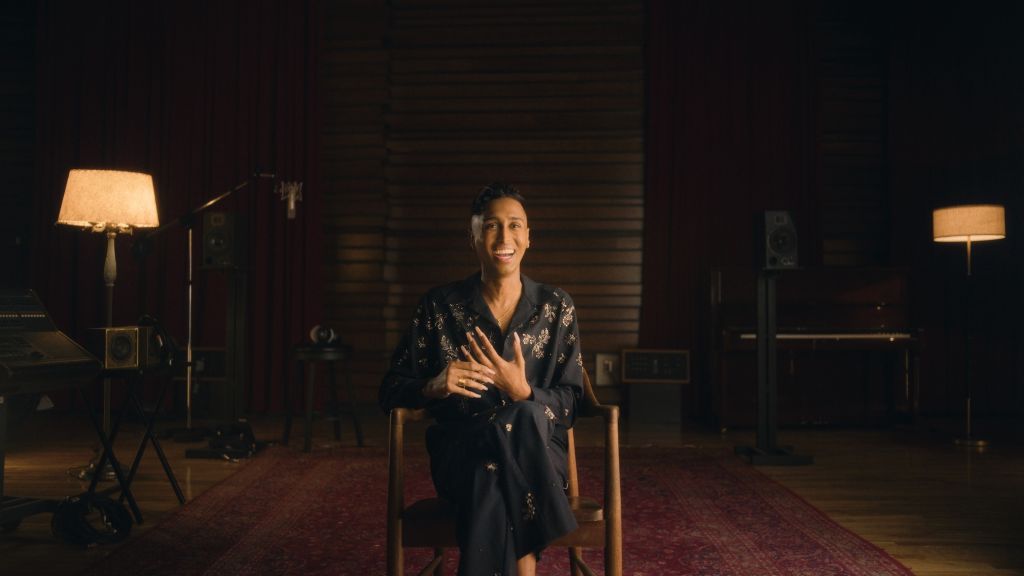
POV: How did you and Simon decide to do the main interview as Mark versus as Priyanka?
Priyanka: That was his call. He wanted to have people be more connected to the human of me. And I agreed. When I was on Canada’s Drag Race, everyone was very like, “You’re the narrator of the season! You’re the narrator of the season!” [The “narrator” being a cast member whose confessions generally spill the most tea and get the most airtime.] That was out of drag. For people to see me without all the makeup and hair on is a more natural way to connect.
POV: Your story with drag feels like the flip side of the act of passing that so many queer people do before they’re out. You got to be visibly glamorous and fun in your drag persona as Priyanka, but throughout the documentary you talk about finding Mark beneath Priyanka and navigating yourself after having so many different personalities on TV. How do you relate to that dynamic of passing and self-discovery?
Priyanka: I found so much success in being somebody else. Being Suki at YTV, being Priyanka, that catapulted me to fame. Drag in general has made me more confident as a person. Even before Drag Race, I was like, “Wow, you could be so fearless and do whatever you want. I love drag.” But it’s definitely tough for me personally because every day is so different. It’s hard to say a blanket statement, “Because of this I’m more confident now.” There are some days where I can go out and I feel so confident in myself to take up space as a queer person in every single room. And there are times where I just want to put my hands in my pockets because I have nails on. I think that’s the more normal experience than just being one thing.
It’s hard to always be consistently fearless because we’re human and we have fear. But I also noticed in this industry that nobody takes me seriously unless I kick and scream. So that’s also tough too because that requires me to be fearless.
POV: How has being in the judge’s seat helped you see the role of drag queens in the industry?
Priyanka: My main goal when I won Canada’s Drag Race was to share the platform. So I put all the contestants from my season in my music videos. I started Drag Brunch Saved My Life and then booked local queens and focused on them in the show. So I think that drag, as an industry for me and how it’s entered the mainstream media, it’s always important to nurture. What can I give these queens and kings to show that they can also be movie stars, they can also be singers and they can also do the thing because it’s hard? We’re carving space that no one has carved before, especially in Canada, too.
As a judge, it was nice to be able to talk about perspective and artist flow and getting out of your head—more of the actual day-to-day things versus, “Your outfit’s ugly.” I was happy that I was able to offer that to people because the way that we judge and the things that people see do speak to the bigger conversation of drag in the industry.
POV: The documentary has a We’re Here vibe in the sense that the show was going to different smaller towns and emphasizing queer visibility, you’re going to Guyana and, in this case, you’re essentially the “makeover” and it’s your family’s story. What role did We’re Here have in the preparation for that journey?
Priyanka: I would say doing We’re Here with Sasha Velour specifically—she made me more fearless because I have this, not so much anymore, but back then 2023, just the fear of saying something wrong. As a drag queen, being a political leader is kind of put on you because of your presence is just political. And so when I would talk to her about it, she’s like, “No, your lived experience is enough.” Doing We’re Here made me feel more comfortable to throw myself in spaces where you typically wouldn’t have drag, which is like Guyana. And I’m so grateful for it. Then when you go there, you’re really in the weeds in the community to help and carve space. It taught me more about community.
POV: What about in terms of the relationship with your family? During the first season of Drag Race, you talked about how your dad hadn’t seen you perform. Even as you began filming this documentary, he hadn’t, so how has that journey with your dad been?
Priyanka: It’s a very weird journey because it’s so up and down. He’s never been angry at it. He’s never been verbally uncomfortable; he hasn’t said much. The weird part about uncovering this whole storyline with my dad and what it means to be a queer kid and all that to a Caribbean parent, a lot of the people who have the same experience of immigrant parents will be like, “Oh yeah, your dad was just quiet. That makes so much sense.” You never know what he’s feeling.
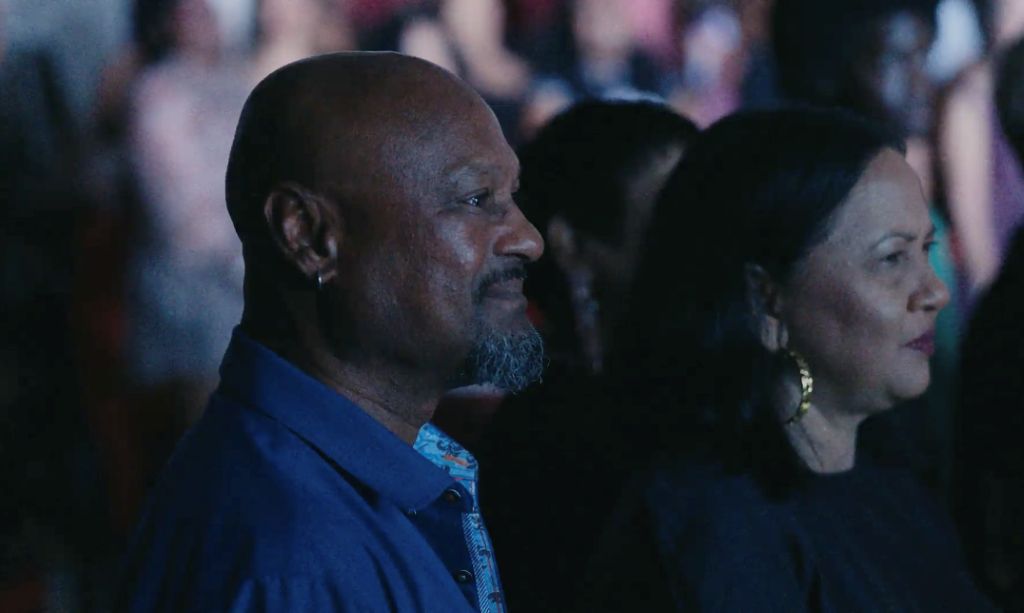
Having my dad do the interviews and say all those words, I never knew that. He never said any of that to me. It’s an interesting because now our relationship is great. But he’s still not just the type of dad that gets close to his kids. He’s not calling me and be like, “Hey, how’s your day?” My mom’s like that. It was a big learning lesson in understanding the personality and communication styles of parents because parents aren’t one thing.
POV: How are your brothers in terms of their attitude towards drag? They’re great personalities in the documentary, but the parents get the face time.
Priyanka: They’ve all seen me in drag. They all came to the finale when I won. Mike, my second brother, has kids, so his kids always want to come to see the show. I find that they’re not uncomfortable with it. They just think it’s normal now because they know me so well. They’re kind of like, “Whatever!” They never flinched when I told them I was starting drag. They didn’t really care, which is so nice.
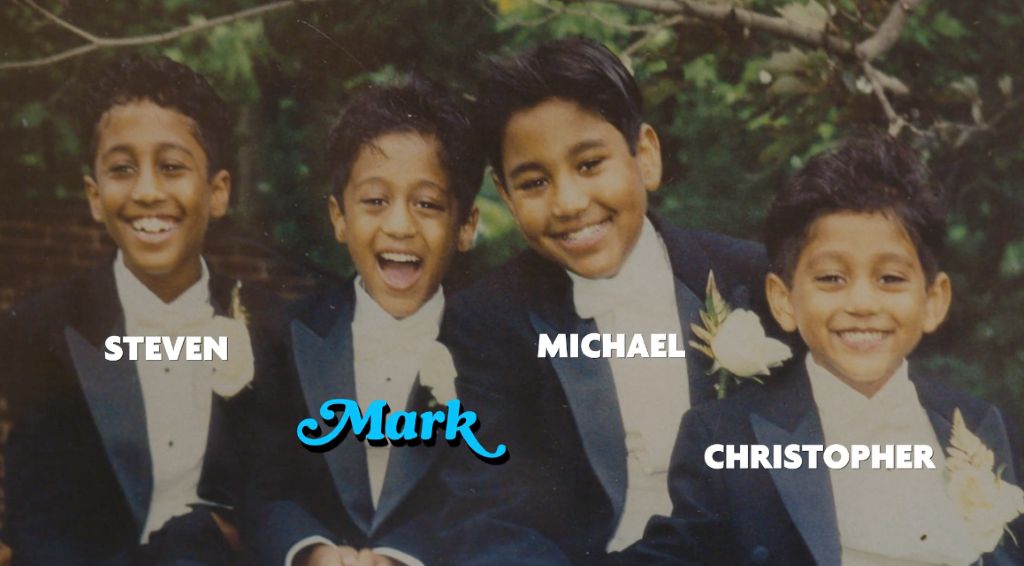
POV: In the film, you talk about getting ready to move to L.A., but had to take a pause for your mental health. That’s an interesting thing to happen while you’re making a documentary or right before, so why sort of step in front of the camera when you’re in such a vulnerable place?
Priyanka: We were making the documentary before that was happening. The doc was meant to really show hard work and being queer, going to Guyana. That was always something I wanted to do with this doc. But then while all that was happening, my personal life started to take a turn. That I wasn’t giving any time for myself. I was just like, “Go, go, go. The next thing, the next thing, the next thing. What’s next? What’s next? What’s next?” Then it just hit me like, damn.
That’s what I learned about documentaries too: I’m so used to producing TV that they followed me along for four years. That’s crazy. I didn’t want to necessarily have that be a part of it because I didn’t think that was important, but then it ended up just being a big part of it because that’s the human experience. You do all these things and one year goes by and you’re like, “Shit, I really mentally shat the bed this year.” I had to pause for a second because I was still doing forward facing things, but behind the scenes I was going through it.
POV: I understand that you and Simon, the director, were friends going into this project. Do you think you could have done this film with a stranger?
Priyanka: Initially hired a different director. In the middle of it, when we went to Guyana, I said, “This director’s not right. We need someone who could understand the chaos of my life.” I’ve known Simon since I was 18 and I was like, “He directs documentaries. Let me call him.” It was the perfect fit because he was able to get past all the Priyanka stuff. He didn’t care because he saw me as Mark. He was at the birthday party when the drag queen said, “Who thinks Mark should do drag?”
POV: So you really go back?
Priyanka: Exactly. He’s been in my life for over 15 years, so he knows me as Mark. It was such an easy place for him to create from because he’s seen me throughout this whole journey. He was able to point out what was important, which was my human experience versus the accolades. I was very clear that I didn’t want this to feel like a demo real. It needed to be real. He was like, “Abso-fuckin-lutely.”
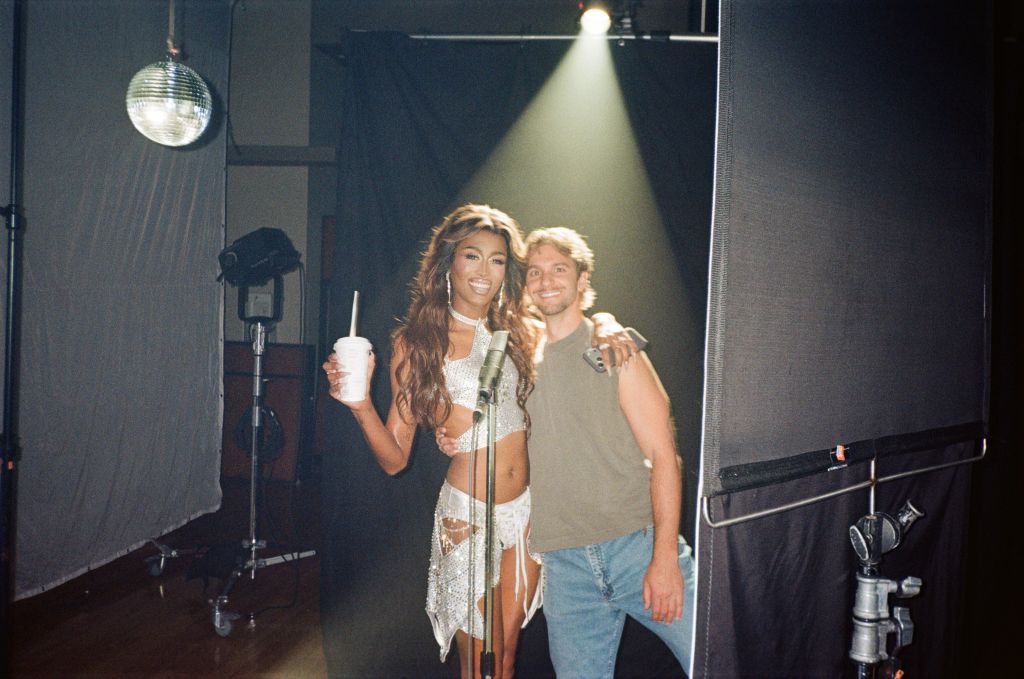
POV: The film really hits an emotional spot when you try to engage with your former YTV host and friend Meisha Watson about whether she’ll participate after she doesn’t come to your wedding (citing religious beliefs). She holds off and then sends a really cold voice note. How do you feel about that message she left you now that you’ve had more time to sit and process it?
Priyanka: I think it’s still the most confusing thing in my life. It was so weird to talk to her because that’s my sister. We got along. When I called her to be like, “Hey, we’re going to do this doc. You’re going to be in it. Just so you know…” I’m very transparent with her. We caught it for a second and then we both realized we’re not really friends. I asked her and she had many conversations with Simon. When she put the hard line and was like, “I don’t want to be a part of it,” that’s when I was like, “I’m just letting you know I’m going to be talking about you helping me out before drag in our YTV days.” Then that’s when she sent the voice note. It was whiplash because [she] was like, “I’m a villain—ha, ha—but also I want you to share it with the people because they need to hear the story.” I was like, “What are you talking about?”
POV: It’s a weird dynamic.
Priyanka: It would be easier if you just said no. Hello! But I’m happy that she’s living in her truth now in terms of how she abandoned her queer friend and now she believes in what she believes. And I’m going to share the story because that happens more often than we think.
POV: When you visit Guyana and did We’re Here, those show how we got a lot of representations on TV about the challenges that LGBTQ communities have outside of Canada, but we haven’t had too many similar takes on what people around the country experience. They’re generally more positive. How has your experience been about Canada as a safe space for drag?
Priyanka: I think Canada is one of the safer places for drag. My relationship with the media industry, like CBC and Crave and Bell, everybody is open arms. I’m everywhere. I can just say, “Hey, I’m Priyanka.” I don’t have to say, “I’m Priyanka, I’m from Drag Race.” It’s very clear that I’m part of the circle, which is so nice having worked in TV my whole life.
With this small town tour I’m going on and selling tickets for drag shows in small towns, I’m noticing some specific markets are just slow. Everyone’s scared. I’m trying to be like, “Don’t worry, I’ll come to you.” Some smaller towns might not be ready for that. I think we are safe. There is a blanket attitude that Canada’s fine, but I think we have a lot of work to do.
POV: And I want to end on a note of hard journalism, so I have to ask: A big breakthrough for your first season was the lip sync for Céline Dion’s “I Drove All Night.” How did you feel when Global All Stars repeated that? I was like, “The betrayal!”
Priyanka. Yeah, hello. [Laughs.] I definitely think that they didn’t even think of it at the time. But I still get tagged in this posts like, “This one’s the best one! This one’s the superior.” I still watch that lip sync and I’m like, “I can’t believe that was me.”
POV: Who would’ve won that lip-sync if you were in there on Global All Stars?
Priyanka: I would’ve mopped anybody in that lip sync. My performance in that lip sync is one of my favourite performances ever because I was just so connected to the lyrics. It was very clear I knew what I was singing, “I drove all night to make love to you,” versus just kicking and splitting the whole time, which I still did, but on the beat of the song.