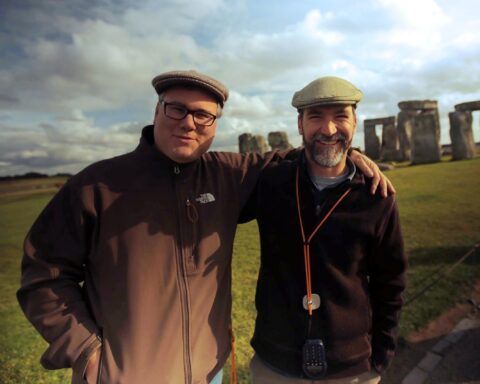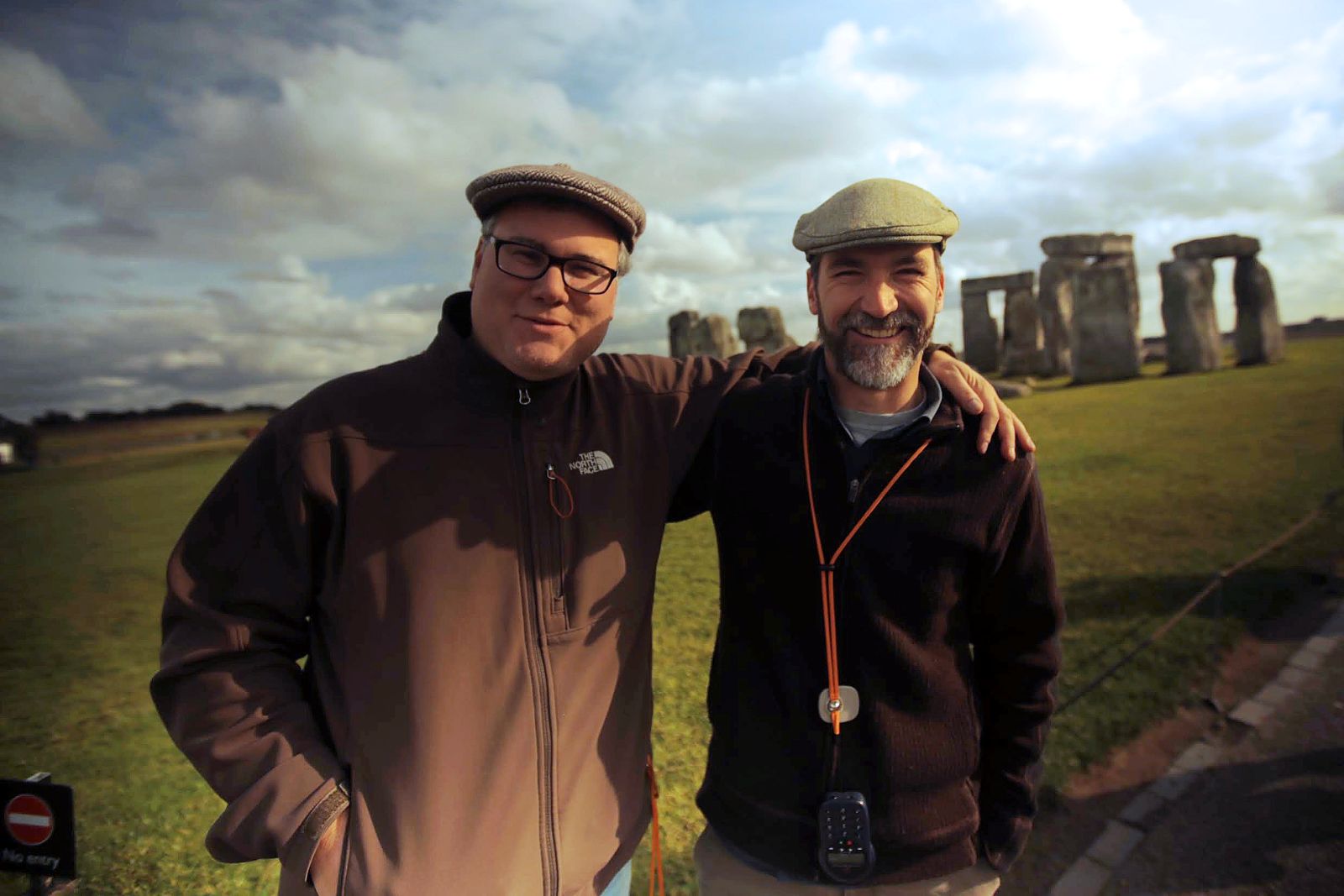



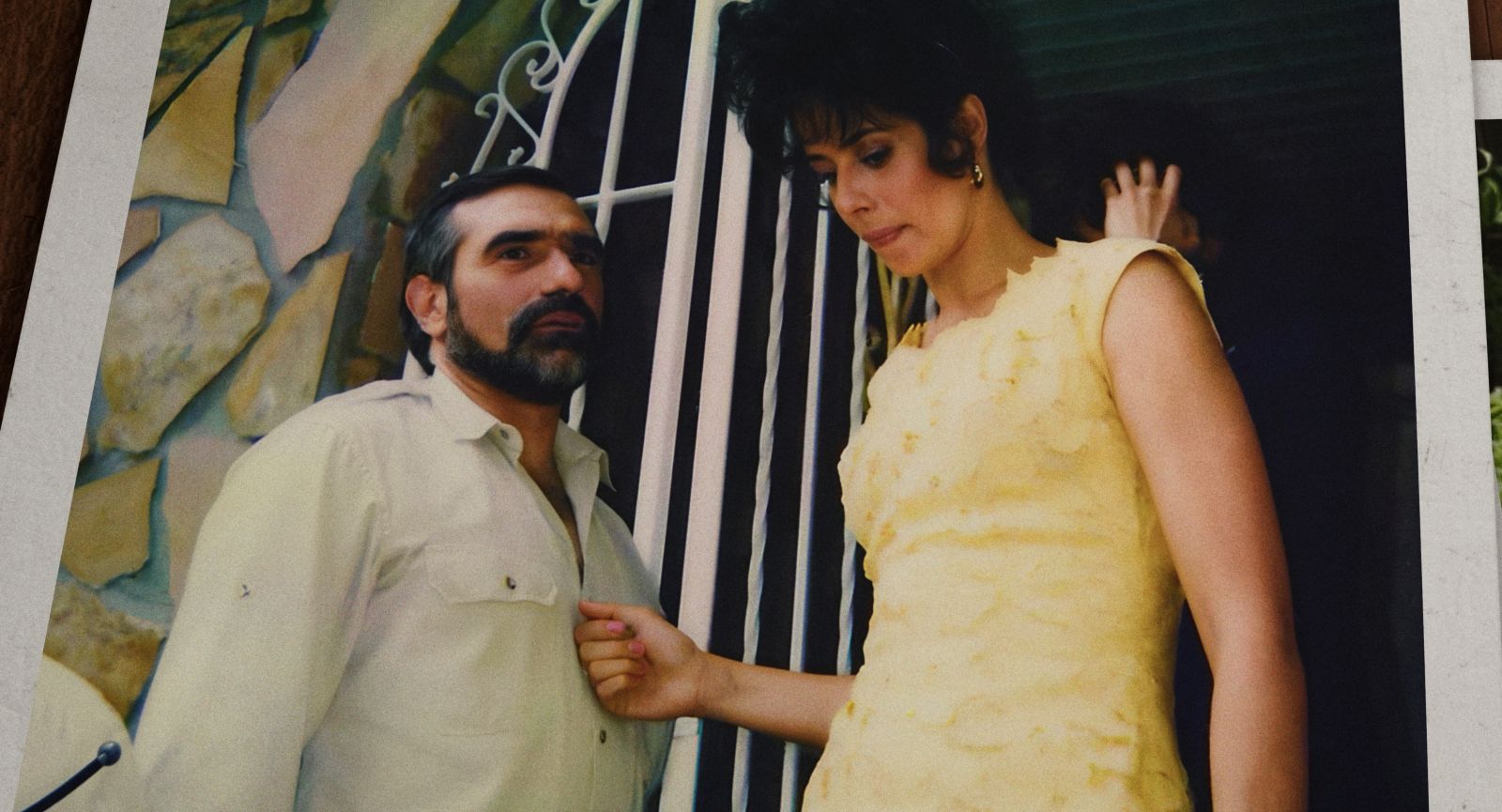

“My biggest worry was that it was going to ruin my love for the film because these films take it out of us,” says As Far Back As I Can Remember: The Story of Goodfellas director Ashley Pugh. “It took six years, and sometimes as indie filmmakers, you’re dragging yourself through some pretty tough times.”
“I haven’t had any PTSD from it,” agrees director Lisa Downs. “Sometimes you need to decompress from the film a little bit and then come back, but if you put it on now, I would watch Goodfellas.”
Downs and Pugh, speaking with POV following the Canadian premiere of As Far Back As I Can Remember at the Windsor International Film Festival, make the fourth feature entry in their Life After Movies series with an expansive portrait of Martin Scorsese’s 1990 mob classic Goodfellas. The documentary follows their trilogy of nostalgia dives that began with Life After Flash (2017) about Flash Gordon (1980), Life After the Navigator (2020) about Disney’s The Navigator (1984), and Life After the NeverEnding Story (2024) about the titular 1984 fantasy fable. The duo admits that immersing themselves so fully in the world of Goodfellas doesn’t dull their love for the movie. Pugh notes that he watched it on the plane over from London, and the filmmakers say that speaking with so many creatives who had a hand in the production only adds to their appreciation for the story about Henry Hill and his violently glamourous lifestyle.
As Far Back As I Can Remember shows audiences that there’s no small role in making a movie. The film invites many surviving players from Scorsese’s film to revisit Goodfellas’ production and to explore why some films endure within the cultural legacy while others fall into obscurity.
Participants include screenwriter Nicholas Pileggi, star Lorraine Bracco (who received WIFF’s Spotlight Award this year), and producer Irwin Winkler, along with actors like Samuel L. Jackson, Debi Mazar, and Illeana Douglas who scored some of their first roles with Goodfellas. But the juicier stories often come from the people that audiences don’t usually hear from, like assistant director Joe Reidy, prop master Robert Griffon, Steadicam operator Larry McConkey, production designer Kristi Zea, and still photographer Barry Wetcher. Their perspectives offer nuggets for cinephiles to nerd out on as one learns how it takes a literal mob to make a movie with such scale, ambition, and an eye for detail. As Far Back As I Can Remember imparts why some movies like Goodfellas are so endlessly rewatchable.
POV spoke with Lisa Downs and Ashley Pugh following the Canadian premiere of As Far Back As I Can Remember at the Windsor International Film Festival.
POV: Pat Mullen
LD: Lisa Downs
AP: Ashley Pugh
This interview has been edited for brevity and clarity.
POV: How do you begin to narrativize the movie and the story of the film?
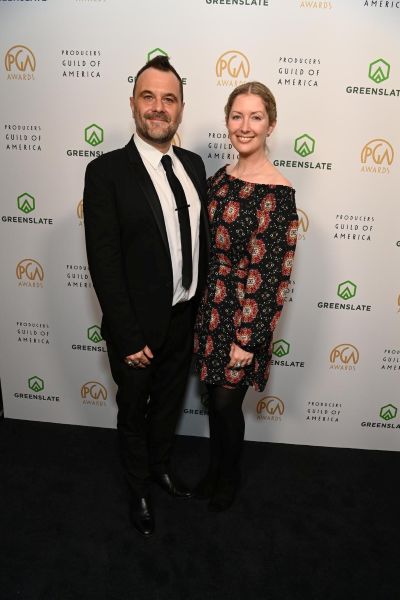
LD: The best place is to start with Flash Gordon because that was the first one and that shaped how we chose to do the others. When we first reached out to Sam [Jones], who plays Flash, the idea was to do a story on him. I knew him from Flash, we had just seen Ted, and I was curious how did this icon from this incredible classic film was not really seen much until Ted. We started off as a biographical documentary, and then because the crux of what happened in his life started on the set of Flash Gordon, he said, “You should talk to Brian Blessed. You need to talk to Melody Anderson. You need to talk to…” When we started interviewing them, we were like, “There’s some really great stories about the actual making of Flash Gordon that we’ve never heard of.” That was when we chose to interweave “making of” because I find them fascinating.
I love bonus features, I love behind-the-scenes, so we interweave that with biographical stories. We continued that with Flight of the Navigator and The NeverEnding Story was more biographical of the two lead actors. And then we thought with Goodfellas, because it’s such an ensemble cast, even though we did focus on Chris a little more because he was our first contact, we interviewed so many people and we always have the same themes: We want to look at music, we want to look at the legacy.
AP: We want to look at cultural impact as well. I think the main thing for us is we didn’t want to make “making of” documentaries. These always need to be more than a bonus feature. We wanted to incorporate biography, like Lisa was saying. That’s one of the hardest things in the edit: We’ve got this story of the making of it. We’ve got this story of peoples’ biographies. And we’ve got this story of the cultural fandom. How do we weave all of that together? And in this case, we have the real story of Henry Hill as well. There’s many layers and the hardest bit in the edit is to keep it entertaining and move between the different biorhythms of the stories.
POV: When you have a film as great as Goodfellas, how do you edit Thelma Schoonmaker? How do you go through the process of, say, editing the Copacabana sequence to show a great scene, but also give it the proper beats with the interviews and showing the magic of how it was made?
LD: It was a daunting undertaking. You want to honour the film and you don’t want to disappoint fans. It’s just a process of doing one thing at a time. You have your six-hour edit and then you take a scene like the Copa and make slight tweaks.
AP: It was originally half an hour just on that scene because Larry McConkey talked for two and a half hours nonstop. We were just soaking it up because he’s amazing. But it’s a difficult process to edit without losing the essence of the story. People love that shot, and normally you hear a couple of comments about it, but to get the guy who was actually planning the Steadicam shot and doing it and the A.D. who was setting up with all his A.D. teams, it was a fascinating process.
LD: But there were certain cues that I quite enjoyed pulling from Goodfellas, which definitely helped. Obviously when you’re talking about the car, you can come in with “Layla” and when you’re talking about Bob, cutting into “Sunshine of Your Love.” We tried to use those moments in the film to help us tell the story. But, I mean, you can never compare to Thelma. You almost have to remove yourself from what they achieved and go, “We’ve got everything in the timeline. Let’s do the best we can.” You feel when edits work.
POV: Do you remember when you first saw Goodfellas and how it struck you that it was doing something bigger than other movies?
AP: Mine was my renting it at the VHS store. I think I was about 16 or 17 and I didn’t know anything about it. A friend recommended it and I watched it and then had to watch it again. I watched it four or five times with that “weekend hire” when you get your weekend VHS and take it back Monday morning. It took me on a journey that I’ve not been on before. I didn’t know this world; didn’t know the gangster world. It seemed glamorous and you felt like you were in the car with them just riding along. It just always transports me to the goodfellas’ world whenever I watch it. I drop straight into that. As a result, I became really into Scorsese’s movies, went back and watched all his previous ones and then everything that’s come out I’ve absorbed.
LD: I was seven when it first came out, so I was still awaiting my love of ’90s high school films. Once I moved through that period—I still love them—I feel like I had seen Goodfellas before I met Ash, but it was when we saw it on the cinema screen for his birthday present that I really took it in and appreciated it. [During the Q&A at the screening the night before, Lisa told a story about taking Ashley to see Goodfellas in a theatre as a birthday gift early in their relationship.] Martin Scorsese is an iconic director and I had seen a lot of his other films, but I didn’t really get into that whole gangster world. I hadn’t really seen Casino or The Godfather.
AP: I dragged her in and educated her.
POV: What have you learned about filmmaking from looking at all these different movies in such depth?
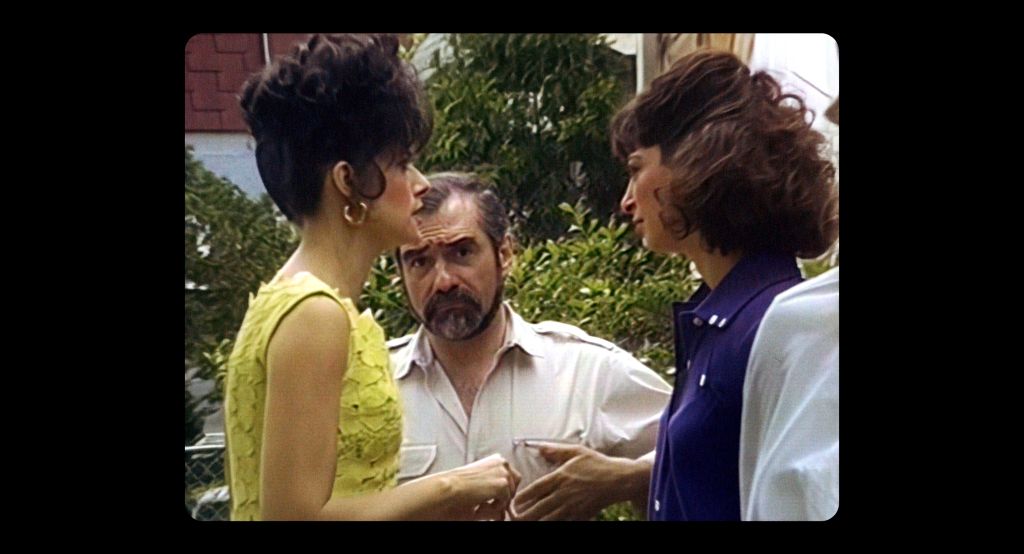
AP: One of the things from Goodfellas was how [Scorsese] and Ballhaus moved a camera. It’s so easy these days with stabilized gimbals and cameras and tiny things, but back then they were putting a huge lump of camera on tracks and moving, but still it looks effortless. The cinematography was probably the thing I took most away from on this film.
LD: It’s also been interesting to hear that every production has issues. Everyone works so hard, 18 hours a day. They’re running out of money. They have daily stresses, even the Scorsese productions. It makes you feel a little better knowing that even some of the top productions are still going through it, but everyone’s doing it because they want to create the final product.
AP: And it wasn’t even that successful when it came out, Goodfellas. It disappointed at the box office. It was really the resurgence of it through VHS rentals that it found its marketplace, which I think happens a lot today with films [on streaming]. But you would imagine that that would have been a slam dunk: Everybody’s in it, Scorsese, it’s an amazing film—blows the box office. Even at that level, it’s not a foregone conclusion.
LD: So, lesson: everyone has a hard time.
POV: It was interesting hearing the stories about the amount of work I might attribute to someone else, even in the Copacabana scene. Things that I would assume were Scorsese directions are actually the Steadicam operator being like, “Ray, slow down so we can take this corner better.” The film shows the inter-departmental synergy and how important that is, which I think you can really take for granted. And then during the Q&A, Kristi Zea was talking about having walls that pulled back to facilitate the movement, and then all the extras running inside from outside where the shot began. Can you talk a bit more about the effort to include so many of the below the line talents that we usually don’t hear from?
LD: Especially with Goodfellas, we were like, “We know that there is a lot out there on Goodfellas,” and rightly so. It’s always Scorsese, De Niro, Joe Pesci, but there are so many more people involved in the film and so many stories that haven’t been heard because no one interviews these people. And Bobby the props guy, I found him to be the most interesting interview. I’ve never heard him speak before, but he had all these stories that no one heard, and it is such a collaborative process.
AP: And Joe Reidy, I mean, he’s the guy. He’s Scorsese’s guy. He’s been running the set for Scorsese for years and years. These people have got the time to give you a two-hour interview, whereas it’s very difficult to get the time with other people. They’ve been on set every day at the bleeding edge of it.
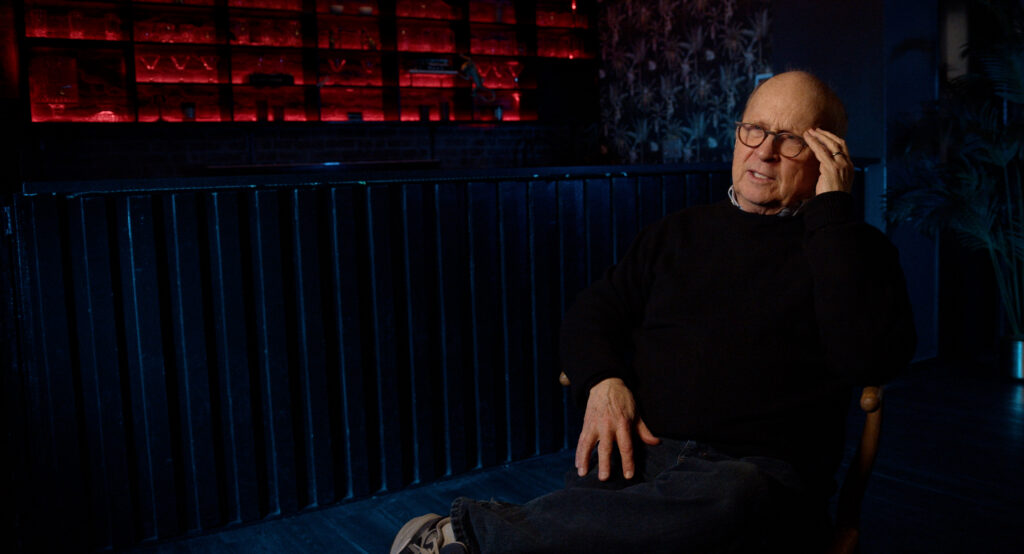
LD: And they love talking about it. We were actually talking to Kristi [Zea] yesterday. There was another Scorsese project, a book that had come out, and she said, “They should have interviewed me. I could have commented on this story that is in the book.” Everyone who’s worked on Goodfellas loves the film and they want to celebrate it, and they’re just as proud as the Scorseses and the De Niros. It means a lot that they can share their stories too. A film is 20 people, 90 people, 200 people all working together really hard to make this project, so we want to celebrate everyone that came together to make the film what it is, obviously under Scorsese’s vision, but everyone is so talented and you’ve got Oscar winners…
AP: When you go into a film like this, you have to accept that you’re not going to get everyone. But for us, we always try, but there’ll be a point at which we say, “We will only take this film on if we can have these people in it.” You don’t want to be the guys making a film about something and not having –
LD: We couldn’t have made Flash without Sam.
AP: With this one, as we were building up people, we achieved critical mass. When Lorraine came on board, it was like, “Right, now we’ve got enough to really push this.” And then we started just slotting everybody else in and it snowballed, which was great. That’s the first question we get: Who else is in it?
LD: Debi [Mazar] said yes because we had just got Lorraine. She said, “Oh, I’m so glad I saw Lorraine because I thought it was just going to be the men of Goodfellas.”
AP: And Kristi bought all that archive from the art department that we had in there. Everybody was like, “Well, I’ve got these images I can send you.” Yeah, it’s been really, really rewarding from that perspective.
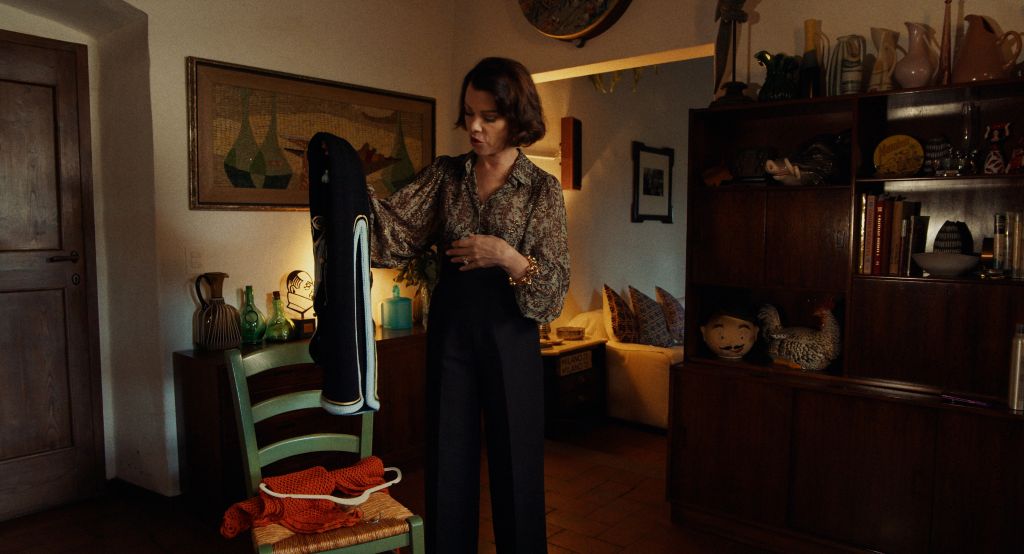
POV: Who was your favourite interview?
LD: I loved Debi’s interview because we got to go to Florence and she was so lovely. It was this incredible 11th century Tuscan villa, and she’s so iconic, so I really enjoyed meeting her. But then Samuel Jackson’s so iconic too. That was a good lesson in learning how to control nerves in an interview.
POV: Did Debi Mazar cook for you? I have her cookbook.
LD: I have her cookbook too! I haven’t tried it though.
POV: I love her sausage and Chianti risotto. That’s a go-to.
LD: Part of my tradition is bringing people my homemade fudge when they say yes to an interview. That was intimidating because I was like, “You can have this fudge, but I know that you’re an incredible cook.” So then I got her cookbook and it looked amazing.
AP: Joe Reidy for me was one of my favourites because he’s the most celebrated assistant director, I think, of all time. When you go on IMDb and just look at his credit list, it’s just absolutely extraordinary. But also he just came in and said, “You get however long you want.”
LD: He’s the common denominator: Every time I talked to someone when, either we were doing a reunion lunch or inviting people here or there, everyone said, “Is Joe Reidy coming? Is Joe Reidy coming?” He made an impact on so many people in that film, which was really special to hear.
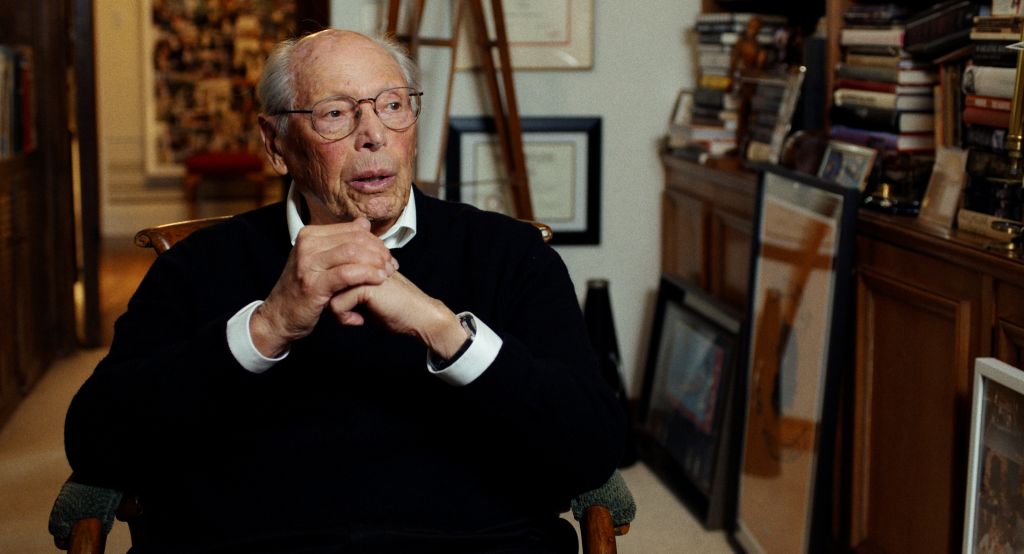
POV: You guys are currently working on a documentary about Irwin Winkler, who produced Goodfellas. I hadn’t seen I Play Rocky until it screened here at WIFF, and it was fun to watch two Irwin Winkler stories one day after another. Have you seen it?
LD: We loved it. Did you see Irwin in it? It’s a little short but sweet cameo.
POV: I did! How did you find I Play Rocky captured Irwin Winkler compared to what you saw while interviewing him?
AP: Irwin’s a much more serious person from our dealings with him. Whereas P.J. [Byrne] played it quite big. He was brilliant though. He was great. But we interviewed P.J. about it all, we also had the first time they met. We filmed when they were coming together, so it was quite a meta-moment. But it was a lovely film to watch because everybody was almost cheering at the end of it. And to know we’re filming Irwin talking about this, it’s very meta.
LD: But it was funny because one of the interviews that we did with Irwin, I was like, “Do you raise your voice? Do you get stressed?” He is the most chill person. Very calm. I guess that calmness and that problem-solver attitude wouldn’t have made a very exciting film. If P.J. was like, “Well, here’s the solution,” and everyone goes “yay” at the end, that wouldn’t be exciting, but it was interesting to see the dramatized version of Irwin.
AP: He’s 92 and has six decades of filmmaking behind him, so I think he just loves what he does and it keeps him tip-top. It’s a fascinating project and we’re really looking forward to it. We’ve had so many yeses from A+ list celebs.
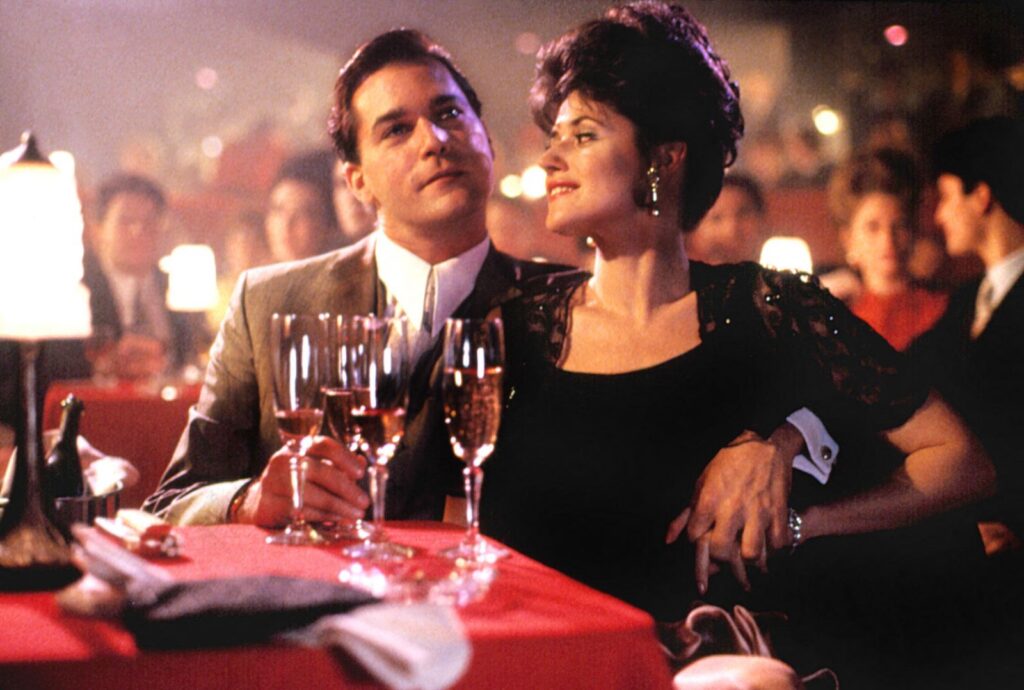
POV: I like how some of the same comments the Winkler character makes in I Play Rocky come up again in the Goodfellas doc, like the whole thing about “He’s not a name. We need a name.” You see how some dynamics of Hollywood have carried throughout the decades. As you’ve been going in depth on the movies, what is the biggest change you’ve noticed in the way movies are made?
AP: I think how they’re exhibited seems to be it: the birth of streaming. And I think what we’re seeing certainly over the last few months is a real resurgence of theatrical viewing. I think with Nolan’s Odyssey and a lot of the big IMAX pushes, things like Digger, even though it didn’t do particularly well, is another big movie. We’ve been seeing lots of films in theatres as part of the festival run and it’s made me want to only view movies with an audience again. Whilst we’ve been at WIFF, we’ve sat in some great films.
LD: The biggest change for me has been seeing how streaming has affected it. I don’t think it’s ever going to go back to packed cinemas the way it was, but I think people now will do event cinema where they’re like, “Let’s make an evening of this and go and see something rather than just churning through Netflix.”
There’s also been a slight shift in terms of how indie films are distributed and that whole process. Obviously, there’s more content because it’s more accessible to make films, but there’s also then more sales agents and distributors who may not have the best interest and they’re preying on exhausted filmmakers. It feels like something in the indie film world is changing now with new companies popping up to try and be more fair to filmmakers. They actually have the filmmakers’ interests. Hopefully this shift will allow indie filmmakers to have a more reliable and safer way to distribute their films.
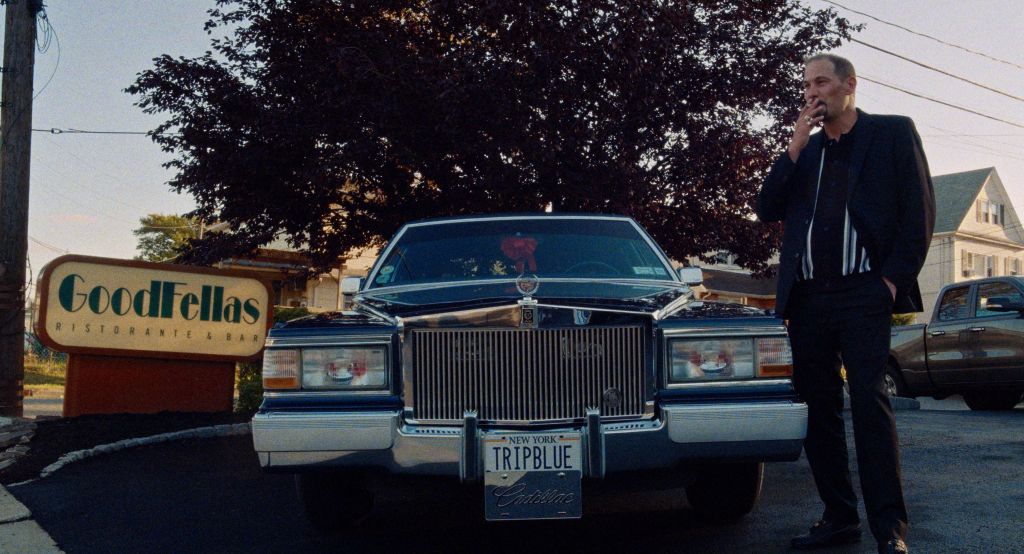
POV: I wanted to ask a bit more about for Chris Serrone becoming a set of eyes that we see the film through. Can you talk a bit more about developing his arc?
LD: Originally in the vein of all our films having a more biographical narrative of someone, Chris was the first person that we had connected with because we had a mutual contact. Then we had a Zoom and we thought maybe he is a great point of view to have as the more biographical element. But then the more people we interviewed, it became such a celebration of Goodfellas and it would have broken it up too much if suddenly you’re seeing Chris at his home with his family in Colorado. But we still used him because he’s so wonderful and entrepreneurial. He’s always doing those dinners. [Goodfellas themed/tribute dinners.] He’s always doing appearances, so we had more opportunities to go out and film with him. You’re always thinking, “How can I take this film beyond just talking heads? How can I get out and have more actuality?” So then we spent more time with him in a Paisan Con, which was a remarkable convention. [It’s a fan event devoted to Italian culture.]
AP: The thing that’s interesting for me is: Here’s this guy who was in the first 20 minutes of a film 36 years ago and it’s still his whole life. He loves it as much now and he can talk about it as much, but this moment in time changed his life. It changed his life completely. We’ve got very long interviews with him. He was up for loads of roles that he didn’t get afterwards.
LD: It was always Christian Bale, Chris O’Donnell, Christian Slater.
AP: The three Chris’s he calls it. So it was the four Chris’s. He will always have this iconic role as young Henry and he celebrates it as opposed to feeling jaded. He adds in the film that his wife says he’ll always get a beer bought for him, so it’s an interesting story that a film can provide a whole revenue stream and lifestyle for him now.
POV: I just assumed I had seen him in more films and after watching the documentary, I went down an IMDb rabbit hole and realized that he was actually only in a handful of movies.
AP: It was similar with Sam and Flash Gordon. It’s different story, but Sam essentially was about to become the biggest star in Hollywood and then decided he wanted more money from Dino De Laurentiis because Christopher Reeve said to him, “You should be getting paid more.” And Dino just went, “You’re finished in this town.” He was basically in the Hollywood wilderness for the next 30 years and had to have a whole new career as a security specialist. And then Ted came up and then all of a sudden the world of Comicons exploded around that time. Before that, a lot of these guys didn’t have that income stream, but now these mob cons, Comicons, people want to celebrate it and they can earn a good living. It’s like a pension, I guess, that keeps on giving.
POV: As you’ve immersed yourself in pop culture with the Life After movies, what do you think is driving that nostalgia boom?
AP: The world’s falling apart.
LD: I’m sure it feels like we’re always 20 years ahead of nostalgia, so kids from the ’80s are now old enough to be able to celebrate nostalgia. There’s social media so you’re more aware of people celebrating nostalgia. They’re in positions now that they can be making shows about their nostalgia. Whereas if you had someone in the ’70s reminiscing about their time in the ’50s, there was no real way that they could embrace it other than talking to a friend or picking up a landline. I think there’s always a nostalgia. It’s just it hasn’t been able to be widespread.
Everyone’s always nostalgic for their childhood. We’re probably at that weird time now that we are losing a lot of what made it special, like video stores and physical media. No one’s going to be nostalgic for the cloud in 20 years.
LD: Lisa’s business card says Chief Nostalgist. That’s her title.