



Martin Scorsese may arguably be the most beloved and revered living filmmaker. His body of work is without equal. Dramatic titles like Taxi Driver (1976), Raging Bull (1980), GoodFellas (1990), The Departed (2006), and The Irishman (2019) demonstrate a master of visual storytelling. Those are only a handful of titles in Scorsese’s contribution to cinema over decades. A comprehensive documentary about his oeuvre is therefore long overdue.
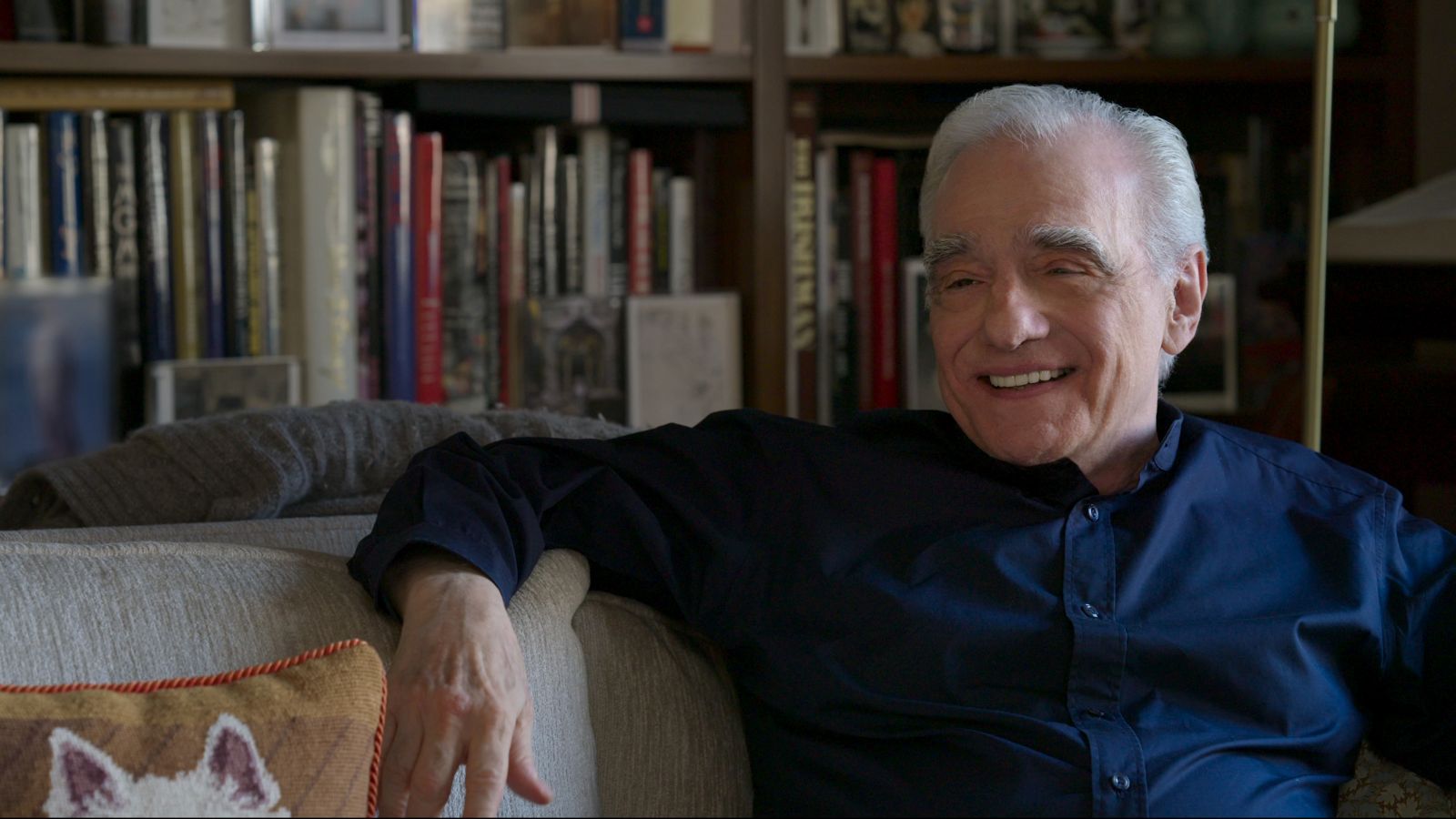
Filmmaker Rebecca Millers gives a respectful, if conventional, portrait of Scorsese’s artistry and legacy in the five-part doc series Mr. Scorsese. Scorsese’s interview alone offers a master class in filmmaking. Miller admirably gets insightful perspective from collaborators like Robert De Niro, Leonardo DiCaprio, Sharon Stone, Nicholas Pileggi, and most notably Thelma Schoonmaker. But the series glaringly ignores a significant chunk of Scorsese’s output: his documentaries.
In fairness, Mr. Scorsese spends a bit of time on Scorsese’s most famous documentary, The Last Waltz (1978). But the time that Miller devotes to Scorsese’s documentary about The Band’s final concert largely furthers a story arc that covers Marty’s coke addiction, workaholism, and madcap pace. Miller gets a terrific conversation with the late Robbie Robertson in what must be one of his final interviews. The rocker tells all about the dizzying logistics of the documentary and how Scorsese juggled moving parts and different projects while capturing footage for a film that endures among the most beloved music docs. However, Scorsese’s documentary output doesn’t receive further airtime until the fifth and final episode. All it gets is a passing reference to his 2011 George Harrison documentary and some calming Buddhist energy.
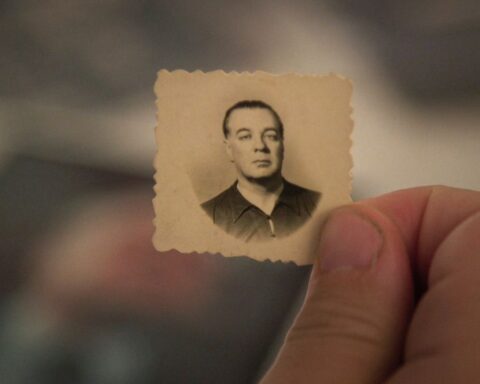
Watch all five hours of this otherwise enjoyable and frequently enlightening documentary, though, and one wouldn’t get any grasp of Scorsese’s contribution to non-fiction film. Documentaries like American Boy: A Profile of – Steven Prince (1978) and My Voyage to Italy (1999) could easily further the perspectives about the filmmaker’s Italian-American upbringing to which Miller devotes the whole first episode. The absence of his epic My Voyage to Italy feels particularly odd given its expansive consideration of Italian cinema that inspired him. The series devotes more airtime to childhood pneumonia—obviously a factor in the filmmaker’s love for movies, but somewhat disappointing since this credit in the Scorsese canon easily ties together numerous facets of his career: his contribution to film history, preservation, and education in addition to being a master filmmaker.
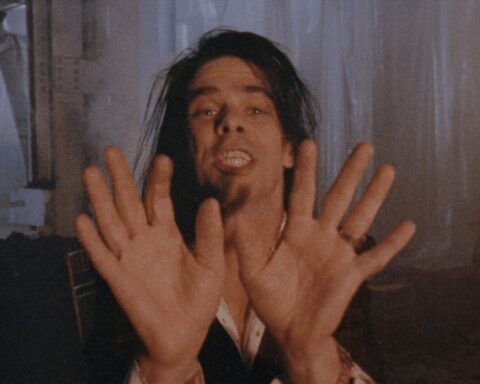
Likewise, Mr. Scorsese features some terrific analysis of the soundtracks for GoodFellas and Casino (1995). Writer Nicholas Pileggi recalls Scorsese throwing in music cues writing scripting the projects, conceiving the aural tapestry of the films before anything was even shot. There are great anecdotes about the use of Rolling Stones tracks and iconic needle drops that offset and accentuate the violence. But, again, one wouldn’t get a sense that Scorsese actually made a hugely entertaining Rolling Stones documentary, Shine a Light (2008), which found enough esteem to open the Berlin Film Festival. Mick Jagger even appears in the series, but doesn’t talk about having Scorsese add to the body of Rolling Stones flicks.
Scorsese also has two of the very best Bob Dylan films, No Direction Home (2005) and Rolling Thunder Revue (2019) under his eclectic list of music docs. These two films alone show the breadth of a master filmmaker. One Dylan doc charts a classically composed portrait of a turning point in the musician’s career, while the other one delivers a shape-shifting play on non-fiction to capture the elusiveness of the troubadour. Missing one doc is an edit for time, but omitting all of them is an oversight. And there’s still The 50 Year Argument (2015) and Scorsese’s collaboration with David Tedeschi, and the Fran Lebowitz series Pretend It’s a City (2021) that highlights his sensibility as a New Yorker—a talking point that’s a through line in Miller’s series.
Even Scorsese’s misfires, like New York, New York (1977), Bringing Out the Dead (1999), and The King of Comedy (1982) get their fair share of airtime in Mr. Scorsese. Miller admirably uses these films to let Scorsese speak to the fickle nature of being an auteur in a commercial industry. She builds upon them, just as Scorsese speaks of using setbacks to challenge himself anew as a filmmaker. But even his biggest dramatic flop is worth talking about. His much stronger documentaries, less so.
The documentaries deserve a place in the Scorsese canon as much as the dramas do. One can’t help but feel that their absence in Mr. Scorsese positions documentary as a “lesser than” art form. That sentiment, which Mr. Scorsese can’t escape as it becomes evident that non-fiction isn’t making the cut, omits a huge facet of Scorsese’s work as an independent filmmaker, and, in doing so, doesn’t do justice to his career, or those of his contemporaries. Documentaries and drama deserve equal consideration. And with so many of the players present to speak to Scorsese’s work, one can only wonder why a documentary seems uninterested in documentary. Maybe we need another Scorsese documentary after all.