



Mary Oliver: Saved by the Beauty of the World
(USA, 91 min.)
Dir. and Prod. Sasha Waters
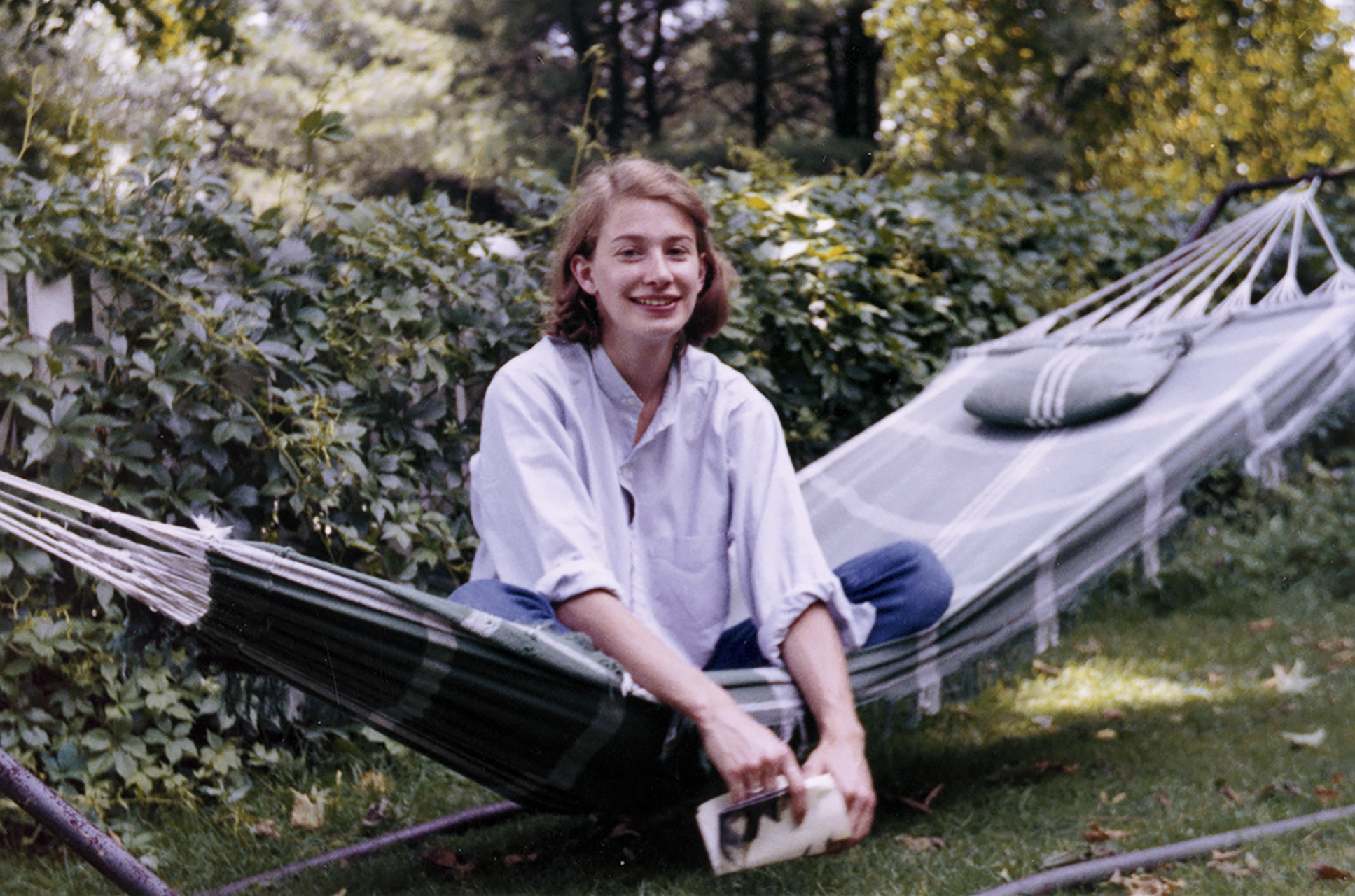
Sasha Waters’ Mary Oliver: Saved by the Beauty of the World is constructed as one would expect a documentary about the late Pulitzer Prize winning poet would go. The film artfully assembles an army of talking-heads, never-before-seen footage from Oliver’s personal archives, and recitations of her poetry by herself and others, but there is so much thought poured into bringing these elements together that I would have it no other way. In centring Mary Oliver, her desires, her poetry, her perspective, and her companion, the late American photographer Molly Malone Cook, the film celebrates her life in a manner that educates, inspires, and introduces the viewer to Oliver’s emphasis on attentiveness. That is a lesson worth taking away in today’s times.
Attentiveness is a quality that is quite apparent in the film. For instance, even in the treatment of the talking heads, Waters takes great care that they illuminate Oliver’s story while propelling her narrative forward. There is a rhythm between one talking head to the next that is quite poetic in itself and often powerful enough to move the viewer. Midway through the film, Stephen Colbert initiates a recitation of ‘A Summer Day,’ a poem that is a magnificent exploration of this life of ours.
Colbert’s narration brings to the surface the themes of beauty, introspection, and curiosity that are embedded within the poem but there comes a moment where Colbert pauses, overwhelmed by the emotion that the poem has brought on for him. Instead of staying with Colbert for an extended period of time as he takes a moment, the film picks up the interrupted poem from the reading performed by author Jason Reynolds. As Reynolds nears the end of the poem and enters a subsequent explanation of what it means to him, one can visibly notice the tears well up in his eyes. This tender moment crafts a solidarity between Colbert and Reynolds, between the readers of Oliver’s poetry, between humans around the world seeing, experiencing, and feeling through art. Waters’ attentiveness to her story and the subject matter allows her to construct scenes that consistently value community, life, and poetry. Moreover, the cut discussed above, which is so effective in the context of the film, borrows from the poem’s consideration of the temporariness of life, by moving on from Colbert to Reynolds, stating quite subtly that the show must go on.
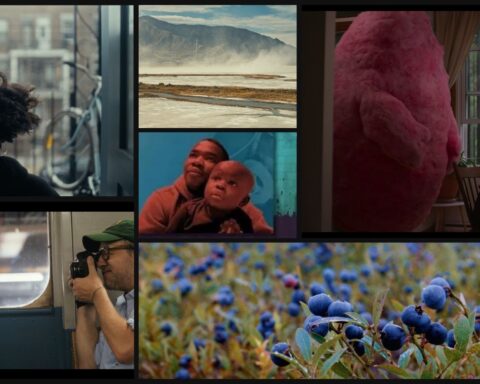
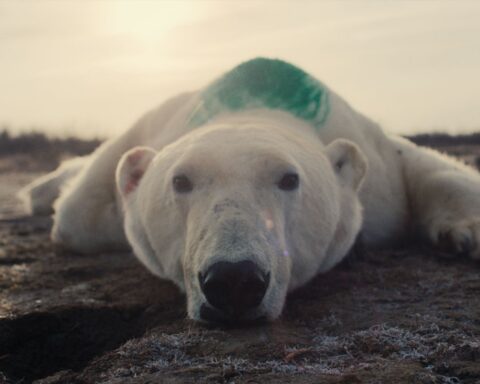
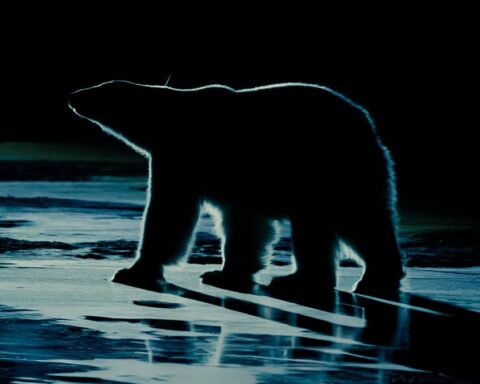
Additionally, the film complements Oliver’s poems with beautiful visuals of nature, animals, and landscapes, which is heartwarming to see. There is an attentiveness here as well, as Waters’ realizes that Oliver’s story cannot be truly articulated until the poetry inherent in Oliver’s perspective is brought to life on the screen. Waters’ thus crafts an intimate portrait of the poet, inviting the viewers to see the world in the way that Oliver perceived it and urged others to experience life similarly for all those years. This approach works quite well within the context of the film as the viewer learns about Oliver both through events in her life being narrated by friends and those who appreciate her poetry, including Oprah Winfrey and Steve Buscemi, but more importantly through her poetry itself, which Waters’ neatly sprinkles throughout the film.
In exploring Oliver’s ‘pop’ persona, her story becomes impressively important to understand in today’s times. There is a very clear correlation that one can draw between early attitudes towards Oliver and the current outlook towards poets including Rupi Kaur and Ocean Vuong, where believers of past poetic traditions reject their styles entirely. Learning about Oliver’s story today sheds new light on the polarization that new movements, styles, and artists often cause among audiences.
More importantly, however, throughout the film, audiences are reminded of Oliver’s appreciation of nature and how her poetry, although simplistic to many, would evoke a feeling that could only come from someone who truly understood what it meant to appreciate this world that we have never and will never own, but have merely borrowed. It is an urgent message, especially today, when people are actively seeking ways to dissociate from community and nature, instead preferring a technologically controlled life. One of the film’s greatest strengths is that it centres the ideas that truly mattered to Oliver, which also hold the answers to some of the issues that plague the world today including climate change, capitalism, and a widespread feeling of isolation. In doing so, the film leaves us with a lasting thought – Mary Oliver may have been ‘saved by the beauty of the world’ and maybe the world can be saved by reading more of Mary Oliver.