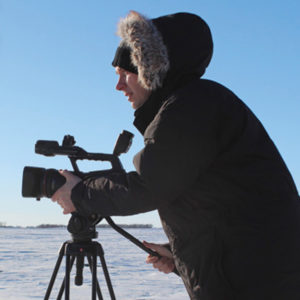



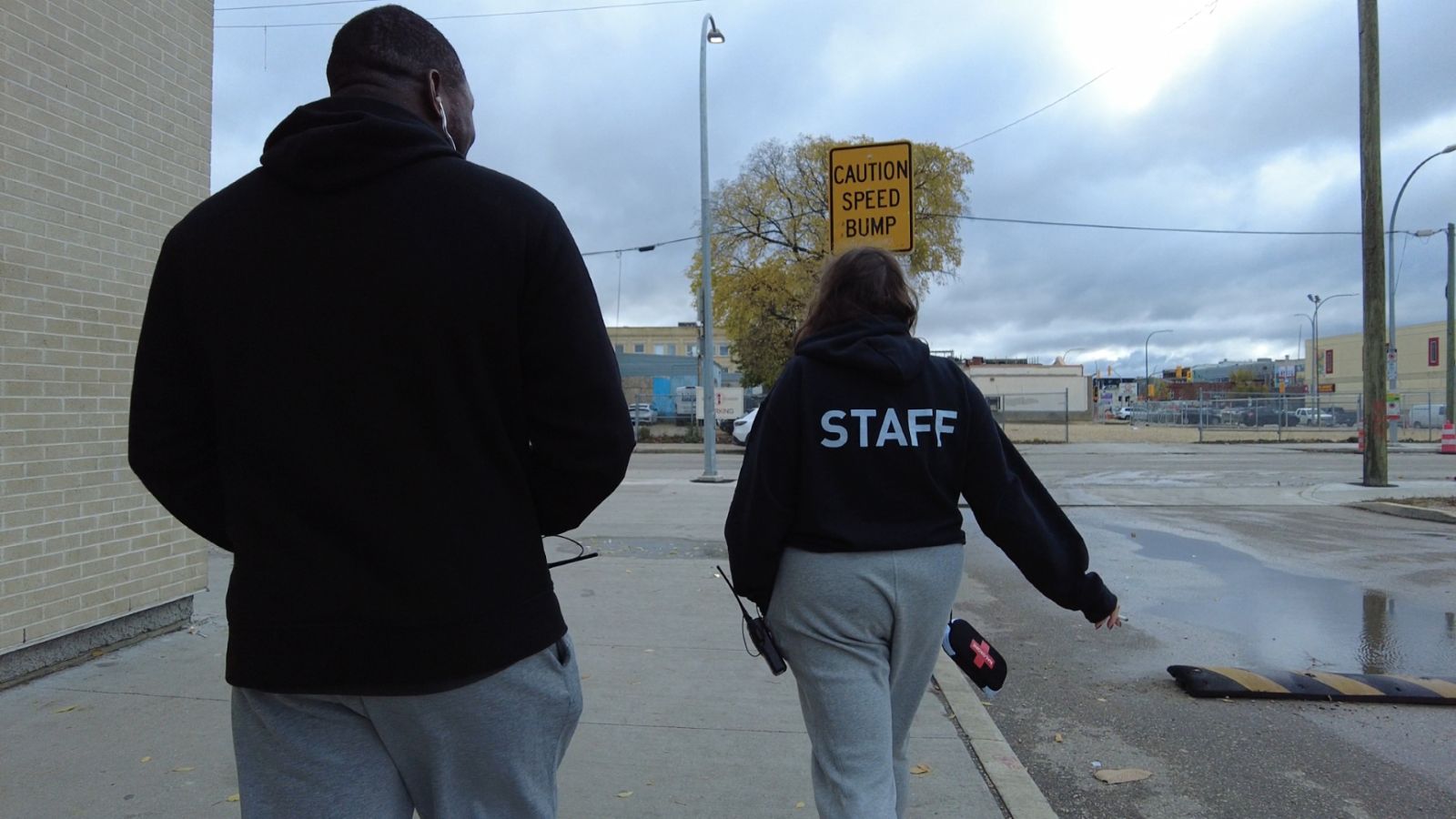
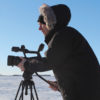
I hooked up Sam with a wireless microphone and then things got interesting. I was following him with a camera while he was monitoring the drop-in centre at Siloam Mission, a humanitarian organization in downtown Winnipeg that meets the needs of people experiencing homelessness. Within a few minutes of his rounds of the hundreds of people waiting for lunch, he suddenly changed course for the office in response to a message in his ear piece: “Time to call 911.”
A community member had reported to staff that someone had crawled under the steps of the building and was now unresponsive—a likely drug poisoning gone wrong. The staff couldn’t reach the individual; they needed help to do a wellness check. The siren of the paramedics grew louder as we waited on the curb, cameras rolling. Sam remarked with calm, “Just another day at the Siloam Mission.”
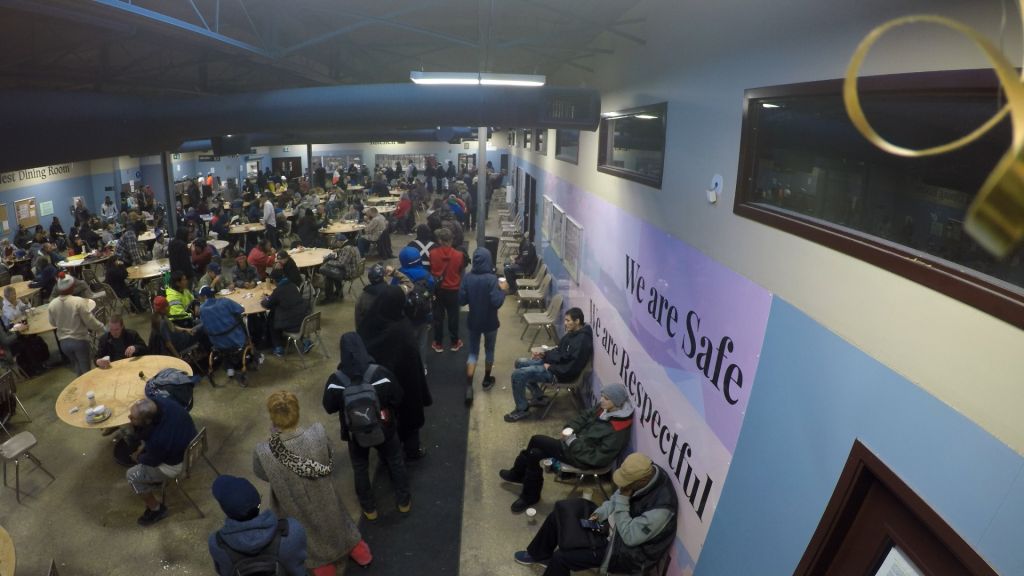
This was a moment that became the opening scene of my documentary The Mission, profiling the staff and community members of Siloam Mission. I was motivated by the growing presence of those experiencing poverty and homelessness on the streets of Winnipeg and the ongoing discussions of the housing crisis in our national discourse. I had programmed the award-winning documentary Someone Lives Here (2023), about a Toronto carpenter who builds makeshift shelters for people who need a roof over their head, for the Gimli Film Festival and was surprised that the documentary changed my thinking about unhoused people. It influenced how I related to people I saw downtown. As we approached production for The Mission, I wanted to contribute to that conversation.
Siloam Mission’s shelter has 143 beds, and the drop-in serves about 1,500 meals per day. Line ups outside the building are common place. This is a vulnerable community, so before starting to film, we held detailed discussions with the Siloam Mission administration to establish guidelines for access to the various departments of the organization. Of primary importance was to set protocols for informed consent of community members who might appear on camera, the process for opting out of the film, and ensuring necessary staff oversight of our process.
Our agreement included a commitment to accountability and inviting Siloam Mission to review and comment during the first draft of the edit. I was inspired here by the documentary Subject (2022), about participants who share their lives through films, as a reminder of the obligations of filmmakers to those who appear on screen. I was encouraged to seek the advice of the Lived Experience Advisory Council (LEAC), made up of a dozen folks who had previously experienced homelessness and accessed services at Siloam Mission. After explaining to the LEAC that I didn’t want the project to be exploitative—no more “poverty porn” about encampments and the destitute—one young man on the council asked, “How are you going to avoid doing what so many people often do?” Our approach was to invite community members to explain their situation themselves, provide greater context of the issues, and allow the story of Siloam Mission to make an impression on the audience.
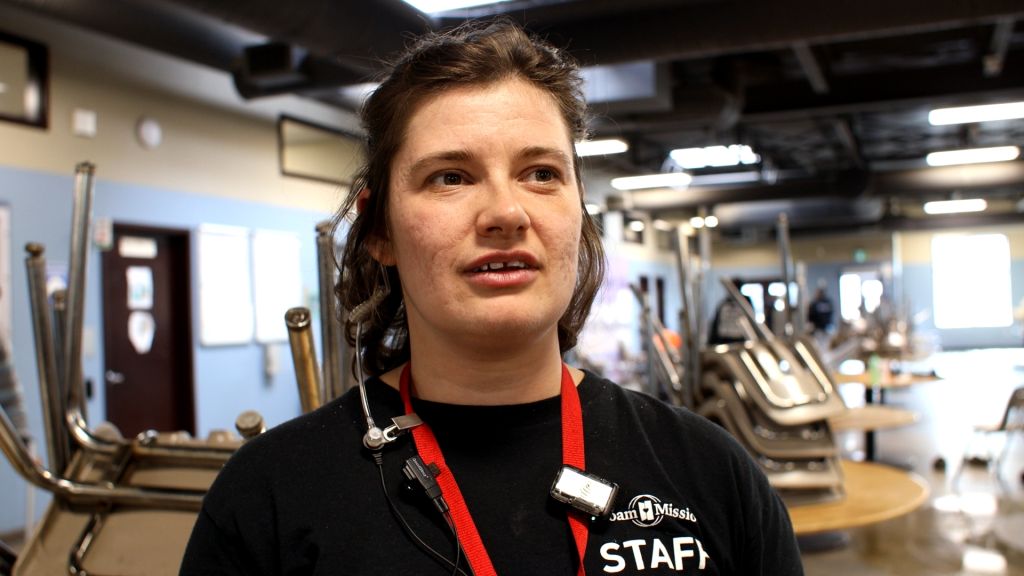
To respect the anonymity of community members in the drop-in and shelter, we were careful with our camera placement. We mounted high-angle time-lapse cameras from the rafters of the building to capture the tidal-like surges of people during meal times and bed times. We were present on repeat occasions to establish rapport with staff and community members. Eventually, our invitations for interviews secured willing participants who were waiting for supper or someone in line to get a bed. We also met individuals accessing the clinic services to give a fuller portrait of the organization.
While we were filming one night in the shelter, a community member we’d recently interviewed began acting aggressive towards the staff and the police were called to remove him from the facility. As the situation was unfolding, I told my crew to keep rolling, and we’d see what happened. When the police arrived, they were surprised to see a camera crew present, filming from a distance, as they escorted the individual out of the building.
As I debriefed with my crew and the staff what had happened, the police shift supervisor arrived to get better clarity of what was going on with the cameras. I discussed the situation, our access, and his concern for safety and consent. It ended up being a positive conversation and we exchanged business cards. Afterwards I sent him an email requesting an opportunity to do a ride along with him to discuss the police perspective of the housing crisis on the streets of Winnipeg. He liked the idea. After the necessary permissions and paperwork, my DOP and I found ourselves wearing bullet proof vests and riding along in the police cruiser. It wasn’t long into the shift that a call came requesting police presence at Siloam Mission, expanding our portrait of the housing crisis in Winnipeg.
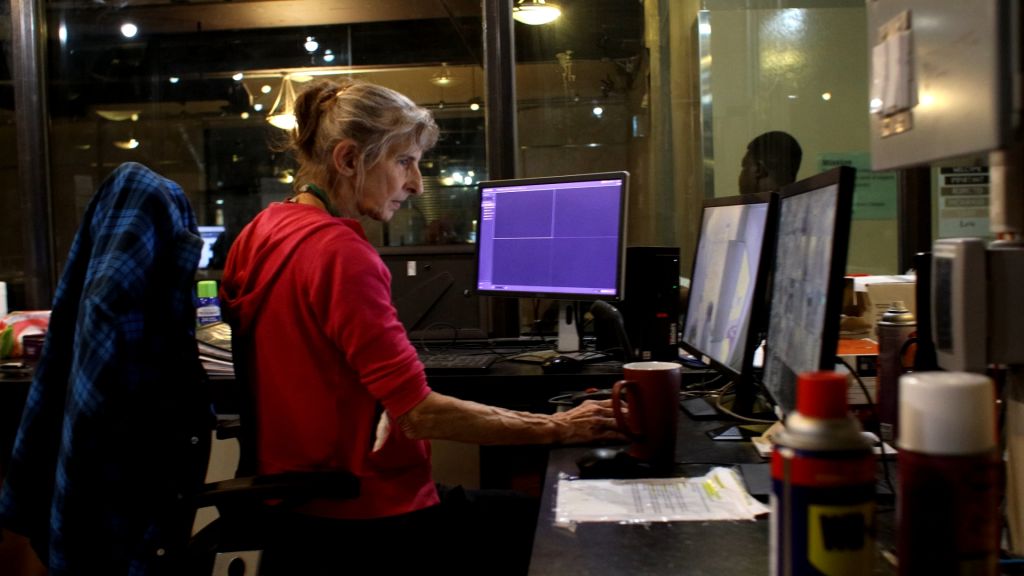
The Mission illustrates the need to see our national housing crisis in a much more nuanced and complex way. While filming in Siloam’s clinic, we talked with a community member getting help. He explained that he’d lived in a duplex for seven years until the suite next door caught on fire. Through no fault of his own he was suddenly displaced and staying at the shelter. Other times, we listened to the many calls to the shelter’s answer machine with requests to hold a bed because someone had to work late. We have to get past the stereotypes often associated with unhoused people and recognize that issues of addiction and mental health are part of a larger problem, but also not reflective of all people who find themselves in these circumstances. Language matters. These are community members who are experiencing homelessness. As one of the Siloam staff points out, “They’re not a bad person, this is just what they’re experiencing.”
As we began post production I welcomed opportunities to show the Siloam admin team and the LEAC group an early cut for their reaction. There was a warm response to the film. They were pleased that someone was telling their story in an honest way. The supervisor of the shelter commented on the scene with the police intervention, saying that I shouldn’t hold back and put more in to the scene to show what really happened. Later when he saw the final version he said, “It’s good. I’m glad they didn’t make you take out the nasty bits.”
Making The Mission further changed my thinking about the topic of the housing crisis and I hope that it helps audiences equally understand the complexity of the lives of people experiencing homelessness. Siloam’s practice demonstrates the value of giving respect to people one encounters at a corner or on the street: I don’t always have change to give, but I can try and treat them with dignity.