



Vanishing Tracks
(Iran/France, 93 min.)
Dir. Hamed Zolfaghari
Prod. Hamed Zolfaghari, Valérianne Boué, Verona Meier, Wonil Lee
Programme: International Spectrum Competition (World premiere)
A wonderful moment of comedy punctuates the archival footage that fuels the final act of Vanishing Tracks. A train rolls into the station of Shiraz’s metro. Lots of people wait on the platform, but when the train doors open, a human doesn’t exit. A sheep does. The happy traveller arrives at his destination and trots along the platform. His hooves clack like the heels of busy commuters hustling home from work.
Similarly, another archival shot observes a city bus stop. From the grain of the video, the images must be at least 20 years old. They’re a time capsule from another era–a funny one, too, as a bunch of sheep wait with the humans. When the bus drives away, everyone both sheep and human is gone. The sheep are en route to their destination, but no title cards reveal if they paid a fare.
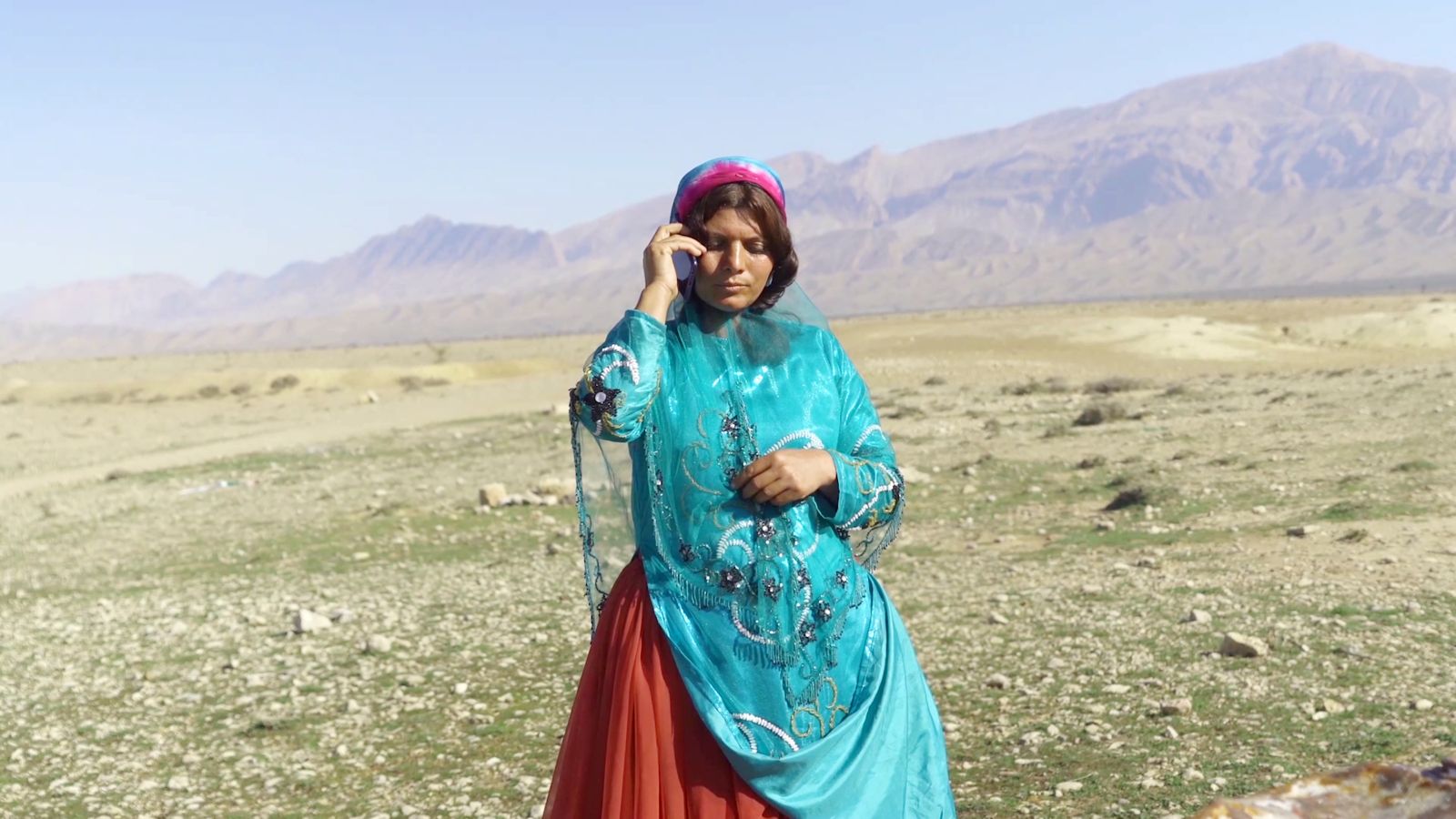
These moments of levity follow a rather heavy story about the toll of raising and herding sheep in a changing cultural landscape. Vanishing Tracks drops audiences into the lives of a nomadic Qashqai family in the Zagros Mountains in media res. The father, Valiollah, urges his sons to follow some clues. Someone has stolen a dozen sheep. The thieves, clearly amateurs, leave tracks for the family to follow. Meanwhile, Valiollah’s wife Dorna waits for the police who’ve been notified of the theft. The cops never arrive, but Valiollah and the boys find some sheep hastily parked at a nearby ruin. Four sheep remain missing. That’s a considerable loss for a family that depends on the wool, milk, and meat the animals provide. The loss proves double, as missing animals mean fewer calves. That’s a long-term hit that this family can’t afford.
The stakes are high as Valiollah investigates his missing sheep. Vanishing Tracks observes a fragmented flock as Valiollah and his Dorna struggle to herd their three sons into helping around the farm. The two elder boys are at boarding school, which comes at considerable cost, underscored by the stolen sheep. The boys sleep late and lazily expect Dorna to wait on them. Meanwhile, when time comes for them to work, Dorna and Valiollah must wait for the boys to finish downloading some dumb video on their phones. The parents grumble about the cost of their kids’ education, but farm life isn’t the boys’ forte.
However, as Valiollah eventually finds the missing sheep, the thief’s motive hits a personal chord. Economic circumstances are dire. Young people have few options and social mobility proves difficult. The titular vanishing tracks are as metaphorical as they are literal as the nomadic practice reflects a fading way of life.
Observational fly-on-the-wall cinematography captures the family’s daily labour with the sheep. This is slice-of-life slow cinema that reflects the unhurried nature of the environment. The family herds the sheep to the river where they all swim together, hooves trotting on the arid broad and bells offering a joyful cacophony to offset the tension in the air. However, when the flocks to make its annual trip down the mountains, director Hamed Zolfaghari opens Vanishing Tracks thematically and stylistically.
The family’s eldest son, Sassan, assumes the responsibility of guiding the flock through Shiraz. The film increases the flow of archival footage to its design after only using intermittent cutaways in the earlier acts. As grand contemporary shots observe the sheep roaming down the highway like a woolly traffic jam, the older video shots contrast the metropolitan life and the urban growth. Moving the sheep through the busier city brings risks and challenges, from frustrated drivers to angry neighbours who don’t like sheep grazing on their property. The beautifully shot and thoughtful film sees a cultural shift between past and present: What once was novelty now serves as nuisance.
While the film’s final act features a jarring shift in terms of style, tone, and pacing—and the theft becomes a moot point—Vanishing Tracks essentially straddles two worlds that seek to co-exist. These boys also find themselves in a great migration. Their family’s path, like that of the sheep, inevitably leads to a bustling city. But the tension regarding where they may graze and settle has yet to be resolved. If only they could move as freely as a sheep on the metro.