



Kenny Loggins: Conviction of the Heart
(USA, 96 min.)
Dir./Prod. Dori Berinstein
Programme: Special Presentations (World premiere)
There’s a danger zone for any music doc, where the film serves the singular purpose of giving existing fans a celebration while doing little to engage with the subject beyond the lens of fandom. Great music films can work not only for the faithful choir, but equally for audiences willing to be open to learn about something they were unfamiliar. In the great cases, they find fascination despite a pre-existing proclivity to want to have nothing to do with the subject. These mighty films work independently of one’s love of the music, making for a documentary that transcends its subject and brings to the fore deeper, more profound elements that engage audiences no matter their connection to the artist in the spotlight.
This is not one of those great films.
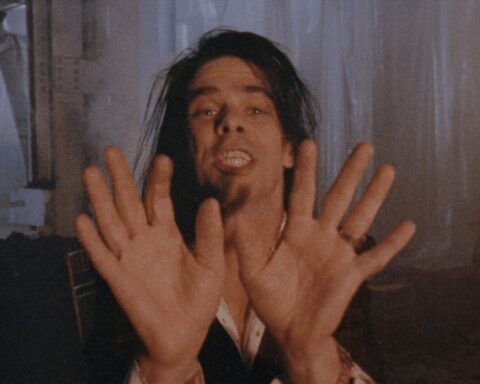
That’s not to say that Dori Berinstein’s sympathetic and saccharine portrait of Kenny Loggins is without merit. Despite the title that alludes to Loggins’ gospel-infused environmental anthem that he hopes will provide a more lasting legacy than the likes of, say, the theme from Footloose, Kenny Loggins: Conviction of the Heart illustrates with, uh, conviction, the multi-decade career of a man mostly famous for a slew of hits associated with some 1980s’ cinema soundtracks.
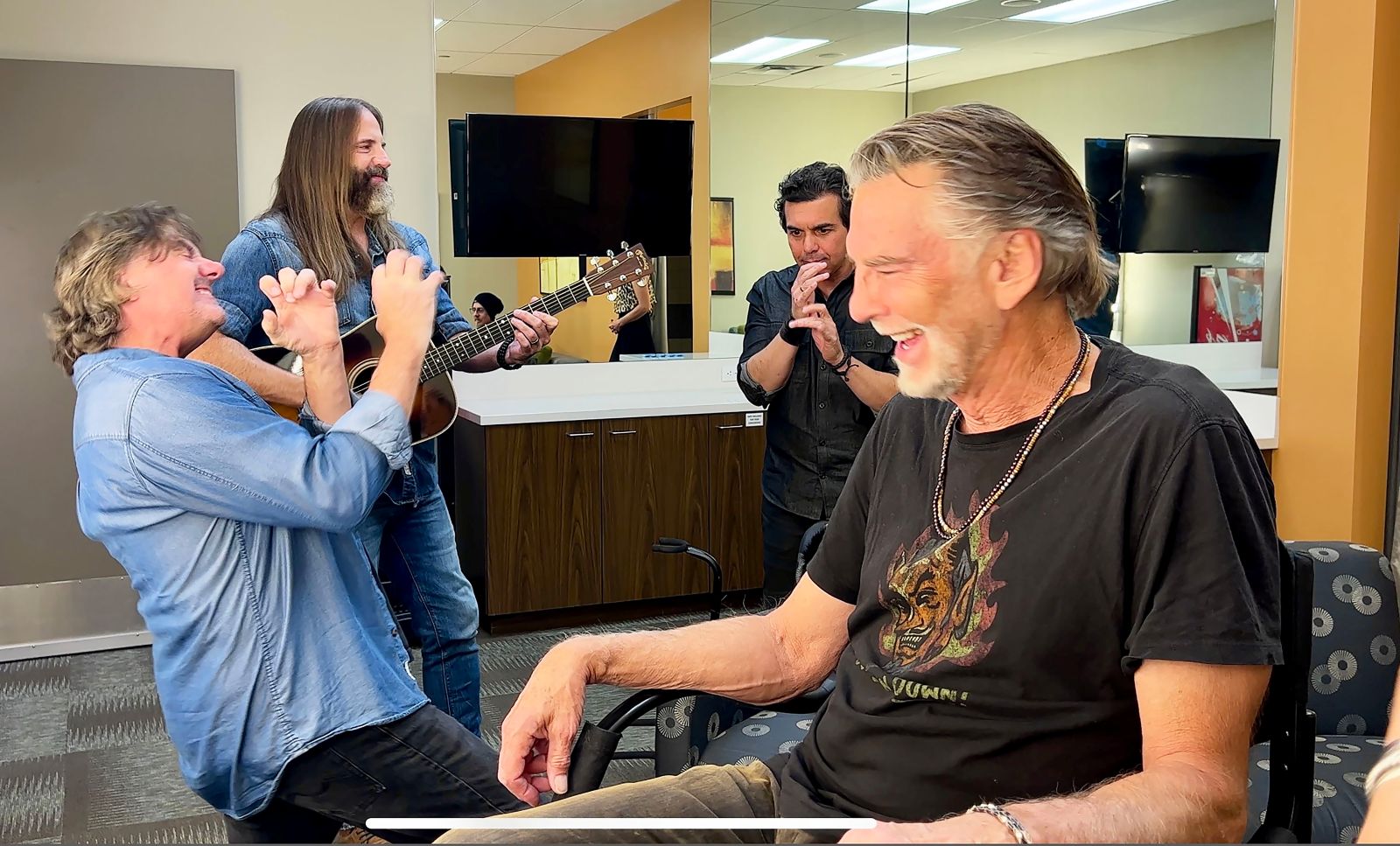
Mixing contemporary interviews, behind-the-scenes footage of a “final” tour, as well as aptly researched archival material, there’s plenty to dive into the rise of the man born Kenneth Clark Loggins. Much time is spent on the near Freudian unpacking of early childhood, including a complicated relationship with an older brother Danny who would become the subject of one of Loggins’ earliest earnest tunes. We hear of his long-time collaboration with Jim Messina, both from the former-Poco leader himself, and we get the story through the lens of impresarios like record exec Clive Davis.
Loggins’ growing from shy, big-eared, awkward kid to bearded golden boy is laudable, and certainly there are more than a slew of mostly forgotten tracks in these early years that are worth of celebration. Beyond the cloying yet wonderful “House at Pooh Corner” (originally performed by the Nitty Gritty Dirt Band who were the among first to record Loggins’ songwriting and are curiously absent from this documentary), there are other earworms such as “Your Mama Don’t Dance” that have lasted the test of time and bring joy to the seasoned fans that bop along to its insouciant, driving beat.
By the time we get to major smashes like “Footloose”, “Danger Zone”, or even Caddyshack’s “I’m Alright”, there’s actually not much time spent on the crafting of these tunes. The Top Gun song wasn’t even written by Loggins (his middling “Playing with the Boys” provided the underscore to the otherwise unforgettable, blissfully homoerotic volleyball scene), and exploring more deeply how a songwriter’s most memorable hit was the work of others may have made for a more fruitful examination of the complexities of musical success.
We get plenty of stories from Loggins’ family, including examination of his oldest son Crosby’s foray into pop stardom that fizzled after a few years. Meanwhile, his youngest, Lu, is a trained singer who underwent transition, and the film does well to show Loggins as his most supportive, yet still showcasing some of his own struggles as he switches pronouns to refer to his child. The relationship with his children is a major part of the film, yet despite these moments that verge upon profound, Convictions of the Heart still feels somewhat superficial. Loggins tearful stories verging on the cloying rather than diving more deeply either into the creative process or into the real emotional struggles at the core of his familial relationships.
Still, most of the people watching this film are there for a good time, to sit back and get enough Oprah-like fodder to feel they get to know the man a bit more, and to dig the performances that we see on stage. One of the film’s most effective moments of montage is when it employs decades’ worth of footage to literally go back in time, offering the same sweet voice heard throughout the many phases and haircuts. It’s this throughline of an emotionally open artist that gives the film much of its charm, primarily to those already open to give a damn.
And it’s here that the film falters compared to other, greater works. If you’re not already on the Loggins train, there’s not a heck of a lot here to draw you in. Sure, the family stuff has slightly more universal appeal, but, again, it’s the stuff of daytime talk shows. There’s little in the way of deeper insight into Loggins’ process. The most compelling aspect is his collaboration with Richard Marx, who brings authority thanks to his prolific work as a podcaster who can speak at length and in depth about the artistic process.
In the end, echoing that earworm from Caddyshack, this Loggins film is at best alright. It satisfies the fanbase and provides some understanding of an artist with a long-lasting career. It succeeds for fans who just want to cut loose with the guy who wrote “Footloose” and aren’t yearnin’ or burnin’ for anything more remarkable than that.