



Maverick: The Epic Adventures of David Lean
(U.K., 105 min.)
Dir. Barnaby Thompson
Prod. Jack Heller, Nick Taussig
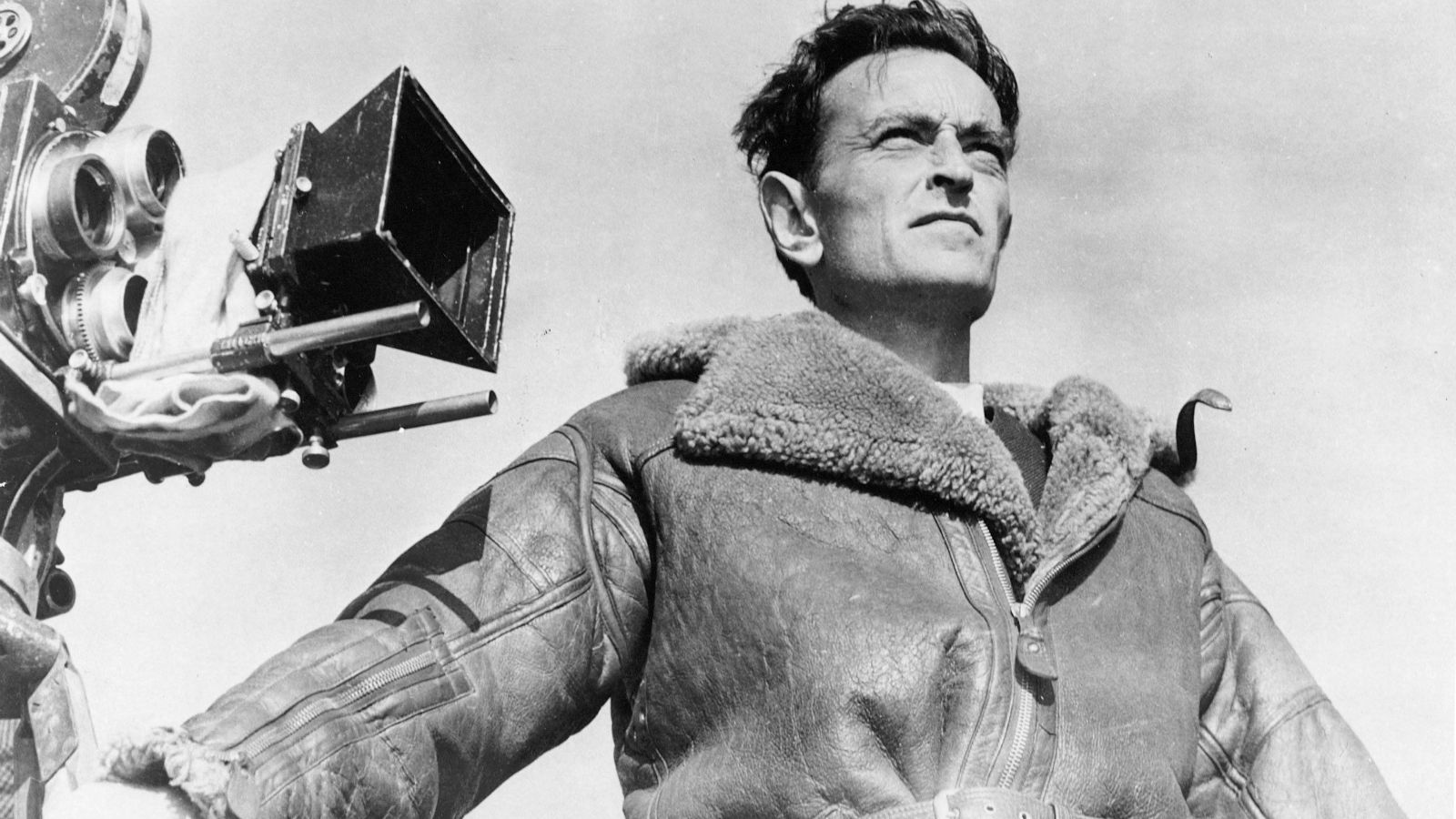
If it was only for the segment where T.E. Lawrence (played with exquisite felinity by relative newcomer Peter O’Toole) blows out a match as the image snaps to a shot of a desert landscape with the sun slowly rising in the distance and the music swirling like the sand in the gentle breeze, then David Lean’s place in the pantheon of great directors would already be secured. How fitting, of course, that this most miraculous moments is anchored by an edit, the very skillset that Lean himself developed while playing a significant role in nurturing the very language of cinematic storytelling itself.
Barnaby Thompson, whose work as a producer includes the likes of global smashes Wayne’s World and Spice World and who ran the famed Ealing studios for over a decade, presents a complex portrait of Lean, from his troubled childhood through to the cinematic success that contrasted significantly with a tumultuous personal life.
Lean’s earliest years were marked by his undiagnosed dyslexia, and he was considered an academic dunce and a failure by his strict, Quaker father. Barnaby’s film (and Lean himself, in contemporaneous interviews) psychologizes the drive of the son to impress the absent father, a thematic element that’s interwoven through many of the works that the director himself would helm.
Starting as a “tea boy” at Gaumont studios in London, Lean would eventually find himself in the editing room, crafting newsreels and contributing voiceover. He was eventually selected to cut feature films, including a significant stint working with Powell and Pressburger on such seminal British classics as 49th Parallel and the mid-war film One of Our Aircraft Is Missing. After a fortuitous meeting with Noël Coward, Lean began his directing career by co-helming In Which We Serve, where ostensibly Lean guided the main production while the famed actor/writer mostly stuck to conversations with his co-stars.
It was further association with Coward through which Lean gained his early reputation as a major talent, and where he’d meet the major acting collaborator of his career, Alec Guiness. Following the grand success of the likes of Brief Encounter, the actor would collaborate on a number of Dickens adaptations, as well as the monumental classics Bridge on the River Kwai and Lawrence of Arabia that were set to come.
Lean’s rise through the ranks is hardly unique either in Britain or in Hollywood, yet in Thompson’s telling, there is something specific and special about both the talent and the challenges that his subject overcame. The documentary goes to great lengths to show the vagaries of his home life, Lean’s adoration of attractive women and the constant urge for novelty over fidelity. The film chronicles as yet another partner is traded for a newer, younger model, yet thanks to of the inclusion of these women via interview recordings, Lean’s antics appear not simply as the vagaries of a playboy, but tied to deeper, darker insecurities as well as his insatiable drive towards novelty.
Thompson and his team deftly interweave film clips and photographs, as well as historical materials, in a way that brings thematic throughlines to life as they mirror Lean’s journey. A clever use of animated text from scripts and letters, with certain iconic imagery interwoven to mirror the fiction on the screen with the facts of homelife, is a clever mode to articulate these variable features of Lean’s life and career.
A wide number of filmmakers reflect upon their own connection with his artistry, with some clips from the likes of Steven Spielberg and Martin Scorsese drawn from earlier projects, and newer conversations with Francis Ford Coppola, Celine Song, Joe Wright, Brady Corbet, Nia DaCosta and Alfonso Cuarón, providing much of the film’s focus. Cate Blanchett provides narration, while Kenneth Branagh performs some of Lean’s letters, although the vast majority of Lean’s musings are in his own voice from interviews conducted over his multi-decade career.
Above all, Maverick encourages fans of the masterpieces to dive into the lesser known works and to explore the rich expression of this talent who inspired so many other exceptional filmmakers. The film also speaks to the way that a certain kind of artist was able to flourish and then flounder as cinema was taken over by those students of Lean’s artistry. An exceptional film about filmmaking and an iconic director, this much-needed portrait speaks to existing fans while making the case for newer viewers to find the largest screen possible to experience Lean’s magical contributions to cinema.0.