


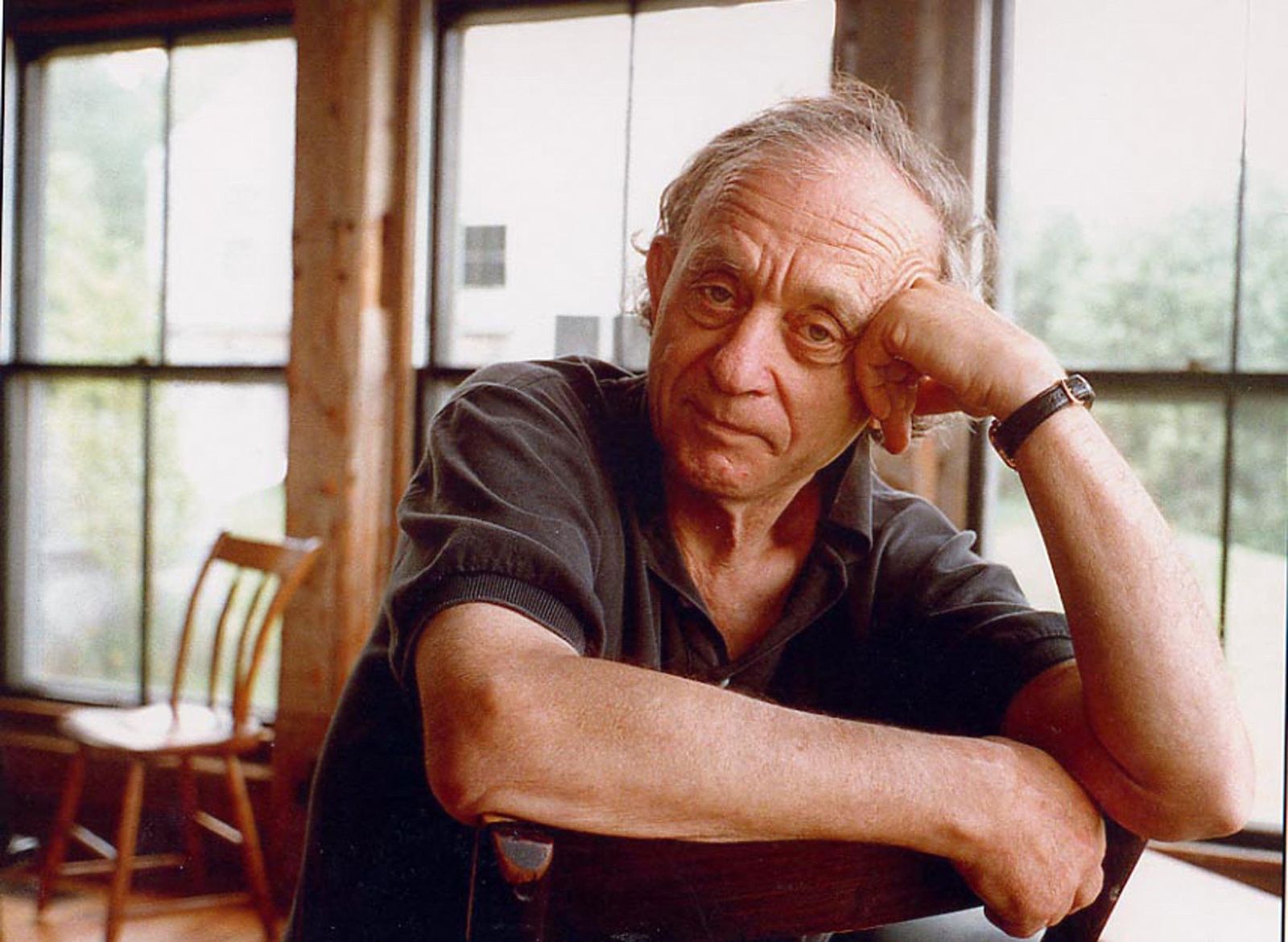

I first met Fred Wiseman the early Aughts when Hot Docs was beginning to flex its muscles and grow into a major festival. An honoured guest, he was being shepherded around by Hot Docs staff members, most of whom were in awe of the slight, charismatic filmmaker from Massachusetts. As one of the programmers, I was designated to conduct a question-and-answer period with him after a screening at the Bloor Cinema.
We’d barely shaken hands when the lights came up. I introduced him and asked whether he thought his films were different than Al Maysles’, who was also at the festival. Fred Wiseman looked at me sternly and said, “Of course.” And nothing else.
Shell shocked, I asked, “What about Pennebaker’s docs?”
Wiseman paused. “They’re different too.”
I swallowed and looked at him. His look was puckish. Obviously, he wanted to see what I would do. I hesitated and then said, “Your work isn’t the same as Leacock or Maysles or Pennebaker. You are clearly interested in institutions and structures. What fascinates you about organizations—enough to make you document them?” Wiseman appeared pleased as he finally gave me a long analytical response to my question. At last, we were on the same page.
I’m sure I wasn’t the first or last person to be taught lessons by Fred Wiseman. A fiercely intelligent man, he didn’t suffer fools gladly. Nor, in my case, did he want someone to play down to him—and the audience—by asking softball questions. He made his films according to strict rules—no voice-overs, no explanatory titles, no time and location data—because he wanted true human drama to unfold. Wiseman expected nothing less from his colleagues and even interlocutors like me.
Over the years, I was fortunate enough to see Wiseman several times and watch most of his vast oeuvre. The work is huge and compelling. With a clear dispassionate eye, he recorded high school administrators, fishermen in Maine, dancers in a Parisian cabaret, politicians in Boston and Jackson Heights—the list is endless. His films, whether short or enormously long, were marked by his endless curiosity about our behaviour. Why do we act as we do? A Francophile, Wiseman might have been amused to be compared to Balzac, but he truly also catalogued “la comédie humaine.”
Leacock, Pennebaker and Al Maysles all spent long lives doing great work. Wiseman outlived them all, garnering prizes including an honorary Oscar in his later years. Since his death, the tributes have been overwhelming; my favourite is from the British Film Institute, which called him a “towering figure” of documentary. That he was.
As for me, he showed a glimmer of respect on our last encounter. Having prepared for a long interview, I told him that I had a list of challenging questions. He smiled slightly and said that he wasn’t surprised. “I know you.”