



A Distant Call
(Indonesia/France/UK, 99 min.)
Dir. Andrea Suwito
Prod. Finbar Somers, Xavier Rocher, Many Marahimin
Programme: International Spectrum Competition (World premiere)
An extraordinarily rare feat of access to a personal quest fuels A Distant Call. This intimate character study captures a collision of personal and cultural identities. It observes a cross section of traditional beliefs and contemporary currents in a world in which LGBTQ+ rights face considerable pushback after taking so many steps forward.
The film invites audiences to step alongside Eka for a transformative moment in her life. She’s a bissu, an Indigenous spiritual leader who embodies both masculine and feminine souls. It’s a high position in the Bugis community of South Sulawesi in Indonesia. The distinction reflects a culture with an understanding of gender identity that’s far ahead of other societies on that front, as the Bugis accept five genders: cisgender male, transgender male, cisgender female, transgender female, and bissu.
The fifth gender holds the highest distinction. It’s not quite a literal translation of the western understanding of being non-binary, but closer to Indigenous concepts of Two-Spirited identity. It holds a spiritual power and reflects a higher calling to advise the community. Moreover, one attains bissu status through rigorous trial and ceremony. It’s an honour not taken likely.
However, Eka wonders what it means to be a bissu in contemporary society. She’s one of only a handful left, as the post-screening Q&A at Hot Docs indicated that there are traditionally 40 “seats” for bissus in the Bugis community, although many of them are vacant. Eka takes pride in her role as a community leader as she offers spiritual guidance between her daily work as an event planner. She understands her influence in the community and wrestles with that spiritual weight.
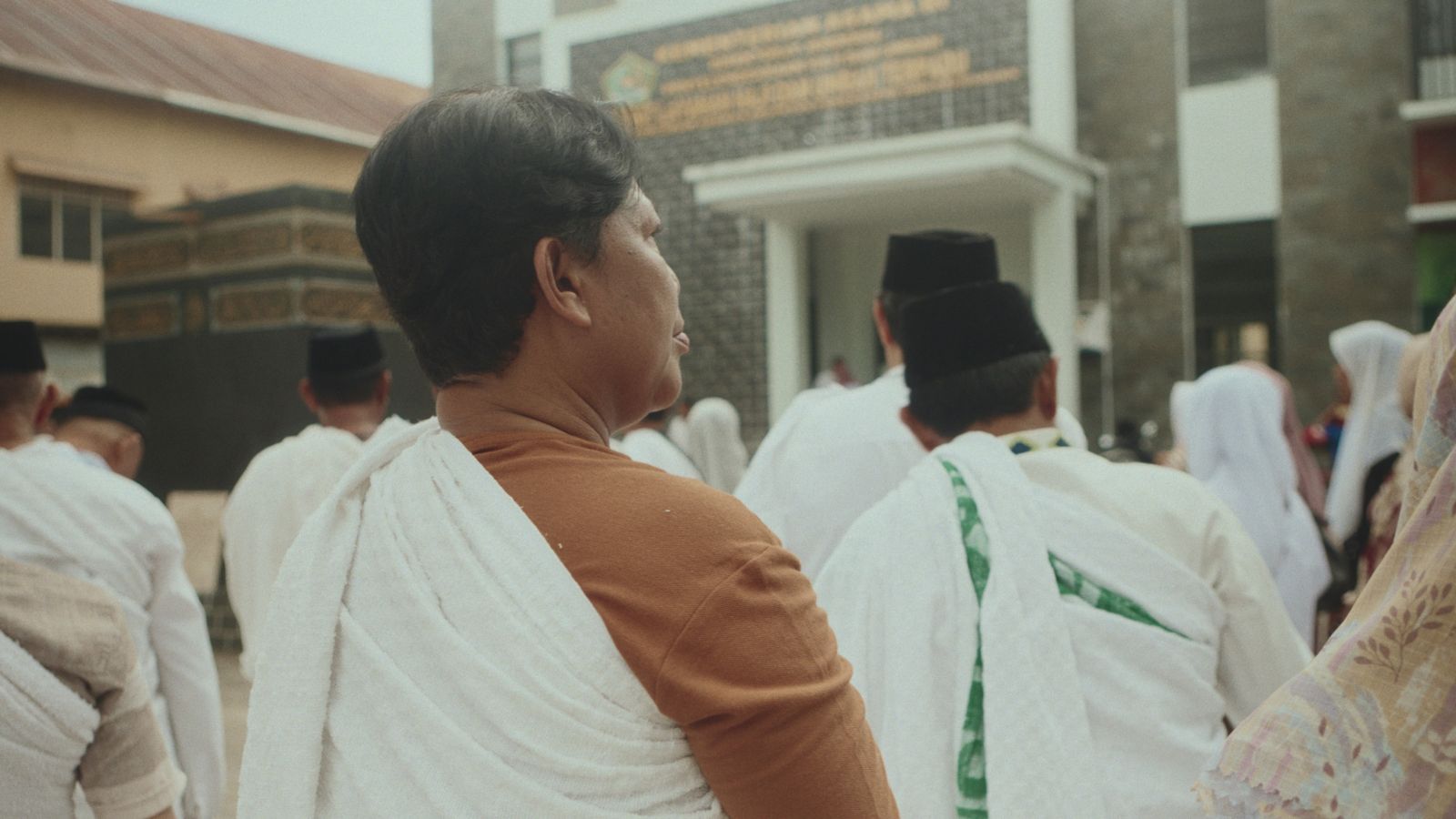
Moreover, her beliefs face a reckoning when her faith compels her to perform Hajj. It’s a very tricky prospect that can’t reconcile her Islamic faith with her calling as a bissu. The former doesn’t recognize gender fluidity and its patriarchal nature infers that the spiritual pilgrimage will cleanse Eka of sins related to her identity. She nevertheless pursues Hajj with a spiritual guide of her own.
A Distant Call intimately observes this rare undertaking. Director Andrea Suwito follows Eka vérité style as she navigates the competing political and spiritual customs of her culture. Preparing for Hajj requires Eka to present as masculine given the binary nature of the ceremonies. She cuts her hair and dresses as a man. Even while male-presenting, though, she refers to herself as female and uses she/her pronouns. Throughout the quest, Eka stays true to herself even though the very process of preparing for Hajj requires her to deny aspects of her spiritual self in service the pull she feels from Mecca. There’s a paradox on full display, but also a truly brave act of vulnerability. She’s going first in a quest for acceptance in wider society. A Distant Call sees what it means to delicately straddle society in a moment of change.
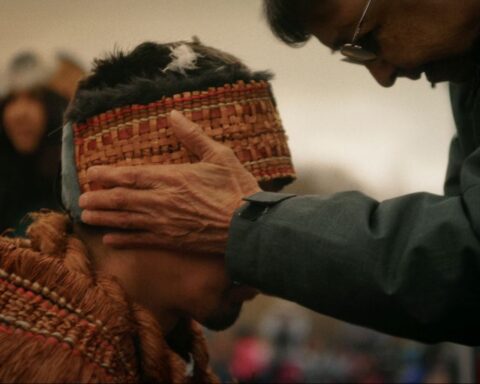
The camera follows Eka throughout her spiritual quest as she meets with other bissus during her journey. Her travels bring her to elders, who offer guidance and help her soul navigate the crisis of faith in which she finds herself. But the film unfolds with the arc of another pilgrimage as Eka visits one community after another. She encounters joyous celebrations. She sees firsthand the value that she and other bissus hold in their community. This journey might not offer the same prestige as Hajj, but it seems way more fun. Eka travels with an entourage of transpeople and queer people, some of whom may be on cusp of journeying from one stage in the gender spectrum to attain bissu status.
A Distant Call lets Eka’s introspective nature be its guide. The documentary takes a thoughtful no-frills approach with its sparse production, but with such a compelling protagonist at heart, the camera only needs to turn to Eka’s expressive face and capture the weight of the situation. One sees a heart caught in a tug of wars between beliefs as well as commitments to self and community. Only someone with such a strong spirit could have the fortitude to let the world witness this journey. That’s the work of a leader, and the film find through one person’s story a message of acceptance and self-love that does the world some good.