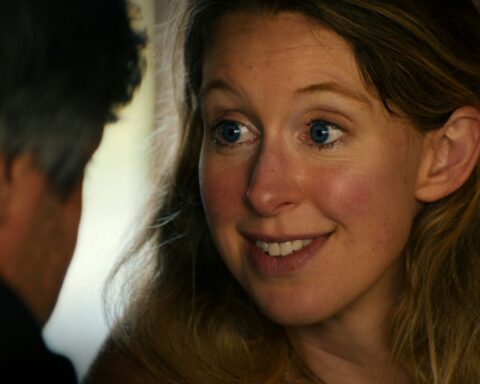



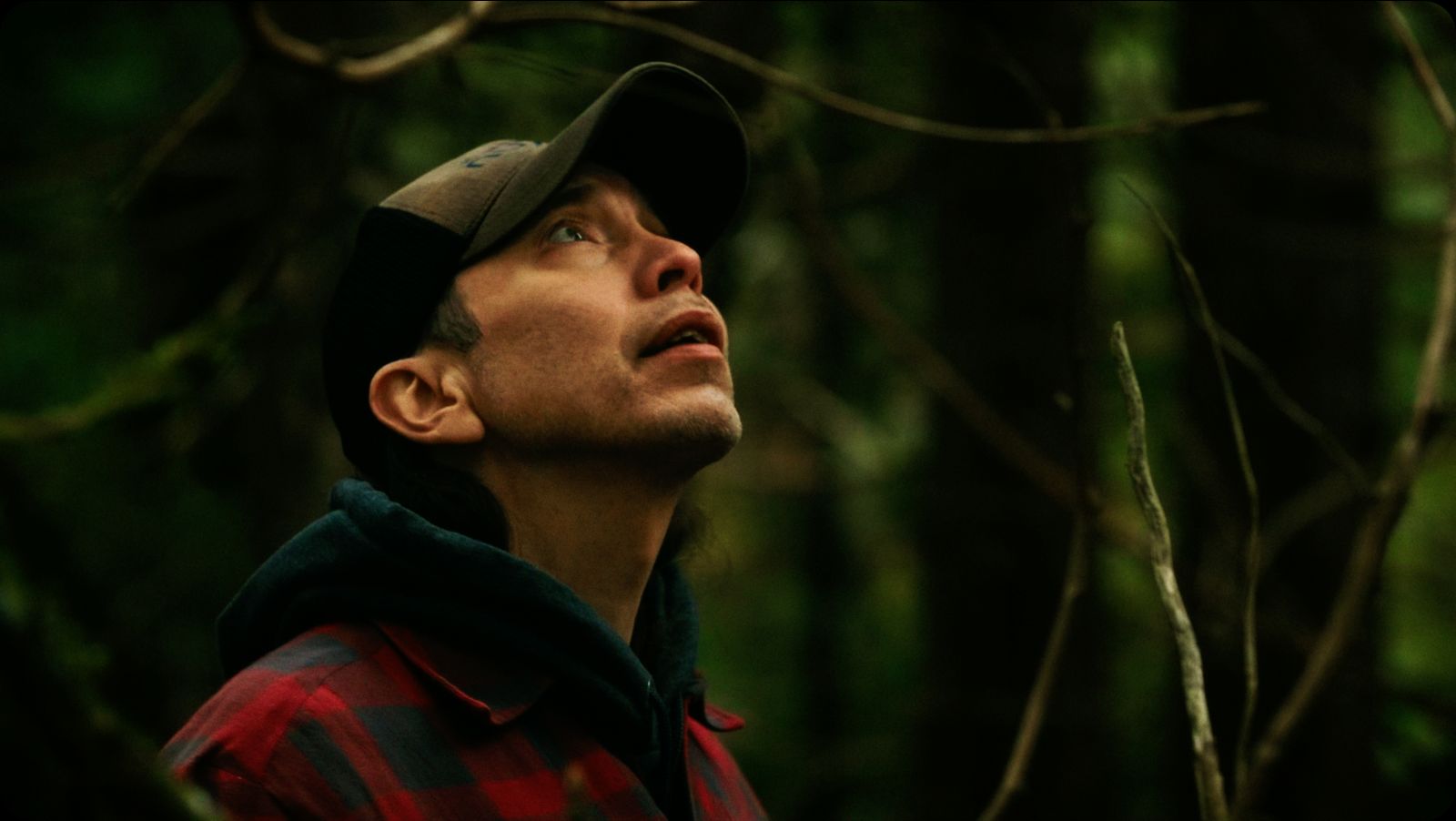

A month after winning the Documentary Spotlight Audience Award at SXSW, and days away from earning the Hot Docs DGC Special Jury Prize-Canadian Feature Documentary, Ceremony, from producer/director Banchi Hanuse, anchored the final session of the 2026 Hot Docs Industry Conference, “Documentary Is Ceremony.”
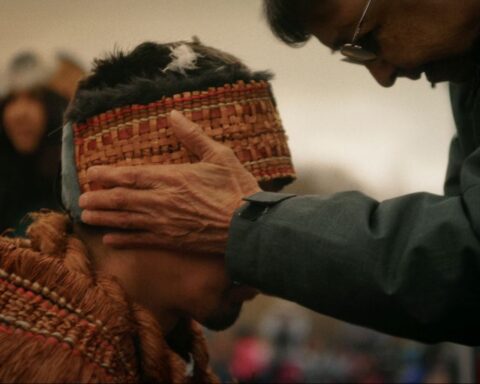
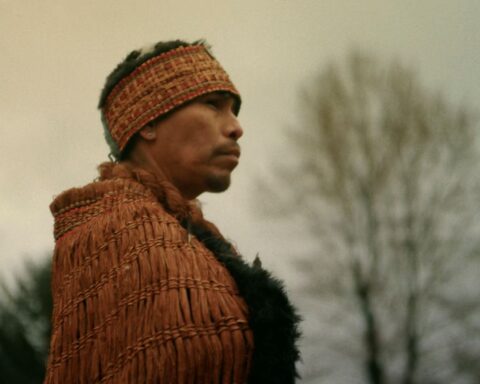
Ceremony centres on British Columbia’s Nuxalk Nation, who, at the time of production, had struggled with a quarter-century-long disappearance of the ooligan fish, whose arrival every spring was cause for ritualistic celebration and communal bonding. This absence, attributable in equal measure to climate change and colonialization, compelled the Nuxalk to contemplate and relate their traditions, history, ancestry, and stories. Coursing through the film, as a narrative throughline and Greek chorus of sorts, are the ongoing broadcasts from Nuxalk Radio, a vital forum for communication and community empowerment.
“Documentary Is Ceremony” served as a case study in Indigenous filmmaking, and how the Ceremony team grounded their practice in the spirit of collaboration and accountability. Tash Naveau, programme manager at the Indigenous Screen Office, moderated the session, whose panelists include Hanuse and two participants in the film: Dr. Snxakila Clyde Tallio, cultural advisor, Nuxalk language speaker/translator, and storyteller; and Qwaxw (Spencer) Say7Walus (Siwallace), Nuxalk Radio host.
Ceremony, 12 years in the making, actually bore the working title We Shall Eat When the River Is Full. It was a 3:00 a.m. revelation–just before the film was accepted into SXSW–that compelled Hanuse to change the title. “There is a ceremony that runs throughout the film,” she explained. “The work that we do at Nuxalk Radio begins the ceremony every morning. To be able to finish this film, it took a ceremony, personally and through the community. We hope the film itself will be a ceremony and a healing tool for our community.”
Elaborating on Hanuse’s rationale, Say7Walus emphasized how ceremony is so essential to community and ancestral connection–in gatherings, feasts and harvests. “Ceremony is a big part of who we are and what it means to be balanced–physically, emotionally, intellectually, and spiritually,” he maintained. “It helps to guide us in how we live our lives, how we take care of each other in our land, and ensure that the path is clear. “
As Hanuse and Say7Walus stated in the session, Nuxalk Radio serves as the community catalyst, not only for airing discussions and sharing contemporary Nuxalk music, but also for preserving language and cultural history. The community members had digitized wax cylinder recordings from the 1920s of songs in the Nuxalk language, which the radio hosts play regularly, thereby nurturing a new generation of language learners. What’s more, with the loss of the ooligan as a means of both sustenance and intercommunity trade, Nuxalk Radio has enabled a different kind of intercommunity connection.
Naveau referenced the Indigenous Screen Office’s guidelines requiring a community engagement plan and asked the panelists about how they established protocol for the filmmaking process. Dr. Tallio shared that the community actually approached Hanuse to make the film, so the process was truly organic. In allegiance to the spirit of collaboration in making Ceremony, there is nonetheless a balance between documentation and off-camera ceremonial engagement. “We wanted not to give away too much, where we almost become performative,” Say7Walus explained.
That said, “This film was made for the Nuxalk people,” Hanuse stressed. “That was the intention the whole time. So, this is an additional bonus that more people get to see it.”
“Now that those who aren’t from the Nuxalk get to see this film, they can learn the importance of the stories of Indigenous peoples, our ceremonies, and our teachings,” Dr. Tallio noted. “The world needs answers to move forward in a good way; those answers are in ancient stories of Indigenous peoples around the world.”