



Paikar
(Netherlands, 97 min.)
Dir. Dawood Hilmandi
Prod. Frank Hoeve, Katja Draaijer
Programme: International Spectrum Competition (International Spectrum Competition)
The opening shots of Dawood Hilmandi’s dreamlike rumination on intergenerational trauma and complicated family and political dynamics begins with slow motion shots of horsemen engaged in a game of buzkashi. Broadly a mix of the physical confrontations of rugby with the equestrian precision of polo, a disemboweled carcass of an animal serves as the proverbial match ball, with opposing teams engaged in a tug-of-war for control in the midst of chaos.
This harrowing imagery, with seemingly ancient feats of skill and struggle, combined with rules opaque to those unfamiliar with the activity, serves as a fitting metaphor for Hilmandi’s rumination on his own family history. The word that gives Paikar its title is a moniker meaning “warrior” in Persian, a term given to the director by his family and one that carries baggage almost as burdensome as the hapless animal at the center of the match. The push and pull between present and past, between family obligations and the sanctity of life away from danger, all interpose to form a complex story of displacement, identity, resilience, and reconciliation.
Hilmandi’s home is in Amsterdam, and it’s in Europe around a fire that he and several of his siblings gather. While the stories of the other members of his family are left essentially unexamined, the travails of a brother struggling with the addiction to pain killers during the initial stages of the COVID pandemic illustrate how finding a new life away from strife still can result in existential challenges.
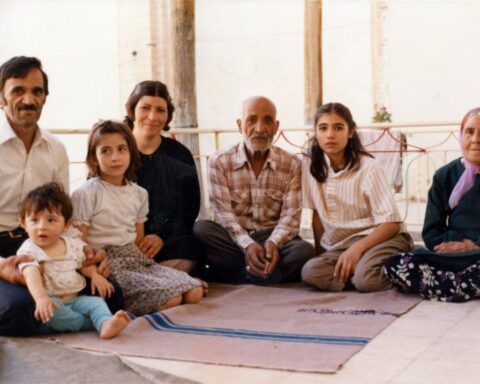
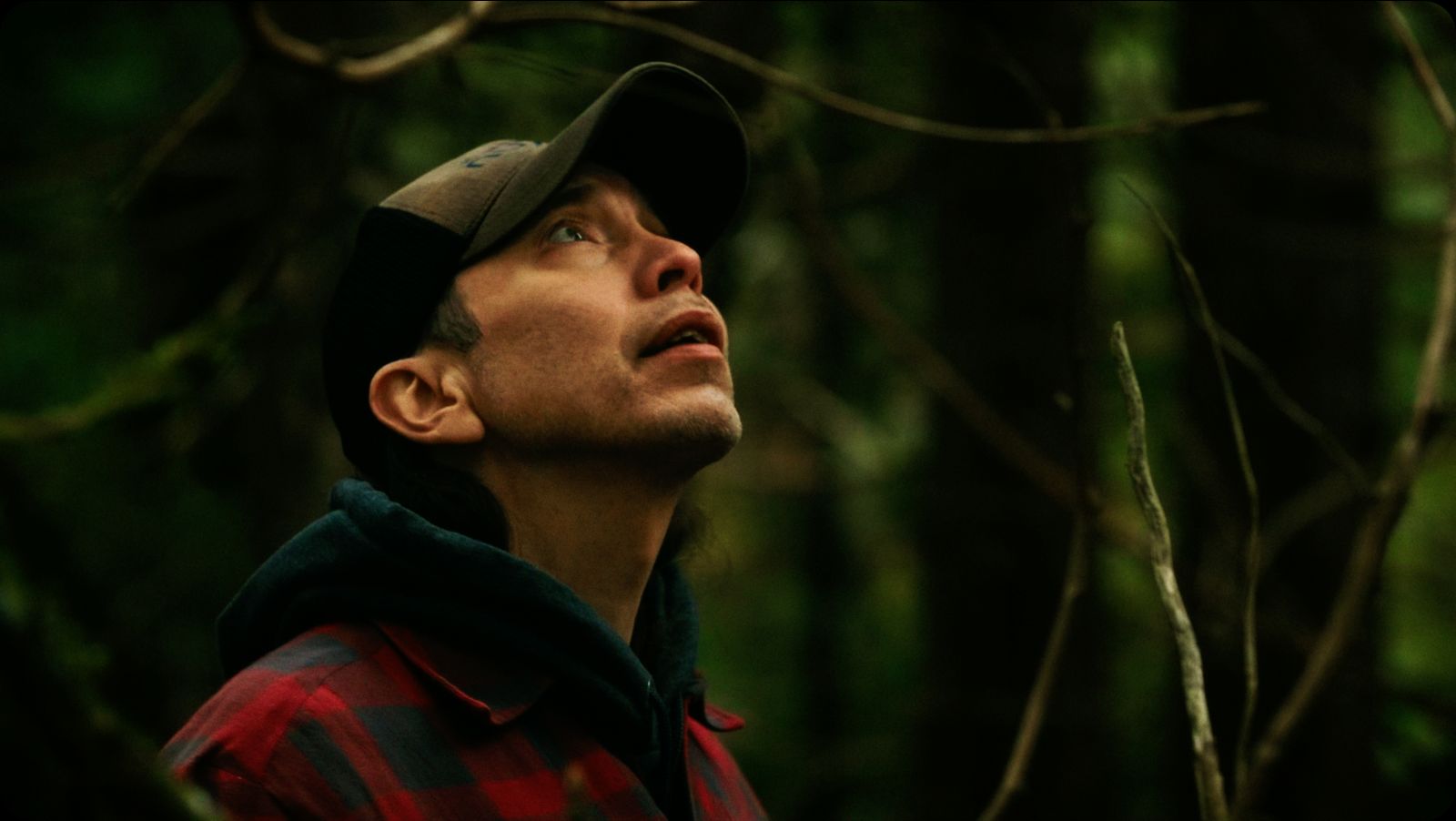
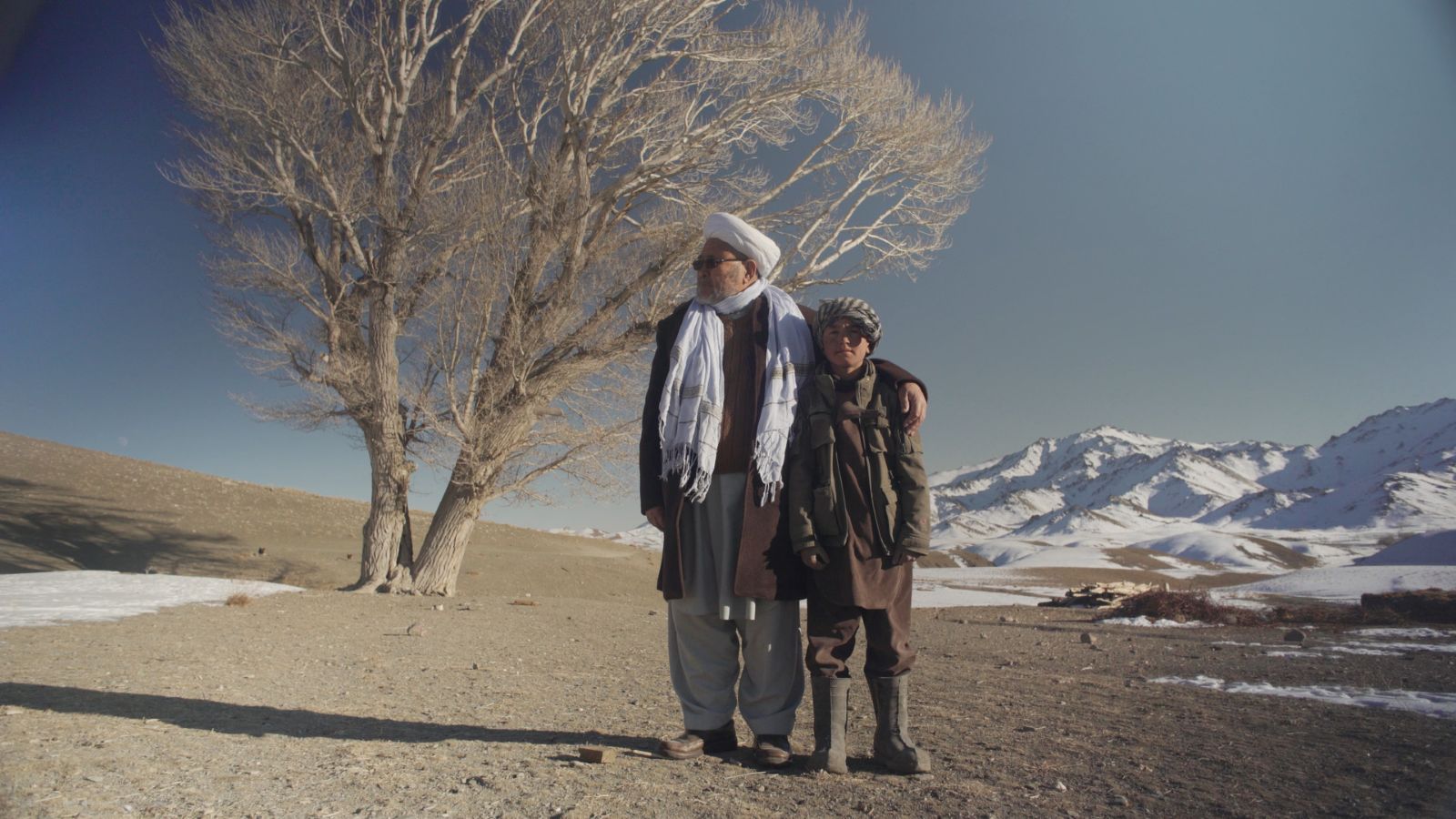
The central dynamic is the relationship between Hilmandi and his parents, especially his father, Baba. A religious man now living in Iran, we learn later on in the film that he was a former Mujahedeen warrior who forced his children to abide to military-like restrictions. Hilmandi’s many attempts to get his father to open up about the past are rebuffed, and much of the film’s tenacity comes from refusing to accept the reticence, while purposefully pushing over several visits for the head of the family to open up about the challenges of the director’s childhood.
Hilmandi follows his family to their former home near Kabul, just prior to the Taliban’s re-imposition of rule. Returning to the place from which they had sought refuge for decades allows Baba to reflect more fulsomely on the past, from the events surrounding Paikar’s birth, through to moments of camaraderie while camping atop a hill during his days as a militant.
Much of what Hilmandi receives from his father in terms of these reflections are spare at best, yet grasping for any meaning seems to drive much of the film. There’s evocations of larger issues, illustrating throughout the balance between unquestioned loyalty to one’s parents, and an adult reflection upon their own struggles that shaped how they in turn affected their children. It’s here that this highly specific portrait gains a larger, universal scope, all while unapologetically maintaining its highly specific focus on one family’s narrative.
Many will admire the floaty, trance-like vision of the various places in Europe, Iran, and Afghanistan that Hilmandi’s film showcases. At its heart the project revels in its liminality, existing between places and continents, the languorous narration and soft focus shots akin to a middle space between awake and asleep. Others will find this sleep-like style tiresome, a stylistic crutch masking what otherwise makes for some unfulfilling, insular observations that feel more scattershot than sublime.
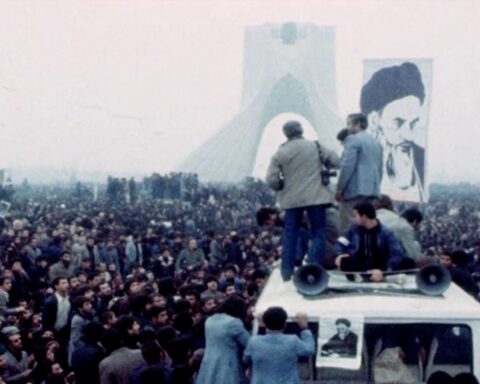
Whatever your response, Hilmandi’s camera does manage to effectively capture not only the vagaries of his own journey, but the specific time and place of the COVID pandemic, the last days of the prior Afghanistan regime, and even life in Iran before the most recent conflagration. It’s perhaps most surreal of all that these events of only a few years ago feel themselves almost ancient. The film forces audiences to confront their own memories of those times, as well as how certain aspects of the past are quickly buried for the sake of moving forward, just we witness those literally being brought to rest on sandy hilltops, the graves of the fallen hastily hacked out by men tirelessly swinging pickaxes.
While named as a warrior, Paikar as a film never quite settles on which battle it seeks to engage with. Life is messy, of course, and the myriad elements speak to the deep sense of displacement and uncertainty that the filmmaker clearly wishes to explore. While it doesn’t always succeed in widening its mode of exploration, occasionally devolving into moments more aimless than introspective, there’s still enough here to admire for those that wish to join Hilmandi as he tries to make sense of how he came to be. Along the way we are treated to images and individuals uncommon to see on screen, a factor that plays a major role in the film’s favour.