



Audiences looking to explore stories throughout Indigenous History Month might want to venture to TIFF Lightbox and take in the documentaries at imagineNATIVE. The festival devoted to films by and about Indigenous people returns today with a busy slate of films from Turtle Island and around the world. The festival features a fair bit of Toronto encores for audiences who may have missed some hidden gems among more high profile fare at events where they initially appeared, so imagineNATIVE carries a sense of resilience as it brings some of the circuit’s stronger titles, like Aki and Powwow People, back to the big screen for the cinematic experience they deserve. The festival starts on June 2 with Darlene Naponse’s Aki and closes on June 7 with Zacharias Kunuk’s drama Wrong Husband.
Here are some of the documentary highlights we’ve seen so far screening at imagineNATIVE 2026:
Aki
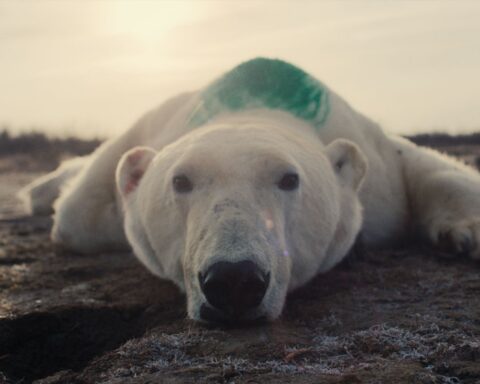
The festival kicks off with a sleeper hit from last fall’s Toronto International Film Festival. Aki may have been lost among the documentary slate, falling closer to a Wavelengths title and not drawing the appreciation it deserves (in part because the conversation around The Road Between Us simply overwhelmed everything on the doc side of TIFF). Director Darlene Naponse (Falls Around Her) offers a serene documentary that patiently observes the rhythms of nature in Atikameksheng Anishnawbek territory. Told with nary a word, it’s a soothing odysseys that invites a viewer to settle in and find harmony with nature as Naponse’s camera soaks up the sun. “Naponse firmly focuses the tone of her film on optimism, while acknowledging the fight against the destruction of land in the name of commercial prosperity,” says Rachel Ho in POV’s review from TIFF. “As the colours of Dgwaagi signal the coming of Biboon and Derkson’s final flourish swells on the soundtrack, Aki almost feels like a declaration from Naponse: Mother Nature will prevail, regardless of how hard we try to take her for all she’s got.” Aki opens in select cinemas later this month.
View this post on Instagram
Powwow People
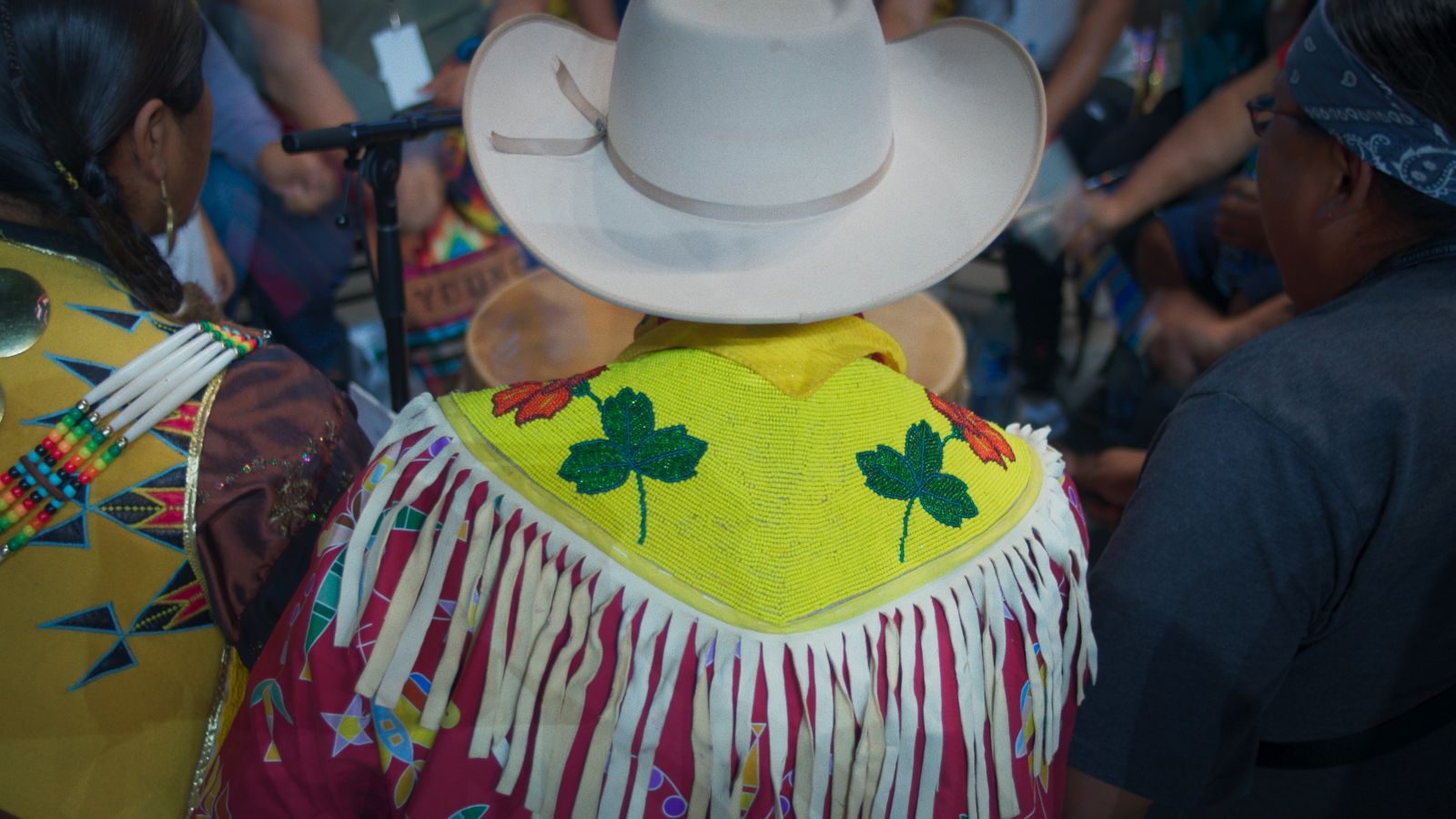
Fans of durational cinema and observational film will surely want to check out Sky Hopinka’s revitalising cinematic coup Powwow People. This slice of life doc observes a powwow ceremony over the course of what feels like a single day. (Hopinka shot three days but edited as one.) It’s an immersive portrait that covers the ceremony from all angles and uses the power of durational cinema in a daring final act that captures a dance-off competition in one 30-minute long take. “The camera moves around the field as dancers in full regalia jingle and jangle, feeling the rhythm and doing their communities proud,” notes Pat Mullen in POV’s review from TIFF. “What this extended view captures is a collective spirit, and it draws everyone in the audience in to share the moment. The powerful ending gets a good mic drop from Little Head, too. He shoots, but they all score.” Read more about Powwow People in our interview with Sky Hopinka.
Ceremony
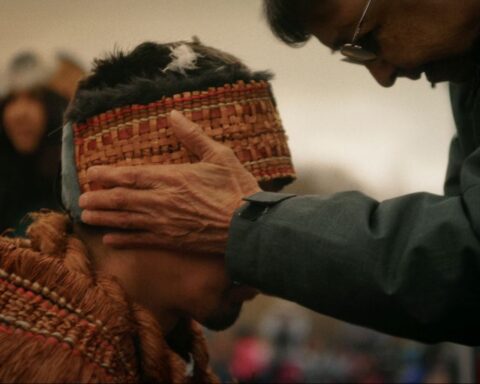
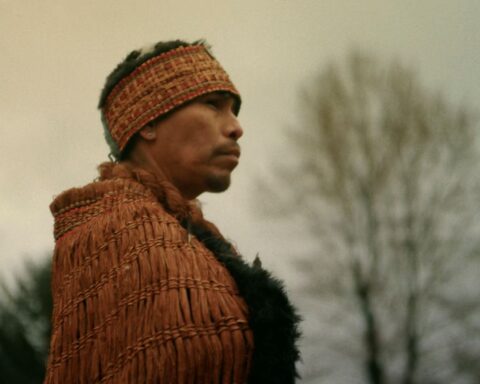
Ceremony strikes the right note between micro and macro level surveys as it explores the Nuxalk Nation’s efforts to restore the dwindling population of ooligan fish. Director Hanuse finds some very compelling characters who smartly connect the lore of the land with the Nuxalk’s resilience, but she also harnesses the landscape as part of the film’s design to give it sweeping scope and awesome emotional power. The film gets a Toronto encore after winning the Hot Docs DGC Special Jury Prize-Canadian Feature Documentary award. “Ceremony swims ahead of the pack with its elevated eye and emotional force that comes through succinctly conveying the interconnectedness between environmental concerns and Indigenous legacy,” writes Pat Mullen in POV’s review of the film. “It’s a thoughtful character study rooted in concerns of the land and its history, driven by the voices of participants with real stakes in the rich cinematic geography it traverses.” Read more about Ceremony in our report from case study session at the Hot Docs Industry Conference.
Ni-Naadamaadiz: Red Power Rising
A powerful story of protest and resistance comes in this documentary that revisits the 1974 Ojibway Warriors occupation of Anicinabe Park near Kenora, Ontario in response to violence and systemic racism. The film throws light on an overlooked story in Canadian history as director Shane Belcourt (Beautiful Scars) and writer/producer Tanya Talaga (Spirit to Soar) revisit how 150 people sought to reclaim the green space that served as a gathering place for the community in Treaty 3 territory. It shares how the late Louis Cameron fearlessly led the Ojibway Warriors in a stand that drew attention to government inaction, systemic violence, illegal land sales, and neglect for the community, including concerns regarding water tainted with mercury—issues that remain tragically relevant today. “Rightfully giving Cameron and the other protesters the praise they deserve, Ni-Naadamaadiz: Red Power Rising is a moving celebration of the unbreakable nature of the Indigenous spirit. Belcourt’s film highlights why it is important to keep these stories, and those who lived to tell it, at the forefront of Canada’s history,” wrote Courtney Small in his review of the film. Read more about Ni-Naadamaadiz: Red Power Rising in our interview with Belcourt and Talaga.
Walls – Akinni Inuk
From the producers of the Canadian Screen Award winner Twice Colonized comes this compelling exploration of the relationship between colonialism and systems of incarceration. Filmmakers Sofie Rørdam and Nina Paninnguaq Skydsbjerg take audiences inside Nuuk correctional facility where Inuk inmate Ruth serves an “indeterminate” sentence, forever caught in limbo. As Nina and Ruth become friends and the film follows her story over years, Walls empathetically captures an injustice in Greenland and Denmark’s penal system. “Rørdam and Skydsbjerg offer an intimate cinéma vérité glimpse of two women as they forge a connection,” writes Pat Mullen in POV’s review. “Nina becomes a mother throughout the years-long project. Ruth, meanwhile, becomes a grandmother. Her grandchild becomes one of many reasons that motivates her to reopen her case. She feels it’s time to return to society. Who else may judge that, however, proves a tricky process.” Read more about Walls in our current issue.
Aanikoobijigan [ancestor/great-grandparent/great-grandchild]
A striking consideration of reconciliation and repatriation comes in this innovative documentary by siblings Adam Khalil and Zach Khalil. The Sundance award winner considers the colonial violence that endures as the remains of Indigenous persons continue to be house in museums and academic institutions where bones become caught in a war of ownership. This film observes the fight to reclaim what’s lost so that bones may be put to rest and spirits healed. “Aanikoobijigan testifies to the necessity of laying these bones to rest. An interviewee explains the Indigenous perspective of returning the body to the earth to continue the cycle of life,” Pat Mullen notes in POV’s review from Sundance. “As an elder’s body decomposes, his or her memories nourish the trees and other plants. A proper burial therefore keeps knowledge alive. To keep bones in campus storage simply holds hostage a history of stories and traditions.”