


Steal this Story, Please!
(USA, 111 min.)
Dir. Tia Lessin, Carl Deal
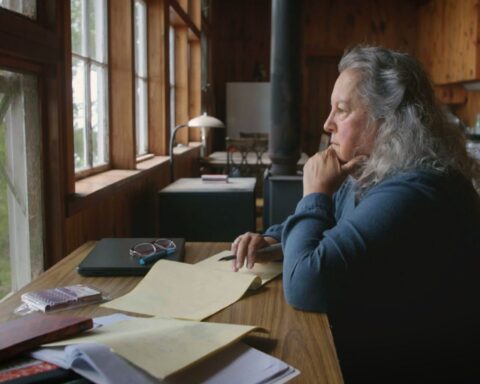
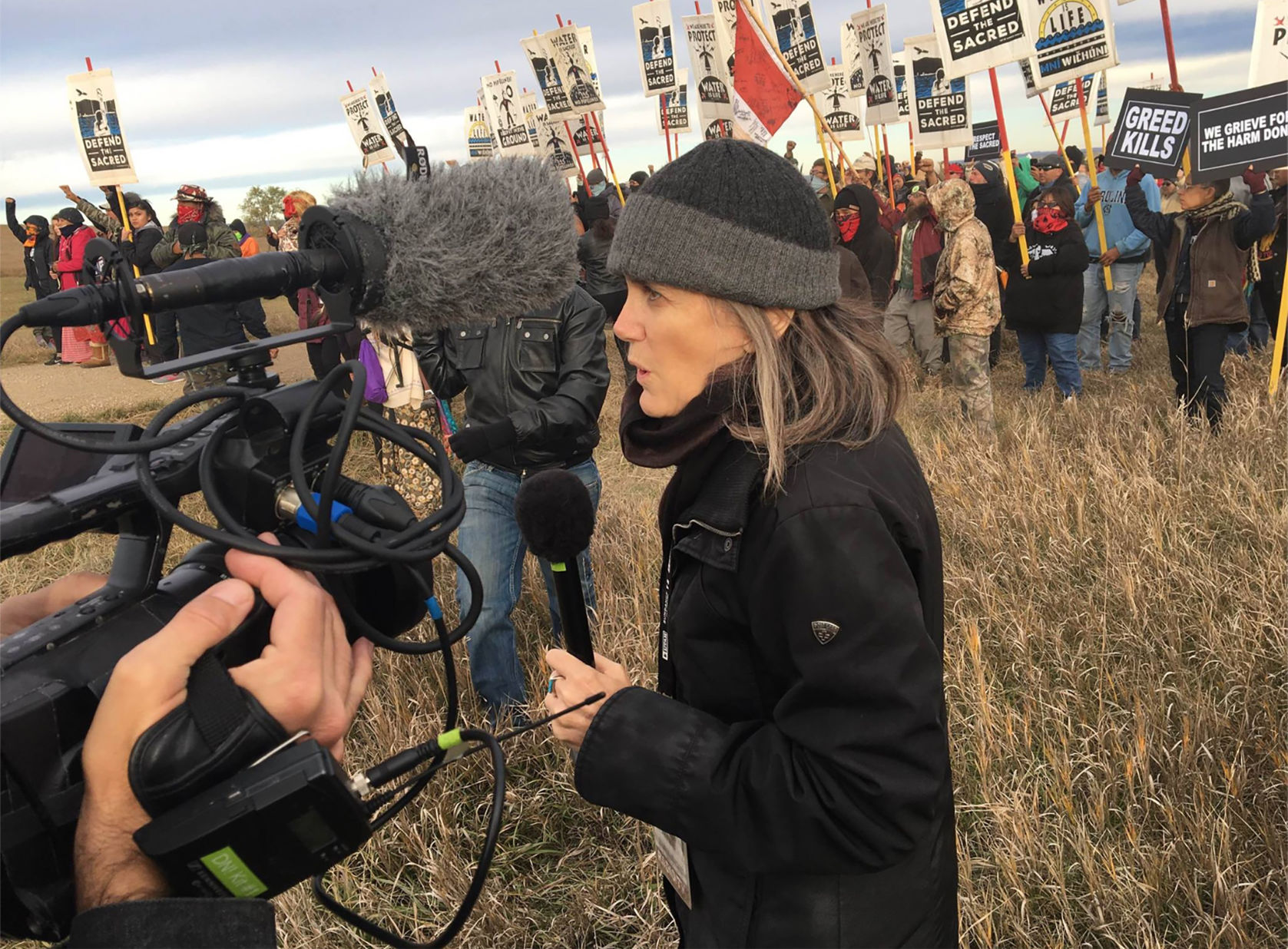
Freedom of the press might be a guaranteed right in the U.S. Constitution (for now, anyways), but relatively few journalists are truly free to report with integrity when the fickle nature of capitalism prioritizes ad buys over tough stories. A few independents rough it out, however, and report without accountability to shareholders. Democracy Now! somehow endures as a unicorn in the media. Led by fearless journalist Amy Goodman, Democracy Now! asks the big questions few news outlets dare to consider. Its audiences thrives with a hunger for the kind of doggedly independent reportage that Goodman and her team deliver. Goodman’s story offers a compelling reminder that smart, honest, and accurate reporting is a duty, not a business.
Moreover, Steal this Story, Please! makes the case that independent journalism is a calling. This film by Tia Lessin and Carl Deal (The Janes) uses Goodman’s biography to ask why mainstream media all too frequently bends the knee to higher powers when it should be holding them accountable. Goodman might not be popular with everyone at the White House, especially now, but she can command a half-hour phone call with a president. This actually happens when Bill Clinton phones her during the 2000 election with a plea to let him share a “get out the vote” message with her audience. She subsequently grills him on air for thirty minutes. She asks direct questions about why her listeners should heed his advice after two terms. Clinton labels her questions combative and adversarial. Goodman deems them her job.
Steal this Story, Please! gets its name from Goodman’s invitation for other outlets to follow her lead. That mindset finds a prophetic case study as the documentary begins with Goodman observing the news of the October 7 Hamas attacks and Israel’s subsequent escalation on Palestine. She immediately starts asking questions that many news organizations didn’t air until months or years later, if at all.
Goodman can’t help but laugh as she looks back and recognizes that she never really fit in with establishment media. She recalls having her plucky idealism torpedoed when an aggressive letter writing campaign to The Phil Donahue Show resulted not in a job interview but an invitation to join the audience for an episode about unemployment. After working various beats, though, Goodman vividly remembers finding her calling in East Timor in 1991. It’s a riveting story as she notes her arrival marked 15 years of ongoing violence in the small South Pacific nation that had gone largely unreported. Accompanied by fellow journalist Allan Nairn, Goodman played witness to the killings of the Santa Cruz Massacre. Steal this Story, Please! includes footage and reports they made while running for their lives. The harder the circumstances the better and more essential the story.
Lessin and Carl weave Goodman’s present day work, which includes walks with her trusty dog, Zazu, and her analysis of stories like the genocide in Palestine and the ongoing chaos of the Trump administration, with stories that shaped the place that Democracy Now! holds in the media space. These defining moments in the Democracy Now! story include a collaboration with journalist Jeremy Scahill in which Goodman ferreted out the truth about Chevron Corporation’s activities in Nigeria and protesters working to expose the oil company’s contamination of their land. The story features courageous voices who spoke on the record, but were then fatally silenced by Nigerian troops transported to the protest site by the oil company.
Come 9/11, Goodman and her team find themselves hunkered down in their new studio: a refurbished old fire station. The appropriately symbolic studio allows them to continue reporting from the danger zone. They break stories about the toxic materials in the air that posed serious health risks amid the clean-up, but were ignored when the area reopened prematurely for business. Goodman’s lingering cough speaks to the inaction of the government, but also other journalists who failed to acknowledge or amplify the story.
As the film looks between past and present, the filmmakers also connect Goodman’s Jewish heritage with her work ethic. She credits her grandparents’ survival instincts and a well-taught sense of curiosity, as she notes that her faith inherently involves asking questions. This inquisitiveness comes full circle with the story of October 7 and the violence in Gaza, as Goodman reports on Jewish protests for Israel to stop the war crimes committed in their name.
This contemporary episode becomes another defining moment in the Democracy Now! arc. The ongoing tragedy in the Middle East offers yet another case in which milquetoast reporting aggravated a situation beyond repair. Goodman’s story offers an inspiring call to action for audiences to seek better alternatives and support independent journalism. If Goodman’s philosophy is for other outlets to steal her story, then the film’s call to action might be for those readers and listeners to migrate to indie outlets that are doing it right. Maybe this kind of fearless journalism will be enough of an incentive for mainstream media to steal them back—or provide a new benchmark to change the status quo.