



Walk into the average clothing store and you’ll see a mix of signs: tops, bottoms, active wear, shoes. Most stores, moreover, house these sections within two other clear divisions: men’s and women’s. For people who don’t identify with one of the two binaries, though, navigating clothing aisles assumes greater significance.
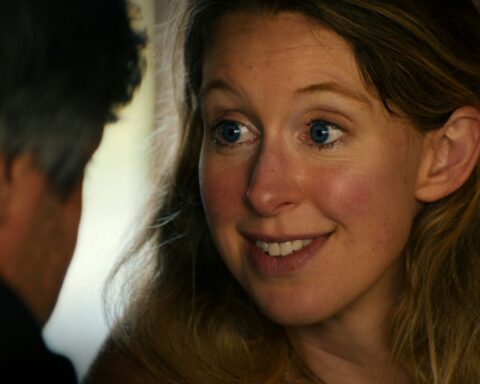
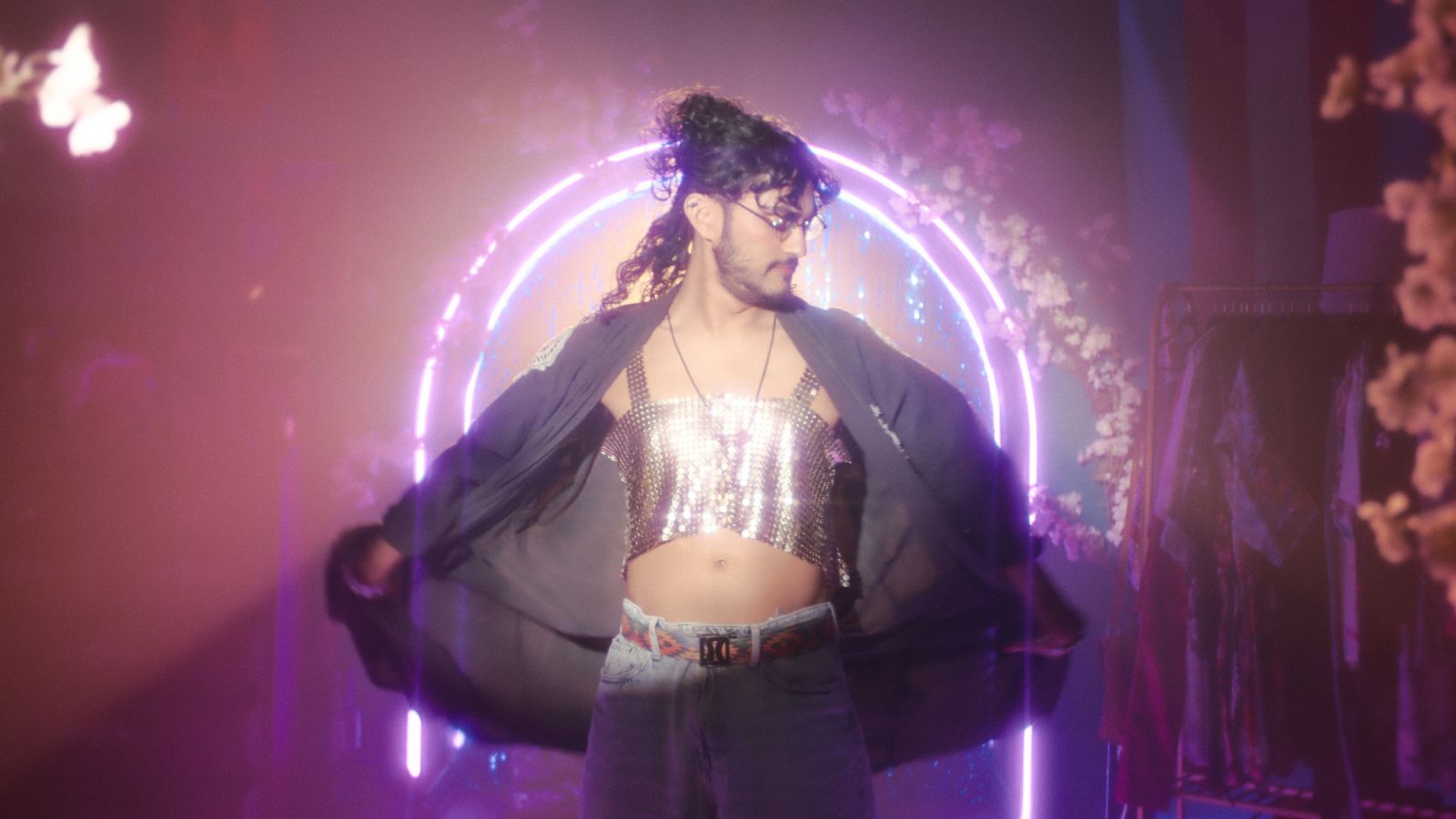
The web series In the Closet, directed and hosted by filmmaker/comic Ajahnis Charley, invites non-binary people to share their sense of style. The six-part series celebrates fits that draw from any section of the department store. Charley brings participants into the closet where they sift through key garments and ensembles that help them feel fabulously themselves. Throwing shade at cis people and their boring conventional garb that signifies male and female, the series illustrates why clothes play such an important role in affirming one’s identity for people who undergo a transformative process of feeling comfortable in their own bodies. These gender expressions defy traditional labels, after all, so the clothes must do the same.
As participant Meg McKay laughs, ensembles for non-binary people usually hew to two different styles: auto-mechanic or drapes. Sticking to the binary can mean covering up one’s body, rather than finding the right clothes to accentuate it. Charley flips through the different racks of clothes and learns how a tight cocktail dress can beautifully accentuate a traditionally male body while letting the wearer feel simultaneously masculine and feminine by embracing the space between the two.
In the Closet takes a conversational approach to style and self-expression. Charley puts their own eye for fashion as the subject of the final episode, while parts one through five feature comedians, actors, and drag performers. They’re all very big personalities—very, very big. The conversations are more kiki sessions than interviews, but they’re equally illuminating. Participants like Canada’s Drag Race contestant Chelazon Leroux, for example, unpack the social significant of their looks. Leroux shares how their persona of the gossipy aunty honours a staple of Indigenous families by embracing camp and shade, while their garments draw attention to the plight of missing and murdered Indigenous women and girls, but also men whose stories often go unrecognized. The conversations convey how clothes aren’t simply fashion: they’re political signifiers and assertions of existence.
The personalities are hugely supersized and the clothes prove even louder than the participants. Especially fun and revealing is the series’ fifth episode, which features comedian Bren D’Souza and their signature acid-grunge aesthetic. The comic drops some pointed lines that are as smart as they are funny while showing Charley their mix of patterned pants and religious iconography. Their clothes appropriate traditional signifiers with a hint of the sacred and a touch of sluttiness. But any look that inspires a double take lands a success if it makes a passerby reconsider the binary.
But they also go a little deeper with the personal risks entailed in picking something off the rack. If a garment doesn’t fit right—or fits a little too properly—it can unlock emotions one might not be ready to confront. Charley’s closet creates a safe space to work these feelings out in a way that’s productive, accessible, and mutually beneficial
In the Closet offers a smart and sassy exploration of the old adage that no one size fits all. While the series reflects the prevalent shift towards lifestyle programming among documentary series with its light tone and conversational style, it nevertheless pulls out deeper truths from all the layers of clothing and outsized personalities. It’s a fun fit for the NFB, if an unexpected one.