



All it generally took at this year’s Toronto International Film Festival was a shout-out to Lake Ontario to draw a cheer from the crowd. TIFF again soldiered on and perhaps enjoyed extra interest this year from international peers who’d rather not do business on the south side of “Lake America.” However the climate, though, Canada and the U.S.A. seemed to be on the same brainwave on the documentary side of the festival. The 2026 TIFF Docs slate boasted an especially strong field of titles from Canada and the States alike.
Moreover, with this year’s TIFF: The Market somewhat overwhelming the event overall, one can’t help but leave the festival discerning a rift between the industry and artistic sides of the festival. There are great films that are still looking for a home. (Overall, I can’t really comment about the Market, as I was only able to attend one documentary panel, as this year’s exceptionally compressed press and industry schedule demanded more Sophie’s Choice decisions than ever…TIFF might be smart to shift the Market back a day or two when events aren’t competing with all the headliners in the line-up, and one only gets so much from panels about films one hasn’t been able to see.)
This year, I was able to sample the full documentary slate at TIFF aside from a handful of the Wavelengths titles and centrepiece docs, and overall found TIFF’s doc side to again offer the range of options one hopes to see at the festival: major names at the top of their game, fresh discoveries, and engaged topical stories tackling important issues with creative vision.
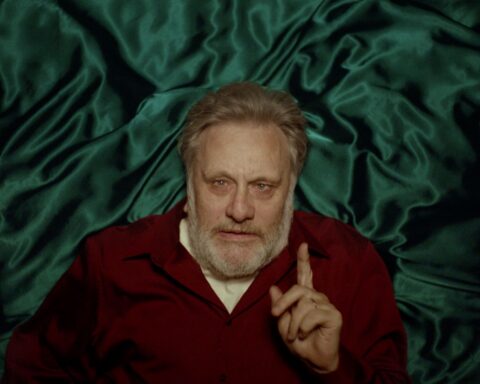
On the homegrown side, an unlikely political circus was easily a talking point of the festival: Matthew Rankin’s Ladies and Gentlemen, Brian Mulroney. This irreverently funny docufantasia boasts a hilarious history lesson (ish) as Rankin revisits the three ring circus of the Conservative leadership convention in the era of the first Quebec referendum. Through an ingenious interplay with archival material that zanily splices news footage with images from the NFB archives, the film harkens back to an era where conservatism didn’t automatically equate the poisonous vitriol of Donald Trump or Pierre Poilievre.
The film buoys a viewer by rambunctiously making Mulroney something of a rock star saviour—note the ingeniously funny cutaways to the screaming fans of Lonely Boy when Brian enters the arena—but the cherry-picked soundbites underscore the emptiness of political rhetoric. Some candidates might be a bit more media savvy, but they all spout whatever gobbledygook will sway a voter. Despite the unabashed Canadiana of the film, audiences seemed willing to embrace the strange, as noted by its win of the People’s Choice Award for Midnight Madness.
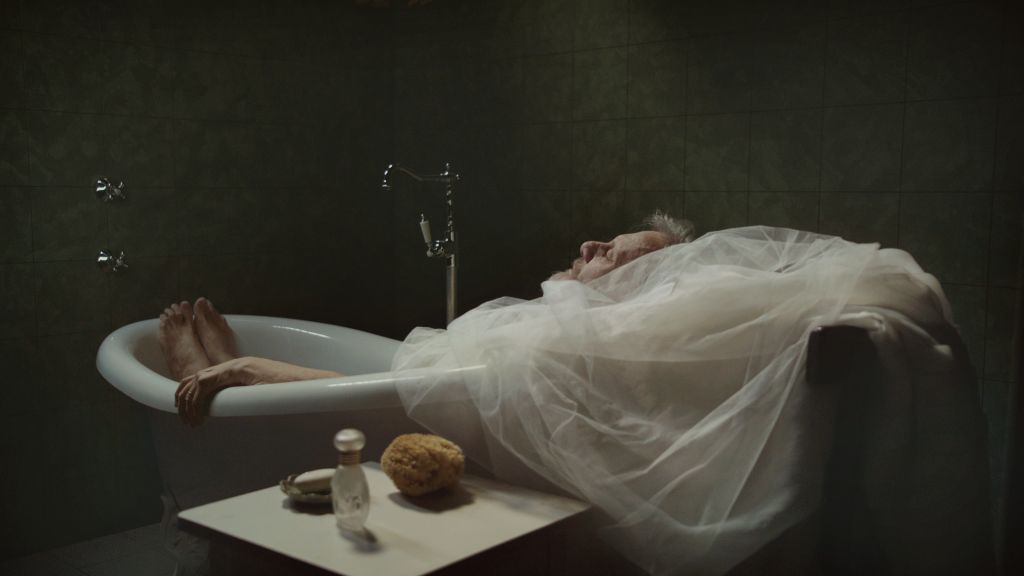
Several of the best documentaries at TIFF invited filmgoers to let loose. For one, Sophie Fiennes and participant Slavoj Žižek went three for three with their Perverts trilogy. Their latest, The Pervert’s Guide to Utopias, delivers another funny and thought-provoking foray into big ideas as Žižek put his film critic hat on and uses movies to explore existential questions about the apocalypse and the perfect world. Any cinephile simply must see it.
The same goes for two great surprises out of Latin America: The Hummingbird Paints Fragrant Songs and Like Magic. Directed by Èlia Gasull Balada and Matteo Norzi and Melissa Saavedra Gil, respectively, these aesthetically ambitious works illustrate quite evocatively the healing power of art. The former doc beautifully taps into the work of Shipibo-Konibo visual artist Sara Flores as she draws upon her people’s relationship to the natural world to create striking pieces that share messages of ecological harmony. The latter film, meanwhile, daringly probes the violent deaths of the filmmaker’s parents and flips true crime convention on its head with a road of inquiry that proved truly haunting. Both films are ones to watch on the festival circuit.
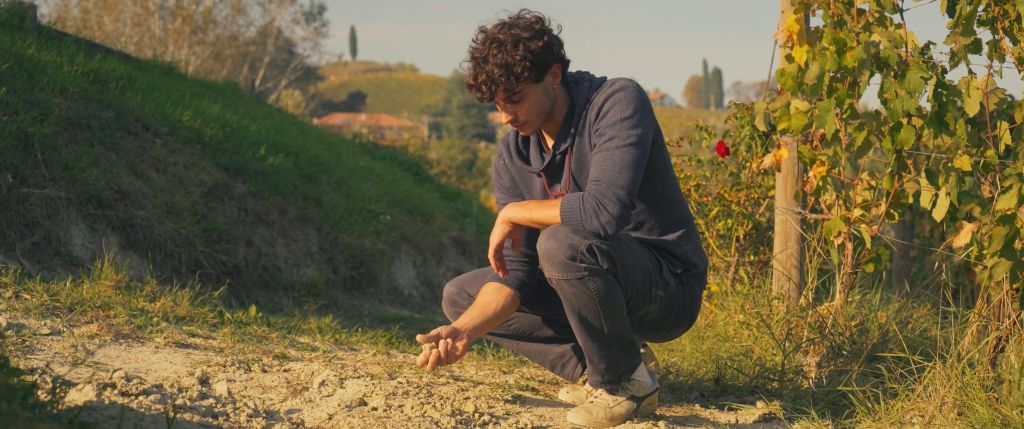
Also providing cinematic balm was Low Lies the Land, Emanuele Gerosa’s sumptuous portrait of winemakers in Piemonte, Italy. This gorgeously shot film uses the large scale of the cinematic canvas to capture the struggles and rewards of life on the fields. The film brings a great sense of play to its idiosyncratic cast, but also an eye for the bigger picture circumstances that surround them. It’s very effective as a study of labour and environmentalism alike, while also offering comfort food for doc fans eager to soak up the scents and flavours of wine country.
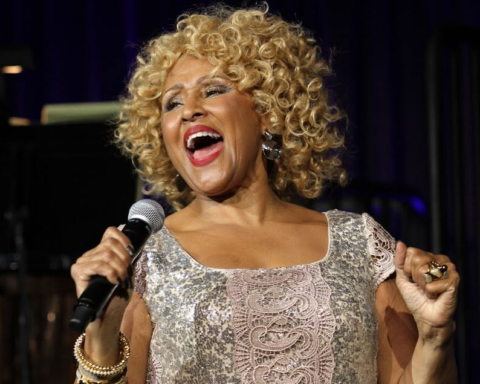
On the documentary side of the People’s Choice Awards, meanwhile, winner Darlene Love: I Know Where I’ve Been had some of TIFF-goers grumbling that director Barry Avrich won the prize back to back following the victory of The Road Between Us last year. These quibbles are generally silly: TIFF honestly isn’t going out of its way to rig its calling card. While the win for Darlene Love was a bit of a surprise, music docs tend to do very well with audiences, particularly when the film has such an appealing key subject and matches her underdog spirit—and played in much larger theatres than many of its competitors. The film may be among the most conventional works among the TIFF Docs titles, but it’s another handsome bio doc from Avrich that gave an artist her due.
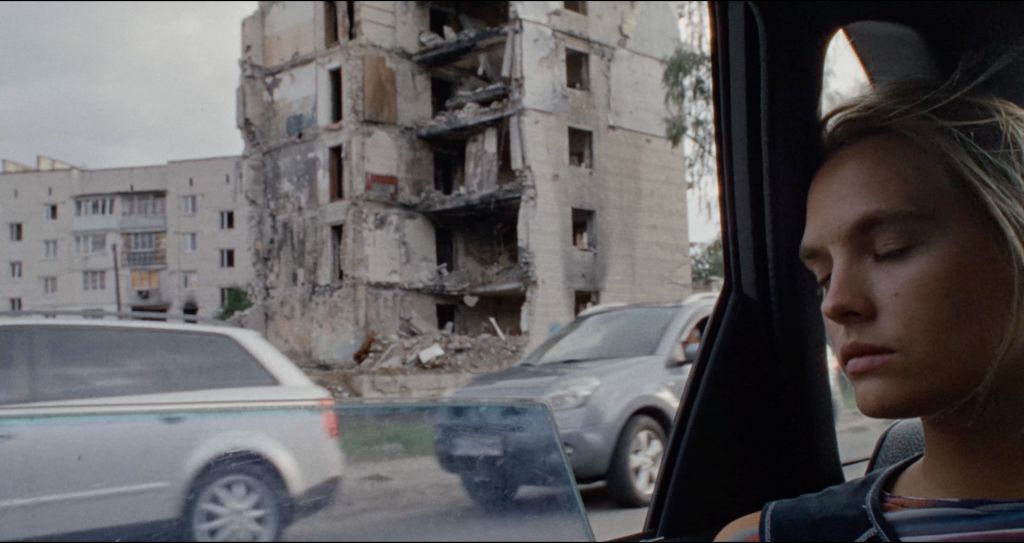
Meanwhile, the People’s Choice runner-up, Black Sunflowers, offered one of the festival’s great discoveries, not to mention a surprise appearance from executive producer Sean Penn to introduce the film’s premiere. Directed by American filmmaker James Marcus Haney, Black Sunflowers is an original portrait of the war effort in Ukraine. It’s an electrifying work that smartly taps into the restlessness of its young protagonists: ravers and civilian soldiers who protect their homeland amid the Russian invasion and blow off steam on the dance floor at night. The film’s vibrant and kinetic cinematography and editing conveys the heartbeat of a nation.
Rounding out the People’s Choice winners was Mila Aung-Thwin’s The Ultra Runner, another highlight on the Canadian front. The film about Romanian ultramarathoner Tiberiu “Tibi” Ușeriu marks a welcome return to the director seat for Aung-Thwin after a long-time championing others as a producer. Much like Black Sunflowers, The Ultra Runner offers a strikingly cinematic work with some truly awesome shots of Ușeriu braving the elements while running in the Canadian arctic and atop perilous mountains. Using a mix of documentary and drama, the film artfully reimagines the past from which Ușeriu is running, but always keeps top of mind as he shares stories about his prior life of crime as a cautionary tale for others. It’s a great film that seemingly checks all the boxes for what the market demands right now with elements of sports drama and true crime, so one hopes The Ultra Runner has a good life after the festival.
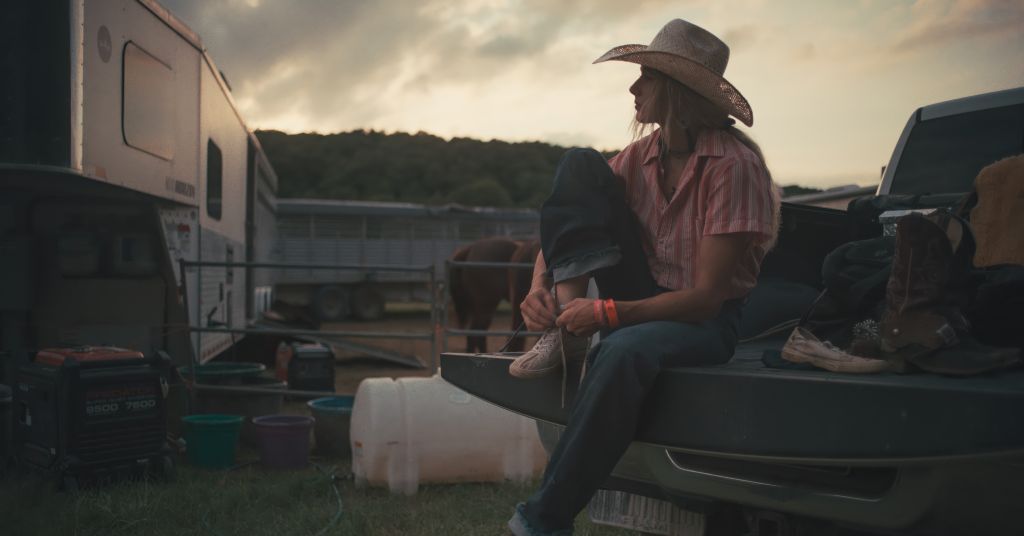
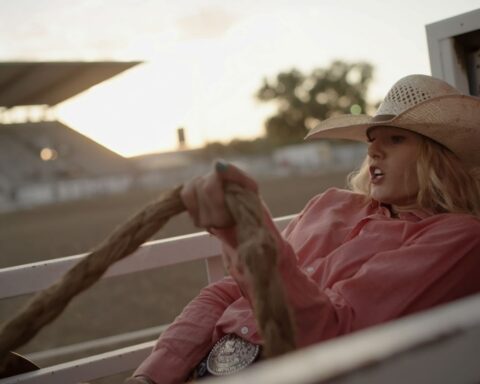
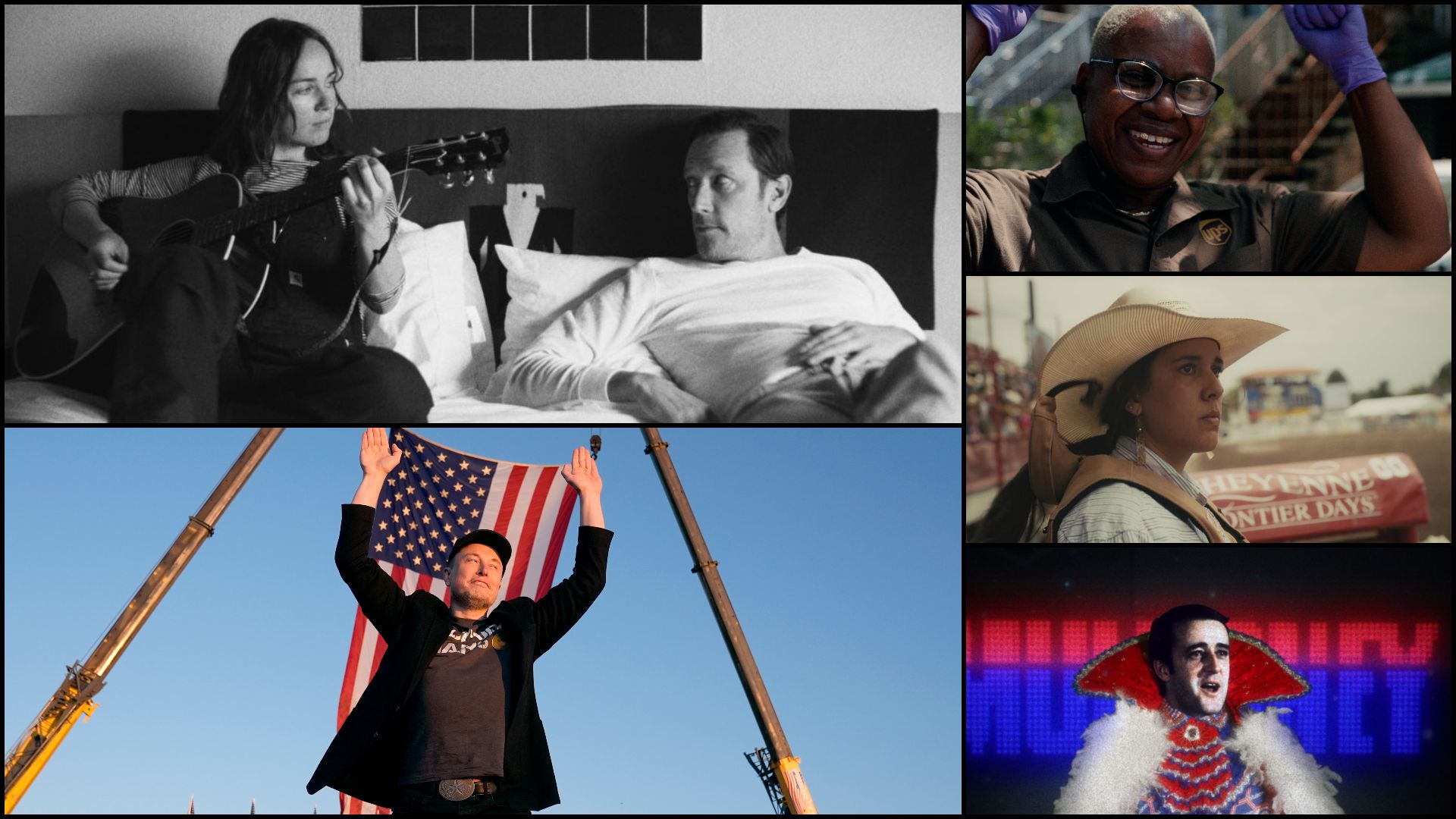
Ditto the American doc Cheyenne from director Taimi Arvidson. This portrait of women rodeo riders played as one of the no-brainer acquisition titles of the festival. Streamers and distributors would be smart to have faith in this lively and inspiring study of women riding broncos after a 90-year ban kept them from the arena.
Arvidson draws upon elements of competition documentary filmmaking while following a handful of cowgirls who, like Ușeriu, harness the adrenaline-rush of the sport to escape their demons. Arvidson makes audiences feel the passion resoundingly clear as the exhilaratingly shot rodeo sessions capture the riders atop bucking broncs with enough dramatic intensity to convey every high, low, bump, and bruise that comes from holding onto the saddle.
Speaking of adrenaline-rushes, TIFF again took audiences to the peak of Mount Everest. After Mountain Queen wowed the crowd in 2023, Everest: The Other Side gives a completely new perspective of the mountain. Shot in vertigo-inducing IMAX by directors Jimmy Chin and Elizabeth Chai Vasarhelyi, this white-knuckler of an adventure conveys an intimate and often uncomfortable perspective about the real-world stakes of extreme adventures. The film’s dramatic twist arguably changes the game for the accomplished Free Solo directors. Adventurers themselves, the documentary makes them ask how far one can go in the service of a story. It echoes many of the questions the riders of Cheyenne confront themselves, as any bad fall could, at very least, mean a short-lived career. With Nat Geo behind it, expect Everest to be one of the major theatrical docs of the year.
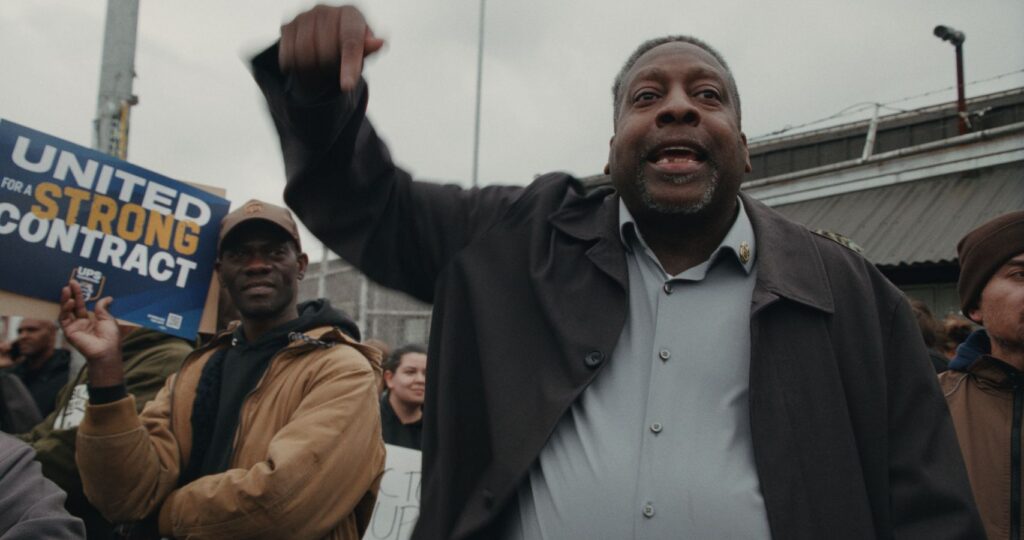
Everest arguably marks the duo’s best work since Free Solo and it also offered one example of doc masters in top form at TIFF. Toronto represents a full circle moment for the incomparable Barbara Kopple, who brought her new documentary Union Town to the festival and closed a thematic trilogy that began with Harlan County, USA at the inaugural 1976 festival with American Dream in between. Like those Oscar winning docs, Union Town serves a rousing feat of solidarity with blue collar workers. (As a TIFF treat, I also stopped by the new Cinema Cellar store on John Street to add the long overdue Criterion Blu-ray releases of Harlan County and American Dream to my collection.)
This time, Kopple and company examine the labour fight through the eyes of New York City’s delivery drivers, including UPS and Amazon workers, along with food-app couriers. The vérité doc observes the complexity of organizing amid tenuous work environments, as Kopple hardly witnesses a unified front. The film, a fine companion to Brett Story and Steven Maing’s Union, asks how everyday workers can risk everything by demanding corporate behemoths to consider the hands that make the machinery work. What proves especially fascinating as a continuation to Kopple’s labour trilogy, moreover, is her ability to observe the ways in which technology removed humans from the equation. In the 50 years since Harlan County, the picket lines pose an awfully different fight when robots and automated “workers” become the latest scabs.
The threat of technology, moreover, looms large in Alex Gibney’s gargantuan Musk. Arguably one of the biggest talking points on the documentary side, Musk boldly challenges audiences and rewards anyone brave enough to spend four hours in the company of odious huckster Elon Musk. The documentary nimbly distils and synthesizes all that is terrible and evil about the man who gained famed and accumulated considerable capital through start-ups and Tesla before blowing extraordinary amounts of money on space exploration and social media.
Musk obviously isn’t the escapist fare that one could enjoy at a festival as Gibney builds a gut-punch of an essay about the alarming implications of Elon’s unchecked power. But it proves worth the pain. The film leaves one feeling completely paralysed, but invigorated. It’s a major work by one of the masters of the field, and should provide a significant “stress test” for the documentary field if rumours about the flip-flopping of its international release are true. People need to see it.
Tough conversations also fuel two docs that could broadly, but somewhat incorrectly, be lumped into the talking heads field: Re/Pair by Lacey Schwartz Delgado and The Final Act by Sophie Deraspe. The former interrogates the strained relationships between Black and Jewish Americans, while the latter dives into the debates surrounding Medical Assistance in Dying. Equally provocative works, the films draw upon arguments from both sides of the arena to engage audiences with the fine art of civil discourse. They feel like counter-cultural works in the age of the culture wars.
Somewhat less successful, admittedly, is Edward Said: Between Worlds, which creates a strange pretzelling of the literary theorist’s career. As the film zeroes in on Said’s Palestinian activism, and provides some beautiful archival images from his life back home, it also plays like convoluted cherry-picking. His landmark literary text Orientalism barely serves as a footnote in the story, which comes as a bit of surprise given how much of the documentary sees him confront negative perceptions of Palestinians and Arabs in media—seemingly the exact work that makes Orientalism a staple on English class curricula. It’s an uneven take on a significant voice.
While TIFF had several works by influential veterans, it also introduced fresh voices that we’ll likely be discussing for years to come. For example, notable newcomers include Alexandra Lazarowich, whose feature debut Turtle Island Rap marks a solid addition to an already promising work. As she follows a trip of emerging Indigenous rappers, the documentary finds a new generation of artists discovering their voices anew, but also offering a rallying point for members of their own community to be seen and heard.
Ditto Carol Nguyễn, whose evocative Still Night, Burning House delivers on the promise of her short work, and Ashley Duong, who provides a moving account of her father’s story in Ba’s Book. Both films see the Vietnamese-Canadian directors take artistic departures with family stories, but beyond the one-liners, the films couldn’t be more different. They’re arguably in conversation with each other as both works explore the artistic process of healing through trauma. They revisit the past and confront dormant ghosts through tough conversations and artistic outlets. With any luck, we’ll see much more from these two filmmakers.
Also similar on the surface were two Canadian docs, Run Terry Run by Sean Menard and Man in Motion: The Rick Hansen Story by Adrien Buitenhuis. The docs about two Canadian heroes and athletes added to TIFF’s notable efforts to improve accessibility at the festival and to place disability in wider conversation.
Both films draw upon a handsome range of archives with the Fox doc using found materials for the entirety of its design, making a significant cinematic document about a man who captured the nation’s attention. Man in Motion, meanwhile, mixes interviews with Hansen and his team to create an equally moving portrait. Much like the pair of Vietnamese-Canadian films, the sports docs illustrate how no two stories are alike.

Meanwhile, Michael Maxxis’s Gail marks a strong change of pace from the rote world of music docs. This offbeat study of a hard-core Our Lady Peace devotee presents a wonderful window into fandom and the parasocial relationships that are part and parcel with celebrity. The film admirably shares Gail’s enthusiasm for the Canadian band as she hit numerous stops on their Canadian tour, often meeting them backstage with a VIP pass. But the film also uses Gail’s dedication to the band to ask larger questions about mental health, friendship, and feeding one’s passions. It’s easily one of the best surprises in the doc slate.
Finally, I have completely unexpected love for Bleeding Hearts, Andrew Morgan’s captivating portrait of the emerging bluegrass band Chaparelle. Every note of this film lands just right. Much like Gail, it bucks music doc convention and reinvigorates a genre that’s long felt stale.
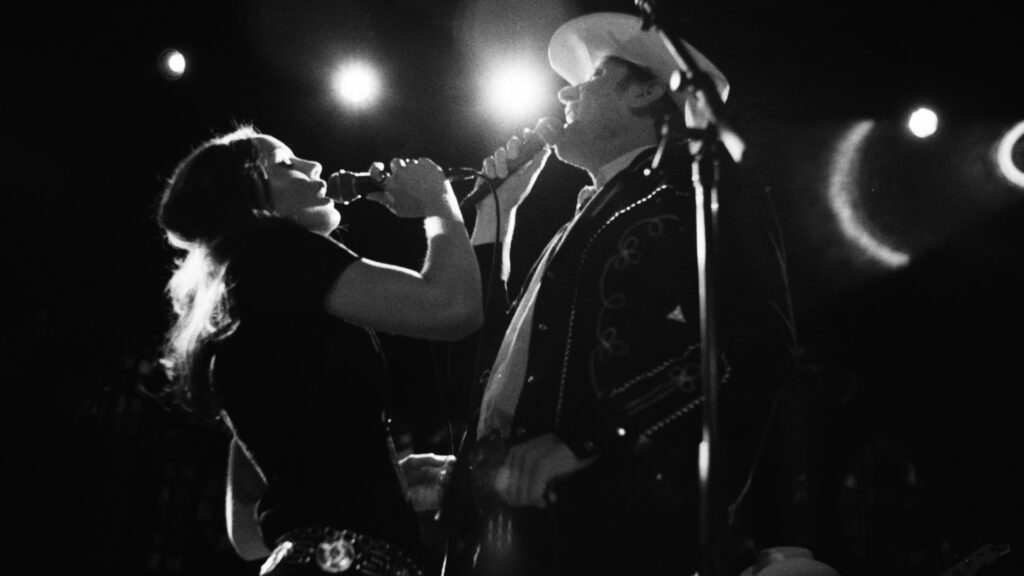
There’s freshness on both sides of the camera as Morgan observes the formative days of Chaparelle. The handsome monochrome cinematography chronicles the creation of a love song as two members of the band, Zella Day and Jesse Woods are also in the early stages of a romantic relationship. As Morgan hits the road with the band and captures their magnetic stage personas, the film gives a frank portrait of what it means to go all to pursue one’s dream. With both the band’s future and the relationship between the duo seemingly on the line in every backstage quarrel or strained moment after too many nights on the road, Bleeding Hearts gives audiences an intimate window into the creation of beautiful harmony.
The extraordinary access extends to the musical performances, too, as Bleeding Hearts offers a front row seat to Chaparelle’s exhaustive tour, and the film exudes a great sense of discovery. Where many docs trot out greatest hits and celebratory retrospectives, this one uses the power of documentary to introduce audiences to great music while allowing them to learn in real time the compelling stories of the artists behind the tunes. I wasn’t familiar with Chaparelle before the TIFF Docs line-up was announced, but their music was regularly on Spotify while I was working away on coverage throughout the festival. And when Canadians have been feeling parched after many months of tariff wars leaving our shelves bereft of bourbon, Bleeding Hearts provides just the right shot of southern comfort.