



Run Terry Run
(Canada, 108 min.)
Dir. Sean Menard
Prod. Sean Menard, Molly Ye
Programme: Galas
A 2004 TV series that sought to determine “the greatest Canadian.” From over 10,000 names submitted, the runner-up in the TV series—and, frankly, the person who many people would likely say topped the race if you asked Canadians who they thought finished in first place—was Terry Fox. The Canadian hero endures as a symbol of courage in the national consciousness. The story of his landmark 1980 cross-Canada run to raise awareness for cancer research is taught in classrooms nationwide. High schools, roads, and sports centres bear his name. The 21-year-old who lost his leg to cancer but found the courage to hop-step across highways central to our national consciousness. But not all Canadian stories successfully make the leap from Heritage Minutes to theatrical features.
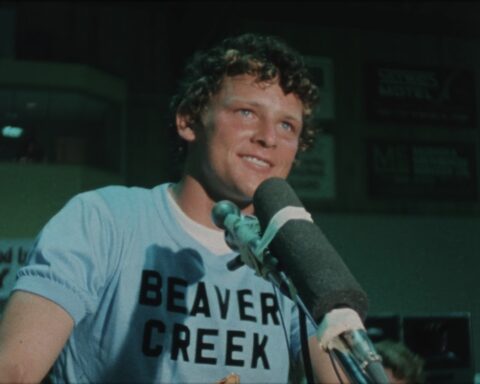
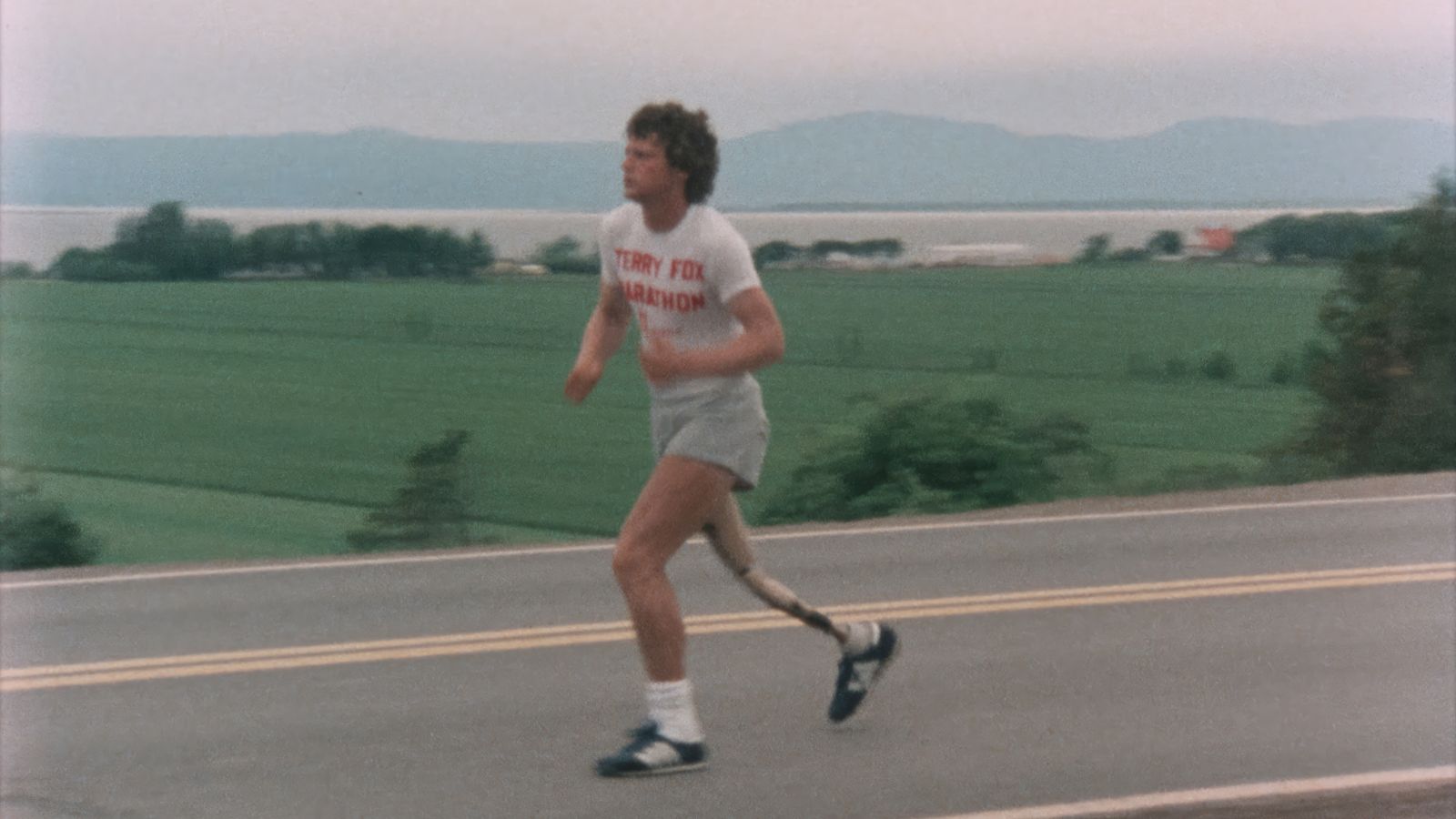
Thankfully, the Terry Fox story does. Run Terry Run might not be the first take on Fox’s trek—see the 1983 The Terry Fox Story, a stilted relic of 1980s’ CanCon that’s best forgotten, and the equally well-intentioned 2005 Shawn Ashmore biopic Terry. However, this all-archival portrait from director Sean Menard (299 Queen Street West) offers a definitive take on the Fox story. It’s a meticulously researched, deeply moving, and lovingly crafted film that retraces Fox’s journey. And while every frame comes from the archives, Run Terry Run plays in the present tense. It’s proof of Fox’s enduring legacy as the Marathon of Hope continues today.
The documentary draws upon a wealth of material, including 96 film reels that the Terry Fox Foundation dug up for Menard. The footage includes extensive outtakes from John P. Simpson’s 1981 CBC documentary Terry Fox: I Had a Dream. Much of it therefore has a journalist’s framing and a national broadcaster’s patriot spin. However, Menard and his team punch it up terrifically well. (Archival producer Lucas Lee deserves some major credit for the work here.)
The film features new interviews with key players who were at Fox’s side throughout the run. Voices include Fox’s brother Darrell, friend and driver Doug Alward, and journalist Leslie Scrivener. The latter tells how she covered his story as a guppy for the Toronto Star. She remembers typing a quick note about a kid with one leg embarking from St. John’s Newfoundland with ambitious plans to hobble all the way back to B.C. However, she recalls an intuitive editor who had recently lost her mother cancer and recognized a story with legs. Scrivener recounts her frequent check-ins with Fox and offers a compelling play by play about the story’s growth and longevity. What begins as a throwaway new bulletin becomes a human interest story that inches above the fold weekly. The rest, as they say, is history.
Run Terry Run offers a thorough take on Fox’s story as Alward outlines the environmental strains and physical tolls. His perspective is key having been by Fox’s side from the very beginning. He gives insight into what keeps Terry going, especially in the days before iPods, and what makes Terry tick. (Namely, bad press.) The footage, always showing Fox running from screen right to left while trotting into the wind, displays remarkable continuity. With every story from Alward, Scrivener, and Darrell, Terry’s run proves more courageous with each step. The range of coverage from this one news story illustrates quite poignantly how well Fox captured Canada’s attention.
The participants remind audiences that this marathon was a modest operation. Fox’s publicist, Bill Vigars (who recently passed), shares memories about drumming up press events to raise awareness so that Terry could inspire Canadians to donate. It’s a portrait of a grassroots effort to rally Canadians for a cause. There’s something about the story that resonates strongly in a contemporary context: How nice it is to see people united by positive headlines.
Menard taps into that message, too. Fox’s tale offers one of healing amid division. The story encounters a road-bump when Fox strides into Referendum-era Quebec. Alward recalls how he and the Fox brothers spoke little French, so they struggled to connect with Quebeckers. Language barriers and a lack of awareness also put Fox at risk, as drivers sped by wondering about the guy in the white t-shirt shuffling down the road. However, cutaways to Pierre Elliott Trudeau urging fellow Quebeckers to vote “no” on the separation ballot position Fox as a national healer. Interviewees with folks from Fox’s stops all over Ontario credit him for brining Canadians together. But it is also telling that Fox outranked the elder Trudeau years later in the poll of memorable Canucks.
The doc also illuminates Fox’s story with some information that didn’t make the 1980s’ headlines. Scrivener tells of Fox having a heart weakened by cancer treatments. She admits that couldn’t run that information back in the day, though. She notes that such info risked tainting the story. The film admittedly Fox as being very sensitive to any press that cast doubt on his abilities. (Understandably so.) Menard situates Fox’s courage within a social consciousness that was only beginning to make inroads for accessibility. Ableist language and attitudes abound, but the film also captures a shift in public perception thanks to Fox’s stride.
The film wears its heart on its sleeve, but appropriately so. Even though one knows the outcome of Fox’s run, there’s a point in Run Terry Run where one almost forgets and assumes he makes it. His termination of the run outside of Thunder Bay still hits as a surprise. Meanwhile, his efforts to offer words of encouragement to Canadians while in proximity to immanent death provides a well-earned emotional arc. A triumphant score by Thomas Caffey ensures that bittersweet tears will be flowing by the end, although Menard concludes the film with some perceptive words by young students. They articulate that people shouldn’t feel sad for Terry Fox. Menard seemingly agrees, as the final images show Terry running again as the marathon continues. There couldn’t be a more fitting portrait of this hero who inspires Canadians to keep running decades later.