



Union Town
(USA, 106 min.)
Dir. Barbara Kopple
Prod. Barbara Kopple, Hannes Hosp
Programme: TIFF Docs (North American premiere)
“Get up, get down, New York is a union town!” chant the teamsters on the picket lines. This invigorating documentary from Barbara Kopple captures the hands that move America as they fight with all their might. Union Town completes a major thematic trilogy from Kopple that began with the Oscar winning duo of Harlan County USA (1976) and American Dream (1990).
After capturing the coals miners campaigning for their lives with their wives rallying beside them, and then the Homel Ham employees picketing in the freezing cold, Kopple closes her union doc trilogy by observing contract workers at UPS and Amazon, plus deliveristas peddling food app orders around the Big Apple. These three perspectives show America at a crossroads as the high price of free shipping costs everyday workers dearly. And yet the three-pronged approach lends the portrait of the labour fight intimate perspectives with epic scope as the implications of these stories extend far beyond the hustle bustle of New York City in the age of the gig economy. Union Town has huge shoes to fill on the heels of Harlan County and American Dream, but it capably meets the bar set by its predecessors. This film sees a master of documentary working at the top of her game.
The film opens with the brewing unrest among these workers as they ready to strike in 2023. The summer heat has nothing compared to the rising thermometer in the Local 804 as teamsters push for a new contract for UPS delivery people and workers. It’s been years since their wages saw a fair increase, while part time workers have remained stagnant with an hourly rate that can’t sustain them. Kopple observes the ins and outs of the negotiation process through the eyes of Tony Rosario, a longtime teamster and father of two who uses his need to provide for his family as inspiration to rally fellow workers in a united front. A union man to the core, Tony articulates the essence of the film as he teaches his young son about the power of collective action. He gathers some kindling and shows the boy how one twig snaps easily. Hold the sticks together, though, and they don’t break. Their shared resistance protects them from powerful forces.
In the fashion of Harlan County USA and American Dream, Kopple’s vérité approach offers a fiery act of solidarity with the workers. Union Town observes a cross-section of hard-working Americans fighting with their whole hearts, yet barely scraping by. Dexter Cox, for example, grants an interview while he walks Kopple to his bedroom. It’s just a few steps from the factory where he works, with four wheels and a seat belt to secure him snugly like a blanket as he sleeps between shifts. Without beating audiences over the head, the film asks how the land with so much promise and purported opportunity has workers literally living in their cars because the combined cost shelter, plus the commute, simply doesn’t win the cost/benefit analysis. Add issues of safety and hygiene—his bathroom consists of two empty Gatorade bottles—and the situation looks pretty bleak.
Ditto the story of Shellyann Elliston. This UPS delivery driver sweats it out in her truck while illustrating why air conditioning is such an important line item amid the bargaining. Burnout and exhaustion are her reality. The camera watches as Elliston lugs and manoeuvres giant boxes while delivering goods, only to return to a car that’s a tiny oven.
The tolls of daily labour that Union Town observes have significance in post-pandemic life. All the delivery workers in Kopple’s film whiz around the city so that people can enjoy the convenience of shopping, eating, and working from home. Delivery bikers ferry Gatorade for kids too hungover to leave the house, while drivers like Elliston also perform an essential service for people with disabilities. One customer eagerly tells Kopple that the looming strike could leave her dead. She relies on Shellyann’s labour and diligence, but the UPS brass doesn’t see that.
Other threads in Union Town observe the challenges of working within an automated and app-driven gig economy. At UPS and Amazon, delivery drives have psychotic thresholds to meet. Food app couriers see orders cancel on a whim and leaving them stranded with abandoned meals, sometimes with the company putting them at fault for the order’s cancellation. Union Town sees how little recourse workers have when the algorithm replace the HR department. It’s brutal, callous, and a factor in the looming strike’s significance.
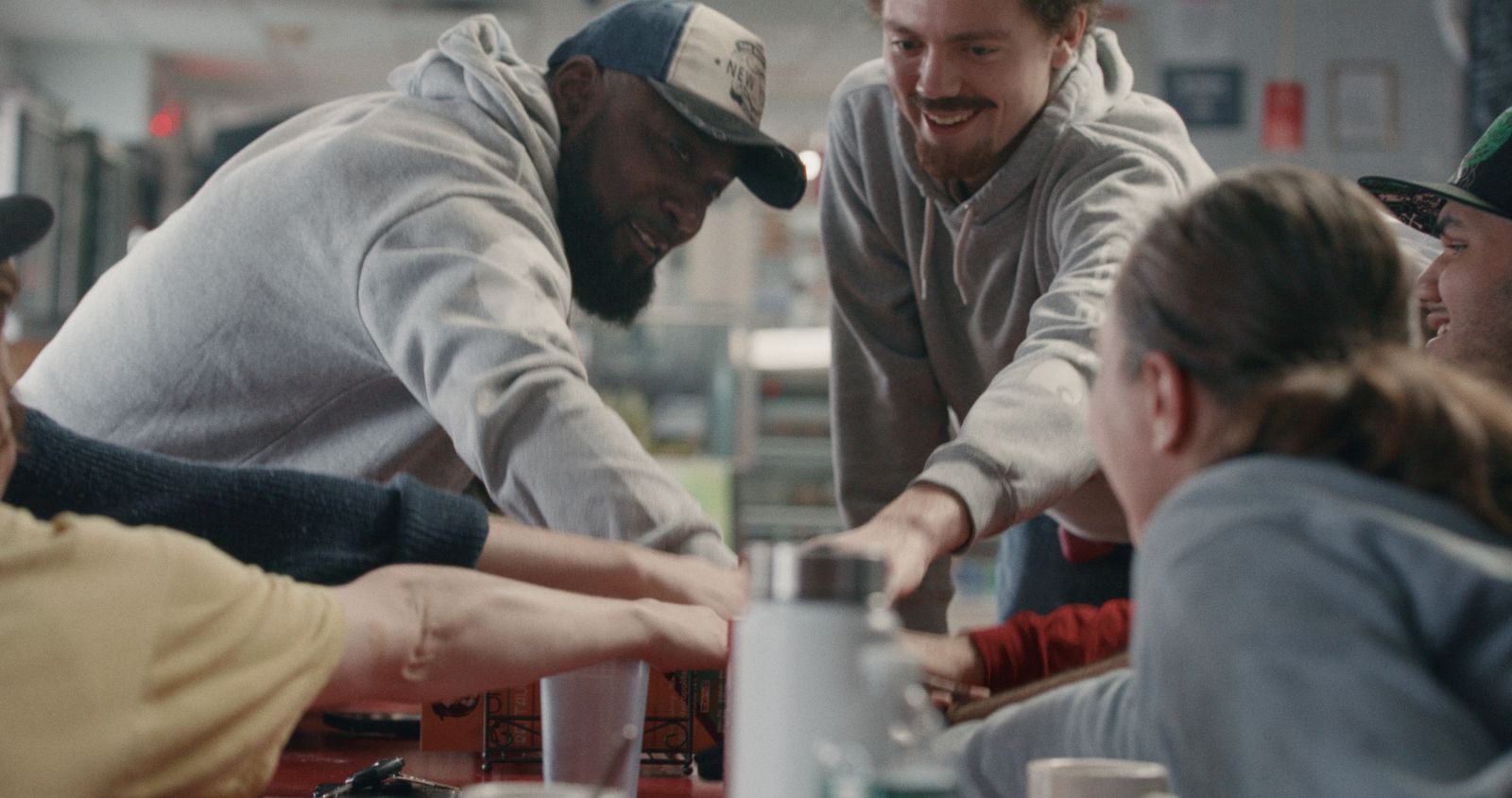
The battle wages on as UPS workers vote on whether to approve the deal. It’s not a unified front among the union and Kopple, in signature fashion, gets some tense material from the picket lines and town halls as workers disagree about taking the deal. Particularly sticky are the terms for part-time workers, as peers with erratic schedules essential find themselves taking one for the team because the union wants a win. Even among comrades, the film sees a “separate, but equal” mentality in full swing.
In the parking lots of Amazon, Union Town finds echoes of Brett Story and Steven Maing’s equally strong Union as workers rally against the online shopping behemoth. This film similarly witnesses gross intimidation tactics by Amazon as the company invests considerable resources to intimidate workers—including rallying the police against them, even forcefully so—to ensure that a union’s might doesn’t reduce the corporation’s bottom line in the name of equity. The film lets audiences observe how a company that peddles in convenience might resist doing the right thing.
As the film whizzes through the streets with these workers and captures them in the thick of battle on the picket lines, it observes America at a time of reckoning. Within Kopple’s body of work, Union Town astutely shows the old adage that the more things change, the more they stay the same.
Nobody takes a shot a Kopple and the workers on the line in this film, but in the 50 years since the fight of bloody Harlan, corporate America shows that it hasn’t learned a thing. Moreover, as Trump returns to power, the threat of ICE agents make the job doubly dangerous as the corporations and anti-union fuzz invoke the possibility that these workers, many of whom are immigrants and undocumented labourers, could easily be snapped up and transferred home if they don’t accept the lesser offer. One woman tearfully expresses regret over coming to America, acknowledging that the exhausting life of inequality and poverty wasn’t what she imagined.
As these compelling characters collide, their stories present audiences with a choice. Food apps, online orders, and easy delivery are options for able-bodied folks as brick and mortar stores exist. So do equitable alternatives. The vote is a shopping cart away. Union Town proudly swells with collective spirit as these workers fight for a better future. The song that ends Kopple’s film inspires a familiar sentiment: Which side are you on?