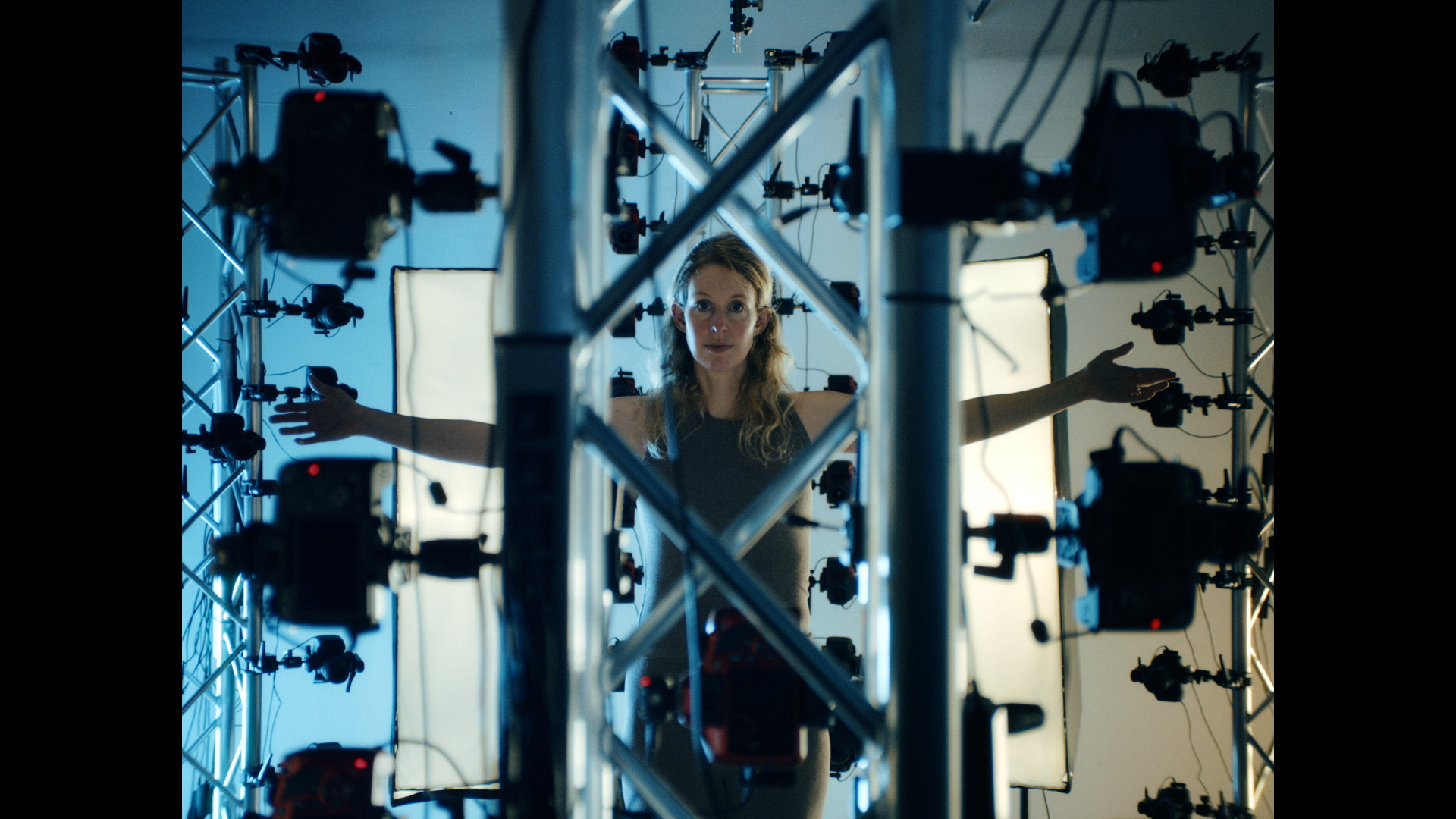



Between the massive success of You Can See Everything, the swell of support for Run Terry Run, the sell-outs for NAZA, and the chatter for Musk, there are lots of doc options at the theatres – but these popular hits might have full houses in the days ahead. In case readers don’t already have a ticket for some of these much-buzzed docs this week, don’t fret. There are no less than three film festivals running in Toronto’s “Festober” season.
If the recent shifts in the weather pique your curiosity about something in the air, look no further than the Planet in Focus Environmental Film Festival. If the current theatrical landscape gives you a desire to see more diverse representation in movies, check out Reelworld Film Festival. And if keeping pace with the dizzying regional festival circuit and endless cycle of event screenings leaves you feeling exasperated, take in some stories about mental health and addiction at Rendezvous with Madness.
Here are some documentary highlights screening at each of this week’s festivals, listed in calendar order.
At Planet in Focus
Nuisance Bear
Tues, Oct. 20 – Paradise Theatre
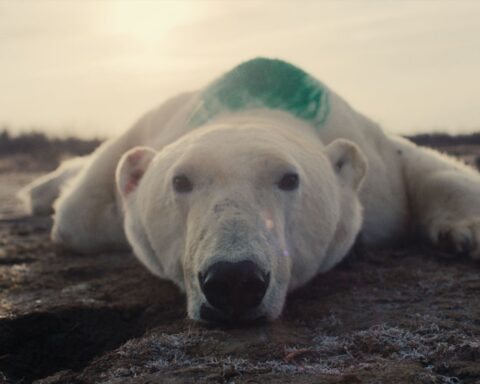
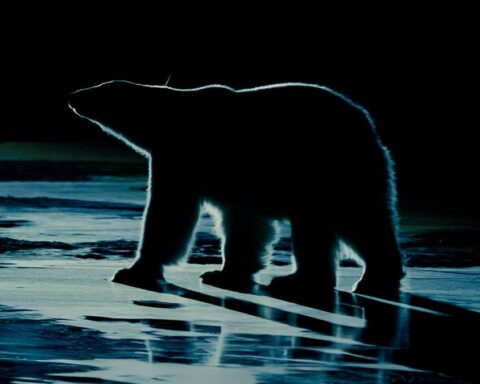
Planet in Focus kicks off with one of the year’s best films: Nuisance Bear! This absolute delight of a film won the Grand Jury Prize for U.S. Documentary at to fuel a worldwide tour. Canadian filmmakers Gabriela Osio Vanden and Jack Weisman expand their equally terrific short and return to Churchill, Manitoba to take in the migration of polar bears from the arctic as climate changes forces a new path in their travel plans. Especially ambitious, and admirable, is the film’s effort to expand the story of displacement to the stories of Inuit and Indigenous populations, all the while balancing an offbeat tone that provides a light touch without making light of the situation. “The feature furthers many of the ideas explored in the short, but with a cinematic eye that elevates the material on every level,” I wrote in our review from Sundance. “This is a beautifully shot and artistically innovative environmental fable that masterfully connects the layers of colonial history within the contemporary climate crisis.” Read more about Nuisance Bear in our interview with the filmmakers and how the documentary sits within a larger body of films that illustrate urgent stories about the North.
The Blueberry Blues
Thurs, Oct. 22 – Paradise Theatre
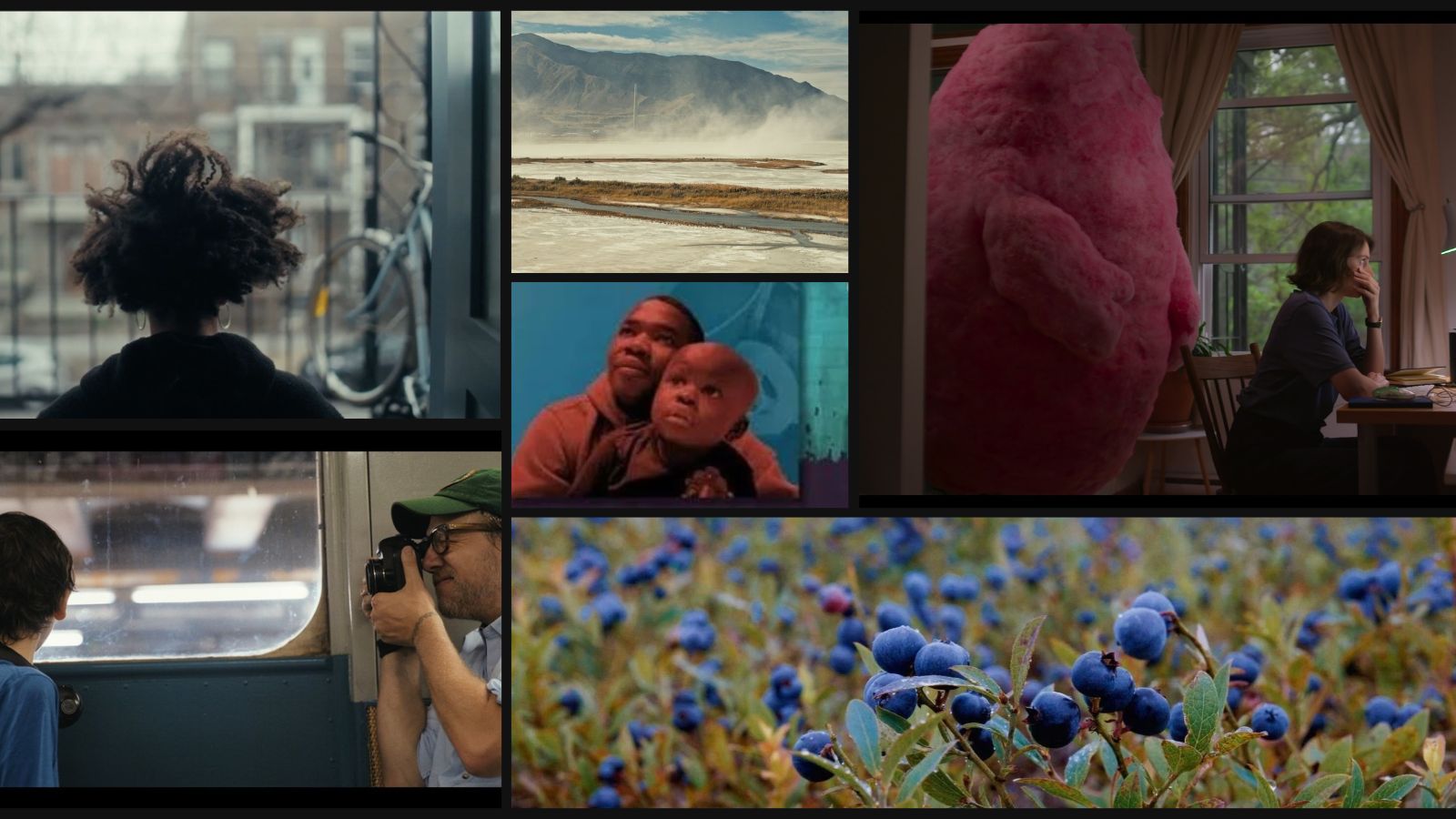
Planet in Focus adds a bittersweet tribute to the festivities with the Toronto debut of The Blueberry Blues (Les blues du bleuet) from late filmmaker Andres Livov. The film previously served as the closing night selection of last fall’s RIDM where it won the Women’s Inmates Award. Livov’s final work focuses on the rich blueberry crop of Lac-Saint-Jean, Québec and observes as local hands gather to harvest the berries, which yield wonderful jams, pies, and preserves to fuel residents and tourists alike for the seasons ahead. The blueberry harvest intersects with different winds factoring into climate change, including the helping hands of migrant workers and the larger social dynamics their presence represents, while looming wildfires evoke a wider crisis. The festival screening pays tribute to filmmakers who understand that the implications of the stories they tell far outlast their own time on earth.
The Wind’s Thirst
Fri, Oct. 23 – Paradise Theatre
Wayuu warriors in Colombia’s La Guajira desert provide three sets of eyes through which one sees this visually arresting environmental tale. The Wind’s Thirst, which has its Toronto premiere at the festival, offers another perspective in the interconnected network of stories about growing water scarcity in the face of climate change and radical new forms of human industry. Director Alejandro Valbuena lets the camera witness the fight of three Wayuu elders when a local reservoir becomes diverted to assist a mine that’s polluting the region. Their efforts to protect their land and people by preserving clean water illustrates a larger force happening worldwide in which communities, often Indigenous ones, are expected to compromise the natural systems that sustain them for the benefit of outside forces with no interest in the region’s long-term health.
The Lake
Sat, Oct. 24 – Paradise Theatre
There’s a true canary in the coalmine tale in this eye-opening tale about a local population devastated by aggressive water consumption habits and environmental shifts that dramatically reduced the supply at Great Salt Lake. The rapid decline of the lake means that threatening amounts of dust whip into the air as windstorms carry harmful carcinogens to nearby areas. The Lake, which has its Canadian premiere at PiF after opening Sundance, follows director Abby Ellis as she observes the situation through three very different sets of eyes as the confront a shared emergency through differing perspectives of science, politics, and faith. “The Lake finds in the Great Salt Lake area an ideal microcosm for the climate crisis. Many of the film’s participants are deeply religious and are members of the Church of Jesus Christ and Latter-day Saints. Initially, as Ellis observes the participants praying, referring to Bible verses, or advising others to say a good word to the man upstairs, one anticipates the film to feature a collision between science and faith. Instead, the characters’ faith implores them to listen to the science. Their spirituality calls upon them to protect the land and their neighbours. They know that if God created the planet, it’s not on him to bail them out,” I wrote in POV’s review from Sundance. “What follows is an essential portrait of finding common ground in service of protecting our future.”
At Reelworld
A Thousand Colours (Récomposée)
Sat, Oct. 24 – Cineplex Scotiabank
After winning three prizes at Montreal’s RIDM last fall, including the People’s Choice Award, this film by Nadia Louis-Desmarchais has its Ontario premiere at the festival. A Thousand Colours offers a personal exploration of race, identity, and belonging as Louis-Desmarchais reflects upon her story as a biracial woman who was raised in a white family. She recalls how having a Haitian mother and Italian-Quebecois father leaves her feeling like an odd one out when she and her siblings were put up for adoption and she grew up without really having any concept of her Blackness and its role in shaping her present and future. Reviewing the film at RIDM, Matthew Hays called it a “profound bit of filmmaking, indicating that each person’s journey is unique…Louis-Desmarchais’s approach is multi-faceted: she is grappling with the biological parents who abandoned her; she’s processing growing up in a predominantly white household; she’s realizing her own internalized racism; making sense of her identity as biracial; and she’s reuniting with siblings who were adopted into other households.”
The Perfect Match
Sunday, Oct. 25 – Cineplex Scotiabank
This documentary complements a film that recently screened to a full house at Hot Docs Ted Rogers Cinema, The Sickling, about a filmmaker’s experience with sickle cell disease and his encounters with medical racism. The Perfect Match captures another side of that story as it observes what happens to communities that grow to distrust the health care system after decades of racism and discrimination. Director Sandro Silva observes as a Ghanaian father in Edmonton desperately seeks treatment for his young son, who has a rare form of leukemia. A stem cell transplant could save the boy’s life, but Black matches within the system are extremely rare because of the history of neglect for Black patients and their needs. The father finds himself racing against time as he rallies for hospitals to change their practices and become more inclusive in order to gain the trust of prospective donors.
First Comes Love: Nakabingwit
Sunday, Oct. 25 – Cineplex Scotiabank
Love is in the air as Reelworld offers a refreshingly light alternative to what looks like an overall heavy weekend on the festival scene. The doc by Joella Cabalu, however, shows that being lighthearted doesn’t mean that a film’s lightweight. First Comes Love: Nakabingwit gives documentary a rom-com spin by following three mixed-race couples with one Filipina partner and one white partner as they look for love. Their honeymoon phases inevitably get their respective wake-up calls, however, as the partners encounter the ways in which race and lived experiences shape their paths and worldviews. Some couples find tests of faith, while others learn that opposites attract, and others have some frank conversations about the future might look like for them and any children they might have. Swipe right and maybe you’ll meet a fellow movie lover while running from film to film!
At Rendezvous with Madness
Railfan
Sat, Oct. 24 – CAMH Arrell Family Auditorium
The subway line often gets a bad rap, especially when it intersects with conversations about mental health. We’ve all seen videos circulating on social media about mishaps and altercations at on the TTC that reflect a broken care system. On the flipside, subway rides are opportunities to take part in community. New York photographer Travis Huggett defies the custom that tells riders to avert their eyes from other passengers on public transit as he takes his son and his camera along the rails of the Big Apple. As Huggert photographs Orson, who is on the Autism spectrum, and captures the joys of other children along public transit, this film by Ian Daffern shows a magical form of street photography that captures the interconnectedness of urban life.
O Fear, O Night
Sun, Oct. 25 – CAMH Arrell Family Auditorium
One probably needs a sense of humour to take in a film about anxiety as weekend viewing during regional festival season. Anyone feeling crushed by the flurry, however, might want to embrace the challenge that O Fear, O Night offers. This NFB doc by Christine Chevarie-Lessard sees the filmmaker bravely confront that voice of fear and dread that always lingers in her mind. She embarks on a personal quest with an Anxiety Anonymous group, and meets a cast of eclectic characters who help her learn how to live with the ever-present sense of panic that ripples through her mind. It’s an exploration of drives both personal and universal, and one that oddly confronts a basic emotion that’s shared by all of us, but holds many of us back.
Still Night, Burning House
Tues, Oct. 27 – Small World Centre
A family undertakes a powerful exercise in confronting and processing their grief in this remarkable first feature from Carol Nguyễn. The film expands upon a story shared by Nguyễn’s father in her breakout short No Crying at the Dinner Table as he reveals the truth about his brother, Thatch, who died in a suicide. The family traces the long-held secret of Thatch’s mental health struggles while going back to their home in Vietnam to lay his spirit to rest, and heal their own souls in the process. “Still Night, Burning House may swim in the family pool of sadness, but the soothing towel of hope is always nearby,” wrote Courtney Small in POV’s review of the film. “Documenting a family trip to Vietnam, where specific items are gathered to give her uncle a proper send off, Nguyễn’s documentary manages to reclaim a sense of dignity for a man whose life after death was mentioned in whispers. In doing so, the audience feels as if they too are mourning a relative.” Read more about Still Night, Burning House in this feature from our current issue.
Yo (Love Is a Rebellious Bird)
Weds, Oct. 28 – Small World Centre
This award winner from the Berlin Film Festival takes an artistic approach to grief as filmmaker Anna Fitch, who directed the doc with Banker White, builds a replica of her friend Yolanda’s house after her death. A puppet version stands in for Yolanda, or “Yo” to her friends, as Fitch makes sense of her loss. “The film juxtaposes vérité footage from the final year of Yo’s life with miniatures, animation, and handcrafted interpretations of her stories. Here, artificiality gives material form to the memory of someone who cannot respond to the finished representation,” wrote Davide Abatescianni in an article for our current issue. “The distinction is ethically significant. Sandu speaks as both the child who experienced the past and the adult reshaping it. Fitch works as the survivor, using her grief to determine how Yo continues to exist onscreen. The miniature house is an act of devotion but also possession: preserving someone through cinema means selecting the version that will survive. The replica can be entered and inhabited, yet the woman whose world it reconstructs can no longer alter its arrangement.”