
The Final Act
(Canada, 98 min.)
Dir. Sophie Deraspe
Prod. François Bonneau, Isabelle Couture
Programme: TIFF Docs
Death is the part of life that everyone must face, but few people ever want to truly do so. Rather than properly confront this fact, the human tendency is to treat death like an unwanted kid on Halloween. When it comes knocking on our respective doors, one simply turns off the lights and pretends one isn’t home in hopes it will move to the next house.
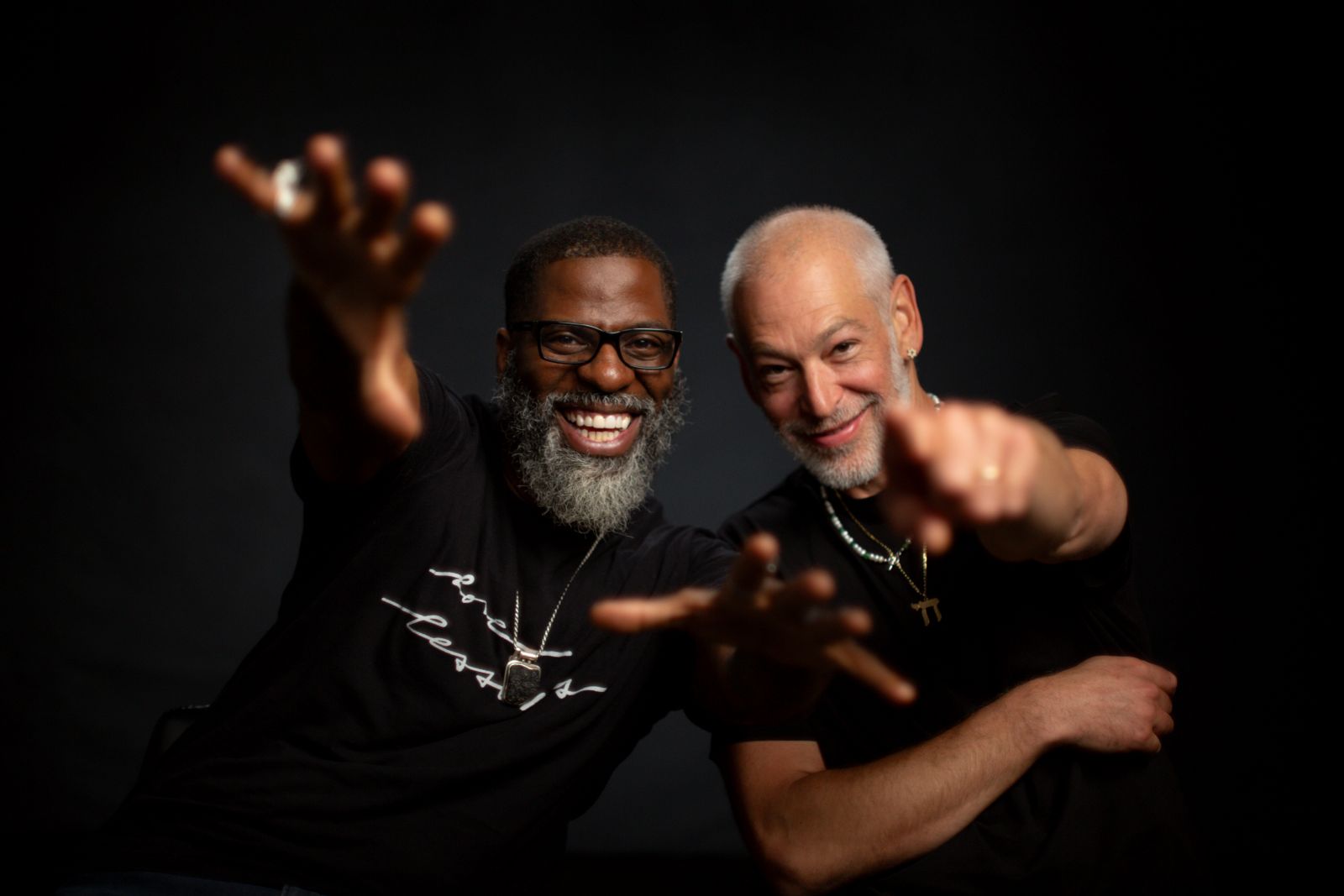
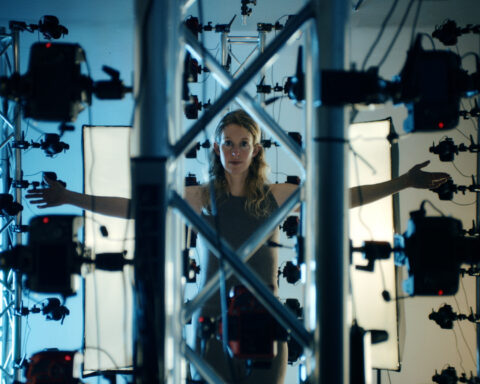
As filmmaker Sophie Deraspe (The Amina Profile) highlights in her fascinating documentary The Final Act, the unavoidable nature of death is exactly why we all need to be talking about it more. Pulling together everyone from intellectuals like American social psychologist Sheldon Solomon to palliative care providers to families with loved ones preparing for a medically assisted finale, the film provides a thought-provoking examination of death and why it is so uncomfortable for us to accept.
Strategically placing her dominoes of information before knocking them down to reveal a chain reaction of genuine emotion, Deraspe’s film opens not with death, but an attempt to define what it means to be alive. As Solomon notes early on, even the world’s philosophers could not produce a standard definition for what makes a human being. Some people cite our ability to reason, some say it is our strength as builders, while others point to our capacity to tell and consume stories.
If the great thinkers cannot reach a consensus on what it means to live, then one can imagine the monumental task it is to decipher what happens when we die. Instead of trying to climb an impossible mountain hoping its peak points to one clear answer, Deraspe’s film lets those who have chosen to go the route of medical assistance in dying (MAID), and those who oppose it, set the compassionate stage for an honest discussion.
The individuals who have chosen to end their lives slow how they do not make the decision lightly. All have endured years of pain due to their various illnesses. Sharing why they decided to make the difficult choice they did, and how they managed to make peace with it, each person offers a nuanced look at what scares them the most about death. The Final Act gives weight to their testimonials by also allowing their loved ones to discuss how they have been coping with it.
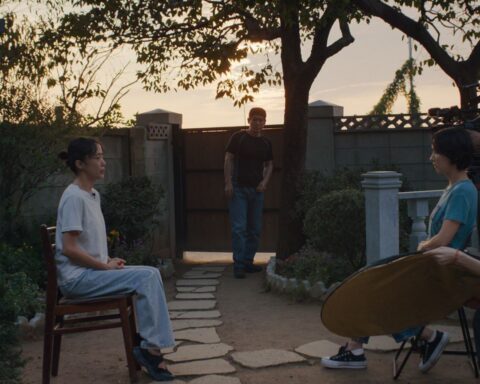
Providing candid conversations in family rooms and at kitchen tables, they share joyous and heartbreaking tales that only deep bonds could sow. One woman explains how quickly life turned upside down when her husband unexpectedly had a stroke, which led to years of declining health. Another person notes that he feels guilty for abandoning his spouse of 50 years by choosing to die. In one compelling conversion a wife admits that she has a new reason to live every moment as her husband’s deteriorating brain conditions have shown how fragile life is.
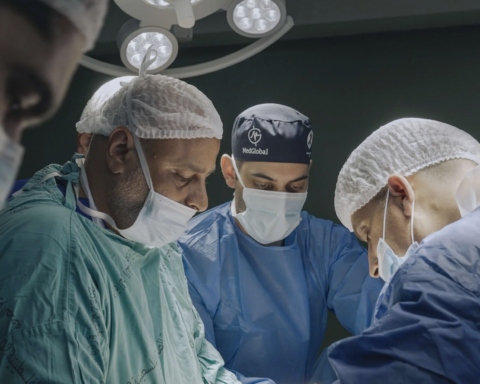
In showing the audience the various challenges that families face when loved ones are ill, Deraspe’s documentary also reinforces why it is important to have individuals such as birth and death doulas and palliative care workers who bring calm and humane care through to the final moments. Touching on the importance of genuine connection between medical care givers and their patients, the filmmaker also eases audiences into the actual deaths she captures on screen.
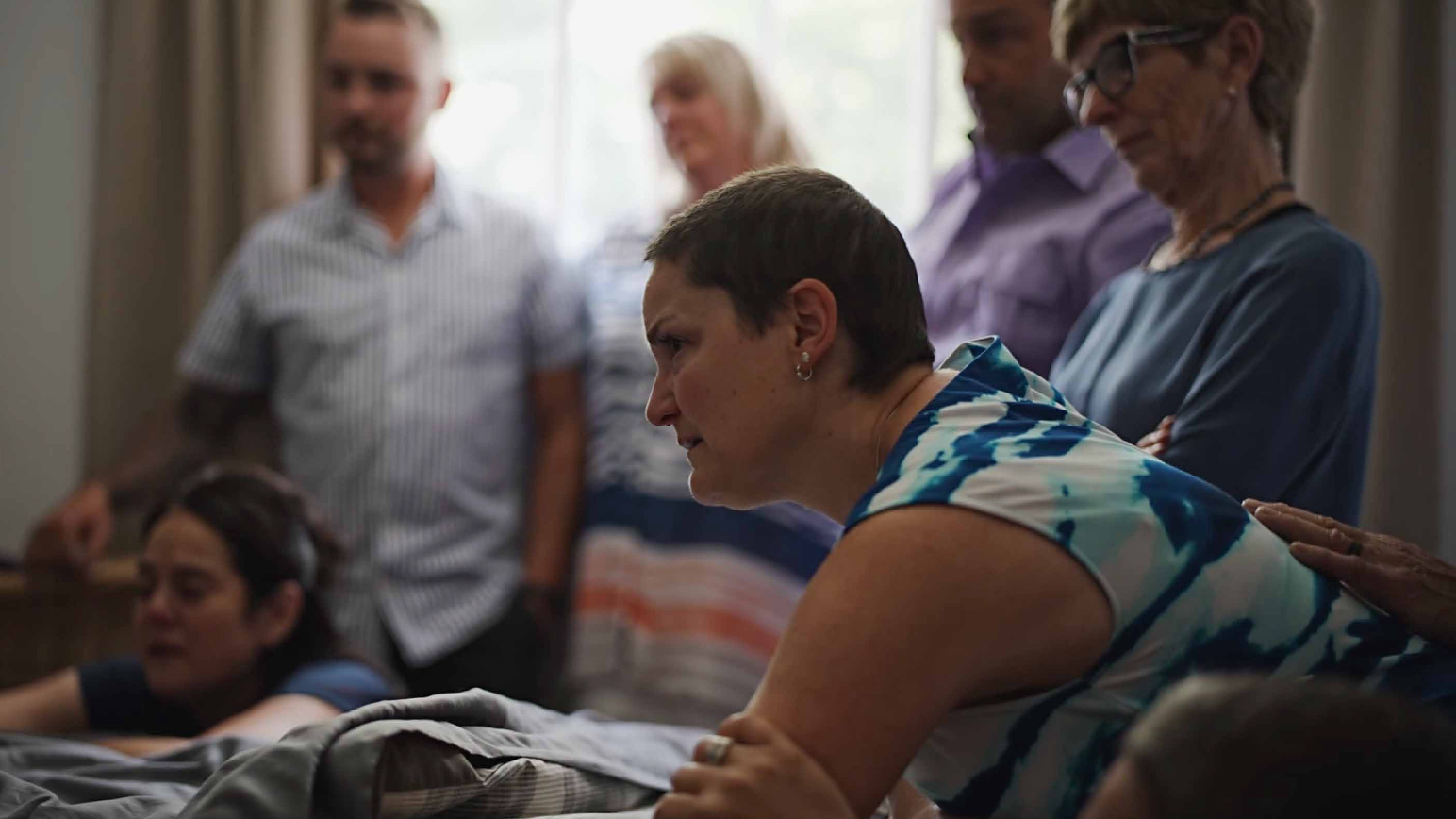
Taking the viewers through the MAID procedure, and observing the wave of grief from the families saying goodbye to loved ones, The Final Act lets the audience sit in a notion of a peaceful nature of death. Tastefully handled, and using images of children’s choir and shots of nature to provide room for reflection, Deraspe’s film makes a compelling argument for why it is important to witness these moments. The idea of MAID is less scary when one actually sees it in process, but the grief and emotions that come with losing a loved one still remain.
The Final Act may deal in the perceived coldness of death, but its sensitivity and compassion capture the warmth of life. An engaging and thought-provoking work, The Final Act that does not take a moral stance on death or how one chooses to achieve it. Derapse simply presents the information to the viewer for them to come to their own conclusions. After all, death is ultimately an individual experience, whether we are ready for it or not.