




Turtle Island Rap
(Canada, 97 min.)
Dir. Alexandra Lazarowich
Prod. Jessica Ford, Ehren “Bear Witness” Thomas, Tim “2oolman” Hill
Programme: TIFF Docs (World premiere)
What does success look like for musical artists in the age of streaming and social media? Is it having a song go viral on TikTok? Is it securing a deal with a major label? Is it simply having the financial security to enjoy life on one’s own terms?
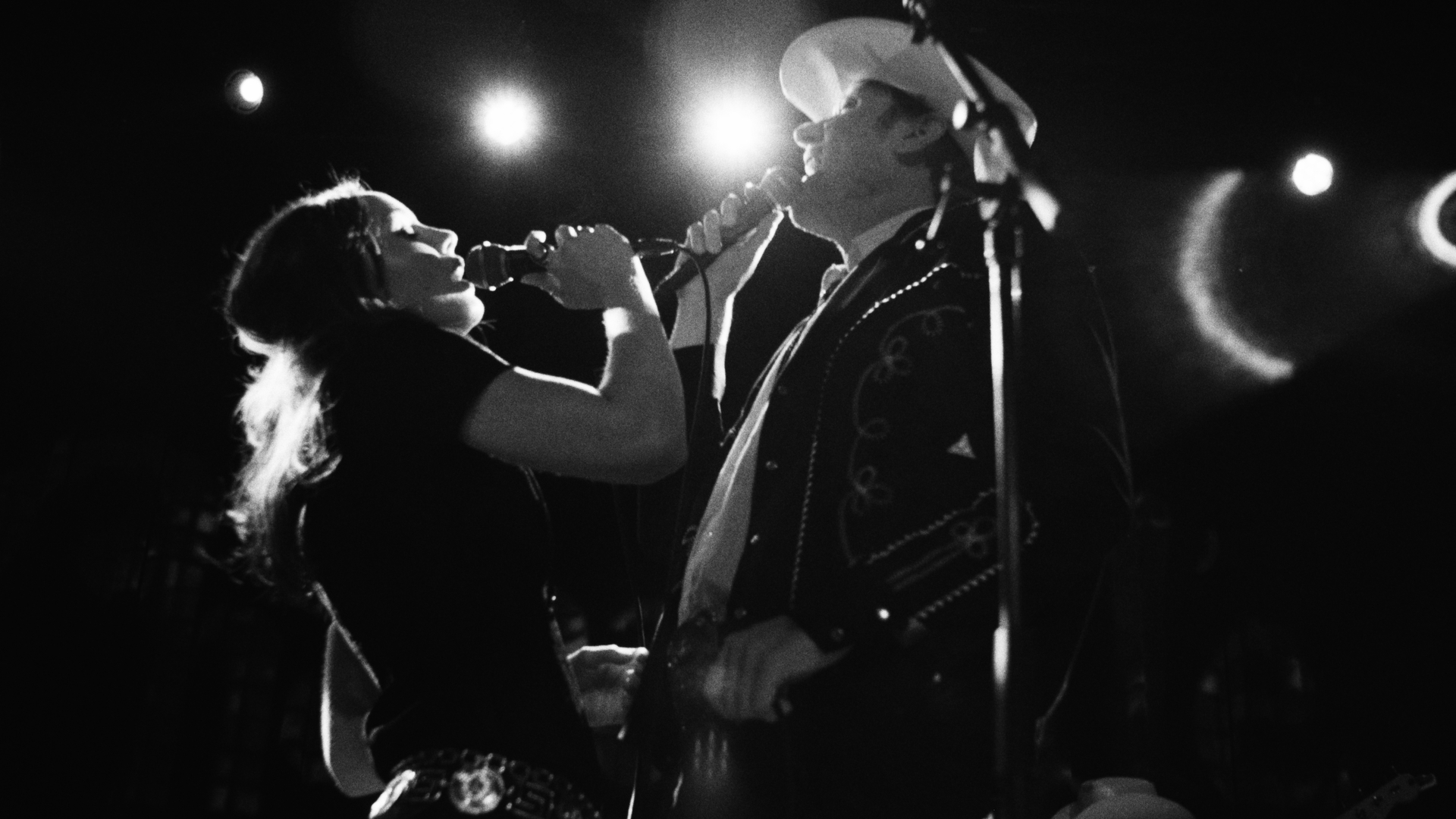
The Indigenous rappers at the centre of Alexandra Lazarowich’s documentary feature debut Turtle Island Rap are pondering these questions and more. At different stages in their various careers, Travis Thompson, A$h Da Hunter, and Wiidaaseh are all determined to keep the flame of hope alive as the adversities of life repeatedly try to blow it out.
At age 27, which can feel like 38 in the youth-fuelled rap game, Seattle-based Navajo rapper Thompson is ready to take a defibrillator to a career that the major labels left in a static state. After reaching a decent amount of success, including appearing on the Macklemore’s hit song “Corner Store,” a track where even the Grammy winner admits Thompson had the best verse, the talented rapper is still trying find the right grip to pull himself up to the next level. Striving to have a career as a professional song writer and producer, Thompson still worries that his own community will not show up for a free show in which he participates.
The sense of uncertainty that comes with being an independent artist is something that Wiidaaseh knows all too well. Performing in a mask, which creates an element of intrigue and hides his deep stage fright, the Toronto-based artist, from Wiikwemkoong Unceded Territory, knows the window of opportunity is increasingly short. Applying to an artist residency program, one that he will not be eligible for the following year, the possibility of rejection would be yet another setback that, similar to a vinyl album release that does not go as planned, tests his resolve.
Being able to pick oneself back up after being knocked down by the hand of disappointment has long been a reality for A$H Da Hunter. A plus-size female rapper in a male dominated industry, she consistently strives to prove her musical abilities while enduring sexism, body shaming, and blatant biases every step of the way. Struggling to keep afloat financially, A$H Da Hunter and her mom, who is also her manager, sell burritos by the side of the road to make ends meet. Complicating matters further for the Yavapai-Apache rapper is the recent release of her estranged father, a man who frequently burns the connections she tries to build, from prison.
While A$H Da Hunter’s fractured relationship with her father provides Turtle Island Rap with some of its most emotionally honest moments, the strains between personal bonds and professional desires can be felt throughout the film. A fishing trip and a hunting reveal significant, and in one case painful, family histories. The audience also gets a glimpse into Wiidaaseh’s tense familial dynamic when he reconnects with a sister he has not seen in years.
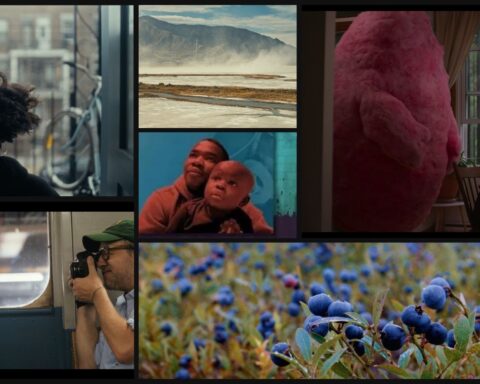
Although Lazarowich’s film could have dug deeper into the familial roots that sprouted these young rappers, Turtle Island Rap is far more interested in providing a snapshot of their present than of the past. Taking a vérité-style approach, the director observes how one needs to have a relentless hustle just to keep a foot in the music industry’s door. Whether using social media to promote their various projects, entering a rap contest with a cash prize, or performing at events outside of their comfort zone, Lazarowich’s camera captures the ambition and insecurities that come with putting oneself out there creatively.
Cracking through the steely cool façade that rappers often convey, their mixture of passion and vulnerability makes the audience want to root for the artists in Lazarowich’s fascinating film. There are no guarantees that all three will achieve their goals, but one walks away from the film confident that their community will have their backs every step of the way. Turtle Island Rap offers an engaging look at artists who refuse to let their careers flow to any other beat but their own.