



Soul Patrol
(USA, 100 min.)
Dir. J.M. Harper
Prod. Sam Bisbee, Danielle Massie, J.M. Harper, Nasir Jones, Peter Bittenbender
Program: U.S. Documentary Competition
“Don’t no one want to hear about you [n-words] …it didn’t happen,” a person once said to Vietnam veteran Ed Emanuel. The dismissive individual was trying to erase the Black contribution to the war like it was a spelling mistake on a history exam. Incidents like this, and the national reluctance to hear people’s experience in Vietnam during the later ’60s and early ’70s, led Emanuel to author the book Soul Patrol.
He knew it was important to let others know what he and his fellow soldiers went through so that their service was never forgotten.
In an era where the Trump admiration is systematically removing from government websites and monuments the sacrifices that Black soldiers made during wartime, J.M. Harper’s riveting and enlightening film Soul Patrol serves as a vital reminder of the ways the past reverberates in the present. Emanuel and his brothers in arms may have physically left Vietnam decades ago, but the war never left them. Now in their 80s, the horrors they witnessed can still be seen on their sullen faces. Even their seemingly joyous gathering, the first they have had in 30 years, has the cloud of melancholy hanging in the air.
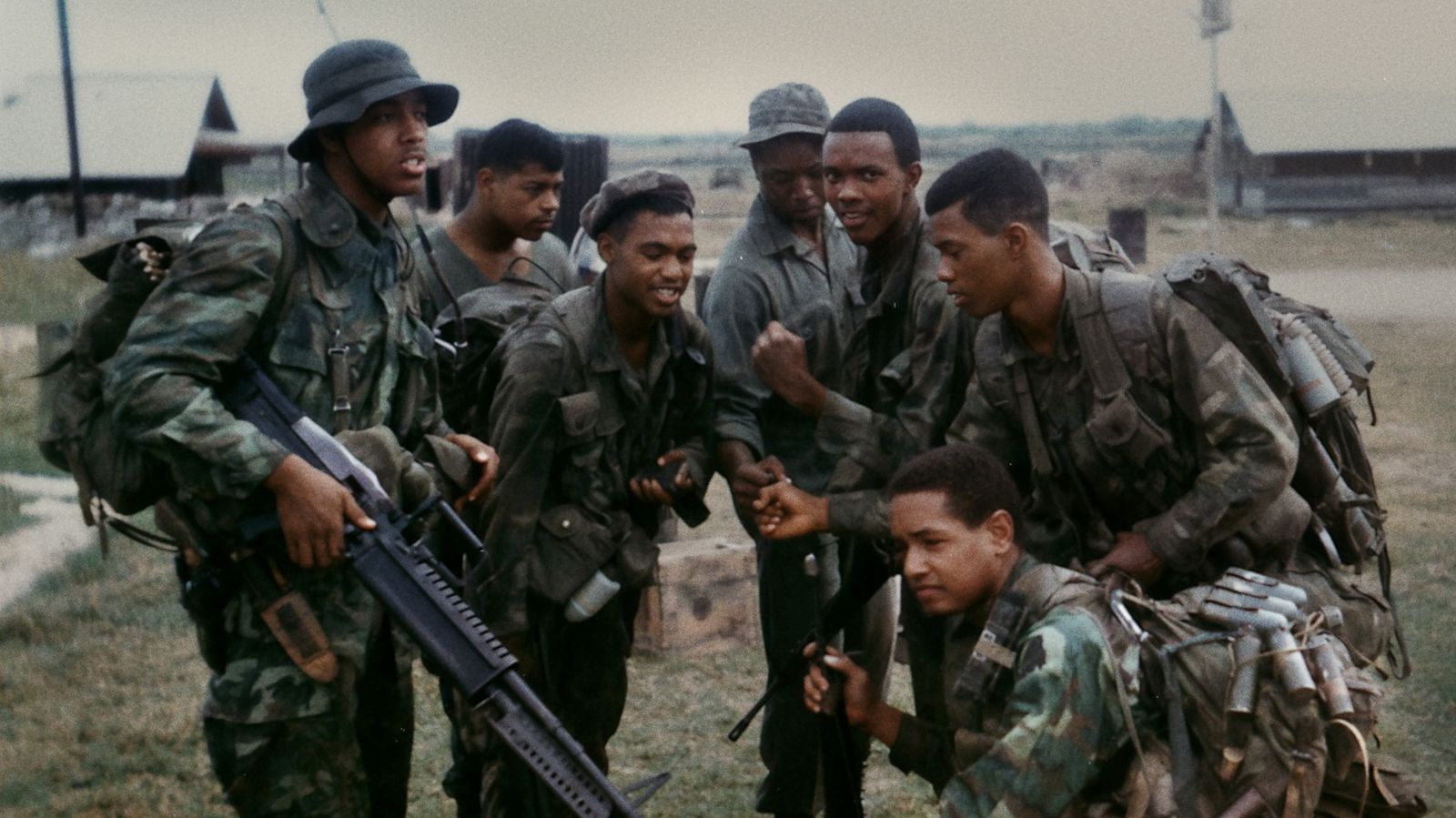
Using the final reunion dinner of “Soul Patrol,” dubbed so since they were the first all-Black special operations team, as a jumping off point for the documentary, Harper dives into a sea of memories filled with choppy waters from a divided time. Most of the unit members were either young men or teenagers when they were shipped off to battle. Wooed by the heroism portrayed nightly on the news, which softened the terror of war by presenting it like a television show, and each with his own reason for enlisting in the military in 1968, none of them knew the magnitude of what awaited them overseas.
Granted, they did not need to hop on plane to find conflict. It was outside their doors. The Civil Rights movement was in full swing, Black communities across America where mourning the assassination of Dr. Martin Luther King Jr., and the anti-war protests were hitting a fever pitch. Many of the prominent Black activist were speaking out against the fact that Black soldiers were being sent abroad to fight for a country that did not respect them at home.
Drafted at a higher rate than their white counterparts, despite being only 11% of the American population, Black soldiers were close to 27% of the deaths in the war. Selected for the special forces’ unit, also known as “LURPs” (Long Range Reconnaissance Patrols), the Soul Patrol quickly realized that such status did not exempt them from frequent discrimination and suspicion. The soldiers may have had each other’s back in the harsh Vietnam jungles, but once they were off the battlefield, the racial hierarchies from back home in America was on display around their base. It didn’t help that all the media coverage of the special operations teams conveniently only highlighted their white peers, even when stories looked at units that were predominantly Black.
On an island of their own on many fronts, one can see how the bonds of friendship among the Black soldiers was a life-saving rope in a quicksand of despair. Tasked with spending a week at a time behind enemy lines, where they could relay the movements of the Viet Cong army, the Soul Patrol only had each other to rely on in the most harrowing of situations.
Using beautifully shot reenactments, Harper not only pulls audiences into the tension-filled enemy lines, where the slightest move can be the difference between life and death, but also gives weight to the various things that haunt the men to this day. Emanuel may want the reunion to be a form of communal therapy, a way to verbally exorcise their longstanding demons, but Harper’s film makes it clear the grip of war is far reaching.
As their wives and loved ones note, they felt like they were in a battlefield themselves when trying to best navigate the mens’ post-war trauma.
In giving the men the opportunity to share their stories, Harper’s film hints to a healing that is within reach. Soul Patrol effectively captures not only the harrowing catalyst for their longstanding sorrow, but also the transcendent bonds of friendship that can pull one back from the brink.
Blending archival footage of the Vietnam War, some of which was shot by then-teenagers, interviews with the men, news clips, and reenactments, Harper’s film paints a vivid portrait of individuals caught in the middle of two very different wars. One where the enemy is people just like them and one where they are viewed as villains by their own nation.
Harper sifts through the sea of isolation and shame the men wrestled with and finds an island of compassion and community. A moving and captivating work, Soul Patrol honours those whose legacy and sacrifice should never be forgotten.