



Known more for his narrative work, including War Witch (Rebelle), which was nominated for an Academy Award in 2013, Montreal-based director Kim Nguyen says he’s careful not to begin a documentary with the presumption of a conclusion or in search of a particular finding. He believes his style of documentary filmmaking contains “slices of life” where “people are going to give a point of view on life,” which he leaves for his audience to distill.
“I hope to leave a layered sense of truth to the spectator,” Nguyen notes.
The notion becomes particularly challenging and consequential in his new film Saigon Story: Two Shootings in the Forest Kingdom, where time has all but shrouded the truth of its subject—though perhaps one never existed in the first place. The film won Best Canadian Documentary following its premiere at Hot Docs.
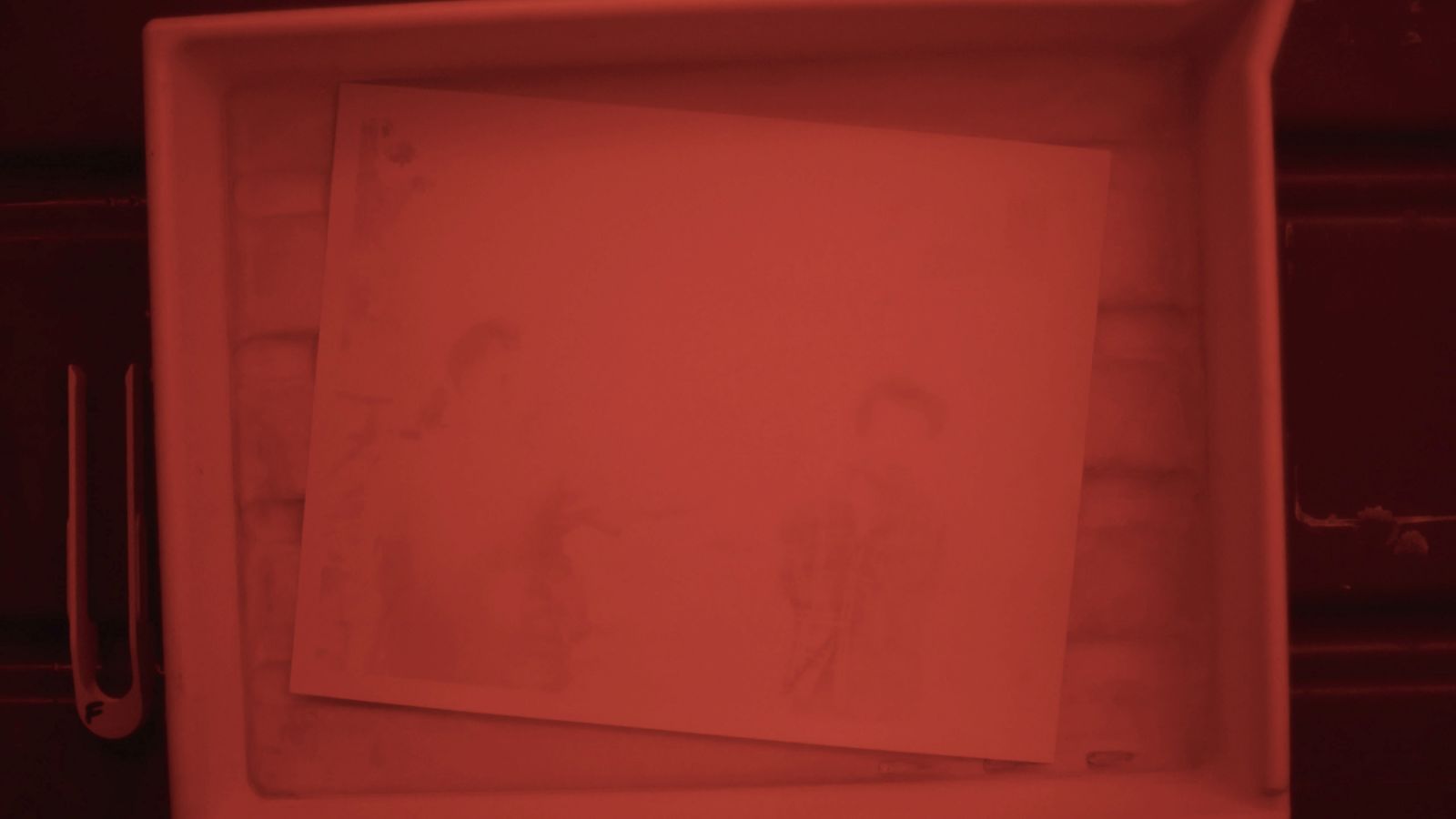
For his second feature documentary film, Nguyen explores one of the most famous wartime photos, entitled Saigon Execution. The photo, taken by Associated Press photojournalist Eddie Adams in 1968, captures the exact moment a South Vietnamese general shoots a seemingly plain-clothed civilian on the streets during the Tet Offensive of the Vietnam War. The point-of-impact image shocked readers when it ran as a front-page feature in newspapers around the world.
The film finds a home in a few genre camps without fully nesting in any. It unravels a mystery without any of the true crime tropes or aesthetics audiences expect. It also presents a true tale about wartime photojournalism and its importance, but skirts being a documentary solely about war or journalism, or photography, although all play a role. Saigon Story gives us the tale of two families whose lives intersect but never meet.
In the years since Adams pressed down on the shutter, Saigon Execution has taken on a life of its own, a phrase Nguyen takes literally in Saigon Story by lending the photograph a voice in the film that effectively serves as a through-line narrator.
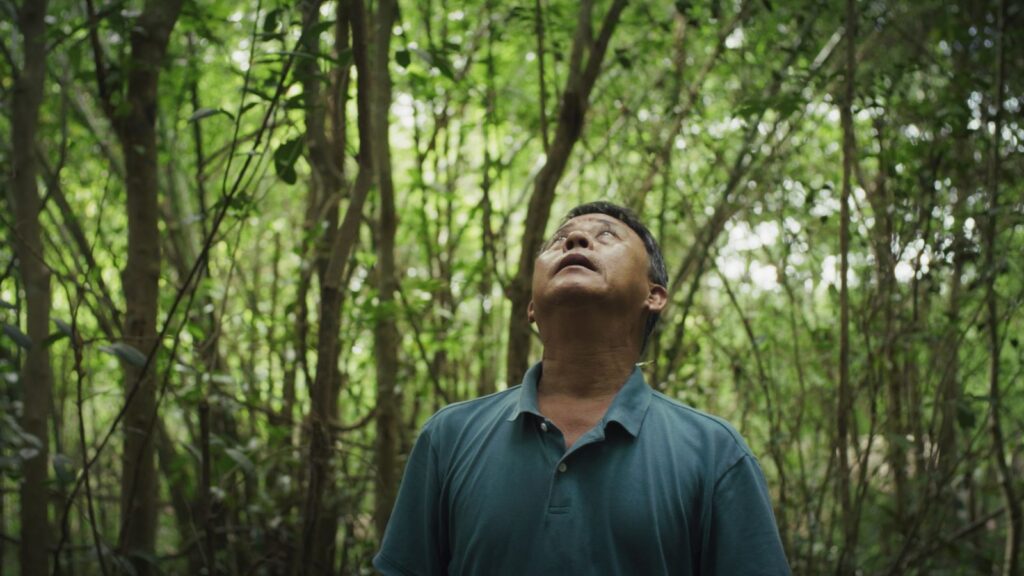
Nguyen says My Name Is Red, a book by Turkish author Orhan Pamuk, served as the inspiration for this narrative choice. “[Pamuk] gives voices to different objects, such as a painting that [tells] stories,” he explains. Nguyen thought, “That could be very interesting to propel this story [from] another angle.”
The Montreal-based filmmaker recalls he and his editor, Andrea Henriquez, experimented with the styling and when they finally landed on “a more childish, innocent voice that has no judgment from the outside world, it just [says] what it sees,” the idea crystallized.
“I was really happy to try to go ahead and create that as kind of the backbone of the documentary—a very loose backbone, I would say,” Nguyen recalls.
Saigon Execution won Adams a Pulitzer Prize and was named World Press Photo of the Year in 1968. While the photo brought Adams great fame and recognition, he would eventually disavow it, believing it to have ruined the life of the shooter, identified as General Nguyễn Ngọc Loan.
When the photograph reached American shores, public opinion about the war was shifting, and the optics of a uniformed officer shooting a handcuffed civilian in broad daylight in Saigon Execution seemed demonstrative of every injustice the war carried in North and South Vietnam, as well as in America.
As the years went by, though, the photograph’s ostensible story of a helpless civilian barbarically shot in the street grew more complicated. The victim in the photograph was identified as Viet Cong captain Nguyễn Văn Lém, and various stories emerged in an attempt to explain General Loan’s motivations. Possibly the most popular of those has Lém being pinned to the murder of a South Vietnamese lieutenant and his family, including his wife, children and 80-year-old mother.
These claims have never been confirmed, though, and the motivations behind General Loan’s act will never truly be known.
“The one thing I realized about the war and about this picture is that we’re really looking at a real life Rashomon,” Nguyen says, referring to Akira Kurosawa’s classic 1950 movie wherein a murder is recounted through multiple perspectives, each lying to a degree in the name of self-preservation, leaving the truth wedged somewhere in-between. Given director Nguyen’s ethnic background (his father is Vietnamese and mother is Canadian), it’s easy to assume that his interest in the stories behind Saigon Execution was personal; however, he insists that while the film’s subject “does have a connection to my own heritage, mostly [I did it] because it was just a fascinating story.”
Nguyen credits a journalist friend of his, Dimitri Katadotis, for bringing the story to him. After seeing a Facebook post from a friend who became reacquainted with his father, who happened to be a figure in the Saigon Execution series of photos, Katadotis approached Nguyen, pitching “an interesting story to explore the connective tissue of the people associated with that picture.”
Initially, Nguyen hesitated. As someone born and raised in Montreal, he feared the judgment of not having properly lived in Vietnam and yet telling the story of an artifact so viscerally tied to the country and its people. Nguyen relented eventually, of course, feeling compelled by the idea of submerging himself into someone else’s story, as long as it felt real and true. His interest lay in the human stories behind the men in Saigon Execution and their lives preceding and following the titular, and very shocking, death.

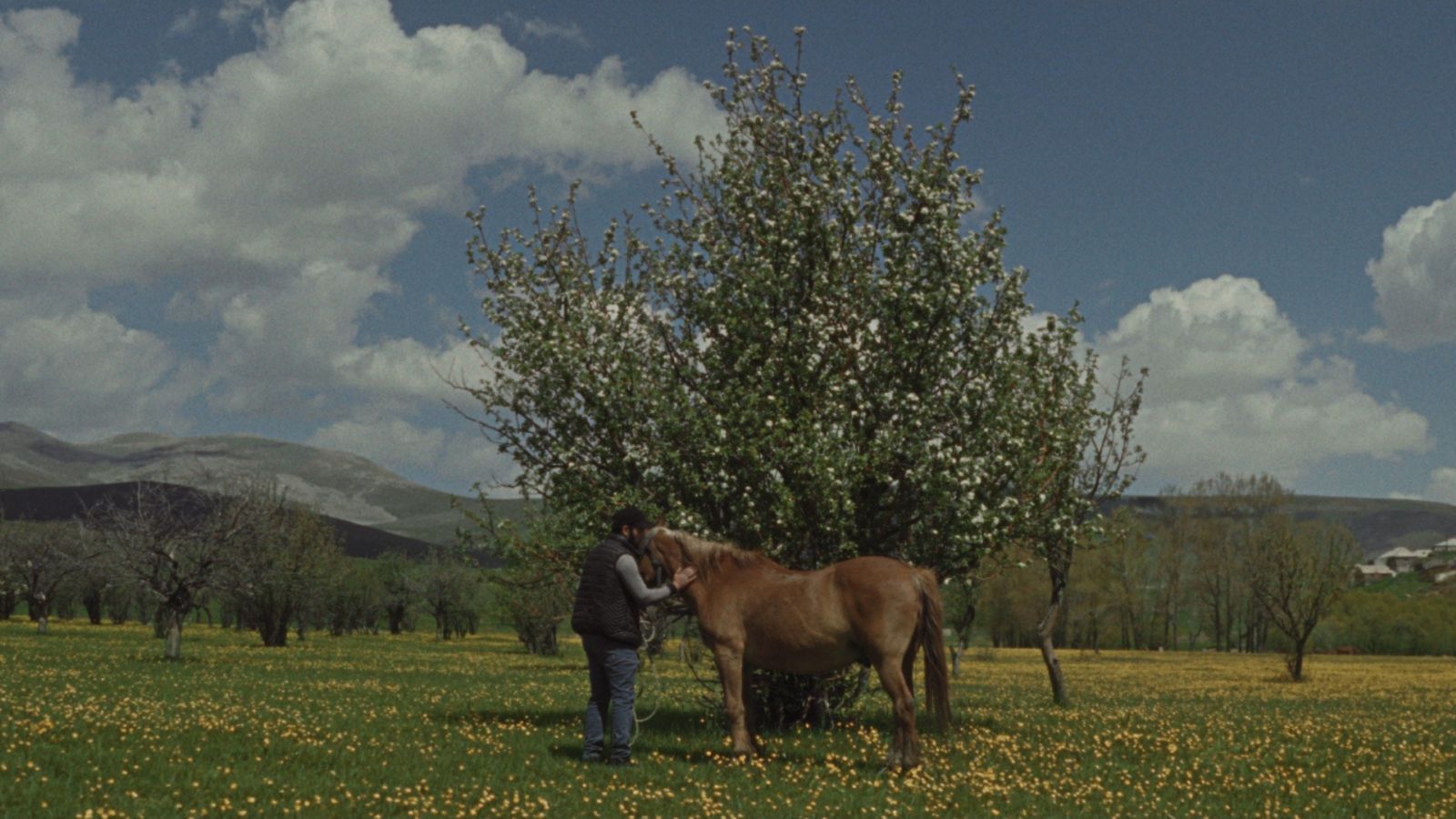
The director went to Vietnam and found Captain Lém’s now-elderly son, Nguyễn Dũng Thông, and daughter, Nguyễn Ngọc Loan (not to be mistaken for the general), who lament the burden they have carried all these years in being unable to send their father to the next life due to not having his body to offer.
Thông and Loan had been approached in the past about lending their voice and stories to similar projects but had consistently turned them down. Kim Nguyen’s humble mindset makes him unable to ascertain exactly why they agreed to work on his film, but something clearly worked.
“I guess I’m a child at heart, sometimes that helps create a bond. I don’t know,” he says. “They just trusted me.” He describes the siblings as being generous with him and his crew.
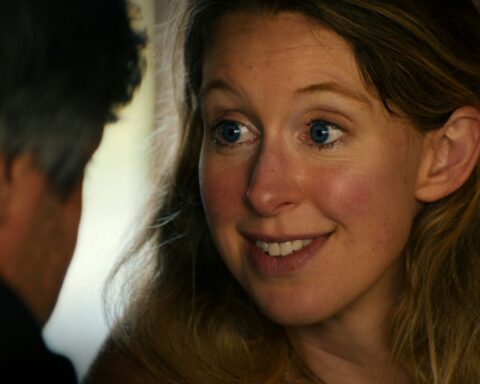
Told in parallel to Captain Lém’s children is the story of Charles Mai, the one Katadotis brought to Nguyen. Charles’s story and association with the series of photographs, including Saigon Execution, forms an interesting contrast to Thông and Loan’s journey to put their father to rest. Not only does Mai represent the diasporic lens that many second and third generations removed from the war see through, but his family’s story also unwraps one of abuse and estrangement. They, too, have to come to a new peace.

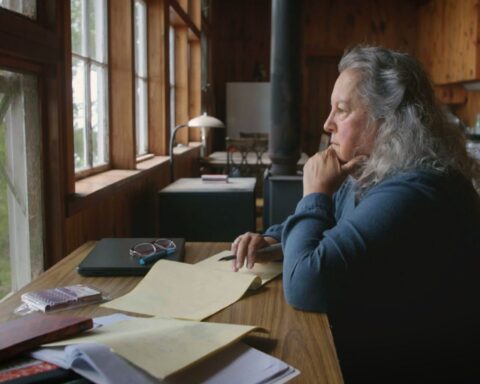
Nguyen describes his film as being “kaleidoscopic.” When he began the filming process, a structure and a conclusion weren’t immediately apparent. Rather, he followed Thông, Loan, Charles Mai, and Charles’s mother, Mai Ly Hafer, waiting for the storyline to sculpt itself.
“The truth exists with the transparency of each truth together. It’s almost like quantum realities that exist and we’ll never know the exact truth,” says Nguyen. “It’s the ambiguity of all those projected one on top of the other that is the truth.
“Maybe it’s a reflection [that] truth will always be relative. [It] will always be in the eye of the beholder, especially for the stories around that picture.”
Absolute truth may evade a photo like Saigon Execution, but what remains are the people captured in celluloid and the emotional baggage their descendants carry. It’s the meaningful connections storytellers like Nguyen find that enrich our conversation with history so that we, and our ancestors, may find some sense of peace with the past.
Nguyen is aware that films like Saigon Story may be a harder sell for film festivals—“I don’t feel that it’s trendy”—but it’s that generational peace he’s after: “I want to [make] films about healing.”