



Nance Ackerman is a restless soul. She loves being on the move, so much so that she’d rather travel than be at home. In her decades of work as a photojournalist and documentary filmmaker, she’s journeyed to destinations from Lebanon to Guatemala, Nigeria to Afghanistan, to India and beyond, many times at great risk.
“My happy place is to be in unfamiliar spaces. I don’t like familiarity,” she says on the eve of the screening of her new film The Delivery Line at the Hot Docs festival. “I’m a curious person. If you’re curious it is much more stimulating to be in different places.”
But definitely not as a tourist. Her photo assignments – she was first-ever female photographer at the Globe and Mail – have almost always taken her to conflict zones, where inhabitants face struggles to survive or whose work brings them into risky situations.
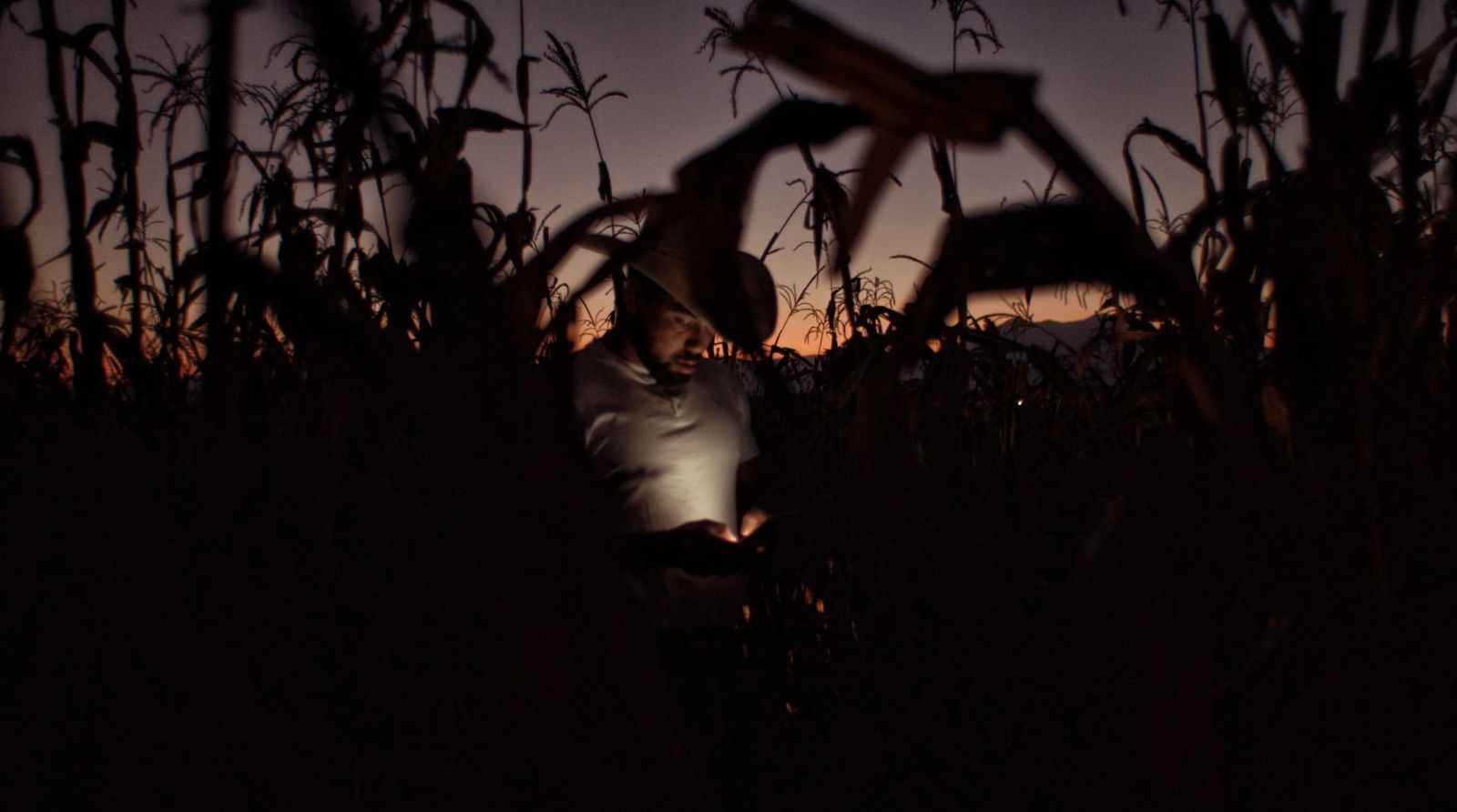
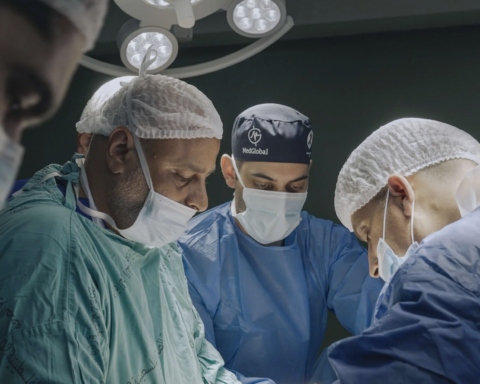
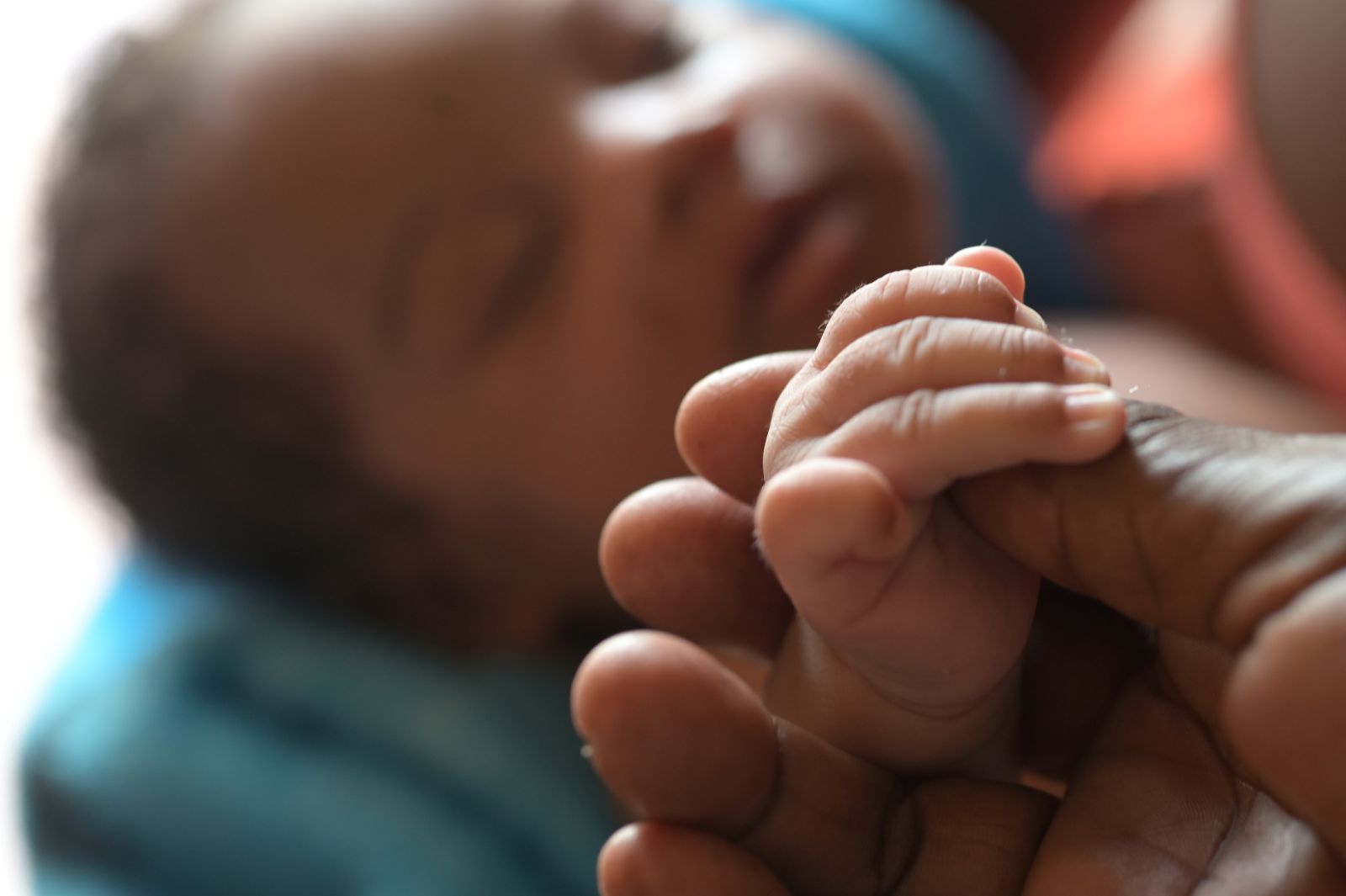
Her new doc tracks five women working as midwives in just as many countries. In Afghanistan, where difficulty during pregnancy or while giving birth is the leading cause of women’s death, Gulbadan trains to be a midwife at a school in a remote village even though. the Taliban have now outlawed midwifery. Across the globe, Ximena seeks out pregnant women on the Mexican border in encampments filled with people hoping to cross the border into the U.S. Meanwhile, in Colombia, drug gangs roam the streets that Maria navigates to reach her patients.
In violence-plagued Nigeria, the most dangerous place on Earth to give birth, Hamsatu has delivered thousands of babies, but with brutality on the rise, she wonders how she can continue. And in Toronto, Jay, carrying what she calls a “level one hospital” in her backpack, offers midwife services to the unhoused.
That’s five different locations with five crews required for a movie that Ackerman wrote, lensed, edited, co-produced, sound-designed, and directed over eight years. During that period, she made three other documentaries including The Bhangra Boys, about young Sikh activists, and Conviction, spotlighting residents in a women’s prison.
Her frustration with the ever-present male point of view in documentaries about conflict zones moved her to make The Delivery Line.
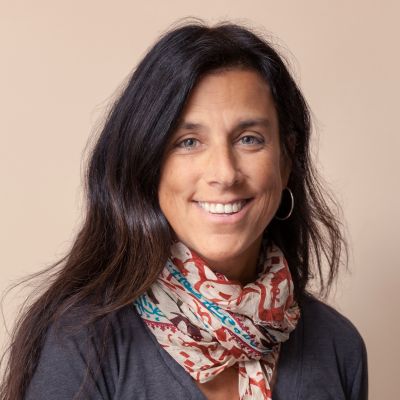
“I was tired of the way global issues were being covered,” Ackerman explains, “especially with all the new media, when those issues are becoming the hum everybody ignores. And the story was usually told from the male perspective. You heard about a bombing, how many ships were blown up. You’d hear about children being killed, but you wouldn’t hear it from a woman’s point of view.
“The way to change it was to cover something I really care about,” she continues. “So I thought, ‘Let’s change the frame, look at it differently, so people can see we could create a seed of hope that there were those saving lives and making a difference with how a baby is born.”
Funding didn’t come easily. The project was on the brink of getting National Geographic on board when the executive nixed the plan. It was “too female,” they groused. How can a film about childbirth be too female? After doing most of the pre-production with personal funds, TVO finally approved funding.
It was in the aftermath of covering the Oka stand-off for the Montreal Gazette that Ackerman’s passion for the midwifery issue set in. While the police were attempting to round up the protesters, she tried driving away from the conflict when a police officer, likely not aware she was media, Ackerman says, pulled her out of the car through the car window. She was pregnant at the time and was immediately advised to take a break and get bed rest, which she, of course, hated. But good came of it. To assist her to the end of her pregnancy, she engaged two midwives who changed her attitudes towards pregnancy care and gave her the kind of treatment she wouldn’t get in hospital.
Once she settled on making the film, she had a clear agenda.
“We wanted to tackle specific issues” she recalls. “We picked them first and then looked for the place where we could best focus on it. For example, in Mexico, Mara is still drawing on ancient herbal remedies. Based in cultural and ancestral practices that she learned as a baby, she makes her tomaseca [used to aid post-partum delivery] with the same herbs as I used.”
She wanted to ground a story in North America and let people see that what we’re dealing with here is very similar. She found the perfect character in Jay who, with uncommon compassion, heads into Toronto’s encampments to administer to unhoused pregnant women. Through Jay’s eyes, we learn that, so much do poverty and hunger mess with menses, many of these women don’t learn they’re pregnant until their second trimester. And like Maria and Ximena, she roams the streets to connect directly to her clients. She was a pioneer in midwifery in Ontario and, like Hamsatu and Gulbadan, is in the forefront of the movement to deliver treatment in high-risk areas.
“When we started editing, we realized they were all doing the same thing, even though they live light years away from each other,” marvels Ackerman. “It was unbelievable.”

Ackerman’s process as a filmmaker is unusual for a documentary maker. She refers to the people in her movies as participants, not subjects, and insists that deep collaboration makes for a more authentic product. She got to know the patients intimately and they and the midwives were constantly giving advice all through the shoots.
She needed to shoot a birth, but after six years of filming, she still hadn’t found the right moment. “There’s a woman giving birth in the birth house. Go quickly,” urged the Nigerian Hamsatu. It was a lucky break, one Ackerman made the most of in one of the film’s most powerful sequences.
So attuned is she to the participants that that she shows the footage to them so they can approve its use. (A practice that remains selective amid new conversations about ethical representation.)
“If they don’t want it in, I take it out. Broadcasters usually don’t like that,” she allows.
Not surprisingly, since all her films are politically charged, Ackerman happily embraces the term “artivism” to describe her creative practice of making art in order to make a difference.
“You can get pretty disillusioned by that,” she admits. “Make change, really? Just by making a film? How many people are going to watch it? And are they really going to do anything?
“But after the release of my [2006] film Cottonland [ about the huge numbers OxyContin overdoses in Cape Breton), the crisis was brought up in parliament and they created a whole new program and added 60 beds for detox in Cape Breton. They changed their whole system of dealing with the oxy crisis, even going to doctors to arrest them. Something good came out of it.”
Throughout our conversation, Ackerman recounts some of her most harrowing adventures, starting with the cop at Oka. Then there’s the story of being the last journalist in Lebanon after colleagues fled the 1989 civil war and being picked up by strangers. They told her she’s going to the palace where Michel Aoun had just taken over the government after president René Moawad had been killed by a car bomb – blocks away from her. Was she a hostage? No, they just wanted her to write a pro-Aoun story. Still she couldn’t leave until they were ready to let her go. Her co-producer Sergeo Kirby remembers having to convince her not to run out of a safe house to get more of the story.
Considering her wanderlust and the fact that none of these incidents ever discouraged her from heading into unsafe places, I ask her whether she craves risk. She’s almost offended.
“It’s not that I crave risk,” she insists. “You weigh whether anything’s worth risking. In Afghanistan, we were trying to get Gulbadan home from the midwifery school through the Taliban check points to visit her family. It was my decision to turn around and go back to the school, which was relatively safe. We’d heard the Taliban had started moving around and you don’t know where they’re going to hit next. So I turned around. I didn’t want to put the baby, its mother, and the midwife at risk. They would have been fine if I hadn’t been in the van because I was a North American with cameras.
“I wouldn’t want to do anything that would hurt my collaborators,” she continues. “But I’m not shooting so I can get picture of soldiers and of war. I’m trying to get to the underbelly of the story, which is usually about the women and the children. So, yes, I’m driven by the story and I’m not averse to risk. I like it. But I’m not going to make other people unsafe.
She smiles. “I’m not an idiot.”