



Scarlet Girls
(Dominican Republic/Germany/Mexico, 70 min.)
Dir. Paula Cury
Producer: Samuel Didonato
Programme: World Showcase (Canadian premiere)
You have to do something the hard way when it looks like you can’t do it all.
That’s what Paula Cury realized when she set out to make Scarlet Girls, her unsettling film about women in the Dominican Republic forbidden by law to get abortions. Anti-choice laws are strictly enforced in the deeply conservative Dominican culture – there are no exceptions. Violators, both the doctors who perform the procedures and the women who get them, could face lengthy prison sentences.
How, under those circumstances, can you expect women to openly recount their experiences? Cury realized that you can’t.
When a law proposing three circumstances under which abortion could be permitted in the Republic came under consideration – pregnancy as a result of rape, the pregnancy’s threats to the mother’s health, and the severely compromised health of the fetus – Cury put out an open call to women. She wanted to hear how they coped with unwanted pregnancies.
She got a huge response, much greater than she’d anticipated. Her respondents spoke to their pain, guilt, and shame about having to seek unsafe methods or having to go through with their pregnancies and care for a child they weren’t prepared to raise. From the vast field of participants, all of whom she recorded for use in the film, she chose five to make the focus of the film, including one mother whose daughter, Rosalea, was refused an abortion because she had cancer – and later died.
Their stories are devastating. One woman was raped by her stepfather as a teenager while her mother was at work. He said he’d kill her mom if she told her. She was forced to complete her pregnancy and continued to live with her rapist. Another woman was sexually assaulted while drugged. A third was given away at the age four by her mother to live with another family. She was gang-assaulted by her brother and his friends over several years, her injuries ignored by her new mother. Yet another was given a brutal illegal abortion without anesthetic, punishment at the hands of the doctor who had no problem taking her money. The fifth, Rosalea’s mother, is now a staunch pro-life advocate.
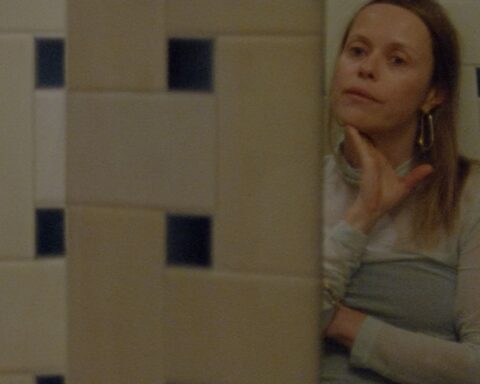
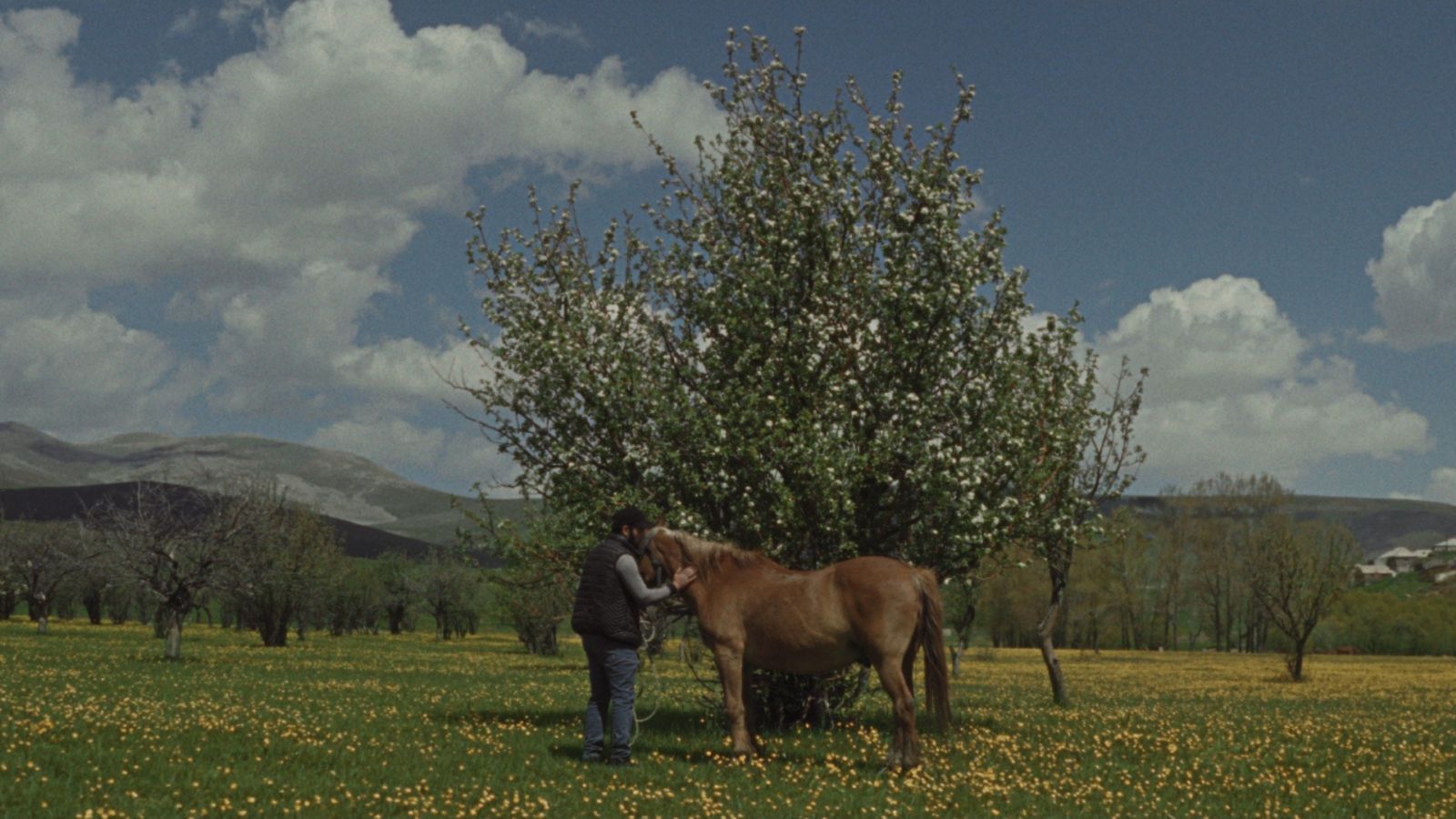
To avoid putting her participants at risk, Cury opted to let them reveal their stories via voiceover. At no time are her participants’ names given – except cryptically in the final credits – nor, except in the case of Rosalea’s mother, do we ever see their faces. Crucially, re-enactments featuring the injured women never represent the assaults themselves but rather portray the participants as they go about their daily lives: sitting in school, cleaning toilets, going to the markets, all the time having to hide their trauma and pretend that nothing has happened to them.
A separate, very effective sequence is a re-enactment of a high school class in sex education (if you can call it that) that demonstrates how conservative values are ingrained into students. The teacher is preaching abstinence, the importance of waiting to have sex until marriage, and the consequences of abortion, including that it leads to infertility – an egregious overstatement. The students sit impassively, suggesting they’re not quite buying it.
This and the injured women’s situations are exposed against the backdrop of the impending vote in the Dominican congress. The film features speeches by advocates for the new law, including a fiery one from Rosalea’s mother, and those against making exceptions to the abortion ban. We sometimes see debates on television while anxious women watch. Here is the element that gives the film real tension: How will the vote go?
But despite deploying the re-enactments of the women hiding their pain and the strategy of only hearing the voices of the five main characters, Cury can’t overcome the problem of not revealing her participants’ faces. Without their true spirit in the picture, the film tends to lose its emotional impact.
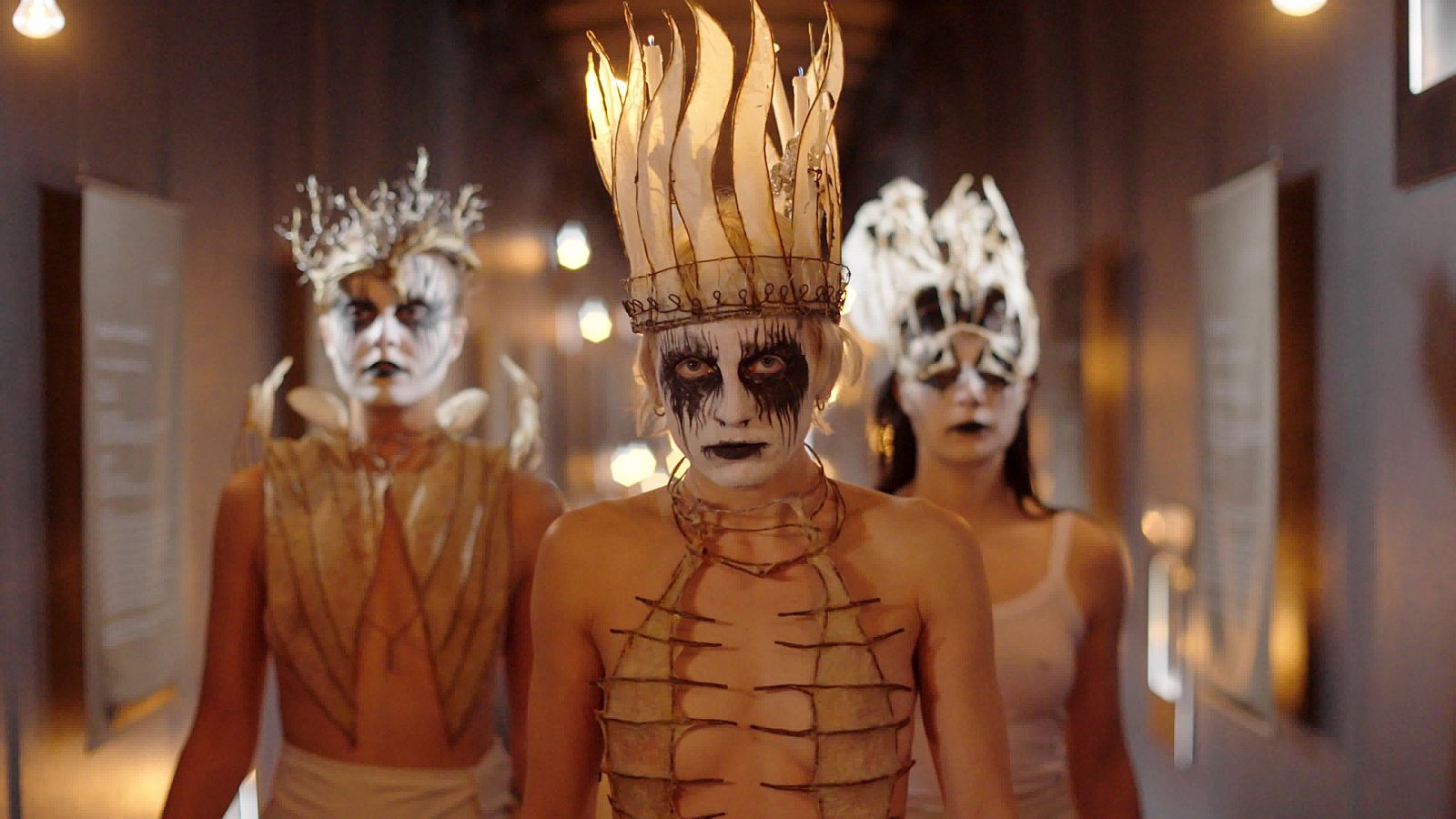
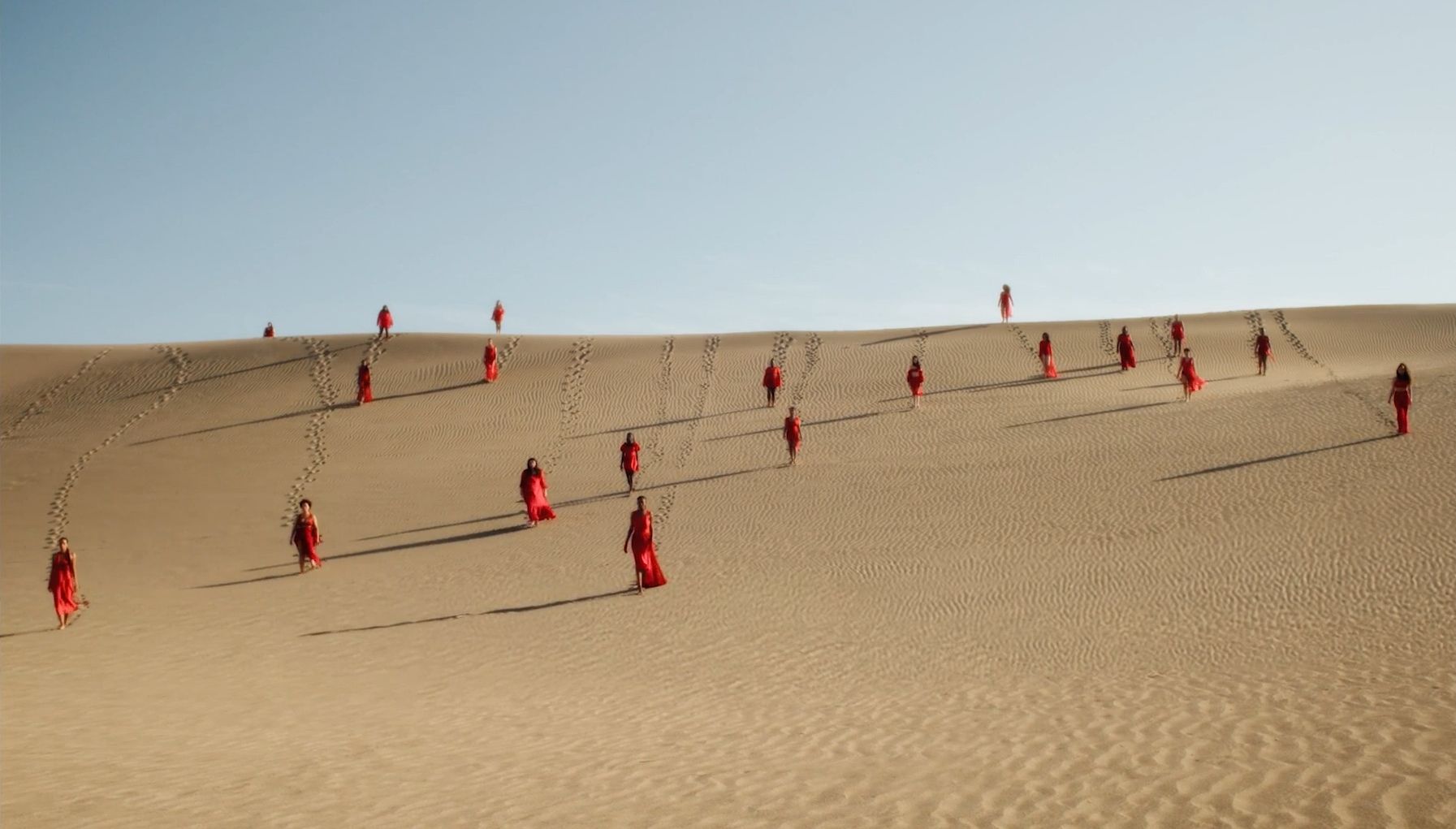
One of the doc’s extended metaphors does pay off. Sequences featuring red-robed women underwriter reflect the women’s struggles having to swim against their country’s cultural current. A spectacular image at the end when these women appear in a completely different context lends the doc a sense of hope.