




Gimme Truth
(Canada, 89 min.)
Dir. Simon Ennis, Brad Abrahams
Prod. Aeschylus Poulos, John Galway
Programme: World Showcase (World premiere)
America may be the land of liberty, but its shining ideals also cast a foreboding shadow. Freedom of speech and religion are foundational tenets of a thriving democracy. However, those same principles grant people the right to be wrong — to spread disinformation, exploit the vulnerable, and to mistake belief for truth.
Gimme Truth, from co-directors Simon Ennis and Brad Abrahams, examines today’s conflict between truth and belief and the systems that embolden conspiracy theorists to make their voices heard. The film explores the unconventional ideas gaining traction in society, tracing their impact on both those who embrace them and those left to deal with the fallout.
Decades ago, people with unconventional beliefs were largely forced to keep them to themselves. Newsletters and conventions offered limited spaces for niche communities to swap stories, but only sparingly. The internet — particularly social media — collapsed that divide, allowing the fringe to become mainstream. Suddenly, people with unusual ideas were plugged into online communities that fuel their confirmation biases. These choruses of belief calcify doubt into certainty, transforming moon landing deniers and 5G mind control conspiracists into increasingly vocal minorities.
Gimme Truth follows several individuals whose beliefs aren’t grounded in verifiable reality. There’s Arcturus Ra, who identifies as a Starseed — a reincarnated extraterrestrial consciousness. He uses alien “knowledge downloads” to craft bioresonance devices, like pendants, that he sells to followers. Allies of Humanity member Justin Kohn dedicates himself to warning people about the threat of hostile alien visitors. Then there’s Mikki Willis, who, during the height of COVID, turned his anti-vax beliefs into the “Plandemic” movement, contributing much of the vaccine misinformation that permeated the mainstream discourse.
Gimme Truth excels at capturing the longing behind its subjects’ bold beliefs, revealing the hurt, trauma, and yearning that often set the stage for conspiratorial thinking. It’s striking how many people profiled here experienced some life-altering tragedy. The film doesn’t judge its subjects for their views, instead pulling back to contextualize their belief journeys. It’s easy to label these folks as strange, gullible, or even manipulative, but what emerges is a portrait of people working through profound heartache and self-soothing through a shared pursuit of meaning.
The filmmakers introduce the concept of “anomie” to explain the current surge of disinformation. The term describes a state of instability as society’s norms and values break down. During moments of rapid social change, people feel left adrift, desperately searching for anything to hold onto.
The film underscores this concept through Erica Roach, a mother of four who emotionally checked out of her daily life once she became obsessed with QAnon conspiracies. Unlike most of the doc’s subjects, Roach eventually disavowed conspiracy theories, openly speaking out about the damage they cause. A domestic violence survivor, her journey illustrates how trauma and instability steer people toward the false comfort and certainty of irrational belief systems.
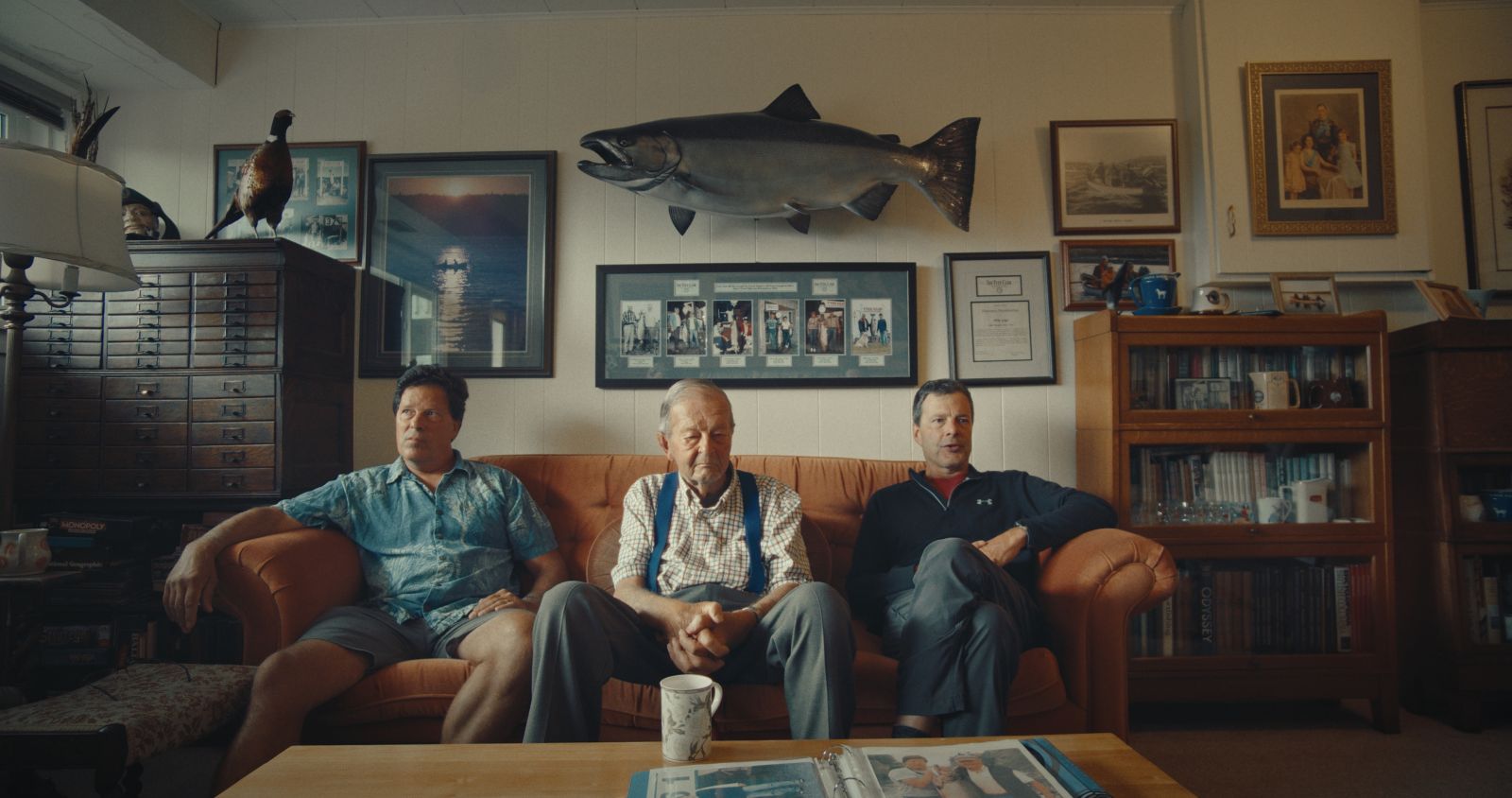
A topic like the erosion of societal norms could easily feel stressful and dour in other filmmakers’ hands, but Abrahams and Ennis approach the subject matter with an enjoyably light touch. They find humour in the absurdity of events like the Conscious Life Expo, without punching down at the communities participating. Instead of shooting holes in the interviewees’ questionable logic, they opt to hang back, quietly observe, and let viewers make their own judgments.
Abrahams and Ennis understand what people believe — no matter how outlandish — is ultimately less compelling than why they choose to believe it. Time and again, they reveal their subjects’ underlying desire to feel less alone. Viewed through this lens, these beliefs feel less headscratching and take on a sense of melancholy.
Every person carries a constellation of thoughts and experiences that make them a universe unto themselves. But that doesn’t make them the centre of our collective universe. A functioning society demands a shared centre of gravity, a bond that extends beyond personal belief. Gimme Truth provides a sobering illustration of how freedom, unmoored from truth, becomes a destabilizing force. It reminds us that without something keeping us all grounded, we’re doomed to drift, untethered into the void.