



When it comes to existing in Hollywood, queer characters were never fully in the closet. They just wore different forms of camouflage throughout the eras.
Audiences looking to encounter milestones LGBTQ+ characters and storytelling simply must watch The Celluloid Closet (1995) for a handy Pride guide to queer life in the movies. The documentary by Robert Epstein and Jeffrey Friedman endures as an essential conversation about queer visibility in Hollywood. It also remains a cornerstone piece in the discussion over the importance of representation and the power of seeing one’s life reflected on screen. It’s probably no coincidence that Epstein, the first openly gay director to win an Oscar for a gay film with The Times of Harvey Milk, and Friedman help put Hollywood into perspective by revisiting a history of images through a queer lens. If any filmgoer needs or wants a lesson in why representation matters in terms of who’s telling the story as much as it does the story being told, look no further than this informative and hugely entertaining case study.
Lily Tomlin narrates the documentary while talking heads like Gore Vidal, Harvey Fierstein, Tony Curtis, Shirley MacLaine, and Quentin Crisp dish about the movies under the microscope. The Celluloid Closet explores what it means for audiences when their lives too frequently appear onscreen. But the interviewees note how queer people have always appeared in movies. However, our presence has been historically complicated with a parade of stereotypes and icky characters throughout the vicissitudes of onscreen representation—and it certainly continues to experience its ups and downs.
Fierstein, whose baritone proves as effective here as it does in The Times of Harvey Milk, begins the film with a provocative perspective. “Visibility at any cost,” he champions. “I’d rather have negativity than nothing.”
The Celluloid Closet, based on the book by Vito Russo, examines how many examples of visibility remain painful to watch. Epstein and Friedman sample clips that show men dancing together in early documentary footage without a hint of self-consciousness, yet effeminate men provide easy laughs in formative silent works, pantomiming gestures to signal the effete pansy to contrast with virile gun-slinging heroes. Put another way, movies made gay men the butt of the joke before Hollywood even learned to talk.
Fierstein again makes a bold challenge as The Celluloid Closet trots out the cavalcade of sissies. He admits that he’s a sissy, and that traits of stock characters exist in real people. Hollywood just has to learn how to use these characteristics productively.
Cut to a few years later and Marlene Dietrich struts onto the stage in a top hat and tails in Morocco. She smooches another woman and it’s no laughing matter. Likewise, Greta Garbo serves lesbian royalty realness in Queen Cristina. Tarzan skinny dips with his best mate. (Okay, they cut that scene, but the deleted footage appears in the doc.) The film tells how just as Hollywood began to find comfort while acknowledging a diversity of lives onscreen, there was a brief moment where a character could be a lesbian without destabilizing the status quo.
Epstein and Friedman explore how the morality police reared their ugly heads during Hollywood’s dark days of the Production Code. The Celluloid Closet positions this step back for onscreen representation as a turning point for queer lives onscreen. The film tells how puritan impulses stomped into Hollywood to impose “decency” standards and any whiff of a gay agenda meant the difference between a film being shelved or getting the green light. The film cites classic works that erased gay characters in their journey from page to screen with The Lost Weekend’s devastating and Oscar-winning portrait of alcoholism snipping out Don’s bisexual inclinations, or Crossfire swapping out homophobia for antisemitism post-WWII.
However, the film notes that censoring queer lives invites a challenge for shrewd filmmakers. As is the case with many of the Production Code-era movies, the best works of the period reflect novel ways of injecting sex and violence into a movie’s fabric through innuendo, symbolism, and subtext. A plum clip of Peter Lorre in The Maltese Falcon, for example, illustrates how a good music cue and a well-fondled phallic prop tell audiences all they needed to know.
“Despite its best efforts,” Tomlin says in voiceover, “the Production Code didn’t erase homosexuals. It just made them harder to find.”
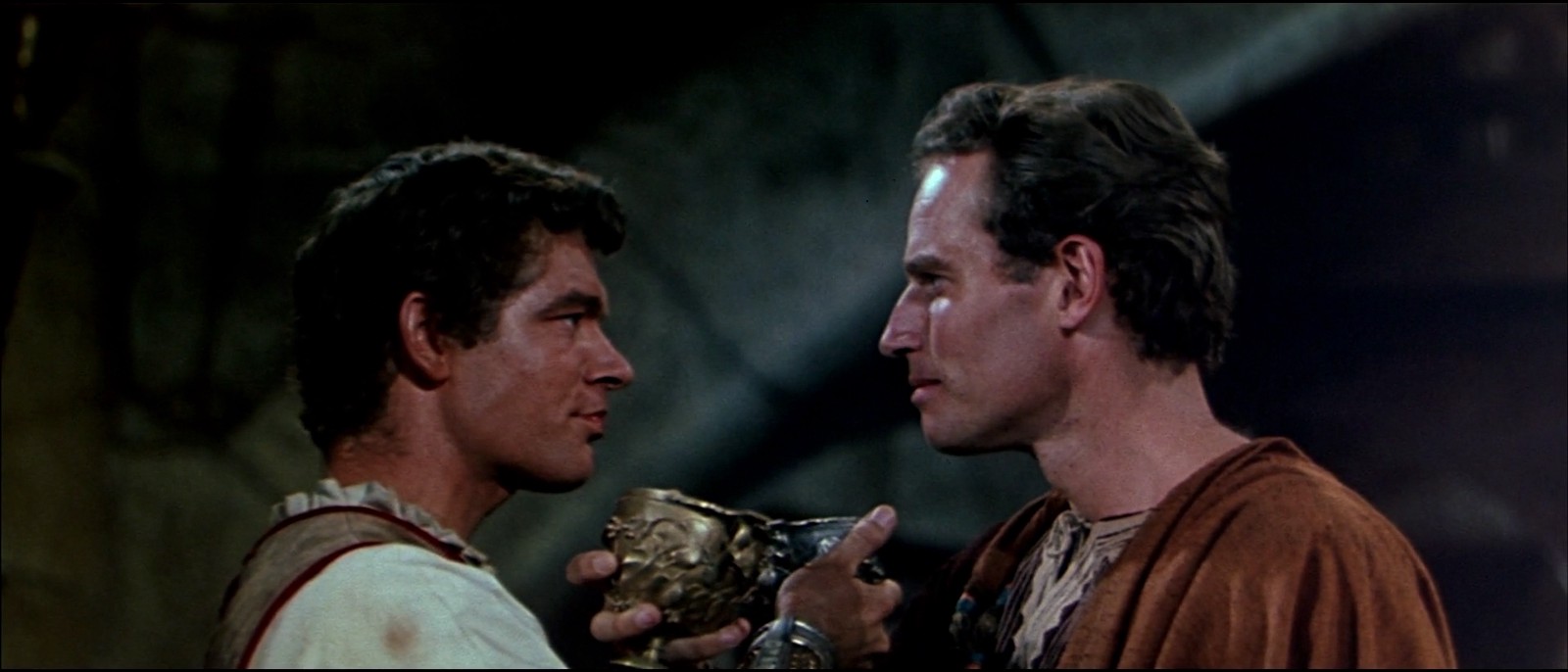
The film samples some canonical works in Hollywood history in which filmmakers had fun queering the story. Vidal, for example, offers some great anecdotes about devising a gay subtext for the bromance between Ben Hur (Charlton Heston) and long-lost bestie Messala (Stephen Boyd). “This is a story about the Passion of the Christ,” Vidal recalls director William Wyler saying as his jaw dropped at the suggestion that the Biblical epic needed a little spice. The rest is history, though, as Vidal shares how Wyler advised players of the subtext on a need-to-know basis and shielded the conservative Heston from knowing that Judah and Messala were intimate in more ways than they let on. The Celluloid Closet illustrates how even the biggest Hollywood classics enjoy newfound resonance by acknowledging queer life in places one least expects to see it.
The film journeys through Hollywood and picks up “crumbs,” as one interviewee puts it. The tour through cinematic history reflects the experience of sifting through movies and examining them with a sense of hope and hunger. The doc credits a valuable history in which allusion and innuendo gave space to LGBTQ+ experiences while reflecting the vary nature of a lifestyle that demanded indirect expression to survive.
But The Celluloid Closet celebrates films that bravely helped audiences step out of the shadows. Cabaret, for example, endures in part because of its ferociously fabulous sexuality. Great clips from Bob Fosse’s masterpiece show Liza Minelli dancing away in a wartime-era gin joint that echoes Morocco, while Sally Bowels gently accepts a rebuff from her roommate (Michael York) who prefers the company of men. The sense of aliveness that sparks in Cabaret remains potent today as The Celluloid Closet salutes films that are fearlessly authentic.
The film acknowledges the frustration of Hollywood’s tango with queer life that seems, at best, a dance that puts two steps forward and one foot back. Controversial crime flicks and horror movies of the 1980s’, like Cruising, exploited gay life for purposes of villainy and victimization. The film shows how Hollywood had queer people dying by the films’ ends long before AIDS came along.
It’s no coincide, too, that The Celluloid Closet synthesizes this storied history as a product of the mid-1990s. Arriving on the heels of Philadelphia, when Hollywood finally seemed willing to permit a gay character to lead a story while having an inner life, a rewarding romance, and challenges that reflected lived experiences when so many people were dying of AIDS, the film reminds audiences how movies offer access points for public perception. While Philadelphia endures as a contemporary classic that advanced queer representation by finding a sweet spot between authenticity and a story palatable for the mainstream.
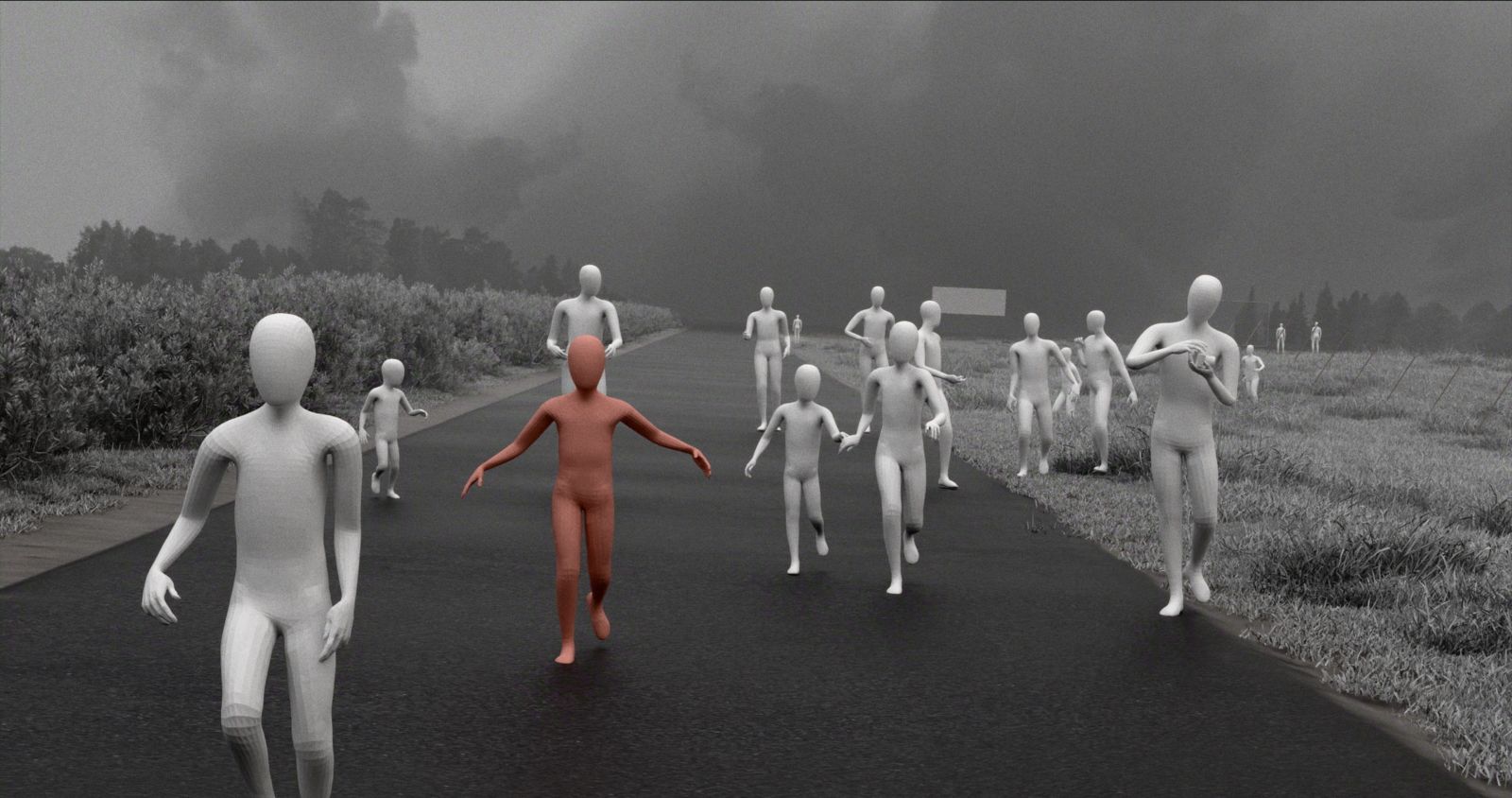
The talking heads style documentary may seem a little dated upon first glance, but the tried and tested model simply serves as the template for so many movies today. Just look at this year’s festival circuit hit Black Zombie, which refashions The Celluloid Closet’s threads to spark conversations about Black representation in horror movies. It’s a great conceit that allows audiences to recognize cornerstones in Hollywood history through the perspectives on people whose lives were touched by these films. Like Black Zombie, The Celluloid Closet situates these films in context so that viewers can understand the full story while appreciating works as products of their time.
In the 30 years since The Celluloid Closet examined Hollywood history, though, many conversations in the film remain relevant today. The stories here are part of an ongoing conversation, particularly as many of the stars interviewed speak to their experiences of playing queer characters despite being heterosexual themselves, and not really grasping a need for Hollywood to reckon with the fact that the number of queer actors being recognized for queer roles are vastly, vastly eclipsed by straight folks putting on an act. Even the wave of independent works from the late 1980s and early 1990s that are absent here—paging Paris Is Burning and the films of Pedro Almodóvar!—illustrate how many queer voices have since broken through barriers in the industry, particularly as the revolving door of straight men getting it wrong eventually opened space for LGBTQ+ filmmakers to get the stories right without dumbing them down.
Movies still do the dance of two steps forward, one step back as indies like Weekend and Moonlight offer genuine breakthroughs, but even a talking head in the film like Tony Curtis infamously campaigned against Brokeback Mountain ten years after patting himself on the back in The Celluloid Closet for doing drag in Some Like It Hot. Aspects of The Celluloid Closet that haven’t aged well arguably reflect the degree of comfort afforded to people who take for granted want it means to see one’s life on screen. This film invites audiences to savour stories that feel authentically one’s own—and seek out further stories they may have missed along the way.