



Into the Jaws of the Ogre (Dans la gueule de l’ogre)
(France, 86 min.)
Dir. Mahsa Karampour
Prod. Mathilde Raczymow
From its outset, punk was meant to be outsider art. Birthed as a youthfully rebellious conversation from musicians and tastemakers in the U.K. and the U.S. during a time of economic downturn, where Johnny Rotten’s cries of “No future!” spoke to the existential angst of a forgotten generation, this aggressive, often nihilistic reaction was a response to the ’60s’ counter culture, eschewing the peace-and-love positivity and encouraging an army of followers to never mind the bollocks and abandon conformity.
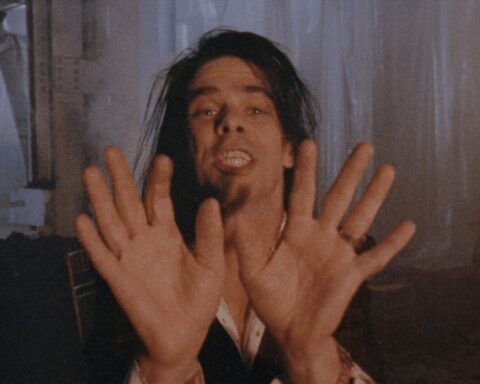
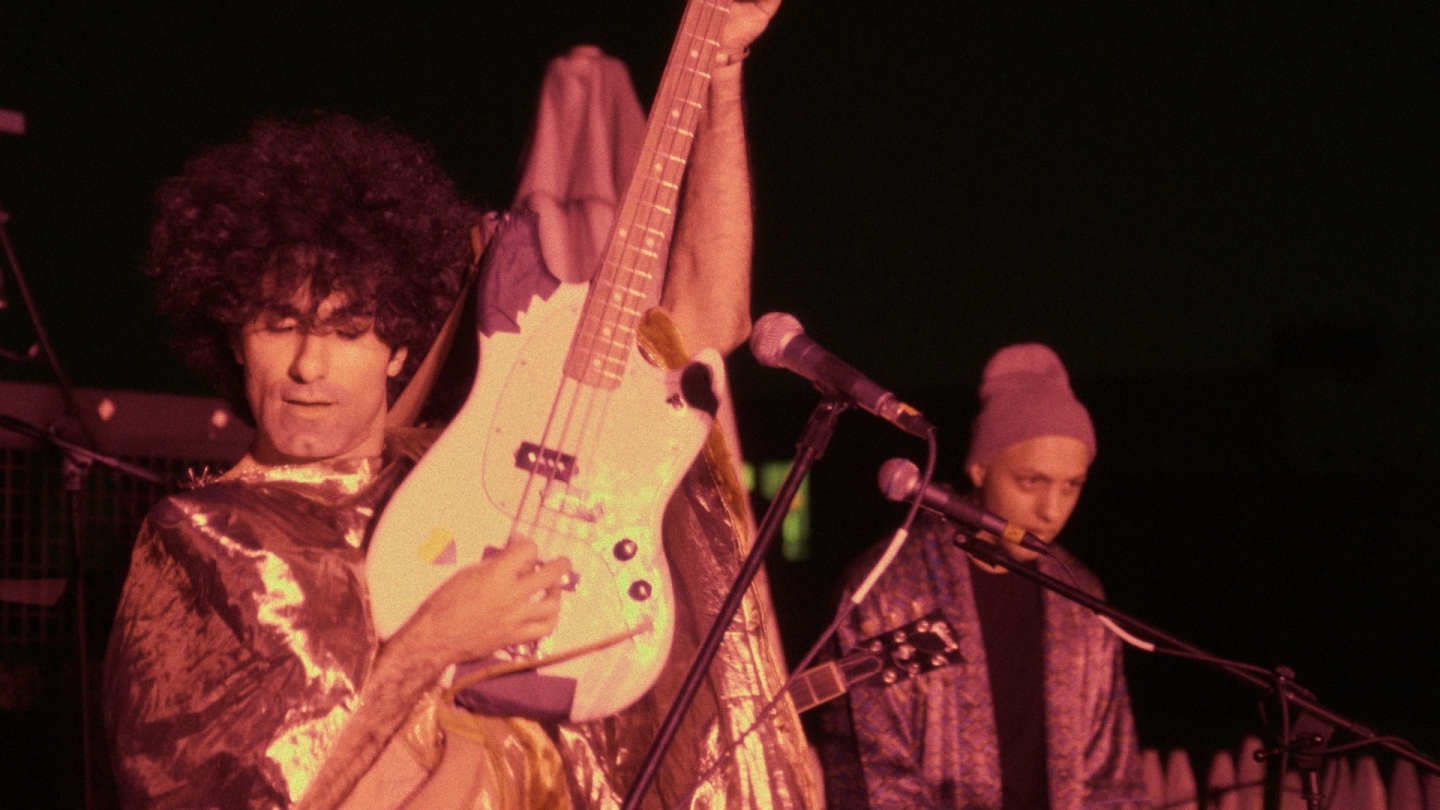
It’s a fitting milieu for a young, angry man growing up within the cloistered Iranian system, using his guitar as a scythe against life within the theocratic bounds of post-revolution Persia. To cause havoc on the streets of London or the grungy clubs of lower Manhattan is one form of rebellion, but to do the same as part of an underground band in Tehran feels much more punk.
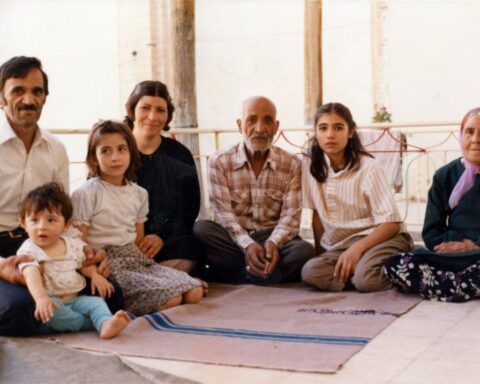
Mahsa Karampour’s empathetic documentary Into the Jaws of the Ogre follows the story of her brother Siâvash who along with his fellow bandmates briefly brought his homeland some of that rock and roll attitude to express their youthful frustration. Eventually migrating to New York City, separated from his older sister who settled in France, the two have a tenuous familial relationship that Mahsa attempts to bridge via filmmaking.
Siâvash’s story is not simply one of displacement, and the fate that surrounds the fellow bandmates who migrated with him is but one of the tragedies explored in the portrait. Equally, the large issues regarding community, connection to one’s homeland, and even the exploitation of immigration systems for self-benefit are touched upon in ways both subtle and overt. There’s tremendous ambivalence reflected throughout, from the brother and sister connection, the implications of where each sibling has chosen to call home, or even their relationship with the country of their birth and other family members from whom they have been separated.
The film is intensely personal, of course, yet its larger themes elevate it from being too insular or narrowly focussed. Both Siâvash and a generally taciturn Mahsa have fascinating stories of their own lives and struggles to share, and the collision with how each has dealt with their circumstances is the film’s most powerful and illuminating element.
Siâvash’s music is rough and at times aimless, and the unfulfilled dreams of an aging punk rocker is hardly unique to his situation. In fact, the drive to get a “real” job and open up a restaurant illustrates the f growth rarely seen in such portraits, even if “selling out” is anathema to a particular brand of punk with the privilege of not requiring the means to survive.
Similarly, Mahsa’s romanticised views of returning to her homeland are shaped by the idea of what Iran is, versus the complex realities experienced by those who see the place through the eyes of adulthood rather than the truncated experiences of a youth who left just as her personality was being forged. That’s not to say that life in the West is free from struggle, but her almost childlike belief in a better Iran lays in stark contrast to the supposedly anarchistic Siâvash’s far more measured and prosaic views.
Quiet and confident, this portrait of siblings and their disparate life choices is engaging throughout, making for a fascinating dive into subjects not often seen on screen. It’s a film unafraid to embrace the contradictions between the two subjects but also bold in its ability to capture the nature of change over the siblings’ multiple visits, illustrating how growth is at times tumultuous and at others, critical for survival.
As the title evokes, it’s not always pretty to gaze Into the Jaws of the Ogre, but thanks to some carefully assembled footage, compelling subject matter, and two open yet cautious subjects, Karampour confidently crafts a work of quiet power and impact.