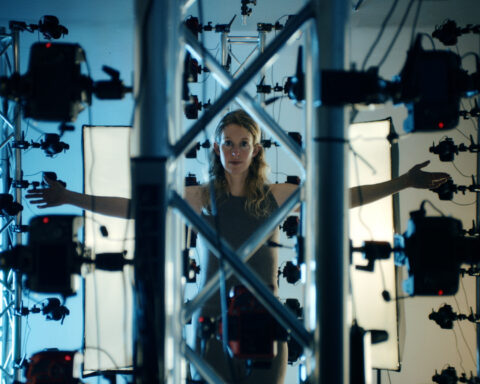




Holofiction
(Germany/Austria, 102 min.)
Dir. Michal Kosakowski
Prod. Uli Aigner, Michal Kosakowski
“Fiction is a transgression,” says French filmmaker Claude Lanzmann. “It is my belief that the depiction of certain things is prohibited.” Michal Kosakowski’s documentary opens with the late Shoah director’s pointed critique on the unreliability of fiction as a practice for depiction, memory-making, and archiving.
Kosakowski tests Lanzmann’s belief against the extensive body of fiction films exploring the Holocaust to identify the alleged limitations of fiction as a medium. Through a series of intertitles stressing the important role films that have played in constructing a history of the Holocaust, Kosakowski establishes Holofiction’s thesis as such within the opening minutes. What follows is an extremely well researched assemblage of moments from Holocaust films through the years, forcing the audience to ponder upon the exact role that cinema has played and continues to play in the act of history-making in this context.
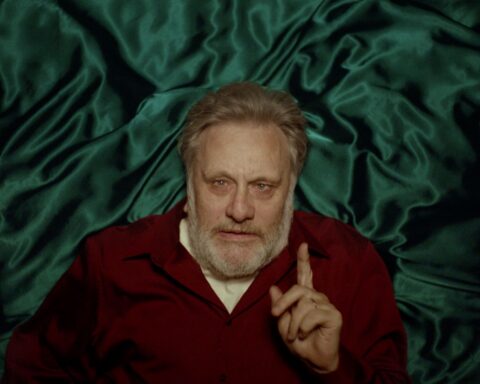
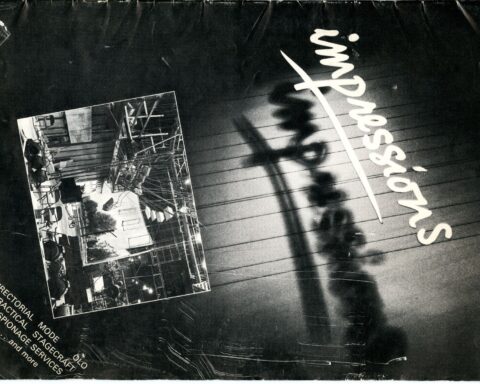
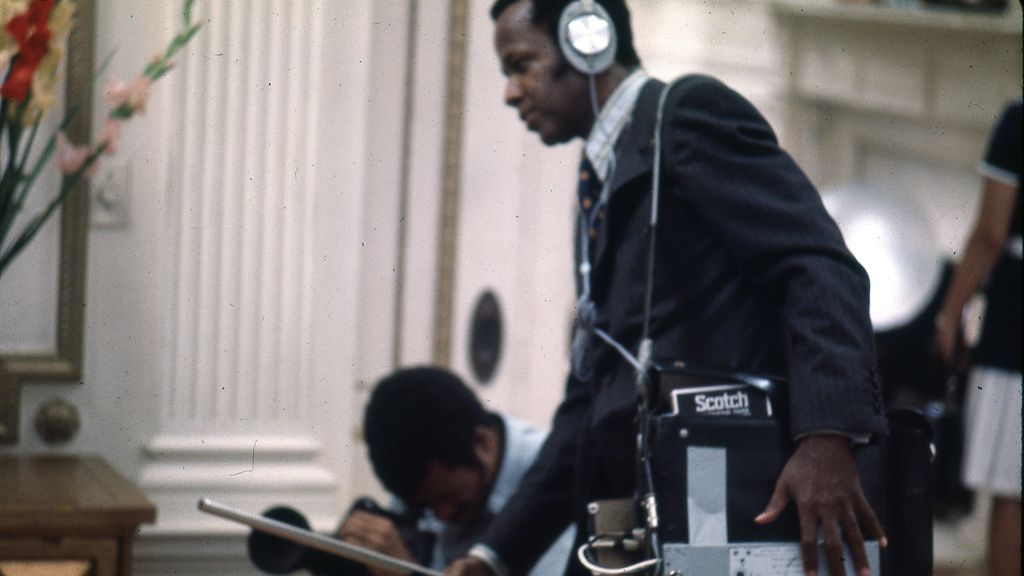
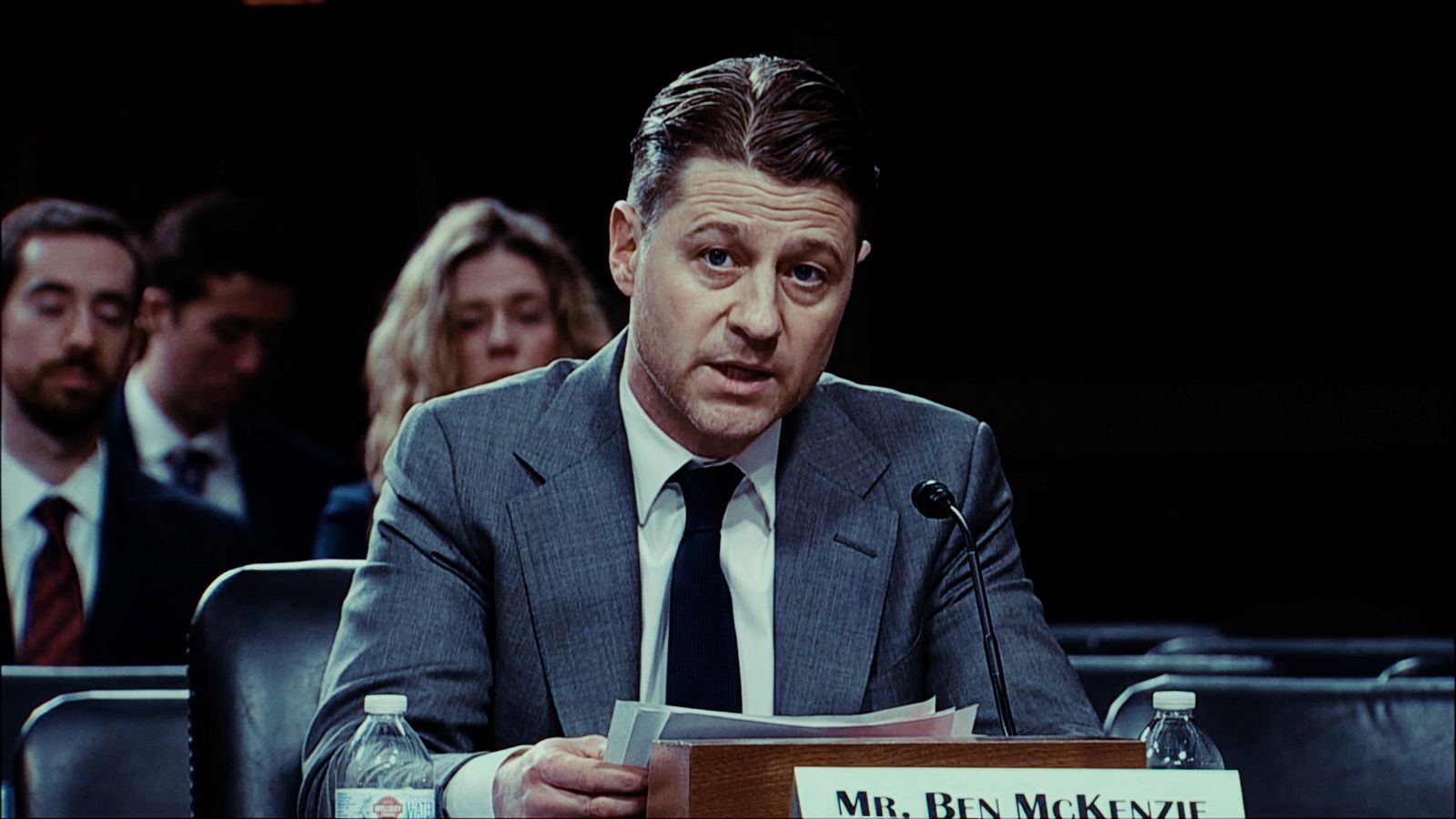
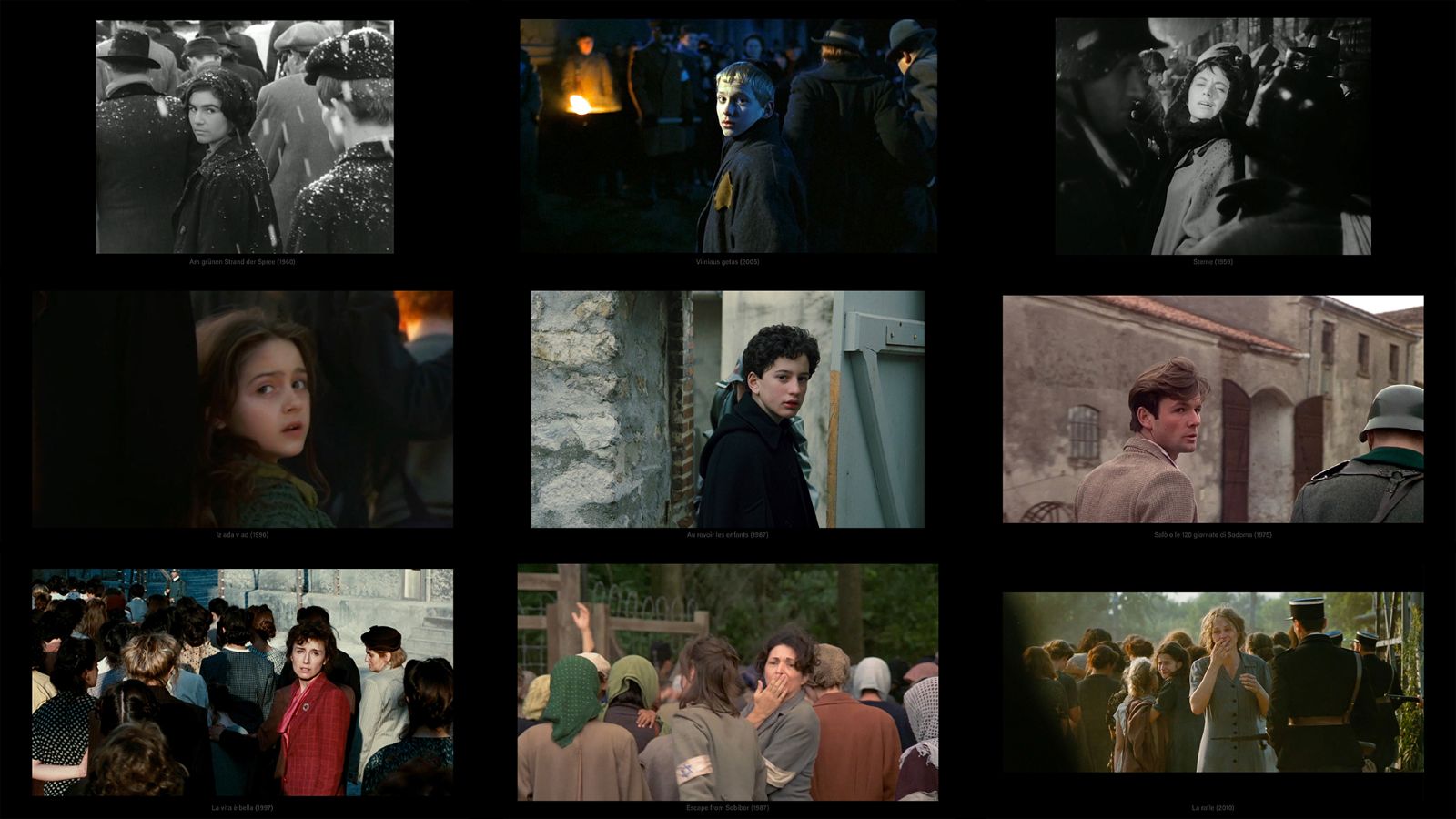
To ensure this effect, Kosakowski tediously constructs a moving mosaic that functions as an independent film despite being formed entirely of scenes from a massive repository of other works (the credits alone are nearly 15 minutes long). In essence, the audience is offered a similar action occurring in various locations, involving different performers, and sometimes to different affect altogether. This practice allows Kosakowski to effectively comment upon filmic traditions that have become popularized in Holocaust cinema and how a standardization of these events plays a significant role in their construction of the event’s reality in the minds of the audiences, many of whom have only been exposed to cinematic depictions of World War II, rather than having lived it themselves.
Through a variety of perspectives, we see everyday life in Germany, the onset of the War, the Gestapo rounding up innocent Jews, people hiding in obscure corners of the house, and the debilitating experiences of people in concentration camps from popular films like Rome, Open City (1945), The Sound of Music (1965), and Inglourious Basterds (2009) and less popular films including Kontrybucja (1967) and The Day the Clown Cried (1972). The mosaic-like construction of the film has a rather interesting effect where upon recognizing a scene from a familiar film in the montage, one immediately extrapolates that context onto familiar scenes and characters. This effect simultaneously creates a shared history of Holocaust cinema and alters the experience of Holofiction for each viewer based upon how well versed one is with the era and the expansive canon of films depicting it.
For those unfamiliar with these films, it offers an entirely different experience where one sees a rapidly evolving montage of suffering, without ever understanding the exact circumstances of the people whom you are watching. While the overarching context of the Holocaust is abundantly clear, one may be unsure of who is present on the screen, what their unique experience may be, and whether they survived or not? This understated effect of the film mirrors the frail reality of the current political consciousness and peoples’ ability to engage with instances of war, where an overexposure to news stories and on-the-ground visuals from conflict areas including Palestine, Iran, and Sudan desensitizes one to individuals despite one being aware of the broader context of their suffering—especially in a contemporary context where images from such tragedies are abundant, whereas the dramatic films in Holofiction represent a tragedy from which comparatively fewer archives remain.
When viewed through this lens, Holofiction raises the question that whether watching these films in fact equips us with the ability to better understand the Holocaust or does doing so merely inform us of the traditions of cinema pertaining to it? One can doubtlessly extrapolate this question to fiction films at large, or documentaries that address the absence of archives from other events (ex: The Act of Killing).
Kosakowski ensures that the specific style of the film does not become predictable or repetitive as he meticulously places visual metaphors throughout the documentary. There are multiple extended sequences where the same actor playing a Nazi officer in one film appears in contrast with their portrayal of a Jew in another, which includes Christoph Waltz’s villainous Colonel Hans Landa from Tarantino’s Inglourious Basterds being forced into a shot/reverse shot with Jan from Life for Life: Maximilian Kolbe (1991). Beyond situations and people, Kosakowski explores the relevance of specific objects as well with the smoke bellowing from monochrome chimneys, musical instruments as avenues of respite, and dishevelled buildings that once used to be homes, being pieced together to comprehensively visualize the experience of Jews during the Holocaust.
Kosakowski’s dedication to the film is evident also from the decision to refrain from making a specific statement regarding these cinematic depictions of violence. While one could argue this absolves Kosakowski from outright agreeing or disagreeing with Lanzmann or any of the films featured, I believe this editorial restraint allows the viewer the freedom to analyze and engage with the story unravelling on the screen and the politics of fiction films at large. As a documentary, Kosakowski’s Holofiction is thus not only monumental in its novel construction but also in its ability to raise questions about cinema as a medium of entertainment, preservation, expression, and above all, documentation.