




Always Lalisa
(USA, 97 min.)
Dir. Sue Kim
Prod. Sue Kim, Courtney Crockett
Programme: TIFF Galas (World premiere)
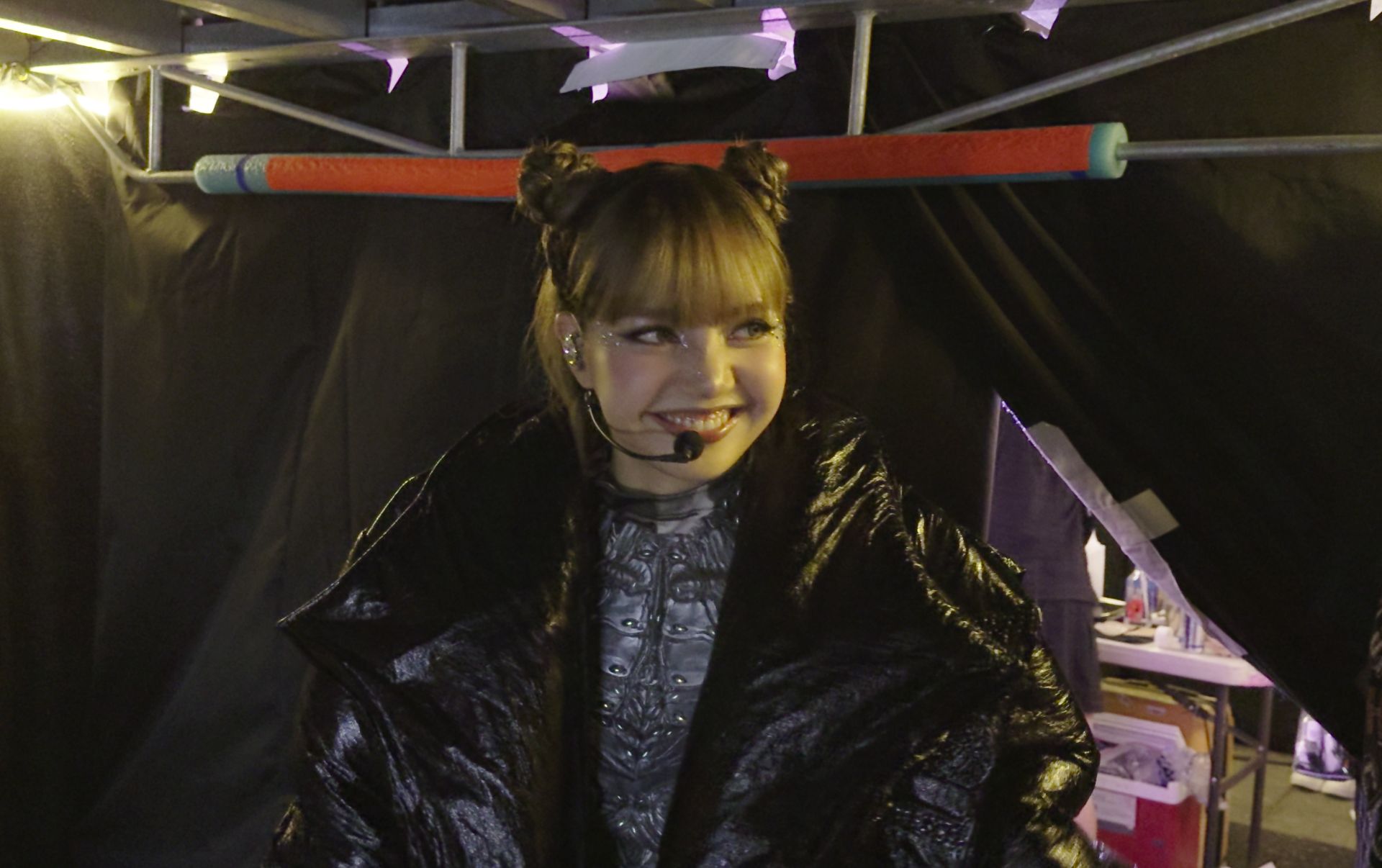
Fans know Lisa as the rapper from the girl group BLACKPINK, but the K-pop icon would prefer the world know her on her own terms. The young star gets her moment in the spotlight as Always Lalisa enjoys incredible access to a musical sensation while her stock explodes on the world stage. This intimate backstage documentary from director Sue Kim (The Last of the Sea Women) takes Lisa’s pulse as she readies to ascend the stage at Coachella.
The major American music festival serves a key testing ground for Lisa’s career prospects outside BLACKPINK. Having played the festival before with BLACKPINK and going out alone solo on the heels of her album Alter Ego, which was commercially successful, but received a mixed response, the concert seems like a do-or-die moment for an artist making a gamble. The mononymous Thai singer knows she was born to be a star and the film chronicles the sweat and spirit entailed in realizing one’s dreams.
Lisa’s mom tells how her daughter’s destiny was written in the stars. She recalls visiting a fortune teller at an early age and asking what fate had in store for her daughter, then named Pranpriya. She says the fortune teller advised that love could come much more widely for a girl named Lalisa. The star better known as Lalisa Manobal was therefore reborn. The film lets the star admit that the new name was immediately a better fit.
The young singer gets emotional during candid interviews as she revisits her route to fame. Lisa’s story reveals the machinery of the k-pop machine. She tells how she auditioned for the Korean label YG Entertainment and made the first hurdle to the intense second stage. It’s a mix of American Idol and Hunger Games as she remembers arduous training and rehearsal exercises, followed by performances for the bosses who would eliminate candidates every other week as they shaped the perfect girl group to their preference.
Lisa expresses complicated emotions while cautiously articulating her obvious frustration with being packaged by the commercial system. She stresses that two factors make her role in the k-pop explosion unique. For one, as a Thai singer, the music isn’t in her native tongue, and the Korean system isn’t known for welcoming outsiders. Moreover, she insists that her career began with aspirations to be a singer. Without any clear rhyme or reason, she notes that the decision makers for the band decided to cast her as the rapper. She takes it in stride, eager for the big break. However, a seed of imposter syndrome sets roots in the early stages of her career.
Always Lalisa doesn’t focus too much on the BLACKPINK hits as Lisa enjoys a break from the group. Lisa’s ready for her solo era and Kim streamlines the story by observing the push for authenticity in a system that rewards products over artists. Lisa hopes to redefine herself with her new album, which offers a conceptual riposte to years of being put in a box.
Alter Ego presents fans with five personas. Each “Lisa” expresses facets of the individual, further reflecting how the fierce performer on stage contrasts sharply with the sweet ingénue behind the scenes. As Lisa writes songs, records, and rehearses under different guises—Y2K Lisa, animal lover Lisa, badass Lisa—she punches back against the manufactured identity that defines her early work.
This push doesn’t come easily, though. Putting on the show means doing literally everything, whereas performing with BLACKPINK let her rely on her stage sisters. Doing intensive choreography, navigating wardrobe changes, hitting the marks, keeping the beat while singing live, and remembering to breathe while doing all of that, Lisa’s reinvention reflects a need to prove to herself that she’s a genuine star.
Always Lalisa offers an energetic addition to the growing field of star vehicles and docs that provide an insider’s views to the production of an album or the mounting of a show. Kim, who previously demonstrated a great ability to develop a rapport with participants in Last of the Sea Women, draws out some emotional perspectives from her personable star. Lisa finds the right balance of genuineness to her interviews without going too far to get herself into trouble with anyone on the BLACKPINK side of operations. Her perspectives on authenticity thankfully don’t ring overly coached through media training, either. Her willingness to be vulnerable and let her guard down, like when she remembers a childhood music coach who died from cancer far too young, allows audiences to see the sweet girl that interviewees speak of fondly.
Moreover, the documentary captures bigger picture dynamics in the music business that extend beyond one star’s story, from toxic fandom to crossover appeal with her acting debut on the hit series The White Lotus. For one, the paradox of cookie cutter pop groups offers a unique window into the hugely popular world of k-pop, but also the challenge of creating original and exciting music that will endure for generations. Always Lalisa provides a clear example of that dynamic when Alter Ego hits and fans and critics don’t know what to make of it. They mostly fault the album for failing to conform to the idea of Lisa they bring to it. In short, they miss the point.
The film offers an invigorating re-introduction to Lisa as Coachella shows a performer in her element. Always Lalisa truly pops as the bass beats thump and the spotlights twirl to highlight an artist hitting her stride. She puts on one heck of a show, both on stage and behind the scenes. She’s a performer and she knows it.