


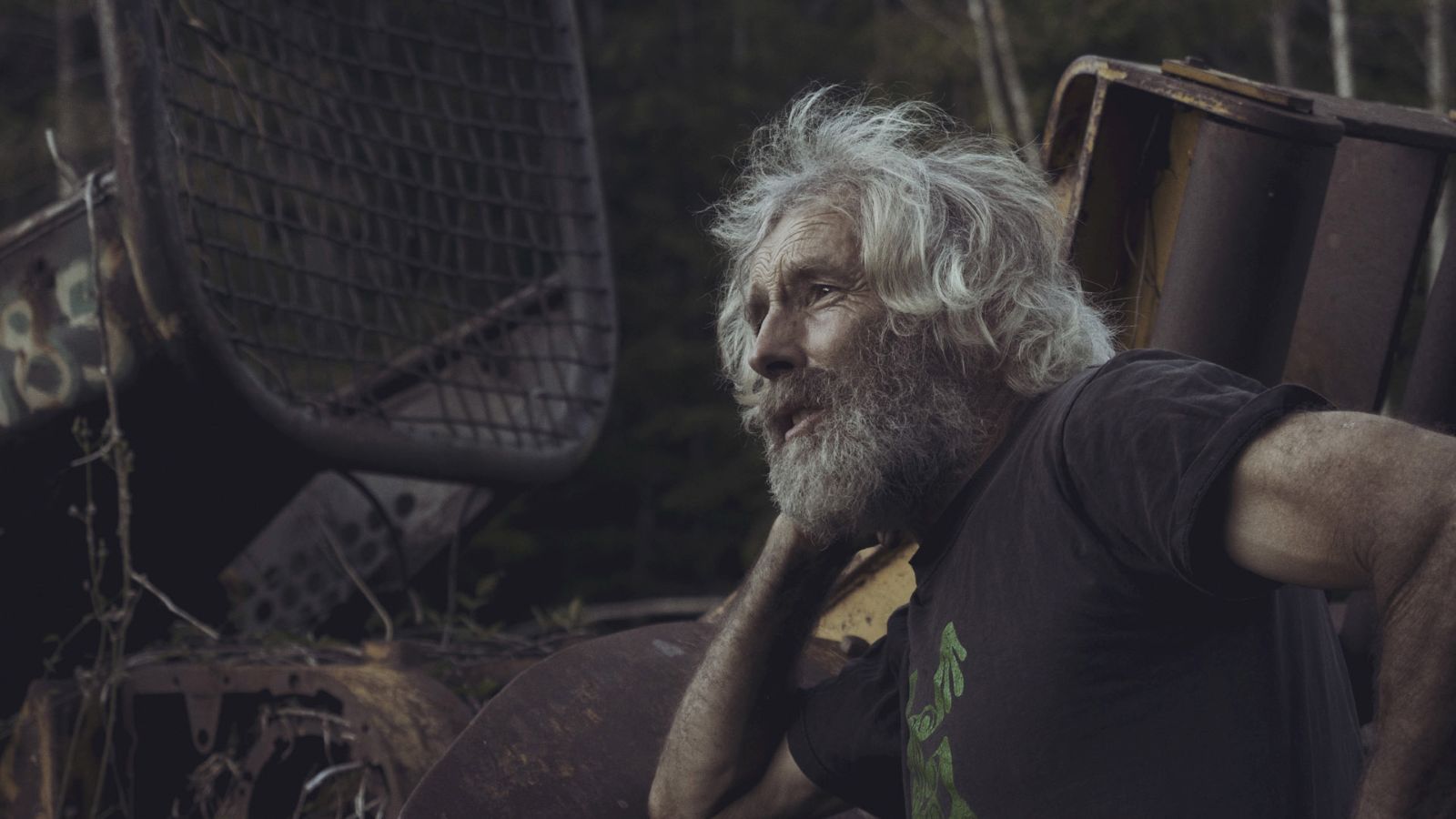

Green Valley
(Canada, 83 min.)
Dir. Morgan Tams
Nestled up in Cortes Island, a getaway in the appropriately named Discovery Islands archipelago in British Columbia, sits Blue Jay Lake Farm. Far from the nearest metropolitan centre resides this off-grid oasis founded by Henry Verschuur. Blue Jake Lake nurtures the homestead that Verschuur purchased in 1990 and it thrives less as a commune than an alternative space for a chosen family looking to unplug from the rat race. Green Valley slows down with the pace of this back-to-basics lifestyle. It observes how much the average person may take for granted while enjoying the conveniences of city living with cheese, fresh cut steaks, and juicy tomatoes available at a nearby supermarket—or, circa 2026, just an online shopping order away.
Filmmaker Morgan Tams adopts the naturalistic style of the farmers’ work ethic as he chronicles their labours over two years. Although the homesteaders work at a much different pace than urban dwellers, it’s not a life of leisure to be found in the Green Valley. As Henry and his younger co-habitants, including couples Max and Heidi and Sam and Anne, and their two kids, share while Tams observes their daily duties, living off-grid requires a radically new approach. Life and work are one and the same. A homesteader easily puts in as many or more hours per week than a Bay Street workaholic. Regardless of one’s lifestyle choices, though, Green Valley offers a thoughtful consideration of sustainability with this handsome, unhurried observation of off-grid life.
But this lifestyle also demands that homesteaders dissolve the line between work and labour. They love what they do and they commit to being as self-reliant as they can. However, tasks aren’t completed by a tap on an app. Chopping wood, making fires, harvesting plants, and tilling ingredients by hand make every meal a production. The extra work yields a richer flavour as there’s obviously something to be enjoyed by such a cornucopia of the fruits of shared labour.
The film asks why a lifestyle like the one on Blue Jay Lake Farm presents an alternative, rather than a norm. Henry and company, for example, explain how the farm isn’t entirely self-sufficient. They sell their goods at the farmers’ market and buy necessities they can’t grow themselves. Meanwhile, they enjoy many modern conveniences, as Tams’ digital camera observes contemporary technology like computer monitors interspersed with the old-fangled tools like a hand-cranked coffee grinder—disastrously sped-up with a power drill in an early scene.
Green Valley presents a fair case that one doesn’t have to reject the niceties of contemporary living to enjoy an existence outside the hustle-bustle of urban life. Rather, the homesteaders are products of the present rather than the past—the farm even has a website—but they operate with a mindset of renewal and sustainability. That comes with its risks, though, as Heidi expresses some concern while washing wheels of cheese and recalling the previous night’s milking haul. Scoring six gallons from the cows means a fair bounty, but it also requires a lot of work to move, sell, and preserve quickly to avoid waste. This life teaches adaptability and resourcefulness as residents juggle various hats.
Tams hails from the Green Valley community himself—one scene sees Henry read a birthday card from the filmmaker—and the homesteaders’ philosophy echoes in the film’s design. It’s a lean doc that uses the tools at its disposal, not asking more of the land with snazzy high-wattage lighting set-ups or rigs. Shot with natural light, Green Valley harnesses the power of the sun for its handsome cinematography, observing the fading brightness in the farm’s cozy dwellings where residents conserve electricity.
The film adopts a fly-on-the-wall view of the artisanal workings of the farm, and Tams’ relationship with the homesteaders ensures that some candid perspectives creep into the observations of daily duties. Anne, for one, conveys palpable fatigue while reflecting upon raising two young kids off-grid, while also contributing to the non-stop workflow. It’s not a complaint, but merely an observation and one that seemingly resides at the heart of Green Valley.
At times, the proximity between observer and participants leaves some elements unclear as things go unsaid between parties who share a mutual understanding of the situation. The origin or genesis of the relationships on the farm is a bit murky, but Green Valley simply focuses on the present. The demanding lifestyle requires it. Moreover, a thread with the recurrence of Henry’s cancer reminds the community that their bodies will inevitably return to the earth despite all they do to avoid the contaminants of modern living..
There are echoes of other off-grid docs like All the Time in the World, Family of the Forest, or A New Kind of Wilderness, and should appeal to audiences craving an escape from the grind of urban life. Amid the unhurried, but consistently demanding labours, the film observes how life on the farm gives them homesteaders lots of time for their thoughts. Max especially seems the most open and introspective with Tams. He lends a surprising perspective when he tells Tams about the death of his father. He wonders about his dad’s ecological debt and notes that his father enjoyed life without considering the impact that his choices had on the Earth.
Max uses his dad’s story to illuminate the inspiration behind his own decision to live by means that reduce his carbon footprint. The Blue Jay Farm Way puts an individual’s well-being in harmony with the health of the planet as living off the land means giving back to it. Eat only what you need, replant what you harvest, and reuse the plastic bag that once housed the old man’s ashes. Even city dwellers can take that mindset to heart.