



Tough Old Broads
(Canada, 89 min.)
Dir./Prod. Stacey Tenenbaum
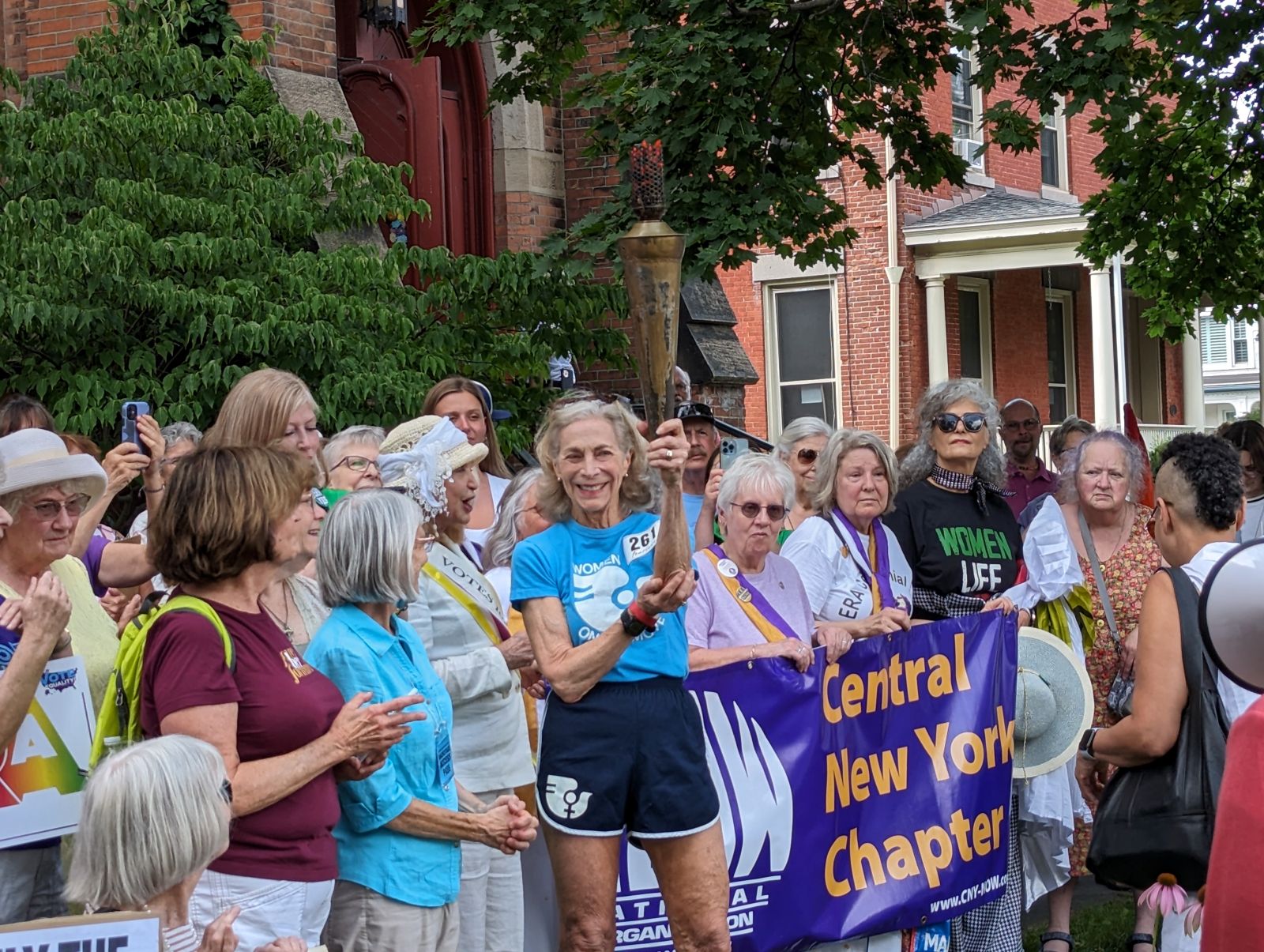
Kathrine Switzer shares a wild story in Tough Old Broads. The 79-years-young runner remembers the day in 1967 when she was the first woman to officially tackle the Boston Marathon. However, she recalls a day of mixed emotions. She proudly donned her tag marking her as runner number 261 and put one foot forward after another, running along as the only woman amid a herd of men. Catcalls and jeers that suffragettes had no place among the pack made for an uncomfortable run. Then things escalated: the marathon’s organizer appeared in a van chugging alongside her. Switzer says he jumped out and ran after her, lunging for her number tag and asserting that she had no right to be there. She managed to shake off the—at best—unsportsmanlike conduct and finished the race knowing the stakes of crossing the finish line.
Tough Old Broads salutes women who strive to cross the finish line in whatever field they choose. Director/producer Stacey Tenenbaum offers a sprightly and intersectional character study. The film acknowledges that the women at its core broke ground in a “man’s world.” However, Tough Old Broads says the status quo’s got to go. It’s not a “man’s world” in which we live: it’s a world for men, women, and everyone in between. The old broads that fuel the documentary have the smarts to invite everyone in to join their causes.
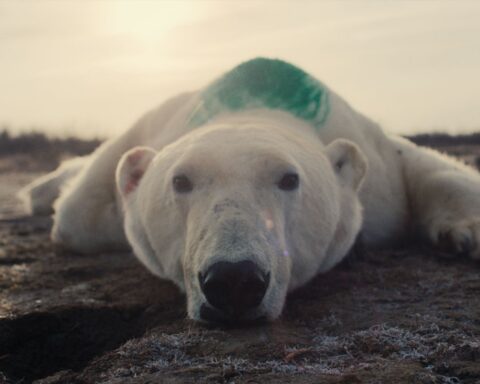
The film follows three women from different backgrounds. Besides Switzer, Tough Old Broads finds a great story in Inuk elder Siila “Sheila” Watt-Cloutier. She shares her story as a climate activist who connected the fight for climate awareness with greater concerns of human rights. Her tale summons a mission of community leadership and a global call for change. The film looks back her work when people in her community became sick due to contaminants in the water, which poisoned the fish that the Inuit harvested to feed their families. Watt-Cloutier’s argument—a revolutionary one that should have been common sense—told the world that access to healthy food supplies and living off the land inherently connects environmental concerns with human rights.
Tough Old Broads tells how that landmark argument inspired the United Nations to regulate toxic chemicals. After that, Watt-Cloutier made history anew by being the first woman to instigate legal action against the United States for climate change, arguing that global warming and carbon emissions violated the human rights accorded to the Inuit. The film credits her as a lifelong guardian for her community, informed by her own experience spending three years at residential school in Churchill, Manitoba with the purpose of distancing her from her culture and language.
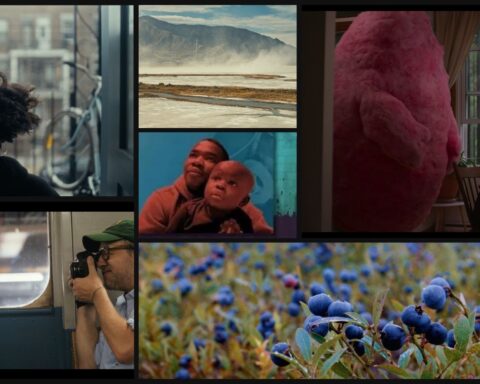
And then there’s Sharon Farmer, a spunky shutterbug who enjoys her place in history as the first woman and Person of Colour to be the Chief Official White House Photographer. Farmer shares how her love for the arts led her to this position during the Clinton administration. Like Switzer, it comes from a story—several stories, really—in which men told her to keep out. She looks back at her university years and remembers trying to join the marching band, which was strictly for boys. (Not men from the attitudes Farmer describes.)
Being shut out proves a blessing in disguise in Farmer’s story, too. She shares how she found other extracurricular activities while pursuing a degree in photography from Ohio State University, serving as editor of the school paper and taking urgent photos of civil rights movement on campuses and rising to vice president in the student body while demanding for better opportunities for Black students. That spirit of knowing the power of the camera informs her to this day. Tenenbaum follows Foster as she takes photos on Election Day 2024, harnessing a mix of excitement and trepidation as she shoots voters who are hoping for Kamala Harris to win, but bracing themselves for another Trump triumph. As she captures America’s collective disappointment, and many protesters with placards advertising slogans for equal rights, Tough Old Broads illustrates how many of the fights these women and other women waged continue today.
Tenenbaum again displays a fine eye for character with these three tough cookies. Her previous docs, including Pipe Dreams, Scrap, and Shiners, offer eclectic ensembles with offbeat participants. Tough Old Broads has a trickier prospect, however, in using key voices to reflect the whole. Simply put, women offer a much broader spectrum of experiences than pipe organists and shoe shiners. The film nevertheless acknowledges the distinct backgrounds and perspectives that inform the three storylines, as Switzer, Watt-Cloutier, and Foster respectively allow the tales of the fights for women’s rights run parallel with efforts to uplift other equity-deserving groups.
Moreover, in connecting three characters who have virtually nothing in common aside from their gender and their refusal to stand down, Tough Old Broads encourages audiences to see acts big and small as significant contributions to social change. Running a marathon or publishing a photo can inspire impact just as inspiring global policy decisions does. These stories collectively push the cultural needle forward.
Tough Old Broads also extends the women’s stories to those of the next generations. Their spirit endures in the young women who get ready to run, advocate for the environment, or march in the streets. These inspiring elders ensure they’re well-prepared to carry the fight.
![Jennifer Baichwal (director, at centre), Peter Mettler (director of photography, right) John Price (camera assistant, at far right), and crowd in Wushan, China, during production of Manufactured Landscapes (2006). [Credit:] Mercury Filmworks / Mongrel Media](https://povmagazine.com/wp-content/uploads/2026/03/MF1.jpg)