



Groundswell
(USA, 94 min.)
Dir. Joshua Tickell, Rebecca Harrell Tickell
Prod. Laurie Benenson, Eric Dillon, Ryland Engelhart, Joshua Tickell, Rebecca Harrell Tickell
“I know what you’re thinking: Not another depressing climate documentary,” Woody Harrelson says at the beginning of Groundswell. “Well, this film is different.”
Groundswell, however, isn’t all that different from many other entries in the climate docs canon. It sounds an alarm over an urgent crisis, visiting locations around the world united in a fight to save the planet. But it serves a refreshingly optimistic tone, having learned from the doom and gloom of many alarmist eco docs. Filmmakers Joshua Tickell and Rebecca Harrell Tickell know that finger-wagging rarely proves effective. Groundswell’s optimistic attitude uses positive emotions to enlist audiences in the push for regenerative agriculture.
The film closes the Tickells’ trilogy that began with the documentaries Kiss the Ground (2020) and Common Ground (2023). Like its predecessors, Groundswell examines efforts in regenerative agriculture, meaning an approach to farming that seeks to restore the biodiversity of environments in which crops are raised and harvested. The film, which won the Golden Globe for documentary at Cannes this spring, looks at how this process means shifting away from monocultures—i.e. huge swathes of land devoted to a single croup—and re-introducing a variety of flora and fauna to the land to keep it vibrant and thriving. Groundswell teaches audiences how the efforts of industrial farming have devastating consequences, but that the effects of these massive commercial practices can be reversed, as intuitive farmers and activists worldwide demonstrate with their stories.
Harrelson tag teams narration duties with Demi Moore and the stars put forward a proposal that’s anything but indecent. Groundswell offers a solutions-based approach to environmental cinema as it surveys examples that make the case for regenerative agriculture. These process help reverse the flow of carbon through nutrient-rich soil, as opposed to industrial practices that pump carbon into the atmosphere.
In India, for example, farmers and activists share how a temporary boon for monoculture gave way to terrible flooding. With lands hosting single crops, and businesses razing trees en mass to make room for planting, the process leads to poor soil quality and a lack of plants to absorb the water leads to flooding. Some creative thinkers share their solutions, which include building ponds to hold the water and redirecting floods to these spaces. Developing the new water bodies with diverse plants and animals to feed off excess and create cycles of life, the film shows how barren lands can be restored within a decade.
Groundswell explores this one case study within a larger consideration of “desertification,” or the process in which lands become arid and unhospitable through industrial practices. The film takes audiences to parts of the USA, Kenya, and Australia where once-healthy grounds run dry. With waterbeds depleted and temperatures rising, farmers find ways to change the status quo. In Kenya, for example, farms that traditionally raise cattle find the benefits of introducing different animals—goats and chickens, say—to the mix. Meanwhile, bacteria rich elephant dung offers oodles of nutrients with which to feed and restore the soil.
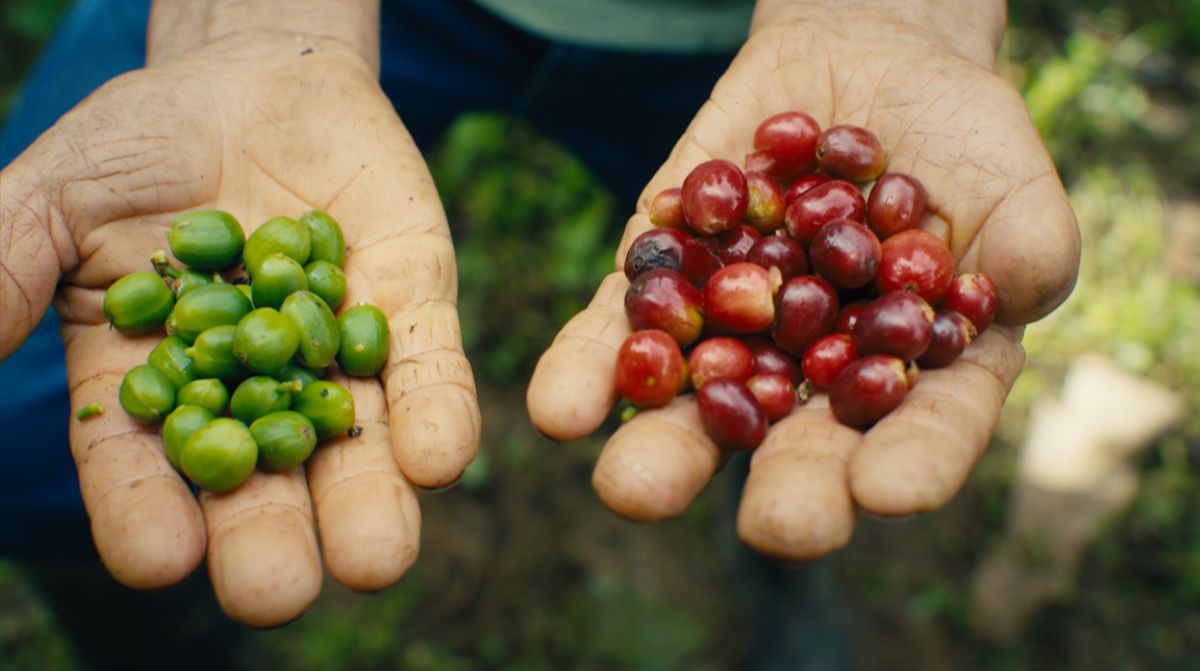
The film also offers a key example that illustrates the need for change that consumers may take for granted. In Colombia, farmers wrestle with the demands of industrial coffee supplies. When every café in a franchise serves the same brew at any given moment, that imposes an unsustainable monoculture. Moore’s voiceover cautions that viewers might see the coffeepots dry up if practices don’t change.
Much like the intuitive farmers in India and Kenya, proactive Colombia coffee growers harness a variety of flora and fauna to let the landscapes thrive. Growing coffee plants amid other trees and flowers entices diverse birds to return to the area. They in turn fertilize the ground just like the elephants do. (And add some lovely birdsong.) Using one specific example of a product that viewers enjoy daily—or at least three times daily, as this reviewer does—Groundswell illustrates how informed decisions at the consumer level can help drive this positive change.
The documentary might be a three-coffee a day personality, too, as its over-caffeinated tempo sometimes flies by examples and testimonials a little too quickly. Audiences who aren’t well versed might find themselves overwhelmed by the flow of information. Alternatively, the film’s excessive roster of talking heads makes clear the necessity of collective worldwide action. The solution doesn’t and cannot rest on one government alone.
Groundswell presents audiences with a truth that’s not really all that inconvenient. Climate change is here, but it’s not irreparable. By harnessing the upbeat energy of its participants and providing audiences with the information to help them support and reward farmers leading the regenerative revolution, the film provides an accessible call to action. That’s certainly another positive for bucking the trend of depressing climate docs. If coffee can’t save humanity, nothing probably will.