



The Last First: Winter K2
(USA/UK, 98min)
Dir. Amir Bar-Lev
Prod. John Battsek, Sean Richard, Sarah Thomson, Howard T. Owens, Ben Silverman
Programme: Premieres (World Premiere)
There have been a slew of mighty mountaineering films, from Meru to Touching the Void to Free Solo. Amir Bar-Lev’s The Last First: K2 rises to similar heights. It is an extraordinary portrait of a climbing window in 2021 set at the titular Pakistani mountain. This exhilarating film delves deeply into complex issues just as it lets viewers vicariously take a trip to the top of the world.
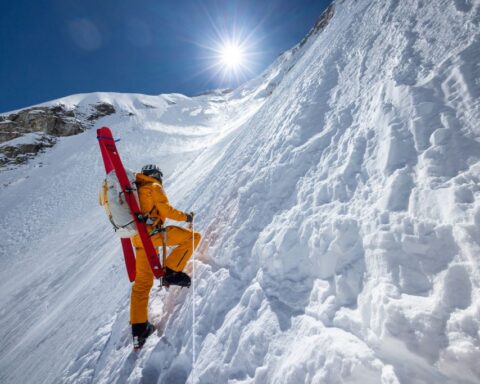
K2, the second highest peak on the planet, is considered by many experts the most challenging mountain to climb, with its fatality rate dwarfing the likes of the taller Everest. In summer, it can be deadly, while winter climbs are considered almost impossible, given the tumbling rocks and snow, and precarious spots for basecamps where savage winds can reach well over 100 km/h.
The drive to be the first to summit K2 during the winter season was considered the last of the great challenges for the tallest peaks in the world, and over the decades, several attempts were forced to turn back before the ascent. Bar-Lev (Long Strange Trip) focusses on a number of groups that attempt what feels impossible, illustrating the athleticism, compulsion, and downright hubris that seem to exemplify this spirit of discovery and the drive to be an historic first.
What sets the film apart, however, is how it deftly navigates not only the tragic events that took place during this climbing period, but also the many cultural, economic, environmental, and even geopolitical elements that this adventure brings to the fore. Beyond a simple telling of the ascent up the mountain, there are many deeply profound aspects of climbing culture and the commerce that surrounds it that are explored.
We are witness to how the “touristification” of mountaineering results in amateurs being put at risk, while showing a broader point that even the most experienced climbers are still subject to failure. Companies owned by Sherpas themselves are subject to scrutiny, and the notion of who gets to claim credit is constantly measured by a long history of Western climbers being lauded while their assisting partners are left out of the headlines. These competing elements, ranging from the drive of encouragement from military leaders right through to filmmaker/influencers coming to terms with their own drives to capture images no matter the cost, gives The Last First much of its power.
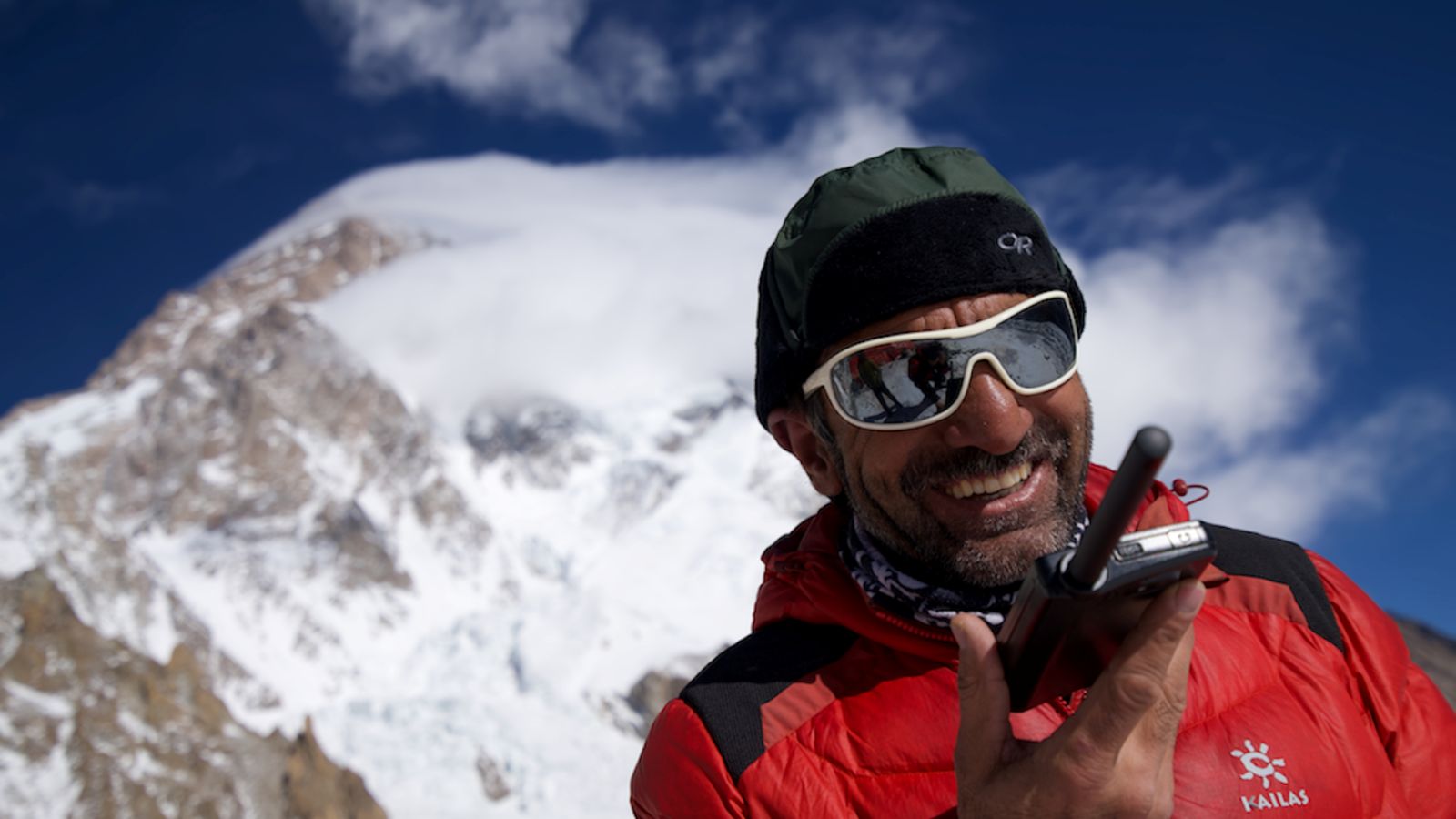
The film begins by following the summit attempt by Icelandic climber John Snorri Sigurjónsson along with his Pakistani friend and colleague Ali Sadpara. Combined, the two men have decades of experience, and they set up camp with months of supplies with a slow yet deliberate plan to be the first to manage a winter climb. Along with Ali’s son Sajid, himself an accomplished mountaineer, as well as their team of cooks, assistants, and Sherpas, we see footage of their life in the bleak mountain ranges, alone save for the harsh environment outside their tents.
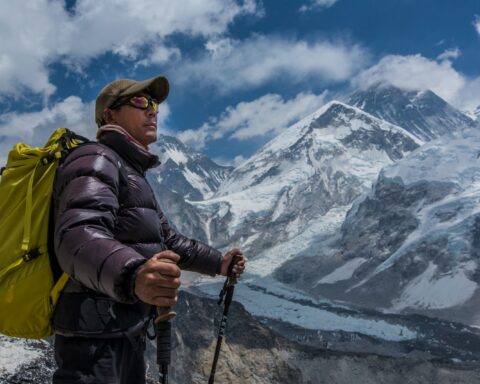
Soon, another massive group arrives, headed by British/Nepalese climber Nirmal Purja, known colloquially as Nims. On the one hand, he’s a showboating celebrity climber: a former British Army man already lauded for climbing all 14 of the 8,000 metre peaks in a six-month and six-day period. Bedecked in Red Bull gear and complete with his own camera crew, support staff and more, he brings the attitude of a well-financed adventurer with the added element of his Nepalese heritage.
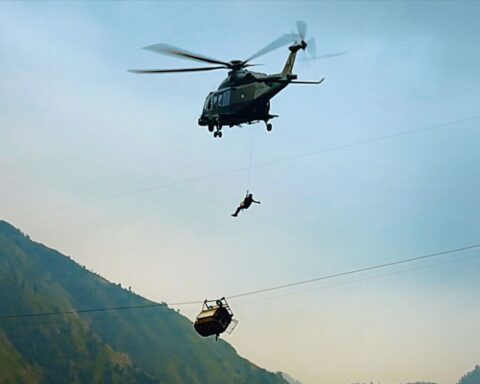
At the same time, another pay-to-climb group arrives. This one is Nepalese-owned but mostly consists of Westerners of various backgrounds and abilities. Basecamp soon feels more like a congested campground, with helicopters delivering more and more patrons who skip the initial steps and take shortcuts to expedite the main adventure.
The climbing itself exposes not only the limits of human endurance, but also the entire notion of a climbing community. What’s considered fair game is put to the test, especially when there are records at play. What begins as an epic yet deeply personal quest takes on larger consequences, and the film brilliantly allows competing perspectives to shine in multifaceted ways.
Visually, the film is, of course, a stunner, which is not hard for it to be with such remarkable images captured on everything from pocket Go-pros to professional rigs. The interviews are probing without overstepping their bounds, allowing each individual to share his or her story while permitting us as the audience to navigate the competing perspectives.
The Last First provides an exhilaratingly complex story, unfolding with journalistic precision while being buttressed by stunning B-roll from the events. There’s a tastefulness about what’s shown and what’s withheld, as the film manages to be both unflinching and respectful. Throughout, the very notion of capturing these raw images is brought into question, making the documentary itself subject to the same concerns of culpability and blame that are being asked by the participants.
The Last First: Winter K2 is an epic documentary that isn’t afraid to focus on the hard questions. It’s brave enough not to believe that answers come easily. It is equal parts thrilling and provocative with vistas and circumstances that provide both an aesthetic drive and philosophical dilemmas, all of which are explored in an accessible yet richly complex fashion.
This is a brave, bravura work that goes well beyond its astonishing milieu, all while managing to draw audiences in vicariously to the wonders of achievement. We feel the pain of loss, revel in the glory of achievement, and shudder while witnessing the frustratingly passive-aggressive actions of many of those portrayed who contributed to the debacle that unfolds. This film about a mighty peak is peak filmmaking, and Amir Bar-Lev’s latest doc ably climbs to the summit of this year’s slate of non-fiction films.