


Tehran, Under the Skin
(France/ Iran/Sweden, 84 min.)
Dir. Afsaneh Salari
Prod. Christian Popp, Afsaneh Salari, Mario Adamson, Ashley J. Smith
Programme: TIFF Docs (World premiere)
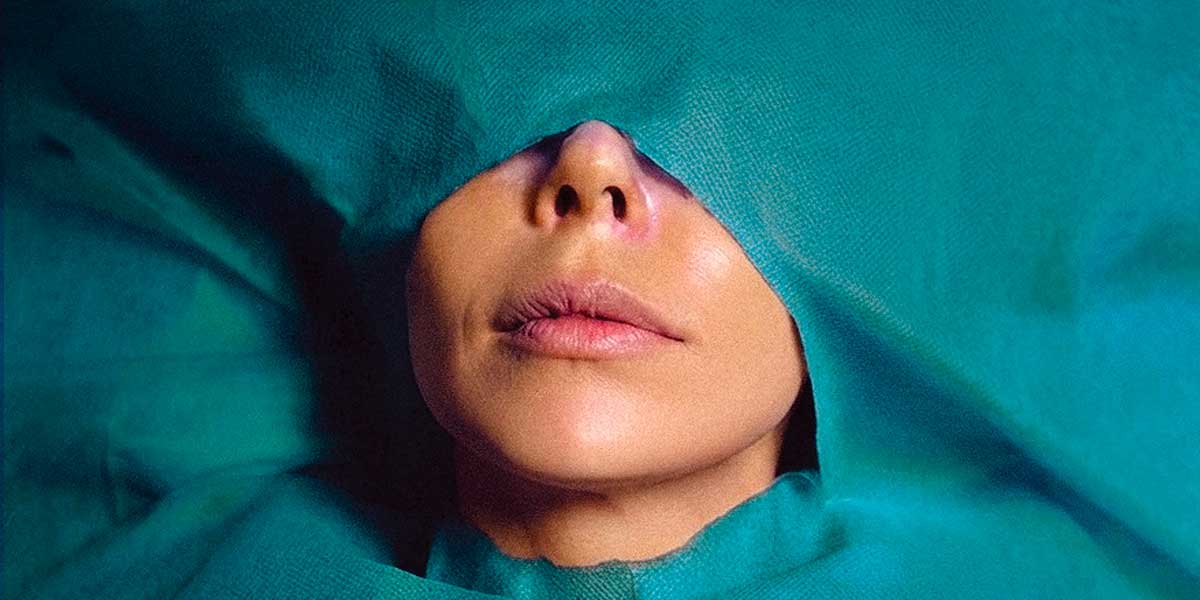
“Iranian society is bipolar,” a flummoxed Dr. Siamak Sedighi tells the camera in Tehran, Under the Skin. This documentary from director Afsaneh Salari, who produced the TIFF doc A Sister’s Tale , patiently observes a world of contradictions seen exclusively through the lens of the city’s cosmetic surgery clinics. Although the film’s minimalist invites a facelift of its own, it nevertheless reflects the clandestine nature of a world that exists behind closed doors in a traditionally patriarchal society.
The male doctor occupies a secondary role in Tehran, Under the Skin, but his observation stands as the film’s thesis. The chief set of eyes through which the documentary captures the complicated co-existence of old-world patriarchy and western beauty standards is Dr. Rozina Besharatizadeh. She operates a popular clinic in Tehran where women queue happily for nose jobs, tummy reductions, breast augmentations, and whatever nips and tucks they and/or their husbands desire.
Fly on the wall interviews observe as Dr. Besharatizadeh assess her patients. She discerns in a flash if a nose boasts a bad fit or an ideal honker for corrections. She breaks hearts and uplifts spirits by informing women that curves, skin type, and age shape their candidacy. But she’s no predatory vulture in a trade that could easily exploit women’s vulnerability. If someone doesn’t need a new sniffer, she declines to operate. Sometimes a lesson in inner beauty invites women to see their true forms.
More interesting are Salari’s views from the waiting room. Tehran, Under the Skin witnesses a flurry of excitement in a space exclusively for women. Free of headscarves and husbands, the perspectives offer unveiled takes on a culture in transition. Iran, too, gets a boob job, so to speak, as the Women, Life, Freedom movement inspires women to fight for autonomy and self- expression. The clinic provides a safe space for women to discuss their bodies, celebrate them, and articulate what it means to be comfortable in skin that society has long demanded them to cover up.
The doc admirably discerns the bravery these women have in being defiant. More women appear on camera than off, and there’s a collective agreement here to break the status quo. This somewhat inevitably means that the doc favours intimacy and access over story and scope, but there’s more to learn from this minimalist approach that privileges voices often denied a chance to speak. The film underscores this ongoing urgency as actresses read in voiceover the testimonies of women wrestling with dynamics ranging from body image to personal freedom.
One wishes that the conversations sometimes went a little further, though, as the documentary often leaves the world outside at the clinic’s door. Audiences must discern for themselves the implications of conversations that centre upon beauty image, which often relates to matters of circumstance. However, the doc often fascinates with the perspectives that women share about married life. The husbands often have their own desires about how their wives should look, and the film captures the inherent complexity and misogyny of the milieu in which the clinic finds itself. With Iran now facing the renewed devastation at the hands of the American war machine, though, new questions of reconstruction might further delay the new beginnings seen here. Tehran, Under the Skin offers a window into a world that might have been.