


Take the Money and Run
(Denmark, 81 min.)
Dir. Ole Juncker
Prod. Mette Heide
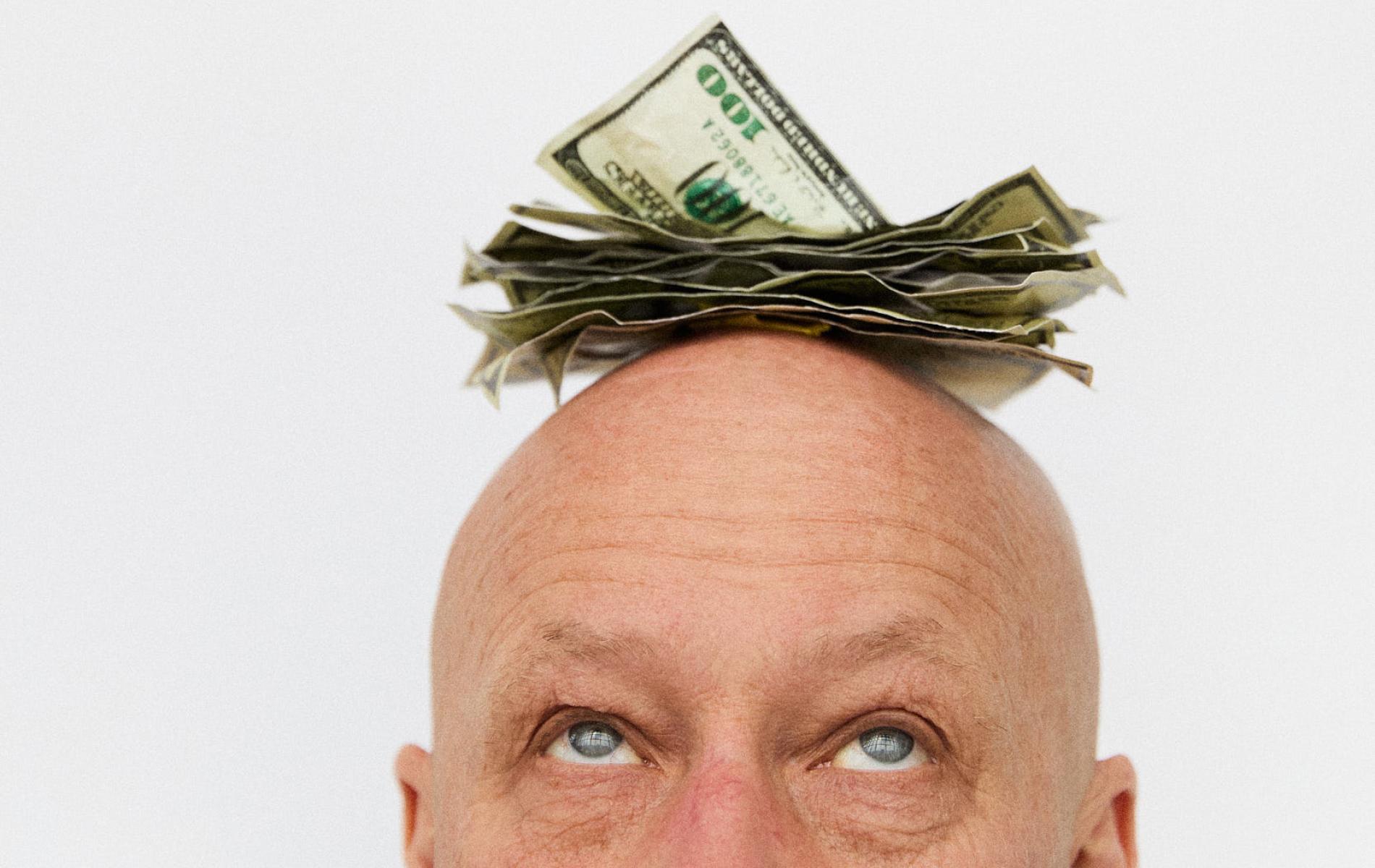
Get ready to debate whether Jens Haaning puts the “artist” in “con artist.” Take the Money and Run recaps the madcap saga about his 2021 masterpiece—or “masterpiece,” depending upon your assessment of his work.
This zippy, exhausting, and endlessly debatable documentary from director Ole Juncker follows Haaning as he deals with the fallout from a commissioned piece he delivered to Denmark’s Kunsten Museum. His proposal, which granted him $500,000 Danish Krone, was for an artwork that would include paper money in a two golden frames visualising economic disparity. But when the museum received two empty frames and a cheeky title, Take the Money and Run, they didn’t quite appreciate Haaning’s statement about the economic precariousness of artists.
The controversy comes immediately and furiously. One corner of the media boxing match positions Haaning as a genius. They rave about his audacious stroke of contemporary art. They say he makes a compelling argument about the institutional failure to provide for artists who enrich the masses with their art. Haaning argues that he actually paid for the frames out of pocket, so the museum has a twisted perspective towards labour rights if the onus falls on artists to pay for commissioned works.
In the other corner of the firestorm, critics and commentators call Haaning a scam artist. The absence of a “creation” and the aesthetic simplicity of Take the Money and Run fail to meet their definition of art. But there’s a great conversation here from the outset: Do Haaning’s actions constitute a breach of contract if he delivered a piece that exploits its commissioner to make an artistic statement? Or one the museum simply didn’t like?
Juncker tells Haaning’s story with a mix of cinéma vérité and interviews, but the former actually provides far more insight than the artist’s words do. This man is simply exhausting. As Juncker observes in Haaning’s chaotic day-to-day, money slips through the artist’s fingers. Take the Money and Run observes how Haaning frantically defends his position because the museum’s threats of a lawsuit mean that he’ll have to repay money that he’s already spent. He buys a new house in the country, and then a local post office to serve as his gallery, but can’t pay for the latter and balks when the banks refuse a loan.
Cue some frantic phone calls with beleaguered art dealers and gallerists. Many eyes pop when they fear the figures that Haaning needs to recoup and what he expects to generate by capitalizing on the publicity for his artwork/crime. The film offers a fair cautionary tale about money lending and being at the centre of a self-generated shitstorm.
The documentary dips into his backstory somewhat and portrays him as something of a two-bit Banksy. His art thrives on public stunts and “gotcha!” reveals. They make for great stories and headlines, but are too ephemeral or annoying to have monetary value. Moreover, the documentary invites the question of whether Haaning simply gets by on the art of the pitch. His history for making compelling bids about his unconventional art and its social impact may be compelling, and the film shows the challenge of taking such gambles when his controversial piece pulls back the curtain on his operation.
Take the Money and Run harnesses the frenetic energy of Haaning’s daily grind. Handheld camerawork and rapid cutting—many scenes feature shots that barely run a second—convey the draining pace of what it’s like to work with Haaning. Even a simply in-person conversation plays out with such gruelling noise and chatter that one’s likely to be as ruffled as the participant trying to have a meeting with the artist.
Juncker hits the gas pedal to keep the speed with Haaning as his desperation escalates. The artist tries liquidating his assets while juggling the bad real estate buy and the likelihood of the court siding in the museum’s favour. As things seemingly spiral out of control, journalists ask him if he has any regrets about Take the Money and Run. He concedes as the trial goes on that the pieces were probably more trouble than they’re worth. Add a car chase, a prison break, and a headspinner of a finale, and the film delivers all the makings for an entertaining true crime tale. That’s a fair verdict for anyone who believes the artistic merits of Haaning’s work to be criminal.
The daily chaos of Haaning’s lifestyle inevitably lends itself to a bare bones production that’s as unadorned as the art piece under question. It’s appropriately no frills filmmaking. Moreover, Take the Money and Run situates itself within a long line of art documentaries that concern themselves more with money than with art—a by-product of the industry itself. The question of what makes art good or bad, or how much artists deserve for their work, are left to viewers. The film generates many juicy talking points, provided one can keep pace with them!