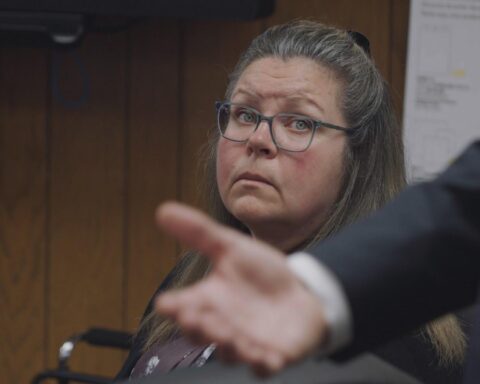





The therapeutic benefit of talking things out appears in full display in Love, Harold. The latest film from director Alan Zweig, Love, Harold explores the headspace one enters in the aftermath of grief. The film, released today for free streaming from the NFB, sees Zweig sit down with a handful of people whose loved ones died by suicide. There are painful conversations and heavy burdens as interviewees discuss all the signs they missed, things that went unsaid, or cherished memories with loved ones that they wish they could enjoy again.
While the conversations are difficult, the film evokes the sense of a weight being lifted as it cycles from conversation to conversation. As it circles back to interviewees with a cadence that naturally reveals the healing process, Love, Harold offers an empathetic ear as it reminds audiences to break the stigma around conversations about mental health. Each interviewee obviously has lots of pain bottled up when the conversations begin. There’s a great sense of release throughout the process.
“People ask: What’s the film about?” Zweig told Samantha Hodder in an interview for POV issue #122. “[I want to say] it’s about puppy dogs and rubber balls. I always almost say it apologetically: It’s about suicide. And then they get that look. I want to be conservative, but 50 percent of them, three beats later, say: ‘My uncle [died by suicide] or ‘my brother.’ Obviously, you can’t say that suicide is common because, statistically, I guess it isn’t. But it’s common enough. Why aren’t people talking about this?”
Watch Love, Harold below from the NFB:
Love, Harold, Alan Zweig, provided by the National Film Board of Canada