



Love, Harold
(Canada, 90 min.)
Dir. Alan Zweig
There’s a moment late in Love, Harold when a bereaved mother shares with director Alan Zweig (Coppers, There Is a House Here) her efforts to take her mind off her daughter’s death by hanging. She tells Zweig that she treated her late daughter’s boyfriend to the movies. They saw the new Indiana Jones, and she recalls how an exercise in escapism quickly turned into another triggering reminder of loss as the movie opened with the adventurer getting caught in a trap that essentially hung him from one snare to another as he fell down a chute. All else she remembers is looking over and seeing a single tear rolling down the boyfriend’s face instead of that Amélie-like awe reflecting the joy of movies.
She says they tried to find a reprieve in movies again. This time, she tells Zweig, they went to the new Hunger Games movie. Unbeknownst to her, it features “the hanging tree” and a haunting anthem in the franchise about kids forced to kill one another for public entertainment. How else, she wonders, can she escape the omnipresent reminder of the loss of her daughter?
“Don’t go to the movies,” Zweig replies with a comforting laugh.
Anyone looking for escapism certainly won’t find it in Love, Harold. Zweig’s latest film offers a frank and expansive exercise in talking about suicide. While the documentary proves as depressing to watch as it sounds, it does have moments of levity where appropriate. Zweig converses with twenty-odd participants with a family member, partner, or friend who died by suicide. There are flashes of grief, anger, regret, and occasionally humour. Even the bleakest of films can therefore provide more solace than an Indiana Jones movie—especially the recent ones. Love, Harold offers a difficult if productive exercise in breaking the stigma around suicide and conversations about mental health.
Zweig approaches the topic having been surprised by the news that a friend of his died in Cambodia. The added information that the death’s a suicide makes the loss especially jarring. It’s a perplexing wake-up call that one can never really know what people have going on beneath the surface. Forced smiles and reassurances that all’s okay mask serious pain. And as Zweig connects with another friend to hear his perspective on their late mutual, it becomes clear that suicide can transfer the pain as they both try to make sense of the loss.
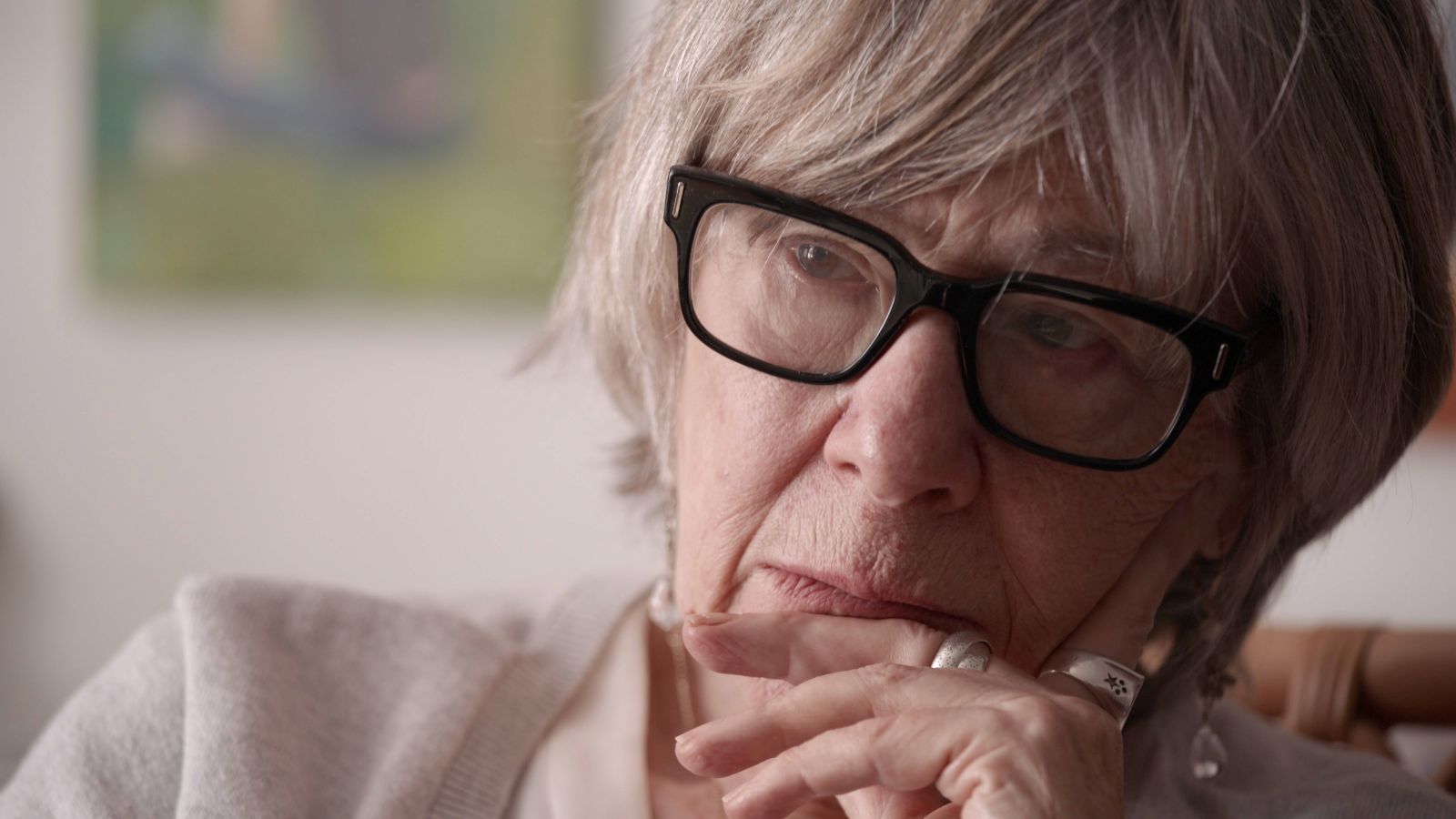
The film takes a therapeutic approach to the talking heads format. Zweig listens empathetically to participants as they share stories about loss. Many find themselves in situations comparable to his own, while others differ and say they saw it coming, or at least caught warning signs. Sometimes he interjects with probing questions, often telling reveals about pre-existing relationships or familiarity, which add to the dynamic as Love, Harold considers why it’s so normalised to bottle these stories up instead of releasing them.
Particularly effective is the story of a mother who lost her son. She recalls her own suicidal ideation after learning of his death and admits that a heart attack likely saved her. She now paints portrait after portrait of her son, immortalising him amid his absence. Her talks offer the most emotionally draining conversations of the documentary to the point that Zweig asks her if she’ll be okay after sharing her story for three hours. She replies that she’d be dealing with the loss regardless of the film. Death hangs over her daily.
Then there’s the story of a sister who can pinpoint the push that precipitated her sister’s suicide. The conversation runs a gamut of emotions with jarring clarity as she tells Zweig about leaving a note on her sister’s door—the childhood home that her sister didn’t want to sell, but she did—and returning days later to find a terrible odour and the note still on the door. It’s haunting series of details, but then she shares a practice that her sister used to get through dark times: an odd exercise that involves stuffing garments into a sling around her neck, and she goes up and down the stairs finding relief in the cushiony bounce of the comforting pillow thing. It’s only through death that she seems to fully understand her sister’s headspace.
Zweig doesn’t ask the participants about the “why” and the “how,” but the stories usually get there—more so that latter since they “why” remains painfully subjective and unsatisfactory. There’s a clear sense of catharsis to these conversations. Participants show an obvious weight of relief as they talk it out, alternatively sharing pain, humour, introspectiveness, and a hint of morbid curiosity.
Harold provides a leisurely methodology to the conversational approach. Snippets of interviews play out in longer clips before moving on to the next speaker. Most interviewees appear about three times in the film’s narrative cycle as they reflect their journeys with grief. Sometimes, the screen cuts to black if the speaker, or audience, needs a breather, while occasional B-roll also gives pause, understanding the heaviness at hand. It’s a respectful design that meets the pace of the conversations as people work out complicated emotions.
The film, however, could just as easily be a podcast with its sedate conversational style. Interestingly, Love, Harold arrives amid Zweig’s foray into podcasting, and the complementary nature of the mediums could inspire second looks for non-fiction content amid the dauntingly oversaturated podcasting field. Love, Harold takes the mode of the hangout podcast to unexpected places.
It may seem like a backhanded compliment to suggest that a film plays well if one watches it with closed eyes, but there’s a design at work to imply how suicide touches so many lives. Moreover, the talking heads design makes clear how an issue as weighty as suicide is subjective, since the stories of the deceased and those of the survivors have such diverse circumstances and reactions. Trying to draw any overarching conclusion about suicide would be as impossible as it is inappropriate.
Instead, the film serves a different kind of closure: the reassurance that survivors aren’t alone with the weight they carry. Audiences searching for answers won’t find them, however. Zweig gets that it’s not his place to judge.