


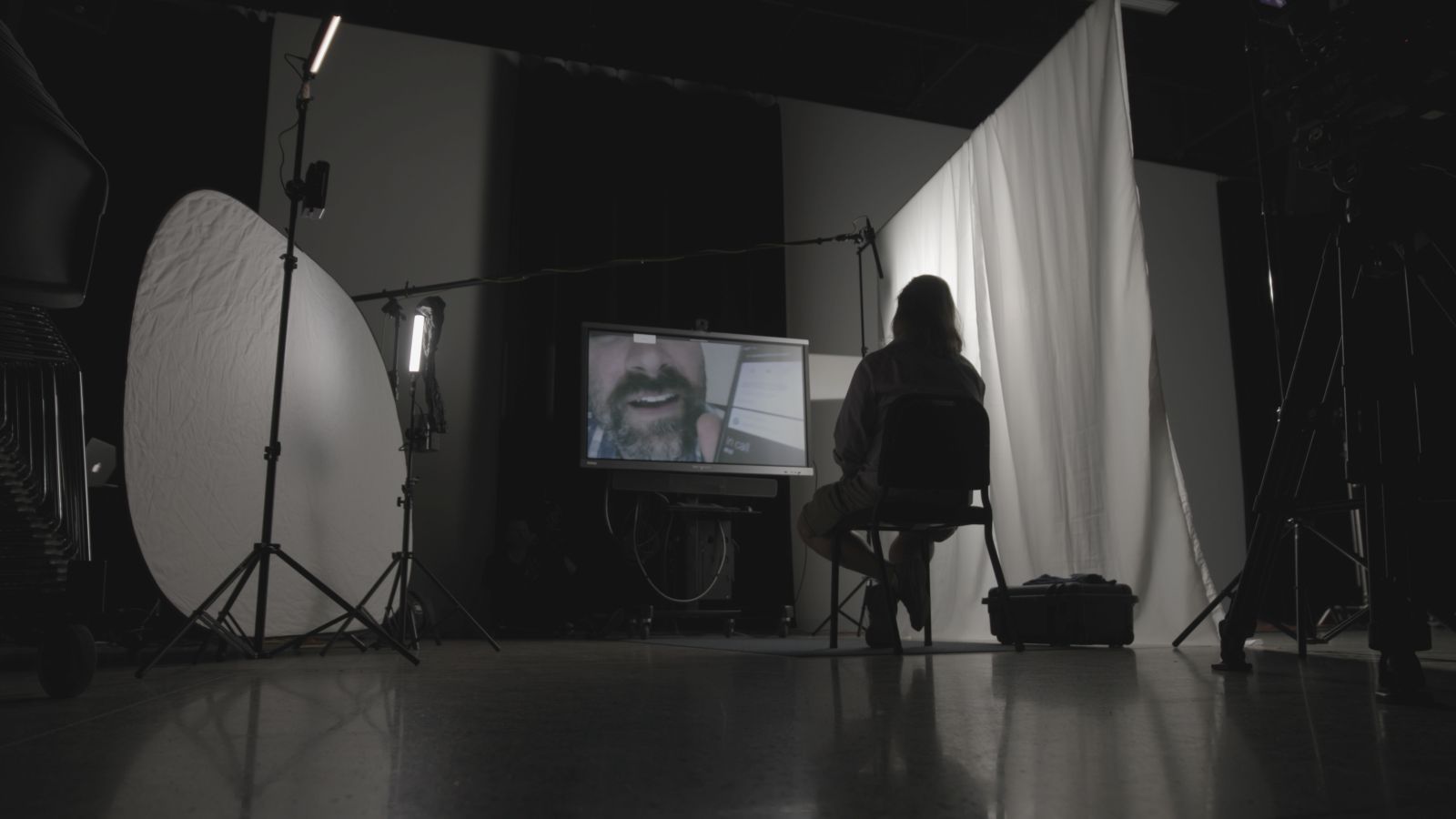

Jason Nassr always wanted to star in a viral video, so here’s a chance for the Internet to make his name known. The acclaimed documentary Shamed is now streaming on TVO and it finds a chilling cautionary tale in Nassr’s story. The film, directed by Matt Gallagher and produced by Cornelia Principe, looks back on Nassr’s days as an online vigilante. Chilling clips from Nassr’s former Creeper Hunter TV channel illustrate how he masqueraded as a minor on adult dating websites to ferret out men he perceived to be pedophiles. It’s a story of coercion, entrapment, and viral outrage as the film looks back at how Nassr named and shamed these men amid a public trial by fire.
Nassr obviously loves the opportunity to have a platform as he shares his point of view with the filmmakers, illuminating a process that he considered—or, rather, continues to consider—a legitimate practice protecting young people from evil predators. Although as many people in the film note, it’s hard to call these men pedophiles when they logged onto an adult website looking for love, but Shamed invites audiences on a journey through complicated moral grey areas as Nassr’s story unfolds.
“There were times when I asked him a question and I believed he was truthful and honest and forthcoming. There were times when I didn’t believe him,” Gallagher told POV in a story for our spring/summer 2025 issue. “There were times where I thought he was playing with me, but the most honest I’ve ever seen him is in his own videos that he’s already created, where he talks to his fans. That is Jason unvarnished.”
However, as Shamed gets multiple perspectives from the story with interviews with former targets, family members of men “exposed” by Creeper Hunter, and loved ones whose family members and friends are no longer alive due to Nassr’s handiwork, the film ultimately crafts a compelling case study about the ways in which the internet empowers individuals to prey upon vulnerable people and twist the power of the online mob for an instantaneous—and often irreparable—verdict.
“The story’s not so much about Jason. It’s about the collateral damage that happens when a man like Jason is allowed to operate,” added Gallagher. The firsthand look at said collateral damage invites audiences to value media literacy in an age where the internet does away with nuance in favour of absolutes.
Shamed builds upon the talking heads format quite effectively as it integrates different voices that intersect with the story, as trials rarely, if ever, rest upon one point of view. The direct and concentric circles of the story create a clearer picture of who the real predator is. Moreover, with Nassr being so comfortable airing his unfiltered views on his own platform, his interviews get the better of him as he unleashes some choice soundbites. They’re truth bombs that reflect his real self, like his jaw-dropper of a reflection “it sucks to be dead” when Gallagher asks how he feels that people have died as a result of Creeper Hunter’s stories.
The film isn’t without its risks, though. When Shamed screened at London’s Forest City Film Festival, Nassr showed up with his camera in tow. That surprise appearance saw Nassr arrested by police, as his previous run-ins from the law prohibit him from contacting or being in the presence of his victims and their families. Such participants from Shamed were at the screening, which was why Nassr was arrested, although charges were dropped a month later. The incident happened mere days after Shamed screened in competition at the Windsor International Film Festival where tensions were high as staff and attendees wondered if Nassr would appear at the film’s homecoming. (He was thankfully a no-show.)
With audiences now reaching verdicts of their own, however, Nassr has returned to the scene of the crime. He’s back on YouTube with a self-titled channel with videos that seek to debunk the “supposed documentary,” as he calls it, with sensational rants about the filmmakers and participants in the film, and cherry-picked quotes from reviews and interviews, that can easily be supported by watching the film—a chilling reflection of lack of accountability he displays in the documentary while others call on him to consider his actions. The trailer for season two of Creeper Hunter TV that appears in Shamed threatens, “This won’t stop.” One senses a chilling echo in the new season on Nassr’s channel as supporters of the doc become targets.
The videos mirror Nassr’s stream-of-consciousness tangents that make Shamed such a fascinating window into the unapologetic vigilante. These defensive videos also further a case that Shamed makes throughout: stories captured and broadcast on our screens play differently when they hit closer to home and when people recognize their consequences, and that it’s ultimately essential to have empathy for others no matter how deeply we may disagree.
With its focus on the human costs of Creeper Hunter’s agenda, Shamed proves a refreshing antidote to sensational true crime docs that are all the rage these days. It’s the story behind the story that asks audiences to consider how their actions might invite, precipitate, or contribute to the opening of Pandora’s Box on the World Wide Web.
But audiences should watch the film, hear Nassr’s perspective, and decide who the real victims are.