



Ba’s Book? Who’s Ba? The first thing you should know is that “Ba” means “father” in Vietnamese. More specifically, “Ba” is the venerable writer and subject Anh Duong, who is seen through the eyes of his daughter, director Ashley Da-Lê Duong, the Vietnamese-Canadian filmmaker of this lively documentary.
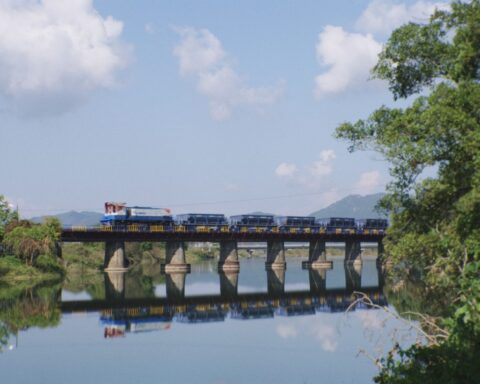
Anh Duong wrote the book Dear Da-Lê: A Father’s Memoir of the Vietnam War and the Iranian Revolution (2024) for Ashley, whom he named “Da-Lê” at birth, after fond memories of his ancestral village located in central Vietnam, just south of the 17th parallel DMZ (demilitarized zone) during the war. The book’s account of Ba’s harrowing memories of the war, and his buried emotions since that time, prompted Ashley to make a film on their extended family in Vietnam. The result is a hybrid film, displaying the vulnerability of an individual caught in the assault of war and the journey of a torn family rebuilding its bridges.
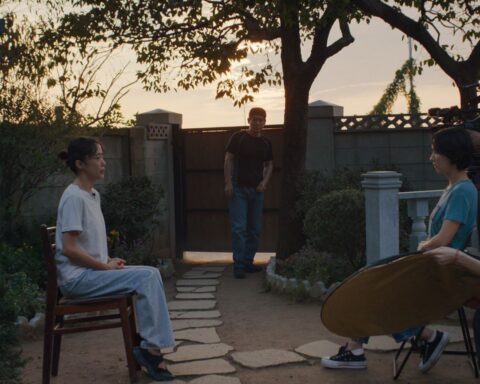
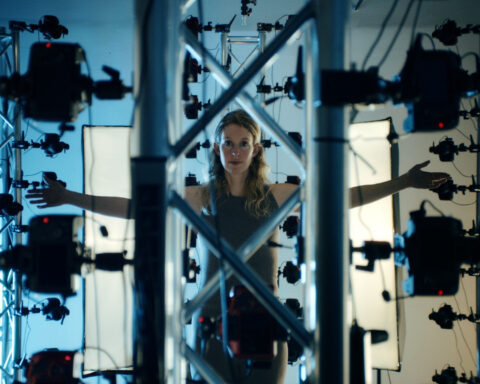
Inspired by films like Joshua Oppenheimer’s The Act of Killing and Sarah Polley’s Stories We Tell, Duong uses a meta approach to connect past and present moments, employing both documentary and fiction elements throughout the film. “It is so hard to script. I’m not saying that it is not real, but it is even harder than reality!” says Duong. Instead of using the “cut-to reenactment” method, she and her co-writer, Steven Sych, scripted every camera movement, lighting and transition needed to transport their audience between the two time periods seamlessly.
Unlike the deep south and the far north where political views adhered to their typical geographical perspectives, central Vietnamese often found conflicting political opinions during the war, creating friction even between members of the same family—such as Ba’s. Their staple food, “sticky rice with beans,” takes on a much deeper meaning in the film. During the Vietnam War, many boys in Ba’s village joined the northern Vietcong but would head south at night back to their girlfriends at home. “White rice is our Southern government; red bean is the Vietcong. When they are mixed and cooked together, they become pink and it’s impossible to separate them,” says Duong.
It was after a near death experience during a crossfire in the midst of the war that Ba thought of fleeing to survive. To escape being drafted, he studied hard and was admitted to the Quoc Hoc School for the Gifted in Hue, then later headed to Saigon for the university admission exam. The trip was long and exhausting, and his test results were not good enough. Luckily, he saw on the bulletin board that the Shah was offering scholarships for students to study engineering in Iran, and his application was accepted.
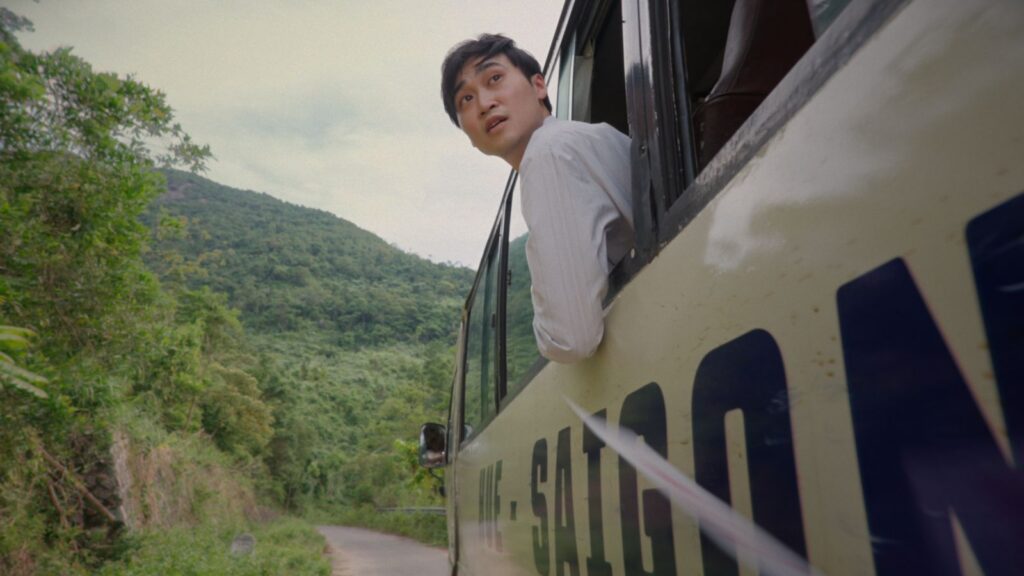
Ba left quickly and was unable to tell his family because by then Da-Lê had fallen to the North. By 1975, the Communists had won the war. Ba had landed in Tehran at that point and touched snow for the very first time. Suddenly in 1979, life became tougher in Iran after the Shah was deposed. Ba found himself attacked as a non-Muslim foreigner during the Iranian Revolution. By then, Ba had long outstayed his student visa with a passport from South Vietnam, a country that no longer existed. He was waiting to hear back from Washington, but a group of militant students seized the U.S. embassy and held all staff hostage. Finally, the UN refugee agency offered him an interview with Canadian immigration as a last resort, and he was granted entry.
Ba had never visited his village after he emigrated to Canada before being involved with this film. Tormenting memories of war might be the obvious reason but not knowing how he would be received by his Vietcong siblings at a reunion was certainly a factor.
In Canada, he was proud to name his daughter “Da-Lê,” which in Vietnamese literally means “wild pear field”; it complements the family’s surname “Duong” which means “sun.” Ashley’s name is her father’s blessing, wishing his daughter would flourish like the growing pears being nourished by the endless sunshine. From the duality of the name of both his daughter and his birthplace, one can sense the love and home-yearning of this exiled family man.
Just like the majority of children of immigrant parents, Duong’s career choice in arts was not endorsed by her family. She recalls that it was only after her family “attended the premiere of my first feature documentary, A Time to Swim, in Los Angeles, [that] they saw what I was doing, and have been supportive ever since.”
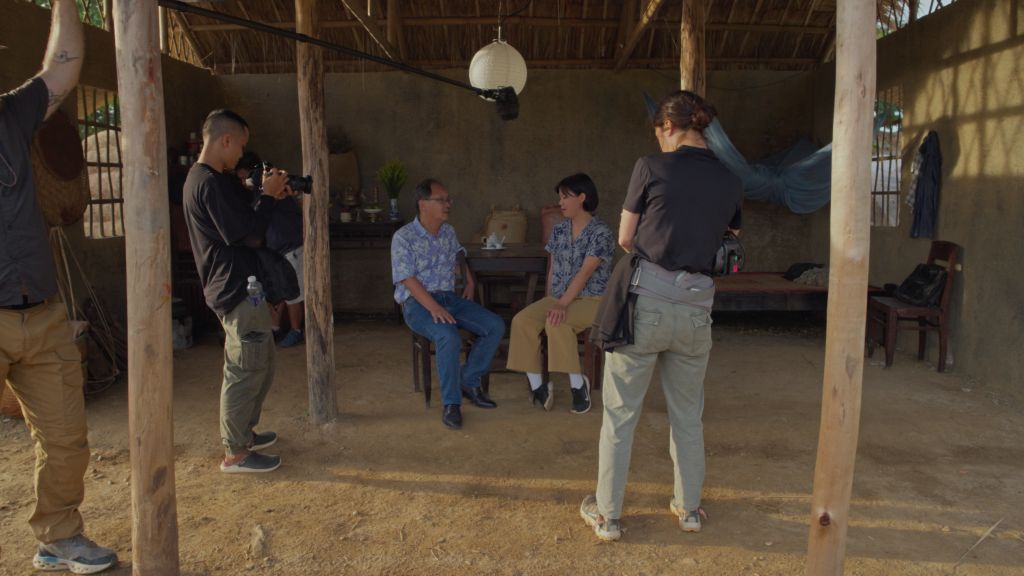
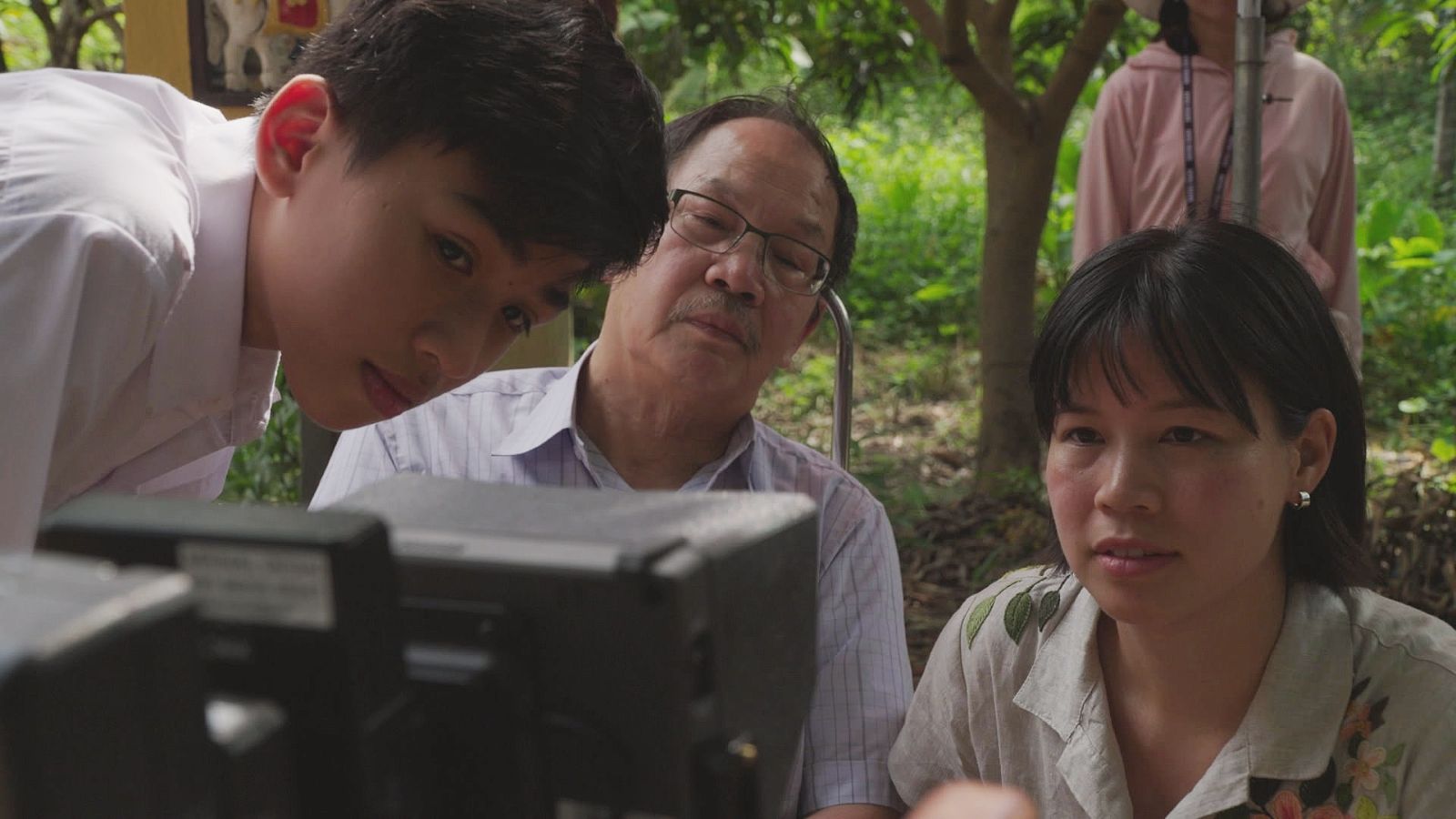
Duong continues: “Steven and I went on several trips to Vietnam before shooting, spending months at a time just getting to know my family, hearing their stories, and figuring out who is relevant in which scenes. Some acts are based on my dad’s memoir, and others are improvised with the elements in place; like the scene when my uncle shows the kids how he used to run into the bomb shelters, we knew then we needed to build a shelter, but the scene is totally not scripted. It’s more like my relatives helped workshop the fictional parts you see in the film.”
Shooting with relatives as subjects has its pros and cons. “Working with family intimately, like my dad, who is very strong-willed and opinionated is so hard,” she explains. “I do want to include his opinions but not all. There’s a huge linguistic and cultural barrier between me and my family in Vietnam; but since we spent a lot of time together, we have gotten a lot closer throughout the process.”
Getting Ba’s Book produced proved surprisingly easy. Duong recalls, “I worked with Ina Fichman, who is a very well-regarded producer in Canada. We first pitched in Toronto at the Hot Docs Forum,” Fichman adds, “At the Hot Docs pitch, Ashley actually cried when her dad came up on screen. Everyone was so moved not just by the film itself, but her commitment to telling this story. There was a lot of interest in the room. TV Ontario heard the pitch and we made the deal very quickly. Other funders including the Canada Media Fund, Quebec tax credit, Canada tax credit, SODEC, Rogers Documentary Fund, and Hot Docs Incubator followed suit; the film was made entirely with Canadian funds.”
For the film to be authentic, the language has to be Vietnamese and it must be shot on location. However, Fichman had this encounter: “One of the sales agents said to me, ‘Well, the whole film is in Vietnamese, I don’t know if people are going to watch this!’ I thought to myself, do you not watch Netflix, where a good 50% are foreign language? I will continue to support authenticity and filmmakers like Ashley, and give her the tools she needs.”
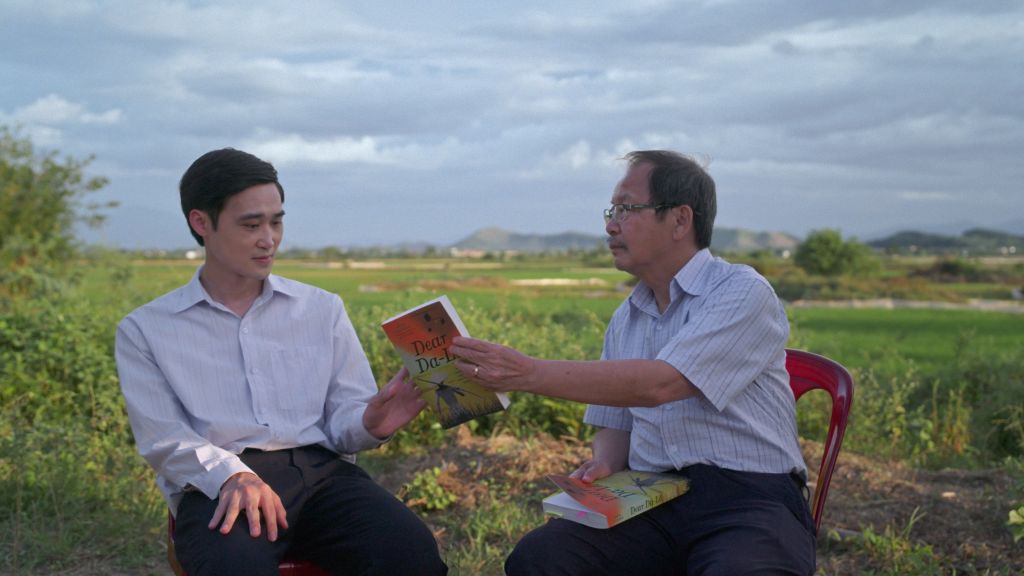
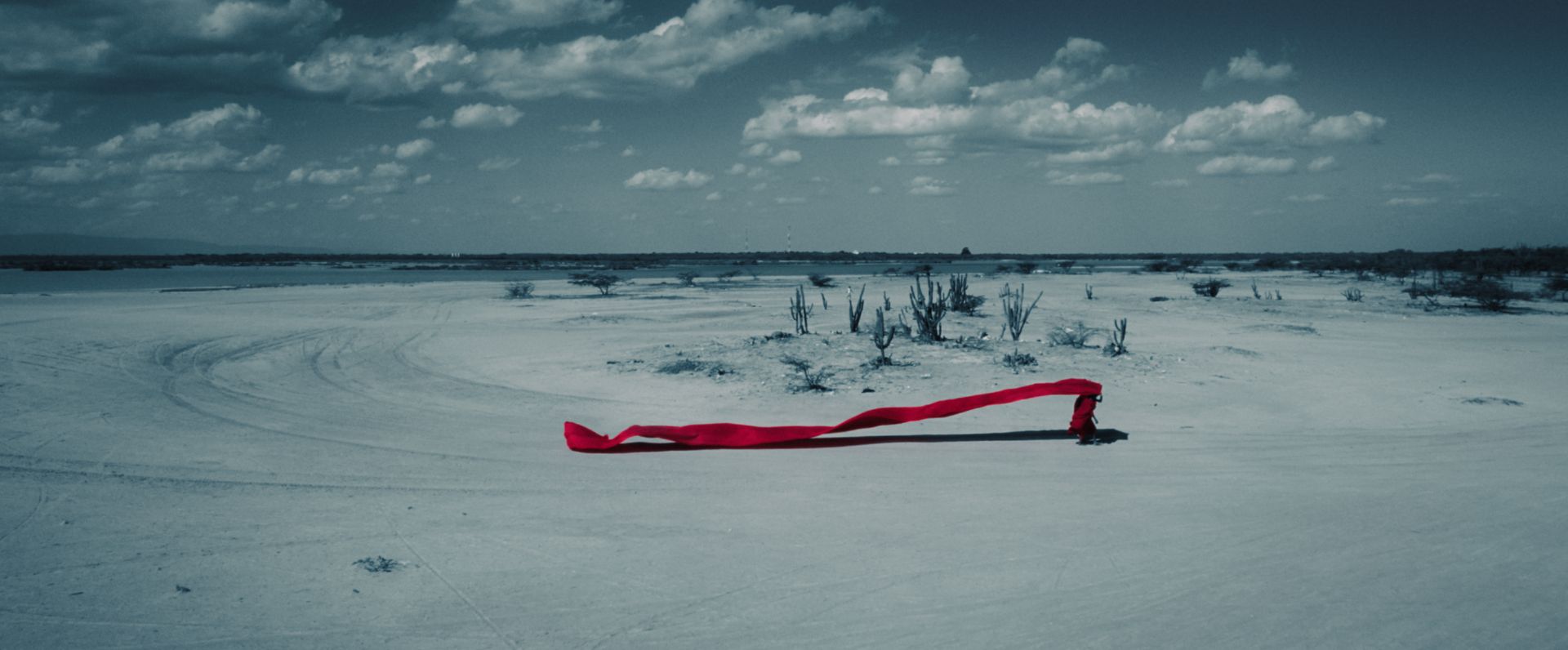
Ba’s Book is culturally specific, but Ashley’s exploration of how we interpret reality and memory with emotional honesty, will resonate with audiences universally, because it’s about families, the past and connections to an ancestral birthplace. The film presents itself to be a celebration of roots, family unity, and humanity. It’s not about politics.
“I always knew that my dad’s book wasn’t really written just to me, and this film was never really just for him,” she says. “But maybe this is how we show up for each other.”
Duong concludes: “I made this film also to connect with the second-generation Vietnamese and other cultures, who might feel the same way of wanting their parents to communicate with them, or feeling distanced from family members abroad. Personally, I dedicate the film to my brother, who might not feel as connected to Vietnamese culture, or his family, or his past, or my parents’ past as I do.”