



Strange Journey: The Story of Rocky Horror
(USA, 89 min.)
Dir. Linus O’Brien
Prod. Adam Gibbs, Linus O’Brien, Garret Price, Avner Shiloah
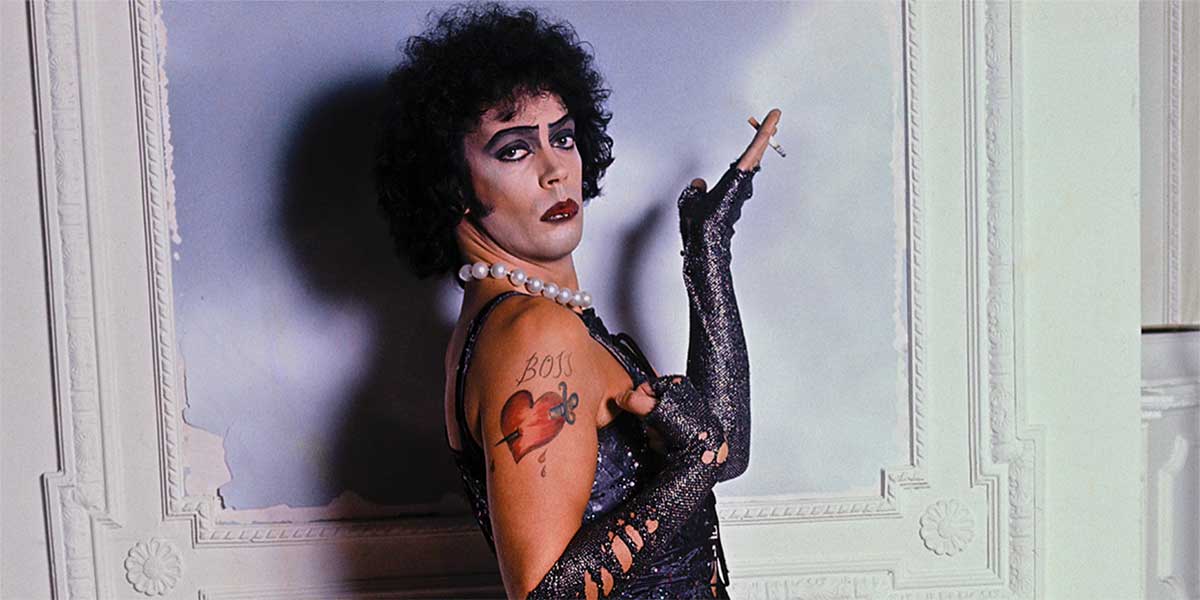
“It was great when it all began / I was a regular Frankie fan,” sings Columbia (Little Nell) in The Rocky Horror Picture Show. As the sequined showgirl of Dr. Frank-N-Furter’s entourage leads a cabaret in the 1975 cult hit film, she sings of her growing disillusionment with the transvestite from transsexual Transylvania who, it turns out, isn’t nearly as sweet as he says he is. For devotees of The Rocky Horror Picture Show, though, being a Frankie fan never loses its touch.
Strange Journey: The Story of Rocky Horror charts the wild and rocky road of this iconic musical and B-movie. Director/producer Linus O’Brien look at the art and business of filmmaking to capture the magic that happens when lighting strikes just right. It helps that his dad, Richard O’Brien, is the creator of the musical. This relationship affords candid access to Richard, who also played the gaunt Nosferatu-esque butler Riff Raff in both the show and movie. But it also probably accounts for one reason why every surviving key player from Rocky Horror history appears here. It’s not a look back so much as it is a collective testament to an enduring legacy.
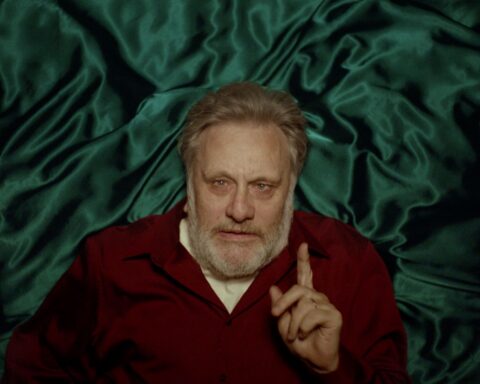
Richard O’Brien serves as the key voice in the documentary. He’s an engaging raconteur and keeper of cultural memory. His stories set the scene for Rocky Horror’s fringe origins. After making good on director Jim Sharman’s wish to work together at some point, O’Brien tells how he gave the director some early songs and a script for a new rock musical. He says Sharman loved it enough that he swung three free weeks in the theatre in which he was booked for another gig. After Sharman filled out the soundtrack and wrote a few more songs, including a last-minute addition of future cult anthem “The Timewarp,” The Rocky Horror Show made its debut on a very small stage.
There’s no “picture” yet in The Rocky Horror Show, but interviewees stress this point. They recall how the original stage piece used a theatre screen as part of its meta-theatrical production design. Partly by circumstances of budget or lack thereof, the players of Rocky Horror performed before a movie screen. 50 years later, a shadow company does the same under screens that play The Rocky Horror Picture Show every weekend in cinemas worldwide. This fringe passion partly accounts for why Rocky Horror continues as the longest running theatrical release in history.
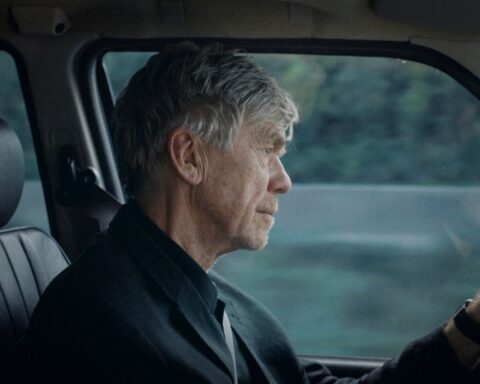
The passion of the cast and crew surely deserves much of the credit too. Tim Curry, making a rare appearance in the decade since his stroke, expresses clear pride over the legacy of Dr. Frank-N-Furter. He illuminates the origins of the doctor’s funny accent—“He wants to be the Queen of England”—and talks about the ways in which fishnet stockings make a performer feel alive. Patricia Quinn offers some very fun anecdotes about her days as Magenta the maid, including verifying Meatloaf’s credentials as being named the best kisser in high school. (Apparently he was.)
Meanwhile, Sharman reveals that Susan Sarandon’s breakthrough role in the film came by finagling during casting. He wanted her for the wide-eye Janet, but others didn’t. So he worked it out that she just happened to be there when a male actor was reading for a part and he asked her to do the lines in his place. Sarandon appears in the documentary, too, and echoes her castmates regarding a meta stroke of genius in the film’s ensemble. Most of the film’s cast, as interviewees share, hails from the original production except for Sarandon and Barry Bostwick. This means that Janet and Brad, the all-American straight-laced outsiders who stumble upon the gang, are strangers to the family of original players who know the story, words, and dance moves intuitively. That layer resonates and invites people into the film.
So much of Rocky Horror reflects the highs and lows of B-movie filmmaking. Sharman and O’Brien tell how their meagre budget let them make the film they wanted, but even their discerning eyes can’t really tell which elements are artistic choices and which ones are by-products of cut corners. The creators dish on some key factors that probably help make Rocky Horror so accessible. The cast performing “The Timewarp,” for example, intentionally can’t keep a beat. They’re not the svelte dancers perfectly in sync like the movers and shakers of other rock musicals. The film owns the cheese. That’s why audiences loved it even though the film initially bombed as badly as the play did upon its New York run.
But there’s a great story to Rocky Horror that resonates with independent film today. Producer Lou Adler imparts the philosophy that kept Rocky Horror running even if 20th Century Fox felt it was DOA. His intuition with the show being a hit at fringe festivals, and then in London and Los Angeles, told him that the film just had to find its audience. He remembers trying to embrace the film’s B-movie charm and running it at midnight screenings.
That choice, he reveals, led to a fateful phone call with a theatre owner. Adler says the rep reported consistent numbers of only 50 people per screening. “But it’s the same 50 people every show,” Adler remembers hearing.
The Story of Rocky Horror shares how cult movie magic happens when it provides an alternative space for audiences. Everyone in the film agrees that the film gives people a chance to let their freak flags fly. It’s a toe in the water, and if people like the temperature, they can return in fishnets if they please. The documentary brings in fans, including drag superstar Trixie Mattel and members of the Rocky Horror shadow circuit, to echo the creators. They illuminate the sense of community the film affords weekend after weekend, but also the unexpected political resonance that evolves with Rocky Horror. As Trixie notes, it’s pretty wild that a film was considered subversive in 1975 for putting drag on screen and yet such performances are now banned across the USA.
O’Brien’s voice also strengthens Rocky Horror’s legacy as a bridge for LGBTQ+ culture. He shares his own experiences with gender fluidity across the years of production, never feeling fully male or female. He cites the film’s ability to let men have fun in make-up and women’s clothing—whether on Halloween, Saturday night, or the comfort of their own home—as one way in which Rocky Horror resonates beyond a mere show. It’s a driving force in community building, and its fringe origins inherently position it as an alternative space.
As Strange Journey chronicles five decades of midnight madness with audience participation and slices of toast hurled in the air, it offers a fun and thoughtful reminder of the power of moviegoing as a collective experience. As alternative and independent films find ways to connect with viewers in the new landscape for theatrical releasing where community screenings and event shows become the norm for smaller films, it’s a welcome reminder that great if ‘non-commercial’ films can find audiences, even if it means creating the right strategy for the audience to ‘find’ a film. There’s a reason why so many people do “The Timewarp” again and again.