



Barbara Forever
(United States 102 min.)
Dir. Brydie O’Connor
Prod. Elijah Stevens, Brydie O’Connor, Claire Edelman
Programme: U.S. Documentary Competition (World Premiere)
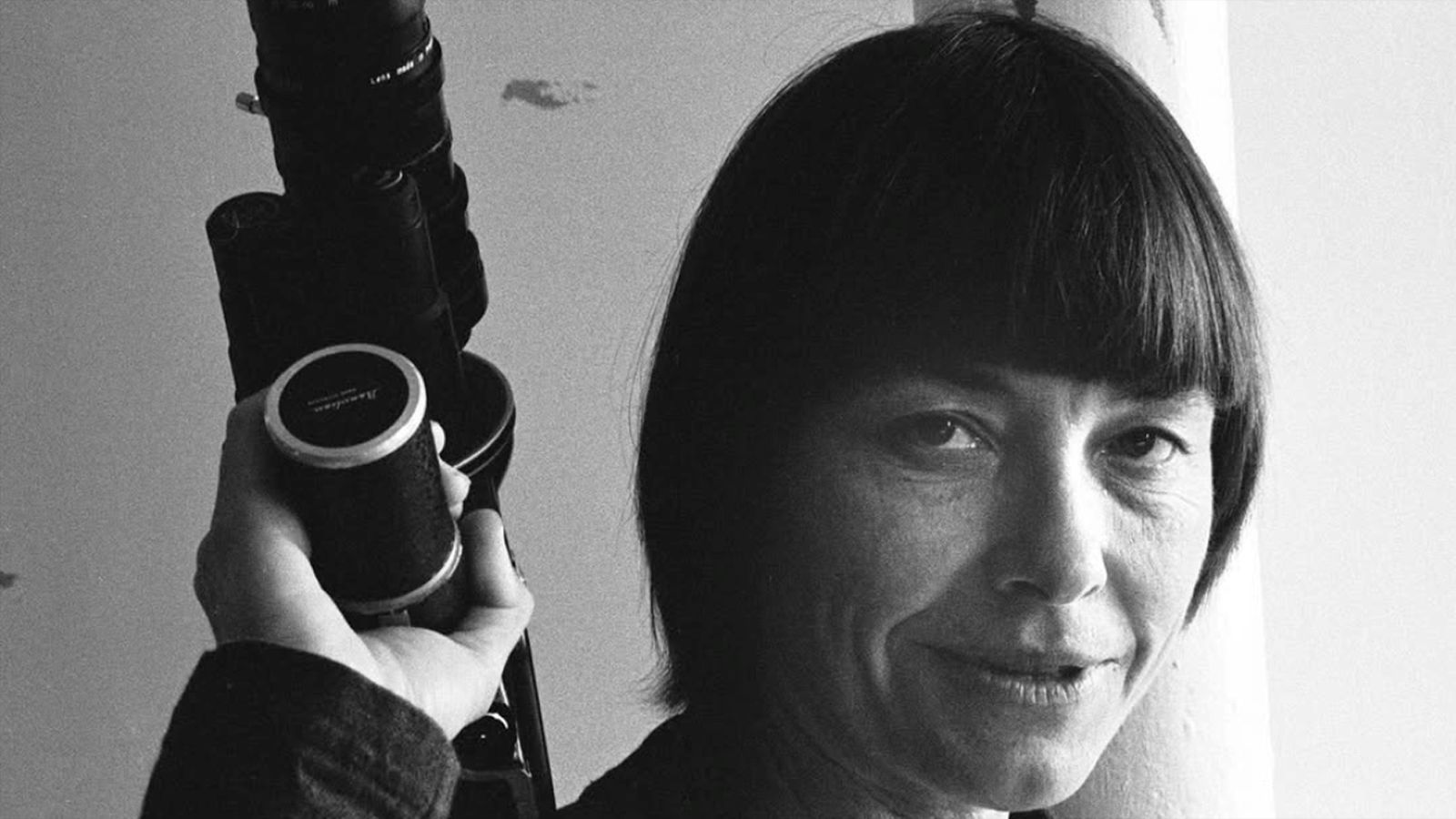
Brydie O’Connor’s Barbara Forever is an astonishing accomplishment. This intimate portrait of pioneering lesbian experimental filmmaker Barbara Hammer not only revives a quintessential dynamic that was embedded in the icon’s work, but dexterously conjures her seemingly endless drive and intoxicating spirit. For anyone who didn’t get a chance to meet Hammer, who died in 2019 at age 79, this film is a gift. With over 80 films in her filmography and a vast archive that endures, this documentary clearly (and correctly) asserts that Hammer’s five-decade legacy continues to inspire audiences and filmmakers.
In O’Connor’s hands, Barbara Forever is an alluringly insular and immersive experience that still manages to be comprehensive. Although tightly controlled by O’Connor, it hasthe lively free-spirited movement of a Barbara Hammer film. O’Connor presents a unique archival footage film, one that is vivid and animated.
Using carefully selected moments from Hammer’s films, personal archives, and old audio interviews, she both reinforces the genius of her subject’s artistic vision and captures Hammer’s way of taking in the world around her. By relying so heavily on Hammer’s voice, she allows the artist to tell her own story and to elaborate on her modus operandi. This is a powerful element of the film.
Barbara Hammer began making films in the 1970s, a time when cis-gender white men dominated the art cinema landscape with minimalist modernist (read: Structuralist) films. There were few queer films to even speak of, let alone lesbian perspectives. Male curators who controlled the screens were not interested and Hammer fought hard for her films to be shown.
By contrast, Hammer’s work was sensual, personal, and community minded. Yet her approach was still avant garde. Working under the belief that if she and others in her community were experimenting with their lives in order to find the right ways to be happy on their own terms, she decided that she would reflect that core belief as a filmmaker by experimenting with the film form as well.
At first, Hammer was interested in what was happening to herself as her realizations about her sexuality developed. Eventually, her natural curiosity extended to a need to both connect with and reflect her communities both feminist and queer. Her transformation into an activist poet with a camera was an organic one. She became a documentarian of sorts: she wanted to elevate the voices of everyone in the communities around her and to remind them that everything they did was important. It was all history.
O’Connor’s chronological approach to her subject might appear overly conventional, even pedestrian by comparison to Hammer’s own aesthetic, but as her film shows, Hammer’s growing awareness of herself as a woman and a lesbian affected her work and helped her develop her voice artistically. We watch the filmmaker who began with a short as simple in form as Dyketactics (1974), which centred itself around images of women freely loving each other, expand her vision into the more complex and far-reaching feature l Nitrate Kisses (1992), a profound statement about life and love while being defiantly being queer in a world that doesn’t welcome you. It was a positive political message that was meant to provoke and galvanize, and it did.
O’Connor does incorporate footage of Hammer’s widow, human rights advocate Florrie R. Burke, as she reflects on pieces within the archives and discusses their lives together. Through the archival footage, we see a reticent Burke eventually opening up to her partner and, inevitably, the camera. It’s particularly poignant to witness Burke’s effortless reminiscences in the present tense of O’Connor’s film, as if she has undergone a transformation over time. O’Connor creates an enticing push-pull here, a flow back and forth between past and present that is profound and thought provoking.
Barbara Forever is an expression of Hammer’s self-actualization as a person and as an artist and an activist. It reinforces how she was aware of existing in a context – one where a second wave of feminism was emerging – and in that environment, she wanted to expand her vision to present a world where not just women gained a voice, but all marginalized people did.
There’s a history here, but also a cultural impact that is still relevant and inspiring today for anyone who wants to be reflected and be seen on their own terms. O’Connor’s documentary is important in the ways that it reveals Hammer’s influences and motivations to encourage others. The masterful ending (which is best not spoiled) reveals how the artist did accomplish her career-long mission. Who needs AI? This kind of filmmaking makes portraiture infinitely more interesting.