




Love+War
(USA, 95 min.)
Dir. Elizabeth Chai Vasarhelyi, Jimmy Chin
Programme: TIFF Docs (World premiere)
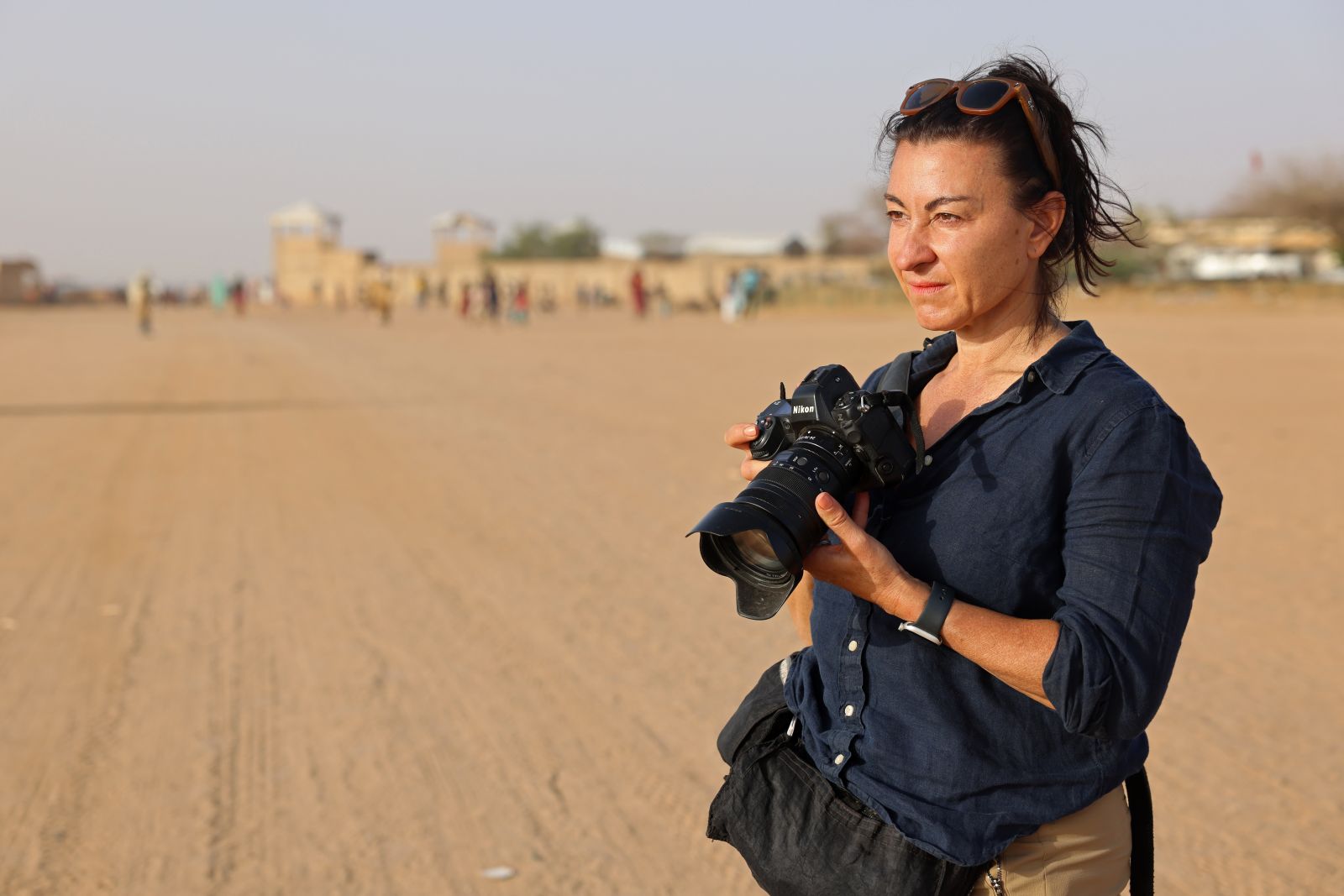
After getting audiences’ adrenaline pumping high in the sky with Free Solo and deep underground in The Rescue, Oscar winners Elizabeth Chai Vasarhelyi and Jimmy Chin find their most-riveting subject while keeping both feet on the ground. Going alongside acclaimed war photographer Lynsey Addario, however, one’s two feet are never in one spot for very long. Love+War offers an insightful portrait of what it means to stand one’s ground in a conflict zone and pause for just enough time to capture the unfolding horrors of war in real time. This intense saga of courage under fire offers an all-too-timely reminder why the world needs independent eyes on the ground in times of conflict.
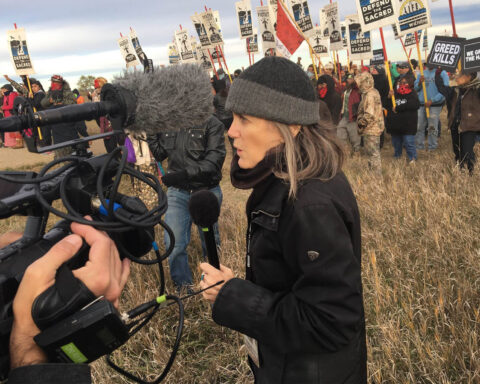
Love+War observes as Addario uses her sharp eye and passion for truth-telling to support her family. She’s the breadwinner while her husband, Paul de Bendern, stays home and raises their two young boys. Being a conflict photographer in such a family dynamic poses considerable challenges, as the job does for any professional balancing a demanding role with family life. Vasarhelyi and Chin observe the toll that Addario’s work takes on her marriage and family.
The nature of the job requires weeks away from home, sometimes longer. Moreover, the unpredictable nature of wartime adds an indeterminate absence to the family. Addario never really knows when she’s coming home, or when the next call back to London may be. But the fire in her belly to expose the injustices of the world shares an intimate relationship to her role as a mother. She’s fighting for her kids’ future, too, even if she’s taking shots in Ukraine, Libya, Sudan, the Amazon or other far-flung places in turmoil. After all, her snapshots aim to inspire an equitable world.
Audiences get a sense of the breakneck pace and unpredictability of life as a war photographer from the film’s opening frames. The camera accompanies Addario as she’s in Ukraine on the eve of Russia’s invasion. She and her translator recognize something in the air, an escalation of unease, and prepare for a story. But Addario turns her lens to the streets and doesn’t see people fleeing. She sees a kid with a bike and his mom dawdling behind. Addario calls out to the mother—she must be crazy confusing wartime with playtime. But the mom shouts back that Addario should just get used to life there.
Cut to Addario and her translator the next day and they’re observing a family fleeing in the streets. A bomb strikes and the photographer drops for cover. As the smoke clears, Addario rises to look for the family. They’re dead. Two adults and two children lay fallen in the street, shortly after Putin told the world that Russia wasn’t targeting civilians. Addario’s photos land on the front pages of top publications for all the world to see.
Love+War gets firsthand accounts from Addario about the thrill, artistry, and strain of her journalism. Her interviews speak to a double standard in the industry even though women have long been at the front lines of war, from photojournalists like Lee Miller and Margaret Bourke-White to videographers like Margaret Moth. But fellow journalists—men, naturally—ask her if being a mom compromises her ability to be a war photographer. She rejects the question. Vasarhelyi and Chin’s two-pronged portrait shows how her experience as a mother instills her career with empathy. Meanwhile, the conflicts she observes abroad keep her grounded at home.
The film explores some of Addario big breaks, like the story of Mamma, a young mother in Sierra Leone. Images of the woman who died during child childbirth draw attention to maternal mortality. The piece shows the impact that a single snapshot can have by making an emotional connection with people around the world. As Addario tells how she used her lens to shift the world’s gaze towards poor healthcare conditions needlessly stripping women of their lives and children of their mothers, Love+War conveys exactly why she’s the person for this job.
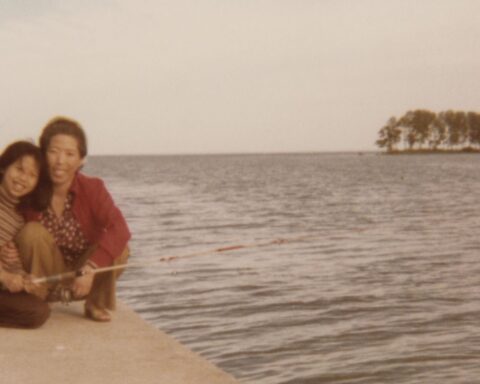
Equally insightful are interviews with Addario’s sisters—a rambunctious trio—and family members including her mother and father. Other professionals from the field speak to the toll that conflict journalism takes on families, noting the odds don’t bode well. Reporters who aren’t killed while capturing news from dangerous grounds often see their marriages end in divorce, become alcoholics, or meet other dire fates. They, like Addario, also reject the frequent charge that they’re adrenaline junkies. Scurrying amid gunfire in Ukraine is not the same as scaling the cliff of El Capitan. Moreover, Vasarhelyi and Chin have the good sense to put audiences directly in the mindset of being in the field.
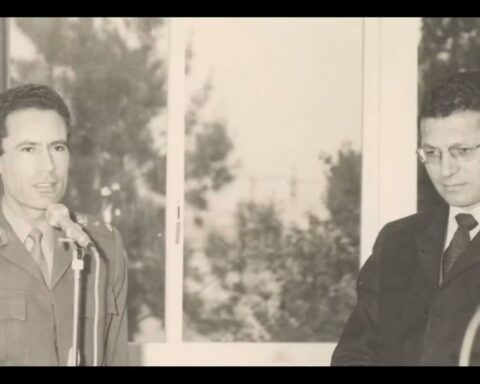
Images from Addario’s previous trips to places like Libya, for example, prove downright harrowing. The photographer recalls the situation being so volatile that she made the call to her editor that it was time to abort the mission. But all the men were staying behind, Addario recalls, so she did too, knowing that signs of perceived weakness could compromise future assignments. But then comes Muammar Gaddafi’s call to treat journalists as enemy aliens and reporting from the ground becomes doubly dangerous. She’s kidnapped with three fellow journalists. Everyone remembers a few days of excruciating hell with no information about Addario or her colleagues coming from the field.
This story offers a wake-up call for Addario, but it also encapsulates the sense of duty that can’t be shaken. Much like they burrowed deep into the psychology of Alex Honnold and his partner Sanni McCandless, Vasarhelyi and Chin find an avenue into Addario’s mindset by taking audiences along for the climb, so to speak, as she scales the heights of global conflict to deliver compelling snapshots. Meanwhile, Paul does for Love+War what Sanni does for Free Solo in offering a window into the impact that such risky business takes on a partner. But he also conveys how having the right person who totally understands their partner’s passion is the best safety harness one can have. This is a fascinating snapshot of a woman who knows the power of a well-placed shot.